buzzfeed Press
REVIEW: “La Bola Negra”, The Masterpiece That Could Triumph During Award Season
Images
1 / 6
2 / 6

3 / 6
4 / 6
5 / 6
6 / 6
From the winner of Best Director at Cannes comes a queer epic that will linger long after the credits.

The directing duo of Javier Calvo and Javier Ambrossi bring us one of the most beautiful, memorable, and thought-provoking films of the year, which deservedly won the pair Best Director at Cannes. Partially based on an unfinished play, La bola negra, by Spanish playwright and poet Federico García Lorca, the film is set across three times in history: 1932, 1937 and 2017, focusing on the lives of three men. Each story is woven throughout the film, an ambitious technique used here with seamless ease.

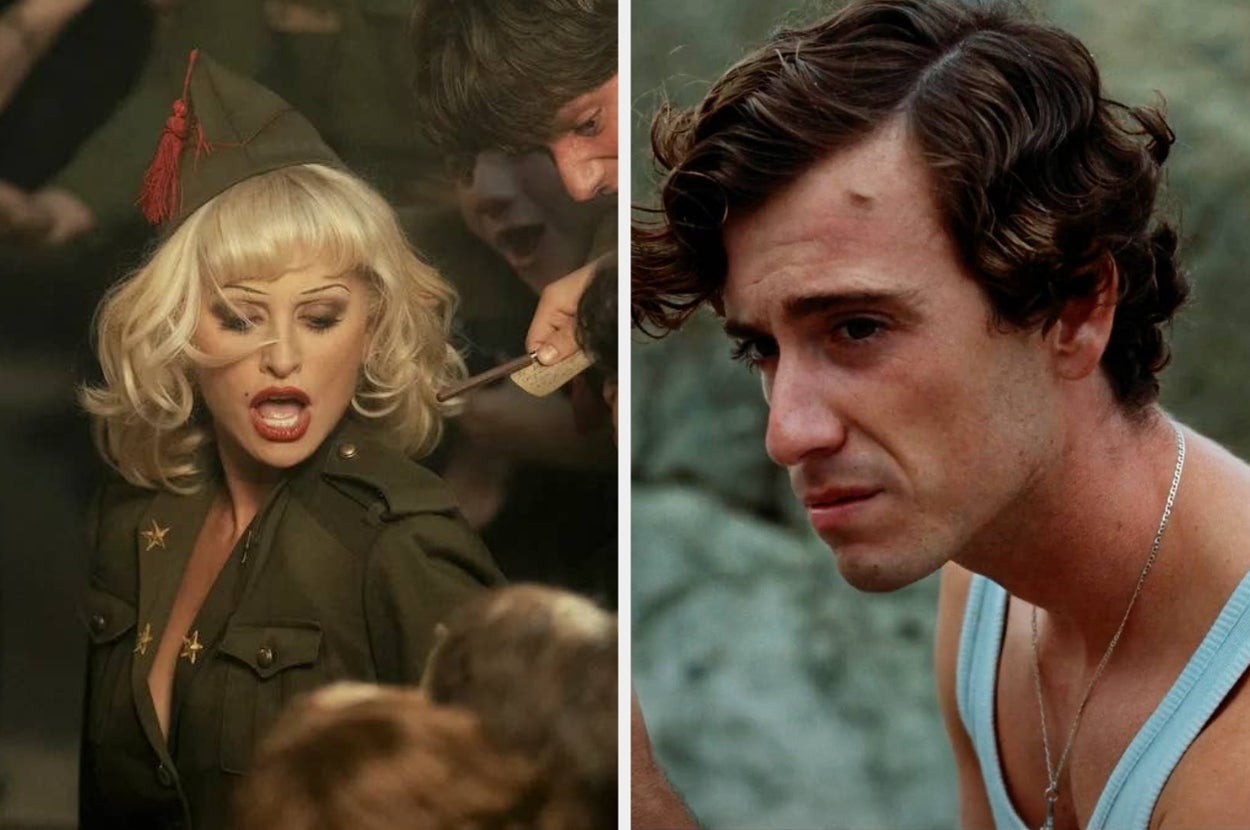
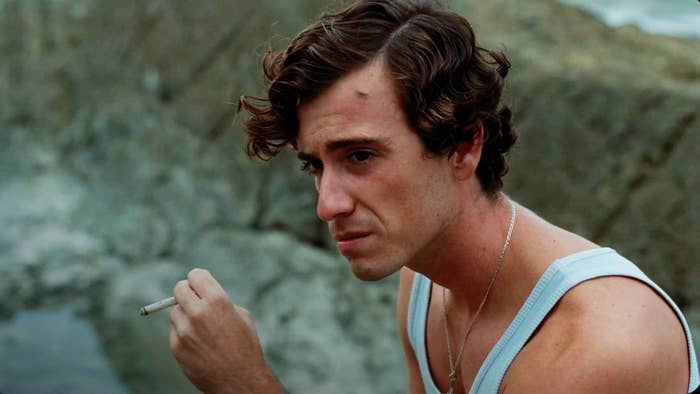
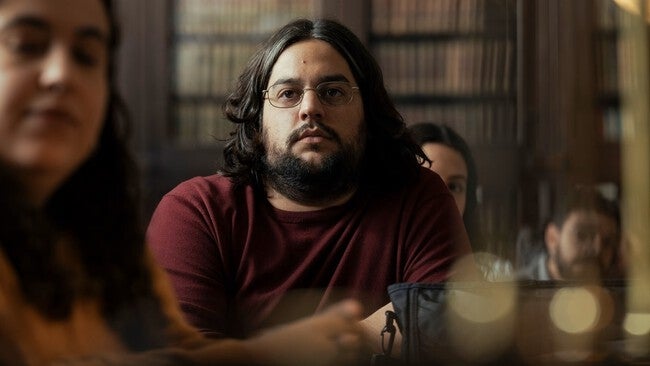
The earlier two of the three tales are both set surrounding, and heavily impacted by, the rise of fascism in Spain, yet their true subject is the painful repression of queer love, the concealment of identity, and society’s insistence on shame.Two superb acting debuts from Milo Quifes as Carlos and particularly from Guitarricadelafuente as Sebastián entice you to the pair’s stories, Carlos as a young family man in Girona attempting to become a member of a Casino, and Sebastián as a trumpet-playing villager in 1937, who is left with no choice but to join the republican forces during the Spanish Civil War.

Carlos and Sebastián’s lives are fraught with the pressures of those around them to hide their sexuality, and it’s the loss of this identity that truly strikes a note. For all of Carlos’ uncertainty and his internal turmoil, he remains proud. We see him drawn in by the idea of the life he longs to live, but tied to the one he must face to become part of the institution his father so desires. Sebastián, however, struggles to hide his own desires while in charge of a prisoner of war, and it is the dynamic between the two that leads Sebastián to the search for Lorca’s play.

Our third, and only modern-day storyline follows Alberto López Azcuna, a historian and former playwright whose family inheritance ties him to our other two characters and leads him down the rabbit hole of his family history, opening up old wounds for his mother, with whom he has a strained relationship. Opening up their past helps unravel the mystery of the playwright Lorca, the unfinished play La bola negra, and the actions of Alberto’s own grandfather.

The backdrop of the rise of fascism and the cruelty and gruesome reality of war for this gentle and delicate depiction of repressed love and restricted companionship makes for a heartbreaking watch.Gris Jordana’s stunning cinematography, along with the faultless direction of Javier Calvo and Javier Ambrossi amplifies both the romance and devastation of the stories they tell. One moment you can be horrified by the bleakness of war, the other, you’re feeling the longing, the fear, and the desire alongside Sebastián as his role within the republican forces tests his mental resolve.

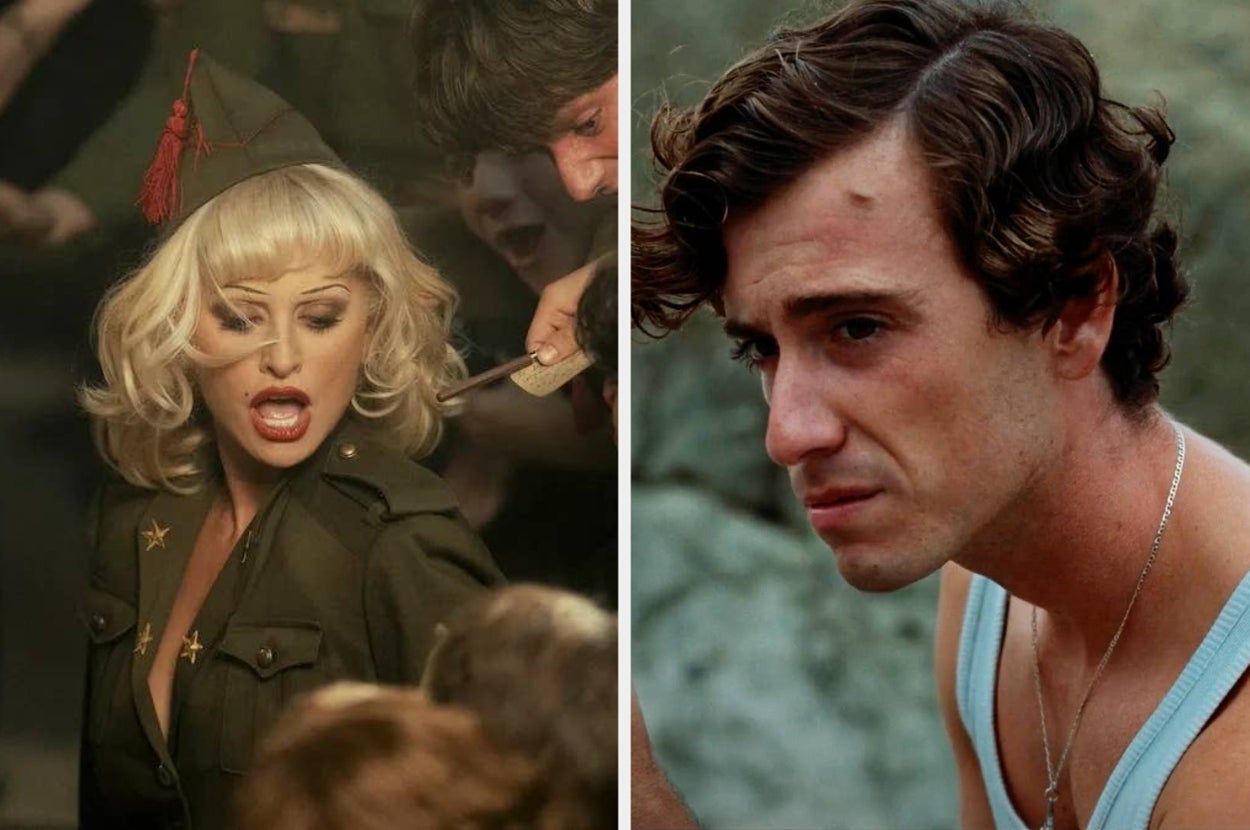
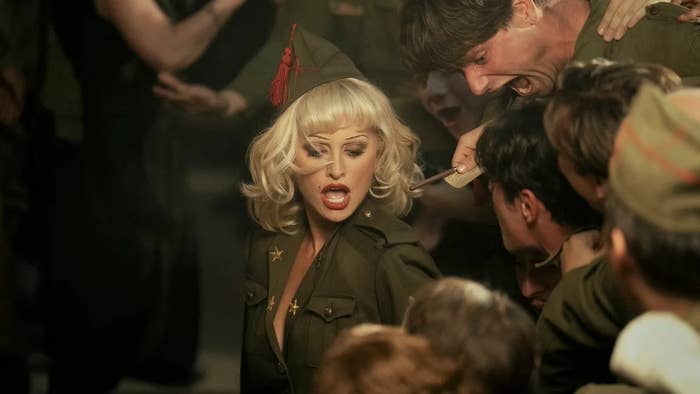
It’s a film that was able to give me goosebumps seemingly whenever it wanted. The sound design and pacing perfectly aligned to produce moments of crescendo from the very first scene.I wouldn’t say that many things could improve La bola negra, but a showstopping scene from Penélope Cruz as Nené Romero, a cupletista entertaining the troops and opening the mind of Sebastián to life beyond the war certainly helps. Another welcome appearance comes from Glenn Close as Isabelle Durand, a scholar of the poet Lorca who Alberto seeks help from.At its heart, La bola negra is a film about living and fulfilment. It’s about how repression, loss, and restrained desire can cause a life to go unfulfilled. Beautiful, tragic, hauntingly gruesome yet strikingly glorious, La bola negra is a masterfully crafted film, one that lingers long after the credits.

La bola negra is scheduled for release in UK and Irish cinemas on November 6, 2026 and begins its run at the London Film Festival on October 8, 2026.
Comments
You must be logged in to comment.