buzzfeed Press
"Pan's Labyrinth" Turns 20: Ivana Baquero Reveals 10 Fascinating Behind-The-Scenes Stories
Images
1 / 17
2 / 17

3 / 17

4 / 17
5 / 17
6 / 17

7 / 17
8 / 17
9 / 17
10 / 17

11 / 17
12 / 17
13 / 17
14 / 17
15 / 17
16 / 17
17 / 17
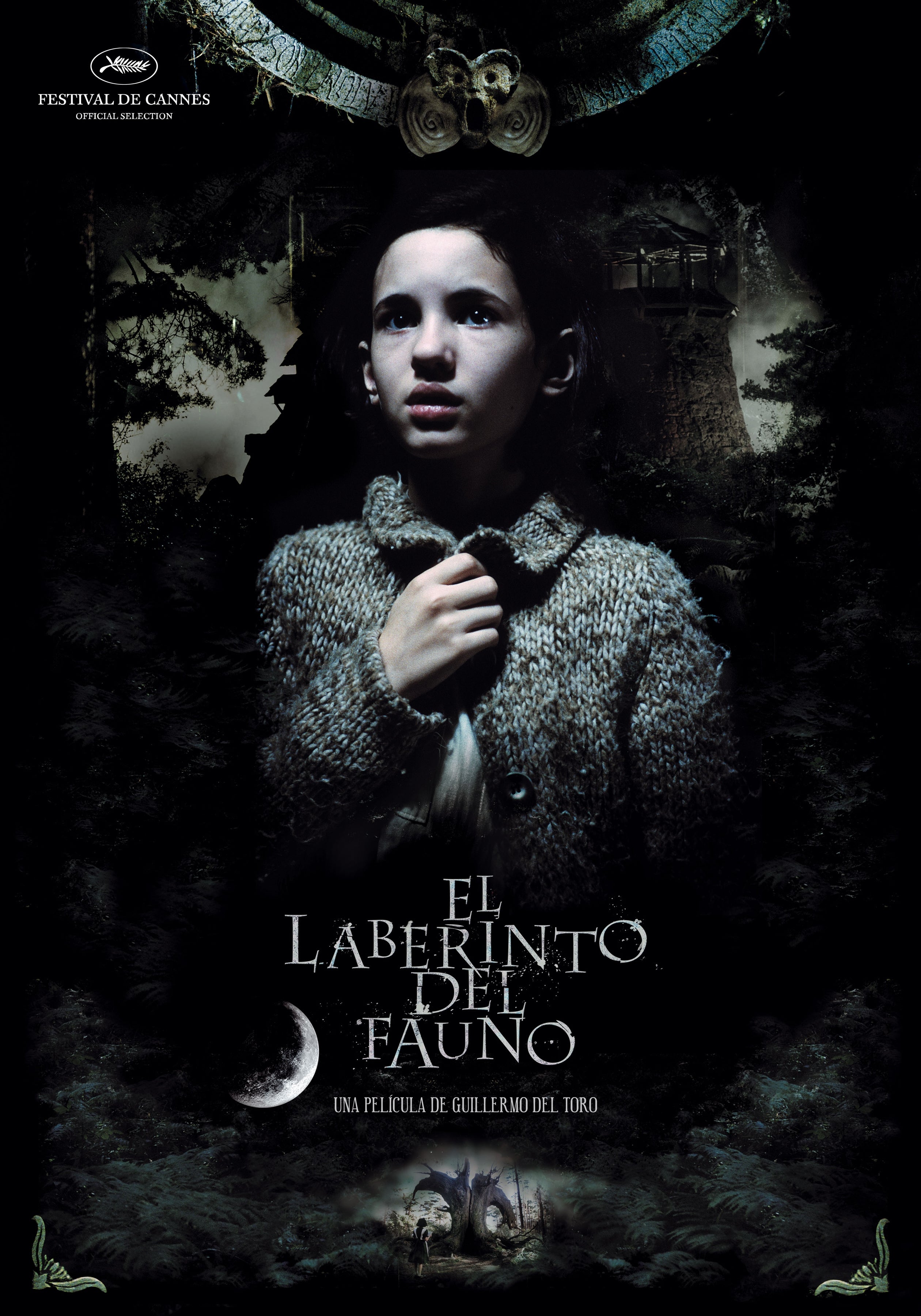
Ivana Baquero was only 11 when she played Ofelia in Pan’s Labyrinth. 20 years later, she reflects on making the film, from filming iconic scenes like the Pale Man’s lair to her evolving interpretation of its ending.

I’m a pop-culture writer covering everything from TV and movies, to music, Broadway, books, and games.

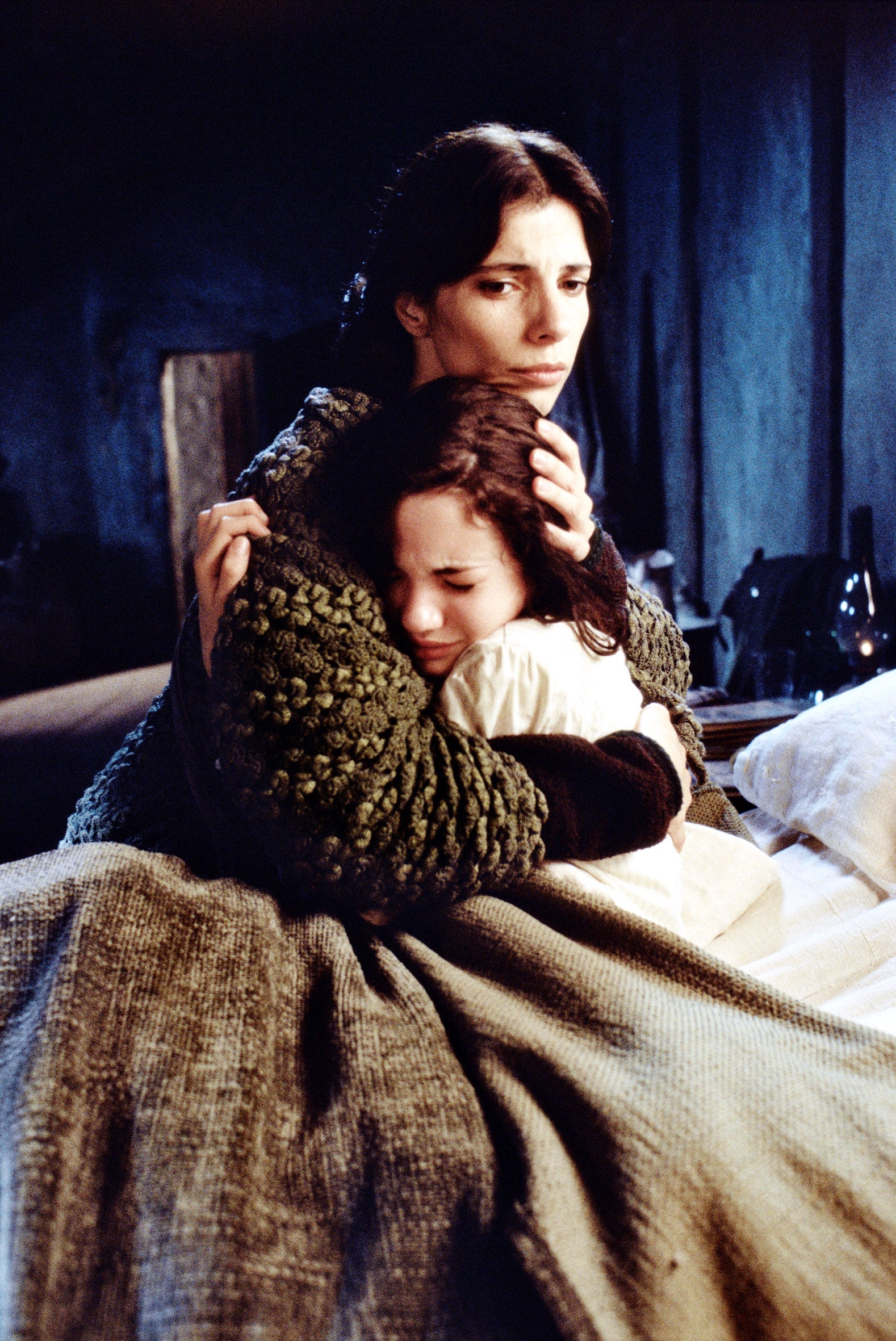
Guillermo del Toro's dark fantasy absolutely stunned me when I was growing up, and I couldn't help but get emotional rewatching it for the first time in years. Ofelia's journey takes us through ALL the emotions of hope, longing, bravery, and fear — making for a truly mind-blowing one hour and 58 minutes.

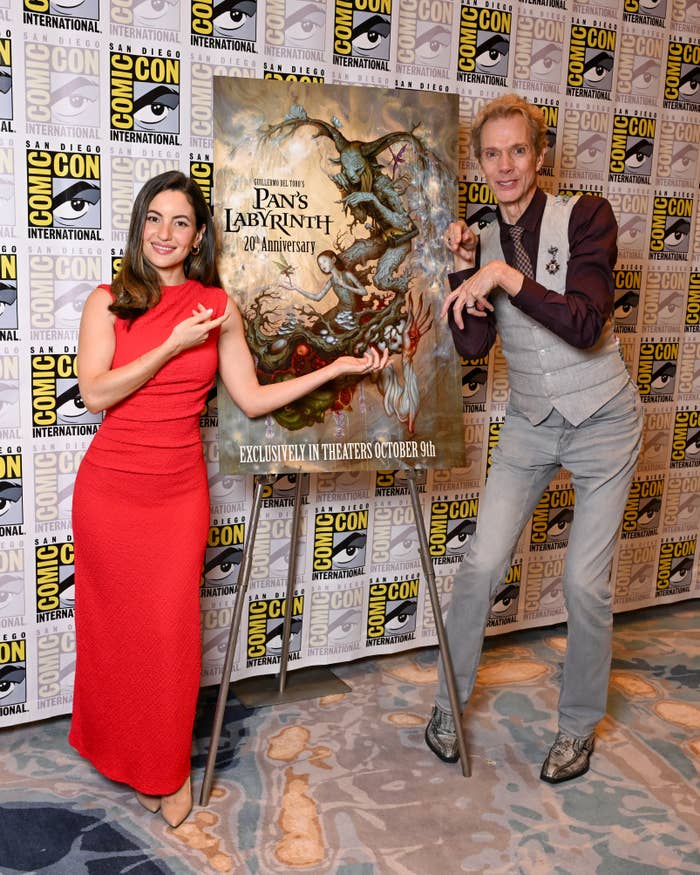
Pictured: Ivana Baquero and Doug Jones at the 2026 San Diego Comic-Con.

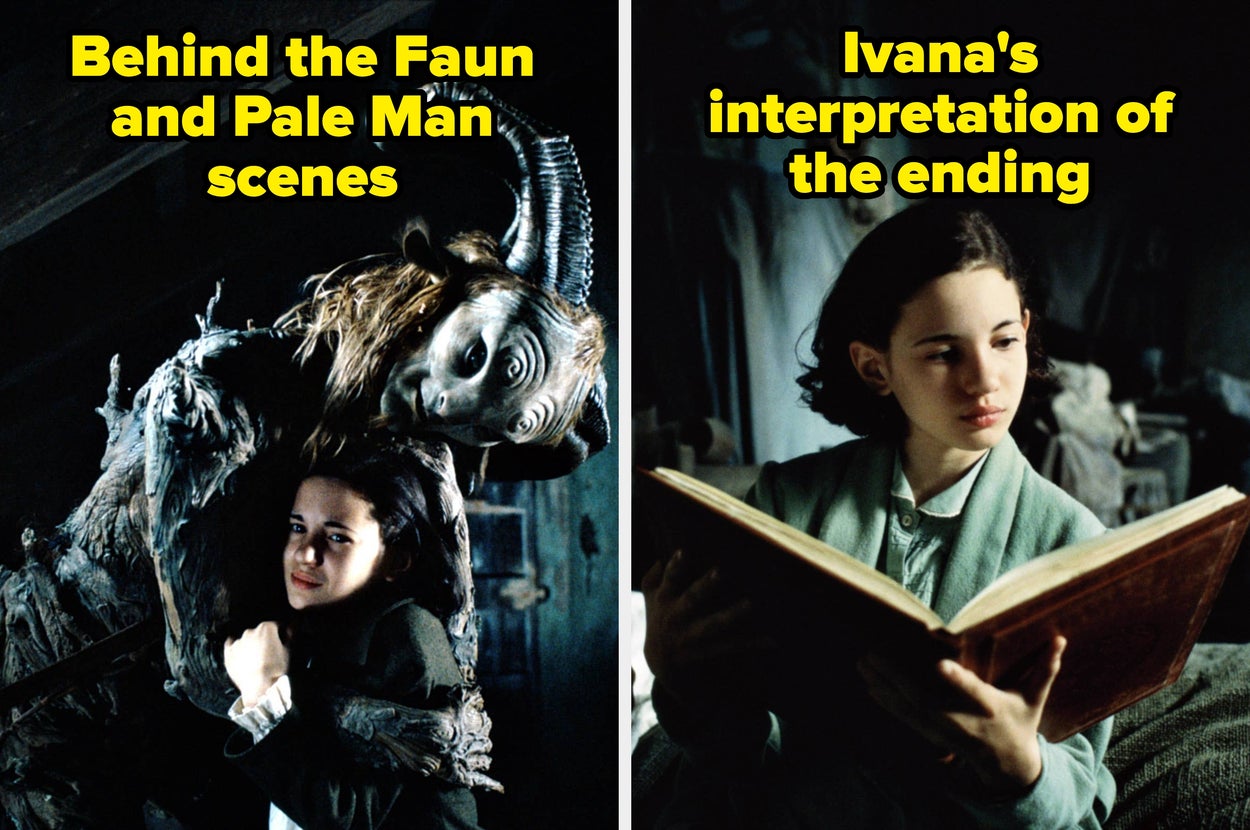
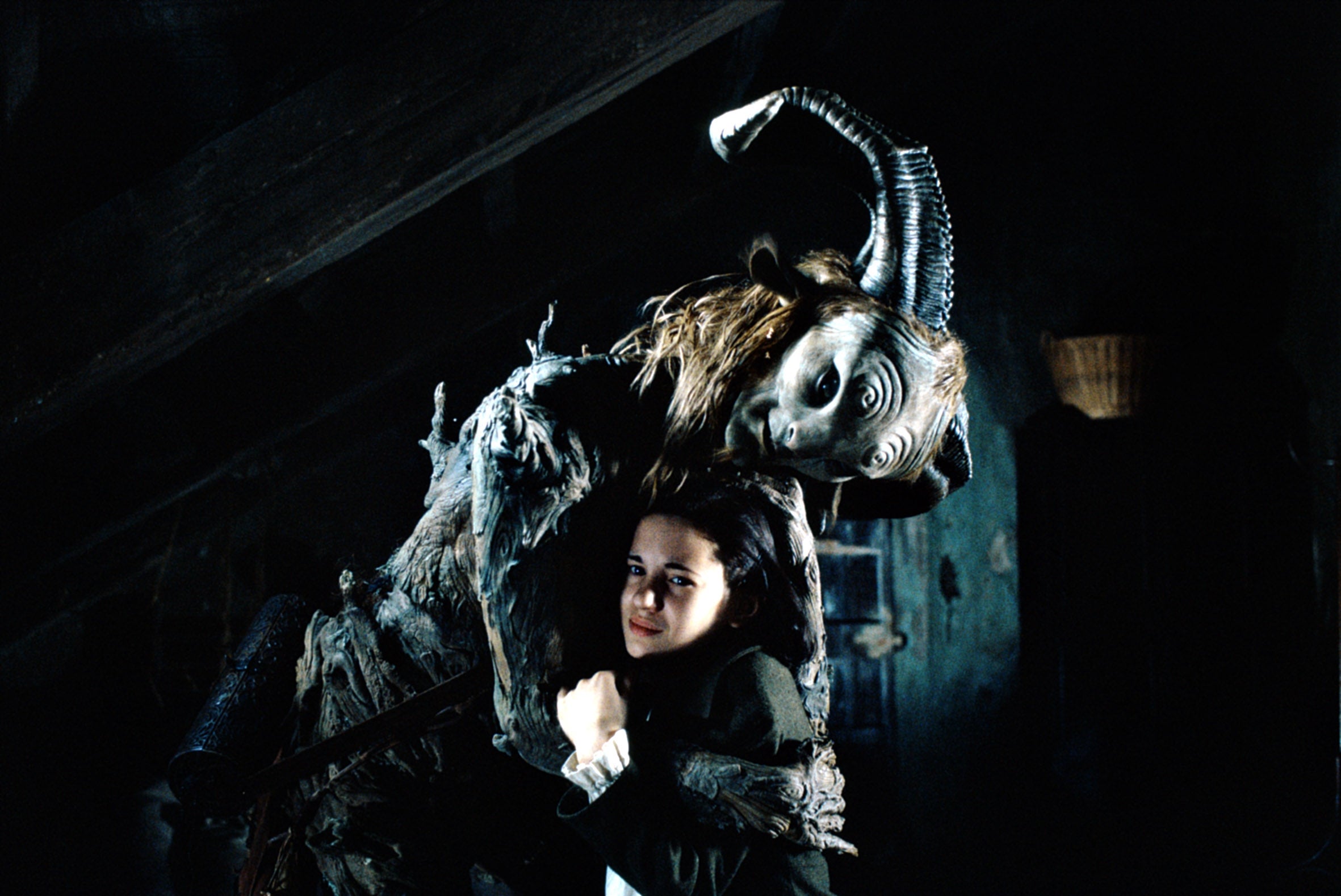
Much of Pan's Labyrinth's magic comes from how alive its world feels. The creatures, costumes, sets, and effects make you feel like part of Ofelia's story — and, in the case of a certain scene (you know the one), terrifyingly so.

As Pan's Labyrinth celebrates its 20th anniversary with a theatrical re-release, it was a true honor to speak with Ivana Baquero, who brought Ofelia to life at just 11 years old. Ivana shared incredible behind-the-scenes memories, from her first reactions to Doug Jones's creatures and eating dozens of grapes in the Pale Man's lair to how her interpretation of its mysterious ending has evolved.

Note: This interview has been edited for length and clarity.

Ivana: First, thank you for your kind words about the film. I am very excited to share the movie again after 20 years, and I hope you go watch the re-release in 3D.

My audition process for Ofelia was pretty straightforward. I had a manager back then because I'd already been working as a child actor. I went through the normal route, and the final stage was with [director] Guillermo [Del Toro]. I remember feeling the pressure, realizing the importance of this role.

At the final round, I apparently had the wrong sides [script excerpts]. They asked me, "Do you think you can memorize and study these sides in 10 minutes and then come back into the room with Guillermo?" A lot was going on, but everything went really well, and Guillermo offered me the part right after the audition. It was a very informative experience for me.

From there, it was quite intense because Guillermo was adamant about rehearsing, which I've carried into my work as an actor. We did a lot of prep, diving into the character and understanding where she comes from.

We would start with Ofelia in the middle of a page and dive into different facets of her life, her family, and her background. It was a really lovely process, and I learned so much — even just from the pre-production, before shooting the movie.

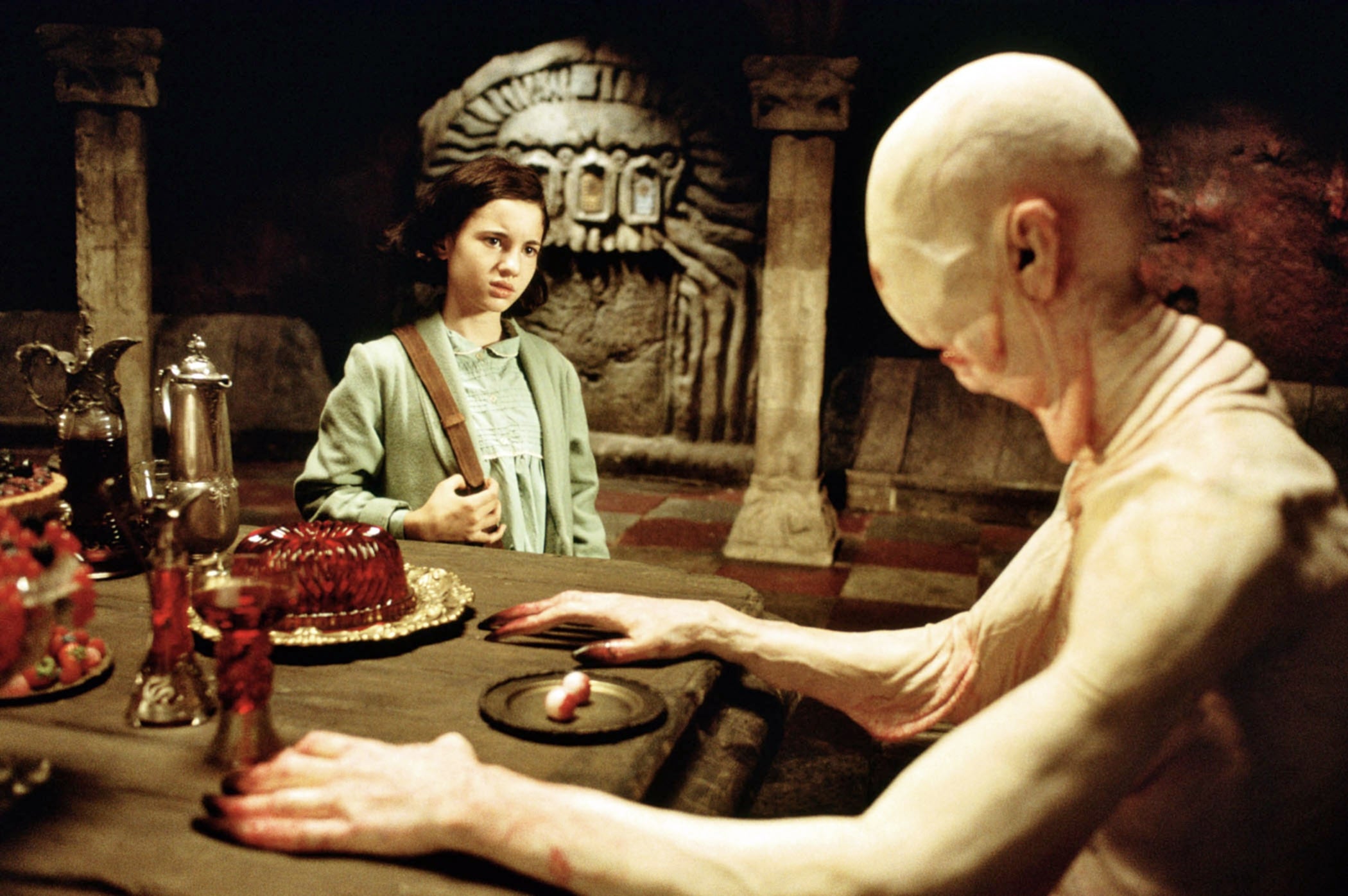
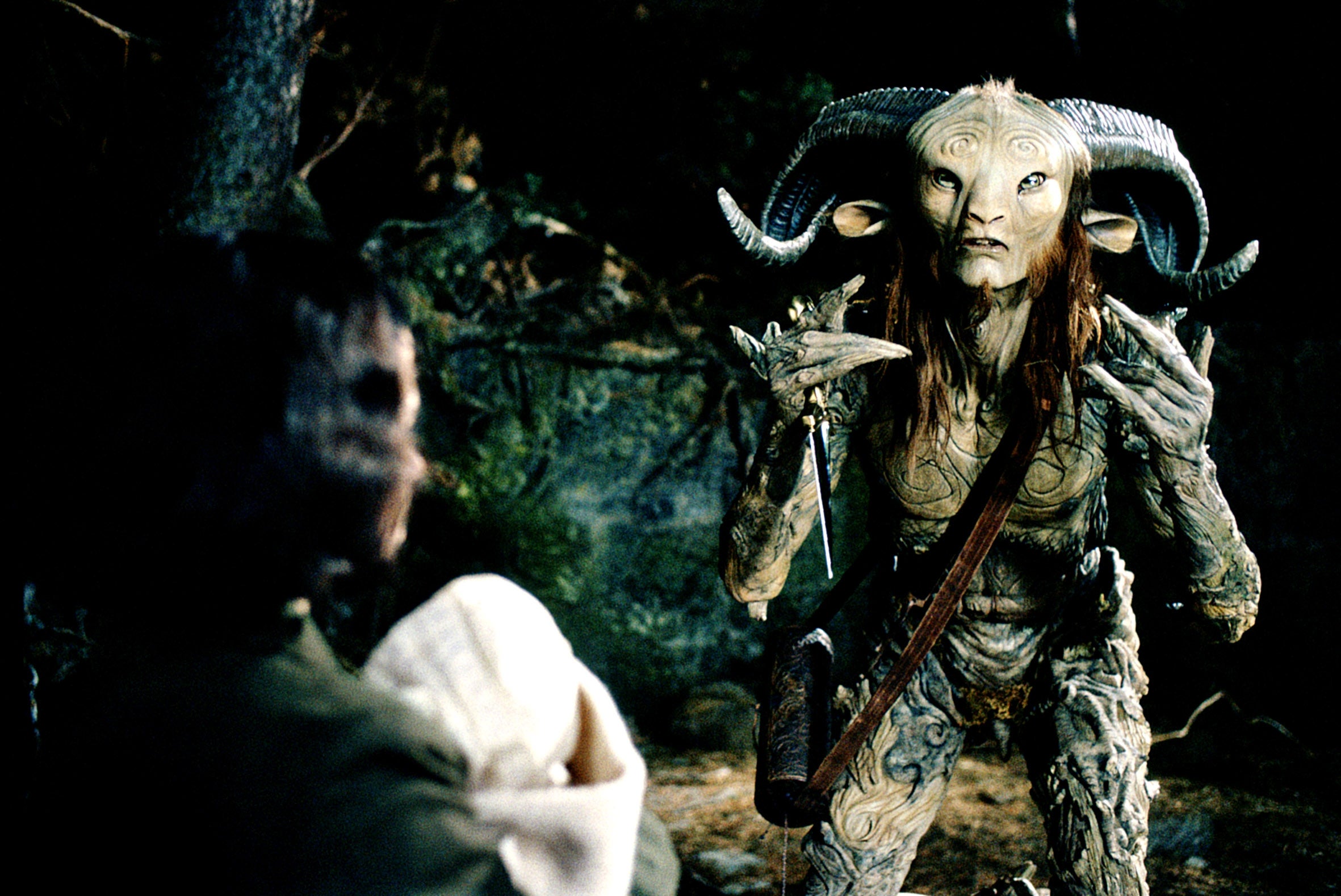
Ivana: Every time I stepped on the set and saw, for example, Doug [Jones] and one of his characters for the first time, be it the Pale Man or the Faun, the magic would hit me. I would feel so intimidated by everything that was going on with the costumes and the set.

Then, the minute we started chatting and all warmed up, it was very obvious that we were on a set, and the magic kind of disappeared behind the scenes.

But I would try to latch onto those moments, those very first few seconds of impact every day, so that when I was playing Ofelia, I could remember and feel what it was like to interact with these creatures.

It was a very interesting process for me as a kid.

Ivana: That was fun! I learned a lot about movie magic because when we were shooting that scene, that set was pretty small.

The hallway in which I'm running, which seems endless and endless — like, Is she ever gonna get to the other side? Is she ever gonna get to the door? — was just a little piece of a hallway. But the way they shot it made it look so much longer.

Every time I turned a corner, I would be going back to the same spot where we began. When we were shooting it, I was thinking, This is pretty tiny! Then I watched the movie and remember thinking, Oh, okay, I see the trick now.

Doug is truly the sweetest man. Seeing him as the Pale Man for the first time was very intimidating. But the minute we started hanging out, going over lines, and rehearsing, his personality would come through. It would immediately break the ice.

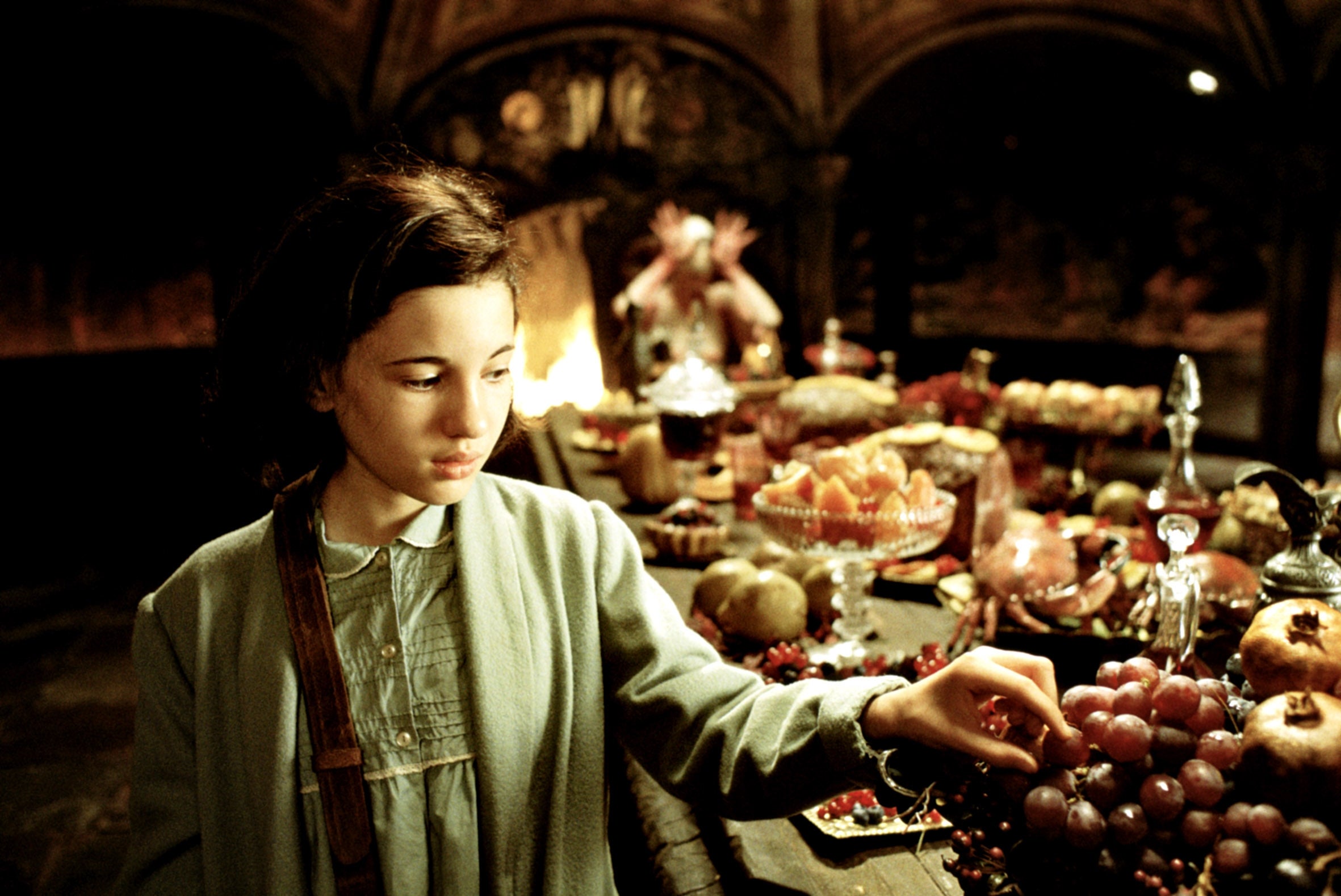
Ivana: They were so good. I think I ate like 80 grapes, so I was too full to have lunch that day. It was a very technical scene, too. The fairies were CGI, so they had to make sure that the fairy pulling the grape worked well.

They would keep checking the monitor and testing, so I ate many, many grapes!

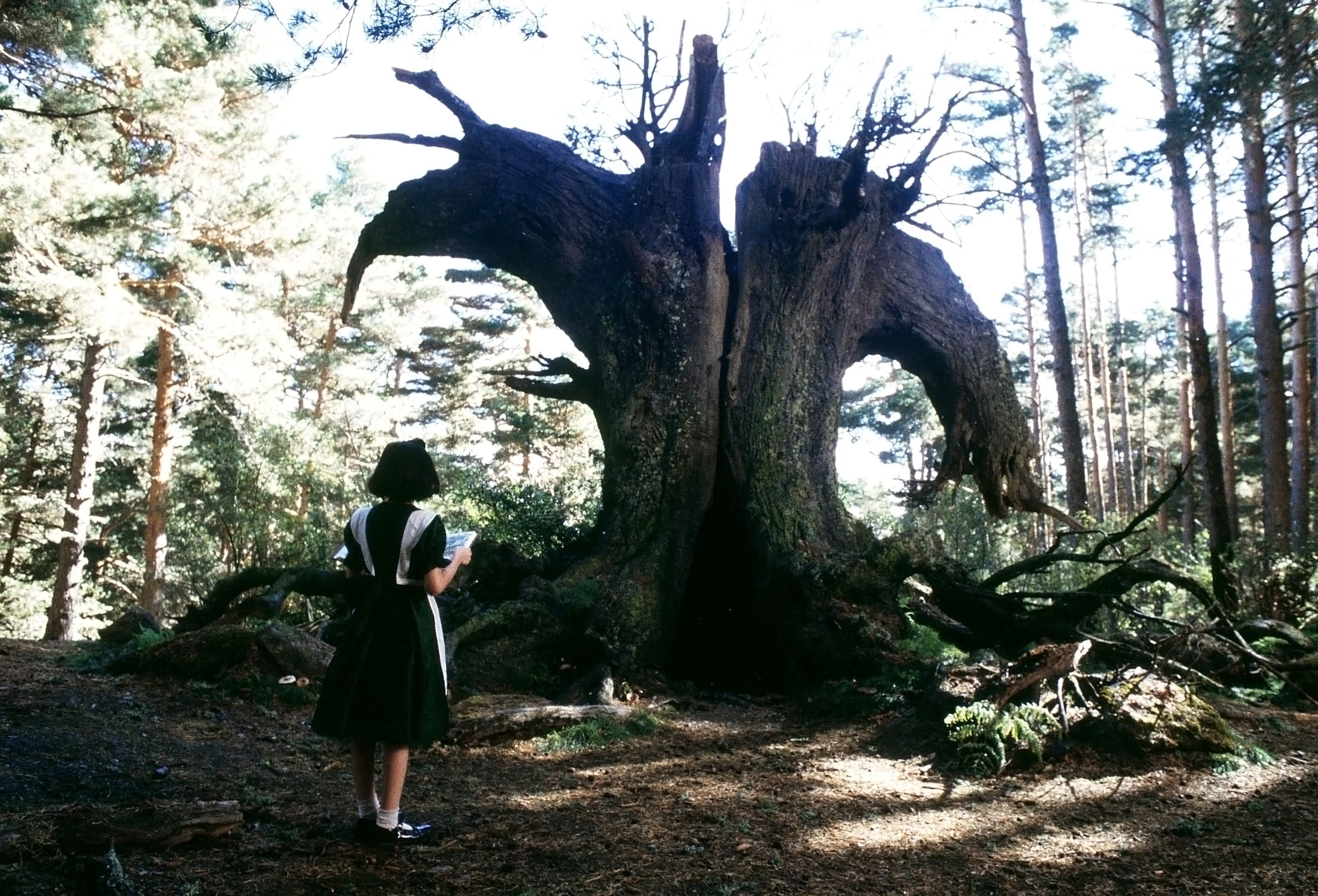
Ivana: The frog scene was divided into two parts. We did the interior, which was the toad in the tunnel, and that was pretty straightforward. I had to crawl a lot, and I remember wearing knee pads and elbow pads. Sometimes we had to stop, and I had to take breaks because we shot that for at least an entire day, if not more.

For the exterior shots coming out of the tree, we were shooting on location in the Sierra of Madrid, which is basically the mountains. I can't quite remember the exact month, but it was very cold, and I was full of mud. I was freezing, and they had to be really careful about putting any kind of blanket around me because they had to keep continuity with all the mud on my body. They couldn't be rubbing it off.

I was so cold that they brought a portable shower to the set. That way, I could finish the day and immediately have a warm shower, as opposed to walking all the way back down through the woods first.

(Laughs) I will always remember that day — it's the coldest I've ever been!

Ivana: Working with Maribel was so wonderful. We still keep in touch, and she's such an amazing performer.

What I find really interesting about Pan's Labyrinth is that Guillermo, for the most part, cast against type. So, for Maribel, I remember this role was out of her comfort zone. For instance, Sergi López, Captain Vidal, was mostly a comedic actor. He's the funniest and sweetest guy. He had to lower the pitch of his voice, and they really worked on making that character very believable and very intimidating.

Everyone was super professional and had to work fast because we had very limited time. But I remember that working with Maribel was always really sweet, and she was always very caring.

One of the things we did to bond was that I taught her English on the side. Now, in hindsight, it was really cute. I took it very seriously, and I would be reading books to her off set. She really spent time with me, and I remember it very dearly.

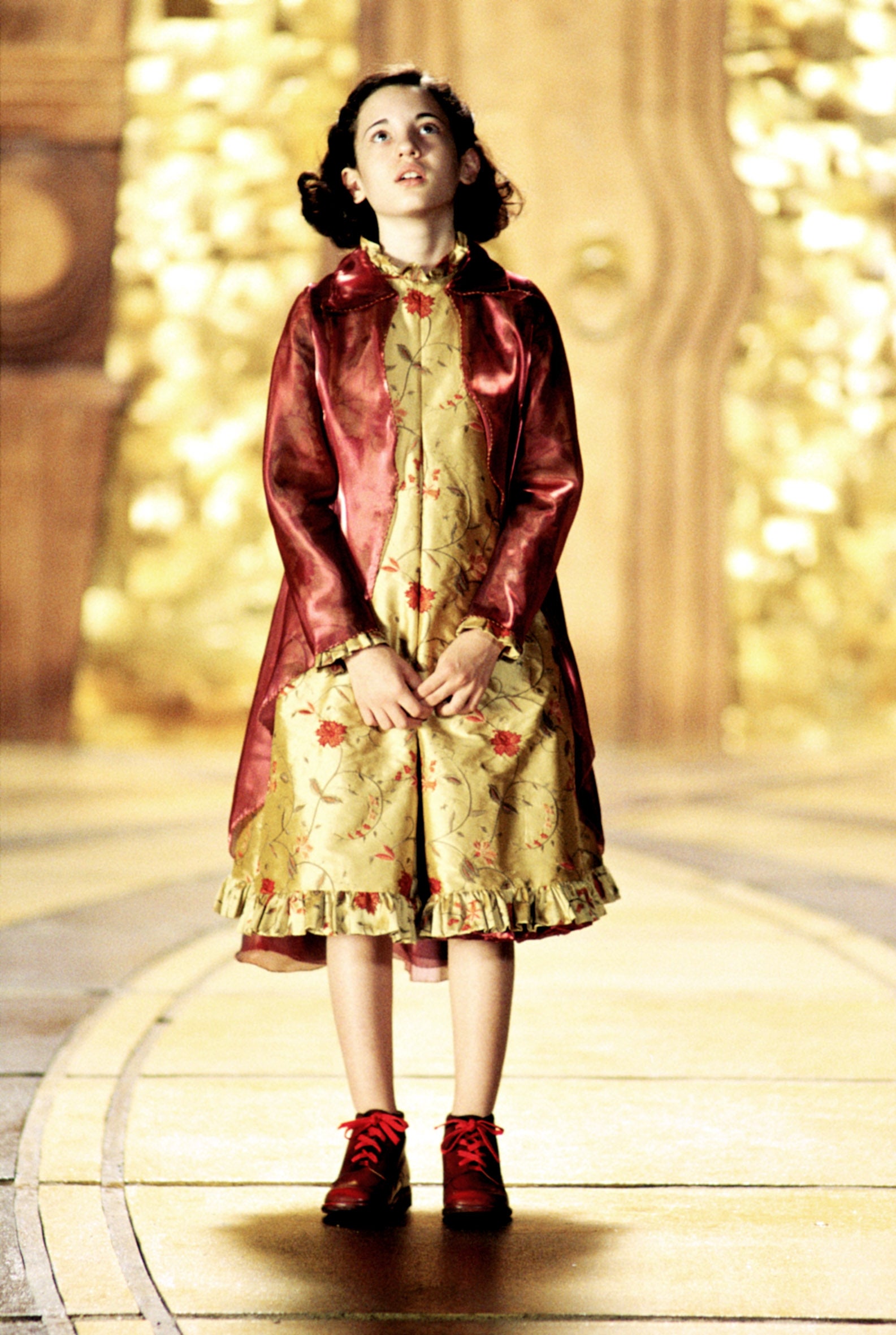
Ivana: I got to keep a clean version of the green dress that gets all muddy and ruined. I got to keep a few dresses: that green one and another green one that was simpler. I also have Ofelia's red shoes from the end, and I think I took a dagger, too. It's a bit fuzzy because I've taken multiple daggers from multiple projects. (Laughs) There always seems to be a dagger around!

I wasn't able to take a lot because they wanted to conserve and keep most of it. We're all so glad that they did because now a lot of these pieces are shown in different museums and exhibits, which is so flattering and so amazing that people get to see them.

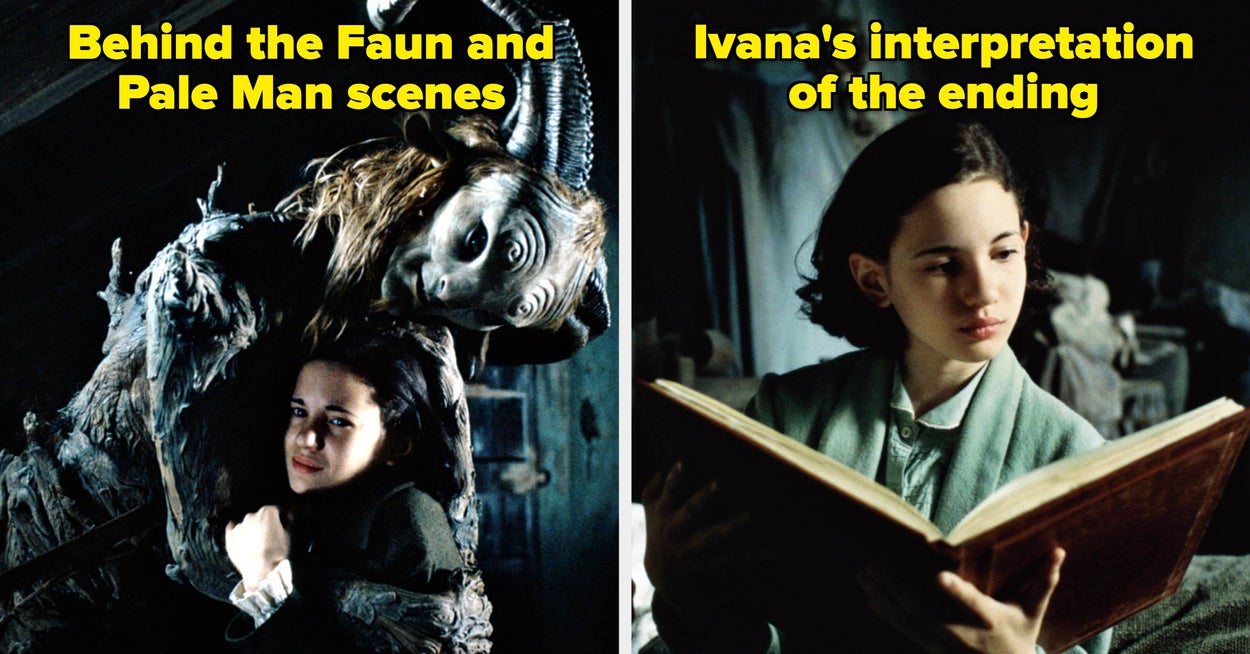
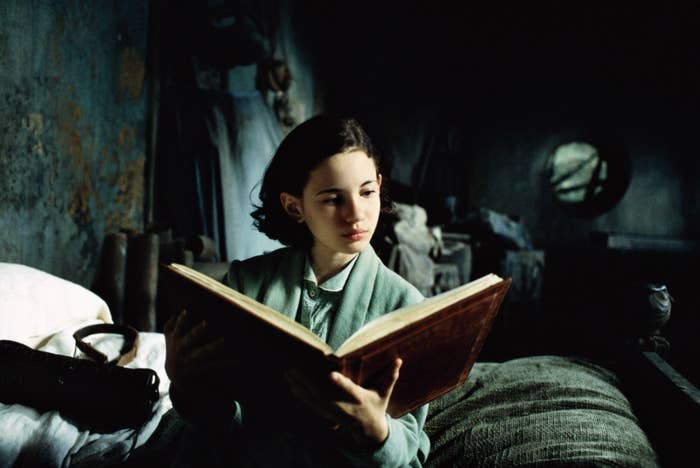
Ivana: I remember when I was shooting it, I was very much a believer that Ofelia was indeed going into this better world. In a way, I felt that brought comfort, and it justified the strength it took to drive that story. The endgame was fulfilled for her. It made the journey all the more beautiful, and I was very adamant about that.

As I got older, I thought, No, this was a coping mechanism. This was a way for her to evade the world that she was living in. Surely it can't be real.

Now, as an adult, I am actually going back to the belief that it was real — even if it's in a spiritual way — but I feel that she really does go there.

It's interesting how it's been ever-evolving. Every time I watch the movie, I discover something new, and my whole perspective changes, not just on the ending, but on the film as a whole.

That's one of the beautiful things about the movie, and I think that's why it holds up so well. There are so many interpretations, and it's so relevant at any point in time, that it still talks to people.

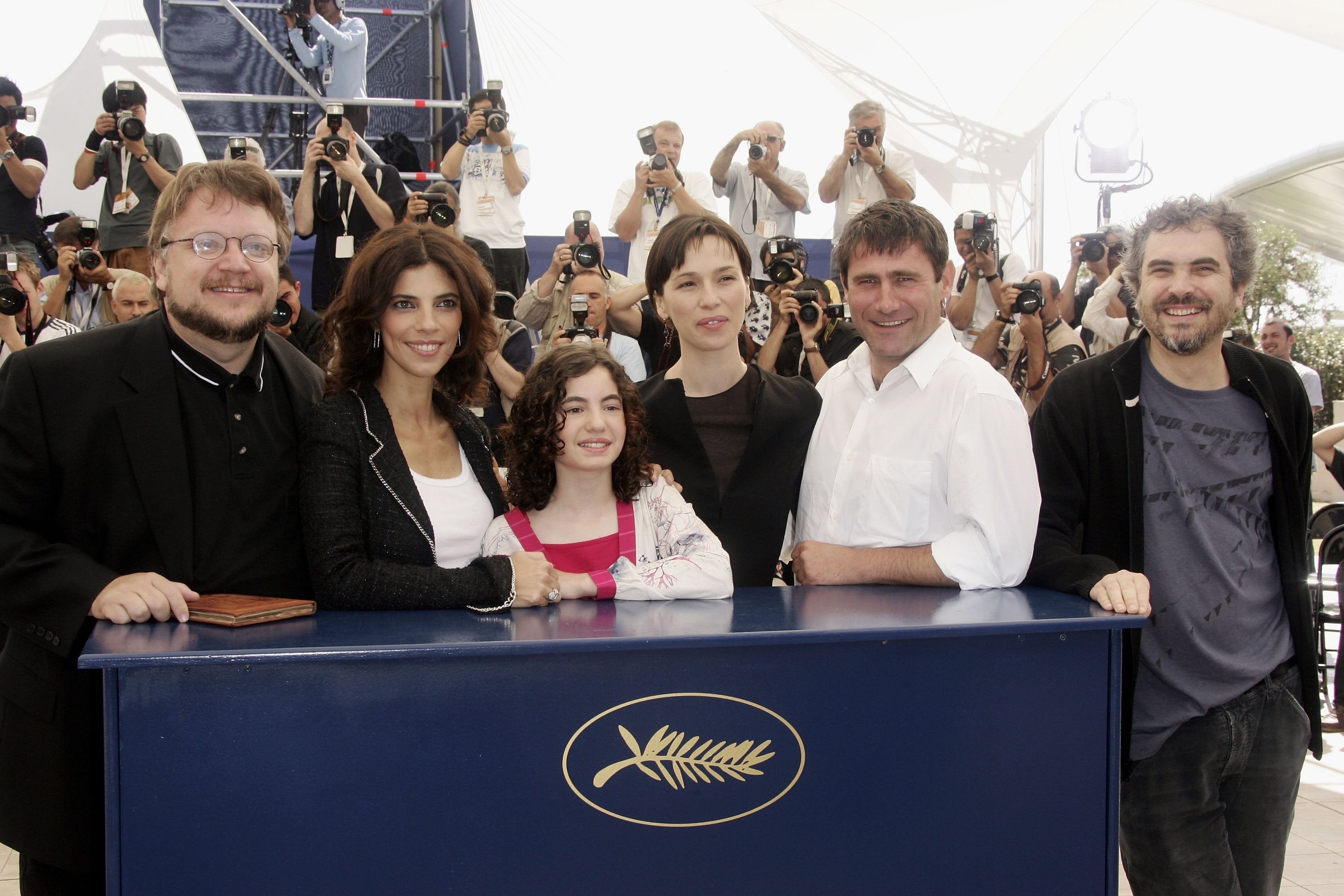
(From L-R: Guillermo del Toro, Maribel Verdu, Ivana Baquero, Ariadna Gil, Sergi López and Alfonso Cuarón, 2006).

Ivana: I find myself looking back and drawing inspiration from my younger self. It's beautiful because it makes me really appreciate the journey and be grateful to be where I am. I realize that it's all been a work in progress.

It's everything we do that brings us to where we are. Some things we're more proud of, some things we're less proud of, but it’s all been part of the journey. I’m grateful for that kid who worked so hard to get me where I am.

Ivana: When we were shooting it, we knew we were doing something special. But never in a million years would we have imagined that it would become the cult movie that it is today.

It was a smaller movie, all things considered, and the reception was amazing. We did really well when it came out, and we got so many accolades.

Then we realized, in that process, how truly special it was and how it spoke to so many people. Even back then, when movies with subtitles weren't that commercial, it was surprising how widely Pan's Labyrinth was embraced in the United States.

I think now, in its 20th year, I'm really starting to understand that it's a movie for the ages. It's important to cinema, it talks about important things, and it's special to so many people.

It's something that I am now processing in a new way.

Keep up with Ivana on Instagram, @ivanabaquero.
Comments
You must be logged in to comment.