yahoo Press
How fake online Jane Doe identities became a tactic to protect the plaintiff in the Cornell rape case
Images
1 / 9

2 / 9

3 / 9

4 / 9
5 / 9
6 / 9
7 / 9

8 / 9

9 / 9
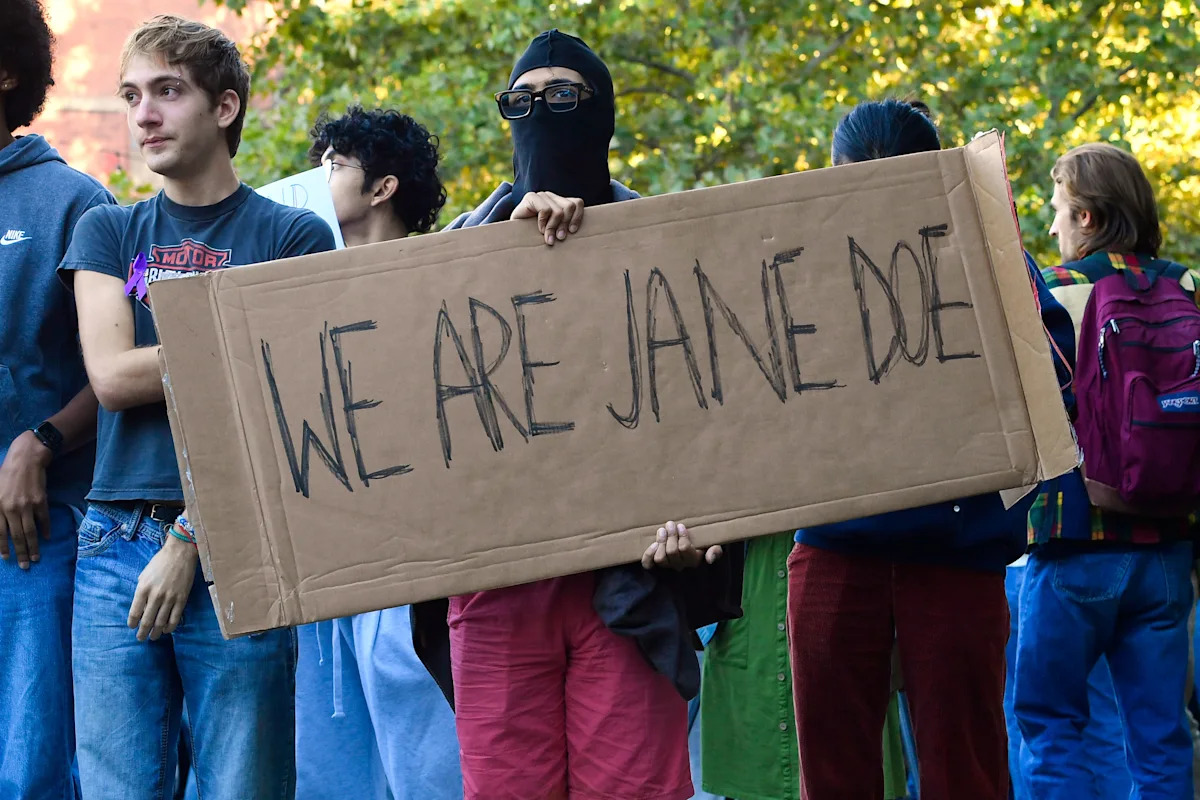
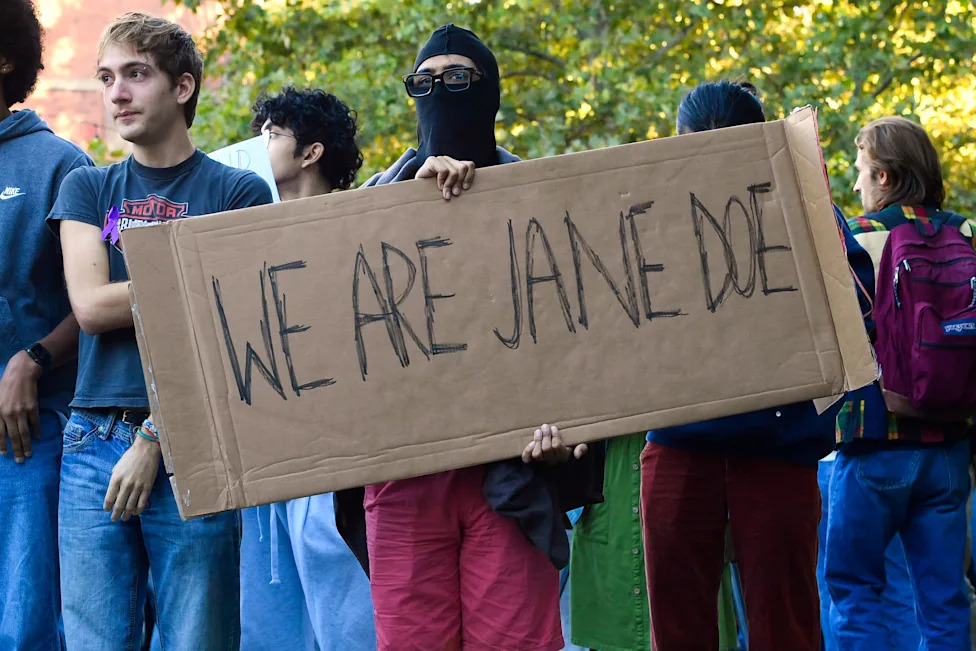
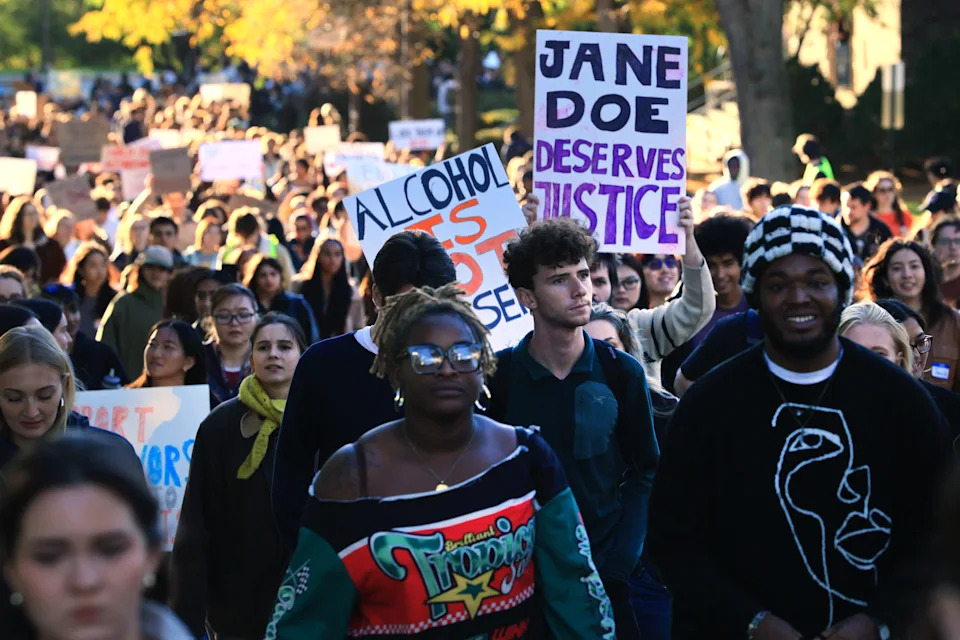
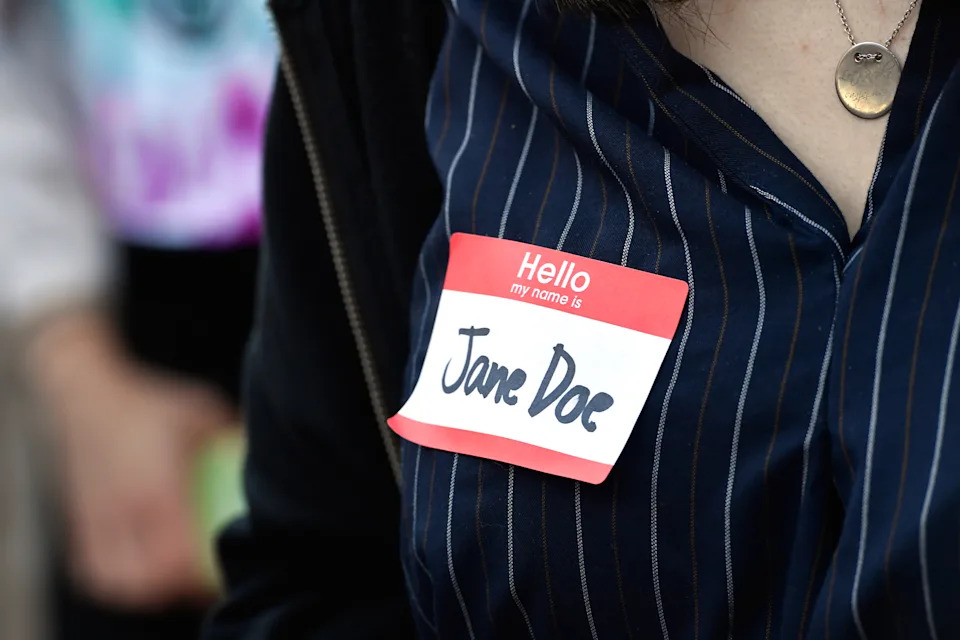
Supporters have launched an online campaign in recent weeks aimed at protecting the identity of a woman, identified as "Jane Doe," who alleges in a civil lawsuit that she was drugged and raped by multiple members of a Cornell University fraternity in 2024. Jane Doe's lawyer says that the ex-Cornell student has received "multiple threats" in recent days aimed at exposing her real identity. "There are people out there trying to track her down," Thomas Giuffra, who represents Jane Doe, told CNN's State of the Union on Sunday. "They said, 'We're gonna shut you up. You're gonna still get hurt by us. You're gonna pull this lawsuit out or we're gonna do something to hurt you even more.' "The threats, the abuse to protect what's going on, the status quo — these guys are disgusting," Giuffra added. Among those trying to identify Jane Doe is political commentator Michael Tracey, who publicly asked anyone with information about her identity to contact him and said he would publish her name and identifying details. The possibility that Jane Doe's true identity might be revealed mobilized many social media users to post "I am Jane Doe" in an effort to protect the identity of the former Cornell University student. Hundreds of Cornell students participated in a rally about the rape case on Oct. 5 in Ithaca. The goal of the movement is to show solidarity with Jane Doe and to make online searches for the woman's identity less useful by returning a mix of conflicting "Jane Doe" identities. Some TikTok users have been sharing their own experiences with sexual assault and overlaying "I am Jane Doe" text over the video. In a Reddit thread, some users are taking it a step further by deliberately using false identities, including fictional characters or celebrities. "Jane Doe's name? Nunya. Nunya Business," one user commented. "Of course I know the identity of Jane Doe, the plaintiff against Cornell and the Cornell 7. Jane Doe is Robert California," another user wrote, referring to the fictional character from The Office. According to Chirag Shah, a professor at the University of Washington's Information School, the tactic has a name. "Typically, this is a form of information poisoning," Shah told Yahoo. "People do it for different intents to confuse people, to slow them down or to divert them to other things." Shah said this strategy is commonly associated with misinformation campaigns, online scams and efforts to manipulate search results. He said this recent strategy stands out because many participants appear to be motivated to protect the plaintiff's identity. "If the intent here is to protect Jane Doe, which, on the social side of it, is very admirable, on the technical side of it, it's not really possible," Shah said. "But what it ends up doing is creating friction." He explained that while the friction might discourage casual internet sleuths, it's unlikely to conceal someone's identity from those determined to uncover it. "Most people don't have the time, motivation or skills to really investigate," Shah said. "But somebody who really wants to do this, they can cut through this noise." An attendee wears a name tag reading "Jane Doe" during an Oct. 5 protest in Ithaca. The online movement has sparked discussion about whether flooding the internet with false identities could confuse search engines and AI chatbots. Shah said modern systems are designed to combat attempts by bad actors to spread false information. "Because this is not a new phenomenon, the existing search engines, including the chatbots, are designed to counteract a lot of these things," Shah said. "Even if it works, it would only work temporarily." Search engines also increasingly weigh the credibility and reliability of sources rather than simply counting mentions of a claim, he explained. A surge of coordinated posts might temporarily influence results, but Shah said those systems are built to recognize unusual spikes and eventually correct for them. Volume can still matter in specific ways, he added. If "I am Jane Doe" posts are associated with one celebrity's name, it will generate more volume and receive more attention, but it could easily be discredited if the celebrity clearly is not the former Cornell student. "If the intent is to leave people confused, you're better off giving all kinds of [names]," Shah said, comparing it to the "Two Truths and a Lie" game. "If you tell a million lies and one is true, it's much harder to find, and people then just give up. "So that strategy often works." Shah said the campaign itself is fascinating to him because it flips a tactic usually used by bad actors into one being used by people who believe they are protecting someone vulnerable. "All these times I have talked about misinformation and disinformation campaigns, this is the first time it's sort of on this side," Shah said. "If I were ever to look for a good case of a misinformation campaign," he added, "this would be it."
Comments
You must be logged in to comment.