yahoo Press
Gatorade recall: Why more than 122,000 cases were pulled over undeclared dyes — and how to check yours
Images
1 / 7

2 / 7

3 / 7

4 / 7
5 / 7

6 / 7

7 / 7
More than 122,000 cases of Gatorade have been voluntarily recalled because they may contain undeclared food dyes, according to a Food and Drug Administration alert.

The recall affects 28-ounce bottles of four flavors of yellow and orange Gatorade sold in 37 states. They may be colored with synthetic food dyes, Yellow No. 6 and Yellow No. 5, or both, but the labels of the recalled products didn't properly disclose those ingredients.

While both dyes are legal for companies to use in food and beverage products, they have to be declared on labels because, in rare cases, they can cause allergic reactions, including hives, wheezing and asthma attacks.

The recall comes after PepsiCo — which makes Gatorade — announced in April 2025 that it would transition away from synthetic dyes in favor of natural ones. It's part of the company's efforts to comply with U.S. health officials' encouragement for food and beverage companies to stop using artificial coloring.

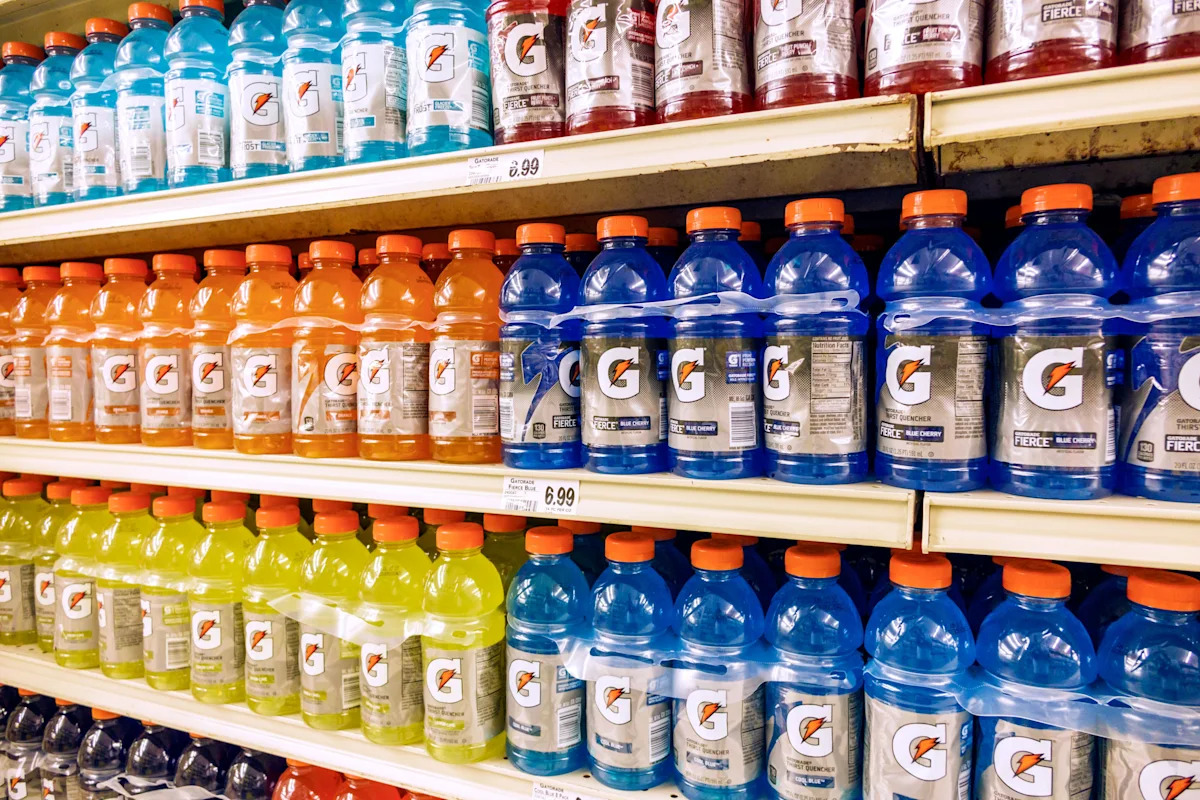
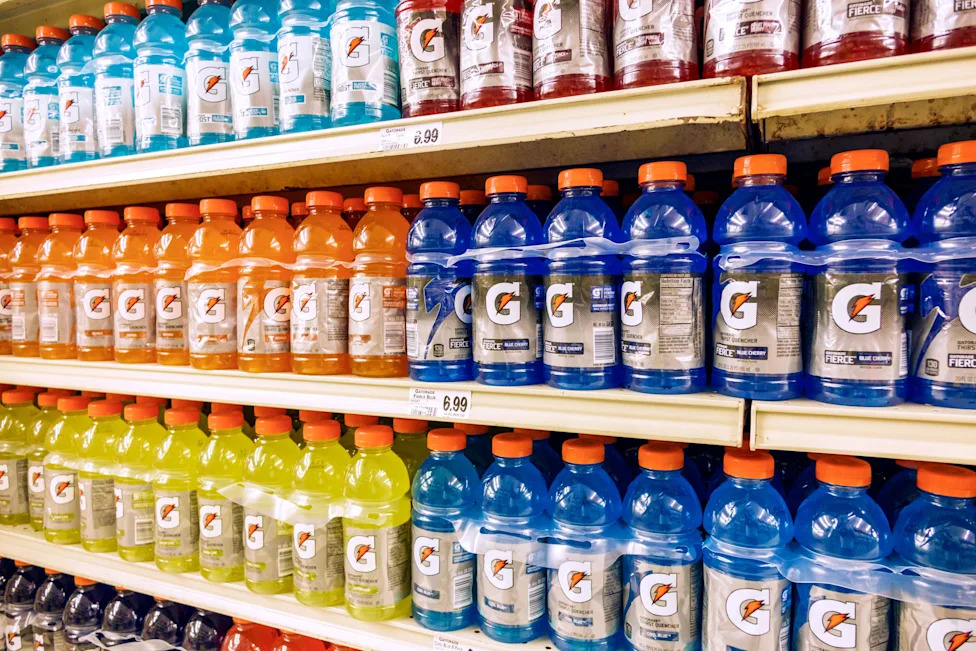
PepsiCo has issued a voluntary recall of cases of Gatorade Lemon Lime, Gatorade Lemon Lime Zero, Gatorade Orange and Gatorade Orange Zero. The products were shipped to more than three dozen states, including Alaska, Georgia, Iowa, North Dakota, New York and Texas.

The recall was initiated on Sept. 25, but — to the frustration of two experts who spoke with Yahoo — wasn't published by the FDA until Oct. 2, when the agency said it was a Class II recall (meaning the products could cause temporary health problems, but the risk of serious health issues is "remote").

Both experts Yahoo spoke with said that, if you or someone in your household has a food dye allergy and recently purchased any of these Gatorade products, you should check the labels against the lot numbers listed in the FDA alert.

Because so many bottles of Gatorade were recalled, "the scale is certainly significant," Thomas Gremillion, director of food policy at the Consumer Federation of America, told Yahoo. The good news is that allergies to food additives in general, and food dyes in particular, are exceedingly rare. Still, these dyes have to be disclosed because they can cause severe reactions, including, in at least a few cases, anaphylaxis. "The kind of issues this can cause — hives, breathing issues, swelling of the throat or tongue — this could be quite serious," Teresa Murray, consumer watchdog director at the Public Interest Research Group (PIRG), told Yahoo.

To prevent these reactions, companies are required to declare potential allergens on their product packaging.

The labels for bottles of Lemon Lime Gatorade, for example, do typically list "Yellow 5" as one of the ingredients. A spokesperson for PepsiCo told Yahoo that the recall was due to a labeling issue, not to the ingredients in the products themselves. "These food dyes are permitted, [companies] just have to disclose them — so just do it!" Murray said.

No health problems related to the recalled bottles of Gatorade have been reported. And, Murray adds that "because it's reasonable to assume that the yellow and orange Gatorades have included this dye for a long time, it's also reasonable to think that you don't have people buying this that are allergic to it."

In 2025, the FDA banned Red Dye No. 3 and has since revoked authorization for a rarely used orange dye. The agency has also proposed banning another outdated additive, Citrus Red No. 2, and is working with food and beverage manufacturers to phase out all artificial food dyes.

Synthetic food dyes are made from petroleum, and some studies have linked Red Dye No. 3 to increased cancer risk in rats. Other research suggests that kids — especially those with ADHD — who consume a lot of artificial food coloring, including Yellow No. 5 and Yellow No. 6, may be at greater risk for behavioral issues.

Concerns over cancer and attention disorders are among U.S. health officials' motivations for urging companies to stop using artificial dyes. Yellow colorings are not currently banned, so the recall is not directly related to the new restrictions or calls for companies to voluntarily eliminate the dyes from their products. PepsiCo is in the midst of voluntarily swapping petroleum-based dyes for natural coloring, and introduced artificial flavor- and color-free versions of its Doritos and Cheetos in December. But it's unclear where Gatorade products are in the transition process. "It's certainly intriguing that they've said they're going to phase out these artificial dyes," and now there's a recall related to one, says Gremillion.
Comments
You must be logged in to comment.