buzzfeed Press
“I Hate That Dude”: These Are The Most Hated Actors Among Actors In Hollywood
Images
1 / 20
2 / 20

3 / 20
4 / 20
5 / 20
6 / 20
7 / 20
8 / 20
9 / 20
10 / 20
11 / 20
12 / 20
13 / 20
14 / 20
15 / 20
16 / 20
17 / 20
18 / 20

19 / 20
20 / 20
I'm an Editorial Director at BuzzFeed who covers the internet’s funniest photos and jokes, weird human history, movie facts, and more.

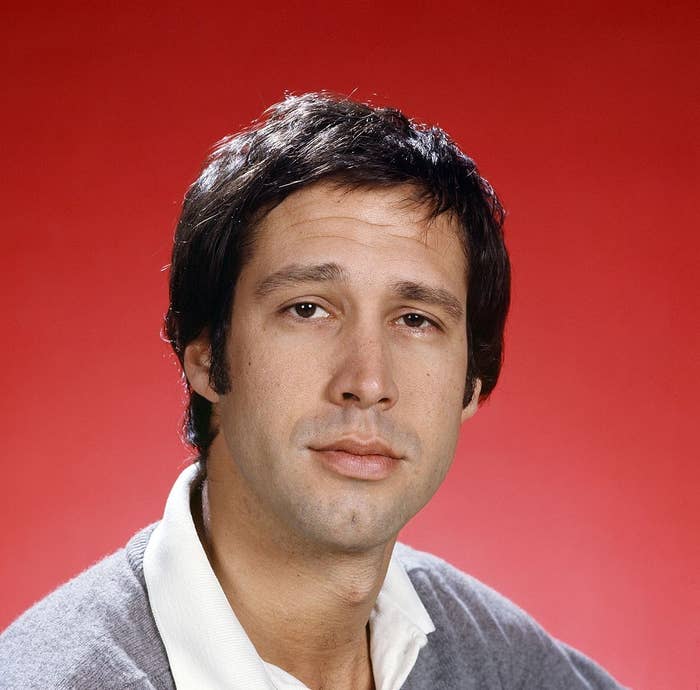
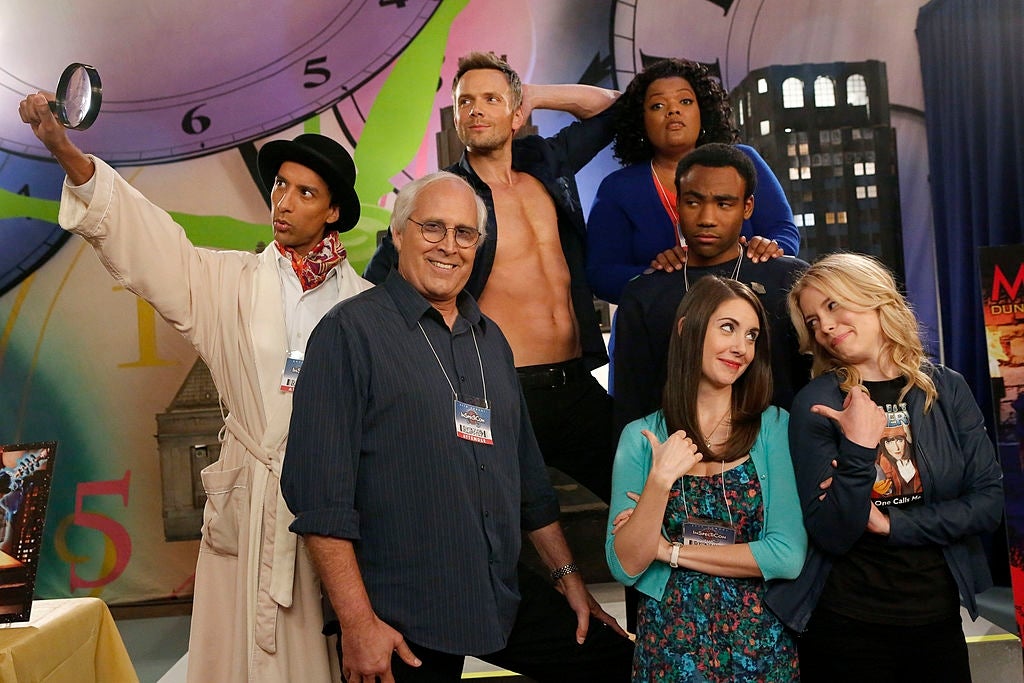
Then, in 1989, Chris Columbus — who would go on to direct Home Alone, Mrs. Doubtfire, and the first two Harry Potter movies — was originally hired to direct National Lampoon’s Christmas Vacation. But after just two meetings with Chase, Columbus quit before filming began. He later said, “I realized I couldn’t work with the guy,” and recalled leaving their second meeting thinking, “He’s not engaged. He’s treating me like shit. I don’t need this.” Columbus has said he badly needed the job at the time, which makes his decision to walk away even more striking.

Joel McHale has also talked openly about how bizarrely physical his relationship with Chase could get on Community. McHale said the two got into physical confrontations “multiple times,” with pushing and shoving escalating into what he jokingly called “advanced horseplay.” McHale said Chase would sometimes actually want to fight him. During one boxing scene, Chase kept needling McHale to hit him harder — at one point telling him not to hit “like a pussy” — until McHale finally connected with a hard punch and separated Chase’s shoulder. McHale later devoted part of his memoir to, as he put it, “how to fight Chevy Chase.”

Pete Davidson was even less diplomatic. After Chase publicly trashed the modern incarnation of Saturday Night Live in 2018 — calling Will Ferrell “just not funny,” and saying of Eddie Murphy’s Stevie Wonder impression, “It’s not that hard, for Christ’s sake. Your skin’s the same color. You just put on some sunglasses and do this” — Davidson called Chase “a f---ing douchebag,” “a genuinely bad, racist person,” and said, “I hate that dude.” He then went after Chase’s post-’80s career: “He had a really big career and then it stopped because everybody realized he’s a jerkoff.” Davidson was especially angry that Chase was attacking the show and Lorne Michaels, saying, “No matter how big you get, you can’t forget, like, what that guy did for you.”

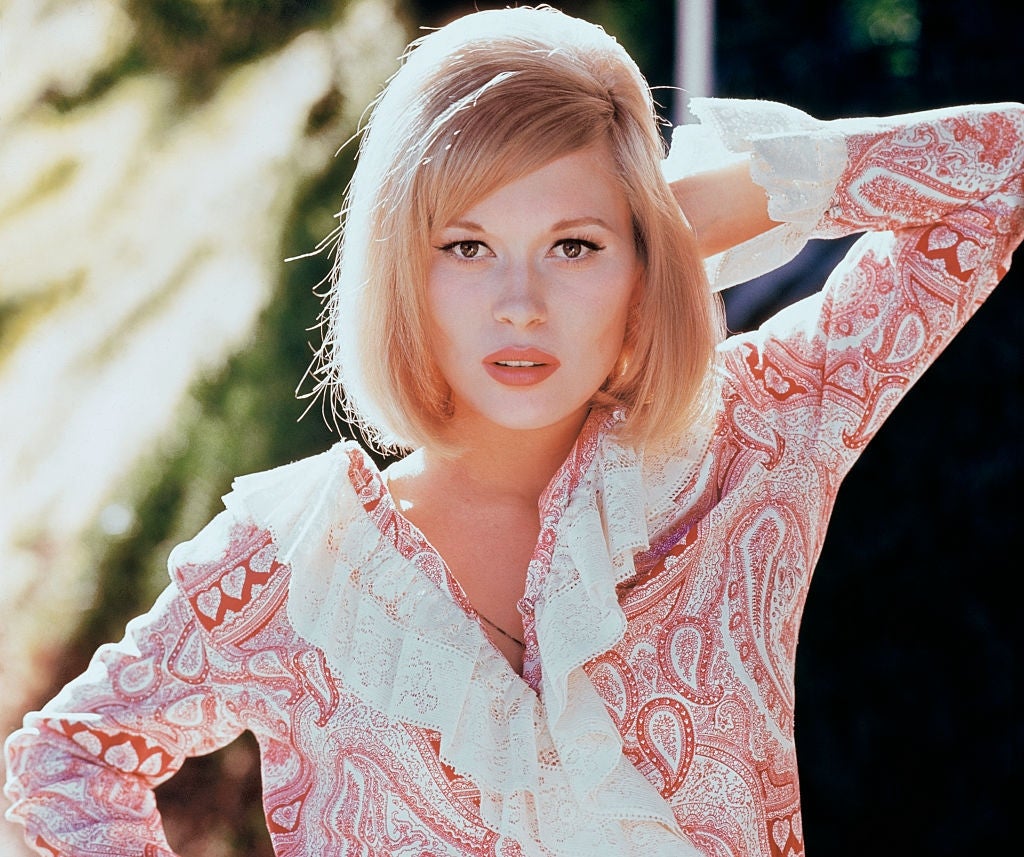
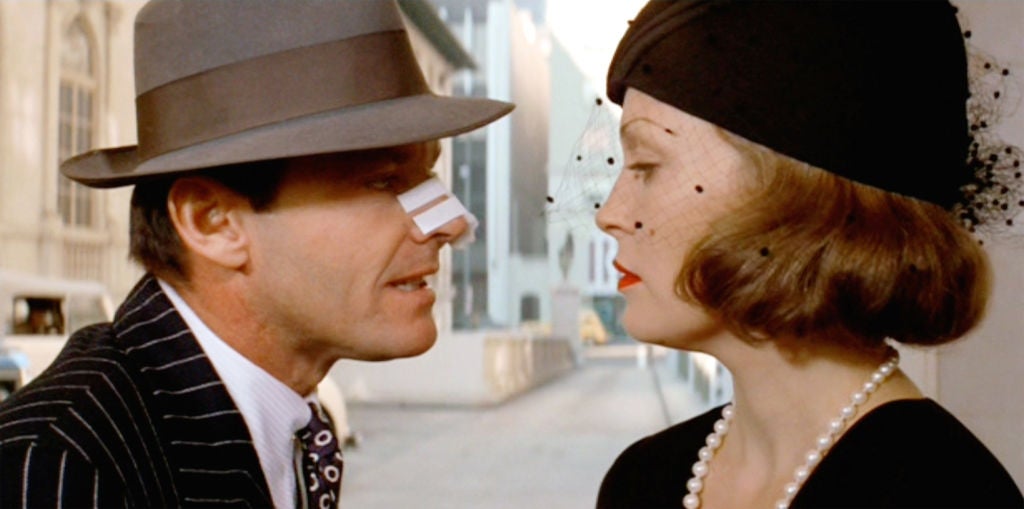
Davis went after Dunaway again in her book This 'N' That, saying that in her entire career she'd only criticized two actresses (the other being Miriam Hopkins) and said Dunaway's "name is most appropriate. Several times I wished I could have 'Dun-away' with her.")

James Woods, who was also in The Disappearance of Aimee, apparently agreed. He recalled that Dunaway “threw something at me because I ad-libbed a line,” then added, “She was just so rude. If Bette Davis can be nice to people, Faye Dunaway ought to be buying them limousines as presents.”

Then there’s Mommie Dearest. Co-star Rutanya Alda, who played the assistant character to Dunaway’s Joan Crawford, said, “My first day on the set, she slapped me. Instead of doing a stage slap, she slapped me on the cheek, hard and for real.”

Lastly, singer Jill Sobule (“I Kissed a Girl") was an extra on the Denver, Colorado set of The Disappearance of Aimee, and had quite the experience: "Faye Dunaway was hours late and we were all waiting for her, sweating through our costumes on the hottest day of the summer in an un-air-conditioned church. [When she] finally arrived, she was in the foulest mood and didn’t know her lines. She yelled at people and huffed off the set . . . It was like something out of Valley of the Dolls.”

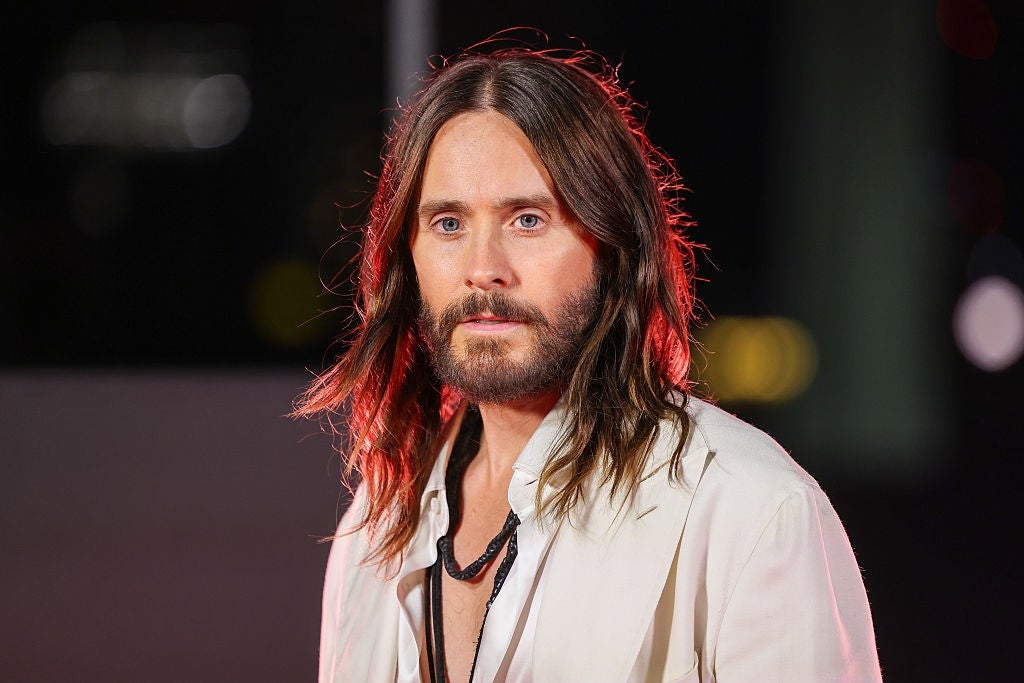
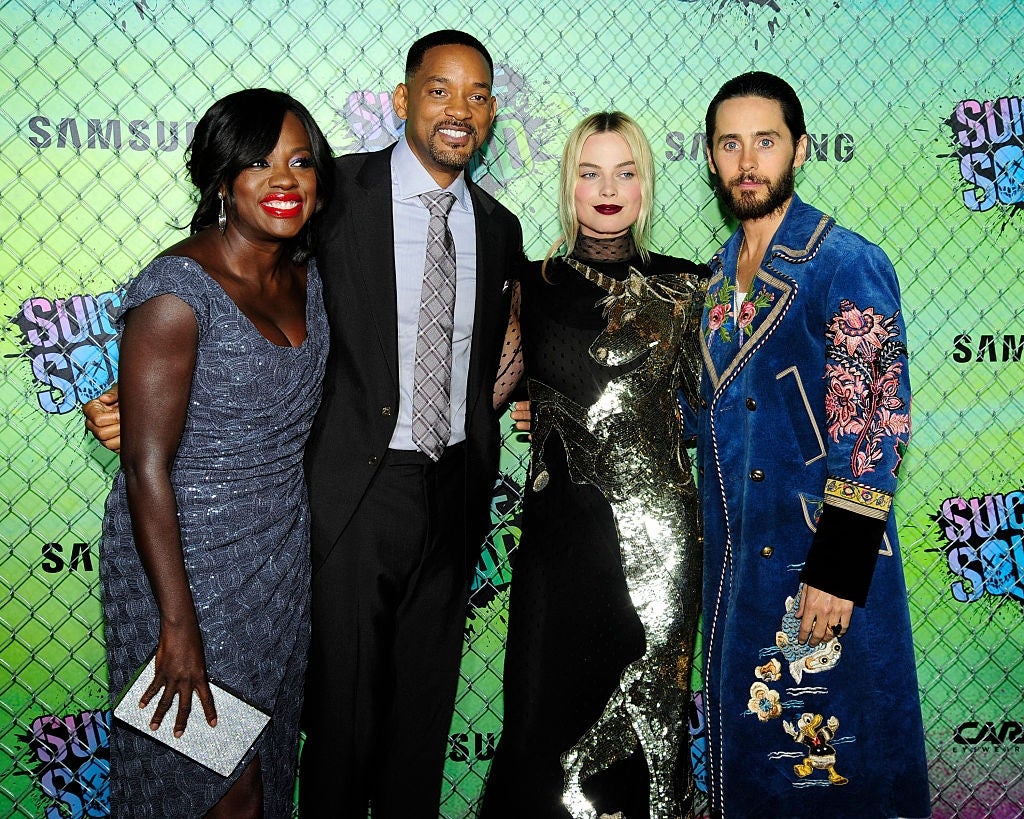
Co-star Adam Beach said Leto sent Margot Robbie a love letter and a black box containing a live rat. Robbie screamed when she opened it — and then, remarkably, kept the rat as a pet. Will Smith watched Robbie open the box and joked, “I was playing Deadshot, but if I had pearls on I would have clutched them.”

Smith also said that despite working with Leto for six months, “I’ve never actually met Jared Leto.” That's because Leto remained the Joker whenever they interacted. “We’ve never said ‘Hello,’” Smith said. “I’ve only spoken to him as Deadshot and him as the Joker.” Major eye roll. (Can you tell I'm not a fan of method acting?)

For the record, Leto has pushed back on this rat story — sort of. In a 2021 GQ interview he said, "I never gave Margot Robbie a dead rat. That's just not true," adding that he'd actually brought her vegan cinnamon buns from a place in Toronto. Of course, Robbie never said the rat was dead. And Leto didn't address the pig, the condoms, or the anal beads at all.

The reputation followed him to Morbius. Because his character initially has a debilitating illness, Leto reportedly insisted on using crutches even between takes. Director Daniel Espinosa confirmed that Leto’s commitment became so impractical that bathroom trips could take around 45 minutes, and production eventually worked out a compromise: they would push him to the bathroom in a wheelchair so everyone wouldn’t have to wait as long. Co-star Adria Arjona said his hunched posture was so extreme that “I remember fearing for this guy’s spine. There should have been a physical therapist on call.” I guess no one said, "Bro, relax. You're making Morbius."

This wasn’t entirely new behavior. After making Requiem for a Dream, Leto publicly apologized to co-star Jennifer Connelly for his behavior during the shoot, although neither of them has publicly specified exactly what he did. He did say he'd lived on the streets in New York while preparing to play a heroin addict and stayed deep in the character throughout production, so ¯\_(ツ)_/¯

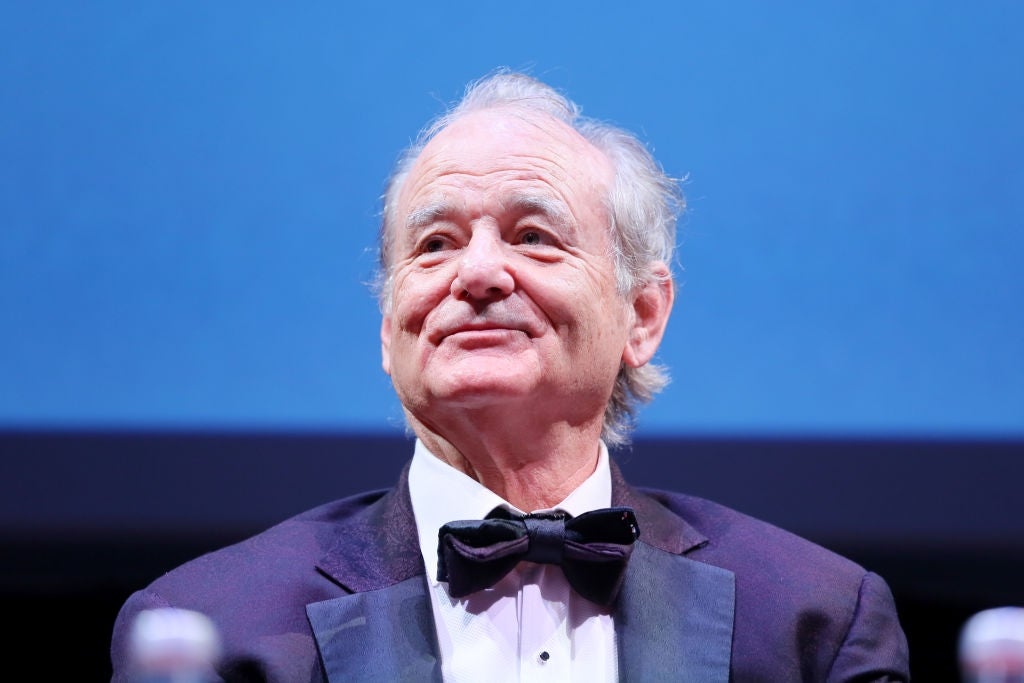
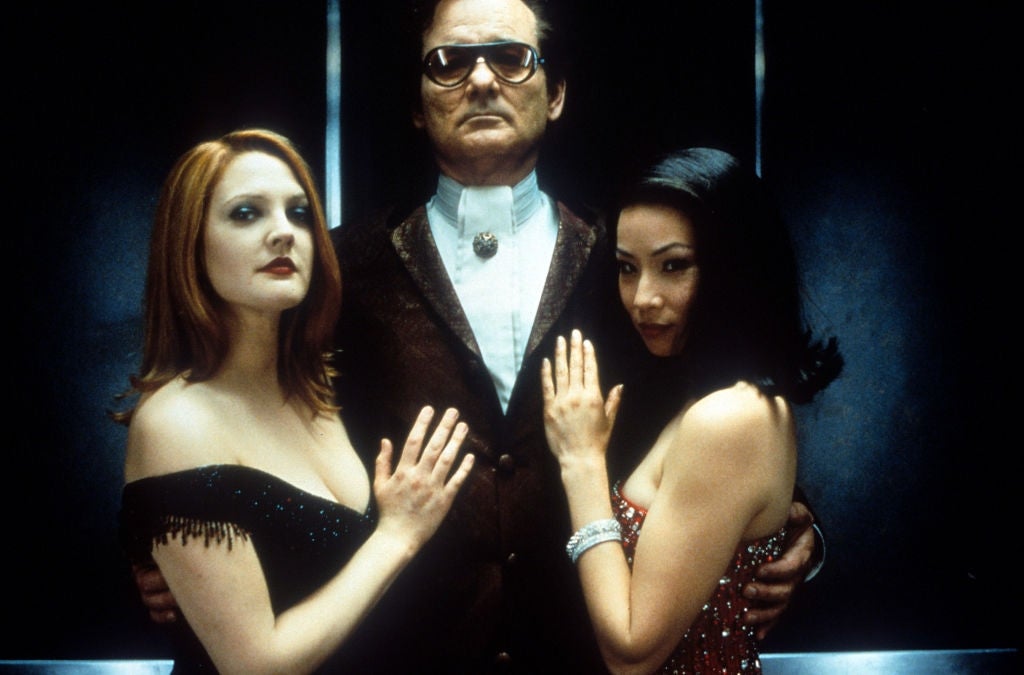
In 1991, the very next year, Murray seriously pissed off his co-star Richard Dreyfuss on the set of What About Bob? Dreyfuss recalled that Murray came back from dinner drunk, got nose-to-nose with him, and screamed, “Everyone hates you! You are tolerated!” Then, according to Dreyfuss, Murray picked up a heavy glass ashtray and threw it at his face, missing him. Dreyfuss summed Murray up as “an Irish drunken bully.”

Murray has disputed both Davis and Dreyfuss's accounts. In 2025, he called Davis's claim that he'd screamed at her in front of hundreds of people “outrageous.” And of Dreyfuss's ashtray allegation, Murray said, “That's not even true.” He acknowledged throwing a glass during the incident, but said he threw it at the ceiling, not at Dreyfuss.

And Anjelica Huston was wonderfully direct about her experience with him on The Life Aquatic. She said, “He was a shit to me.” Her example: during their first week filming in Italy, Murray invited the entire cast to dinner except Huston. She said watching everyone sheepishly head off to dinner knowing she had deliberately been excluded “was worse than anything.” Later, when Murray greeted her and said, “I missed you,” Huston replied, “You’re full of shit. You didn’t miss me.”

If you love Bill, maybe you can take solace in this: Huston said he was extremely kind to her after her husband died, and Davis acknowledged that Murray could be funny and affable. But there's no denying that four completely different co-stars, on four completely different movies, felt humiliated, intimidated, or simply left wondering what the hell just happened.

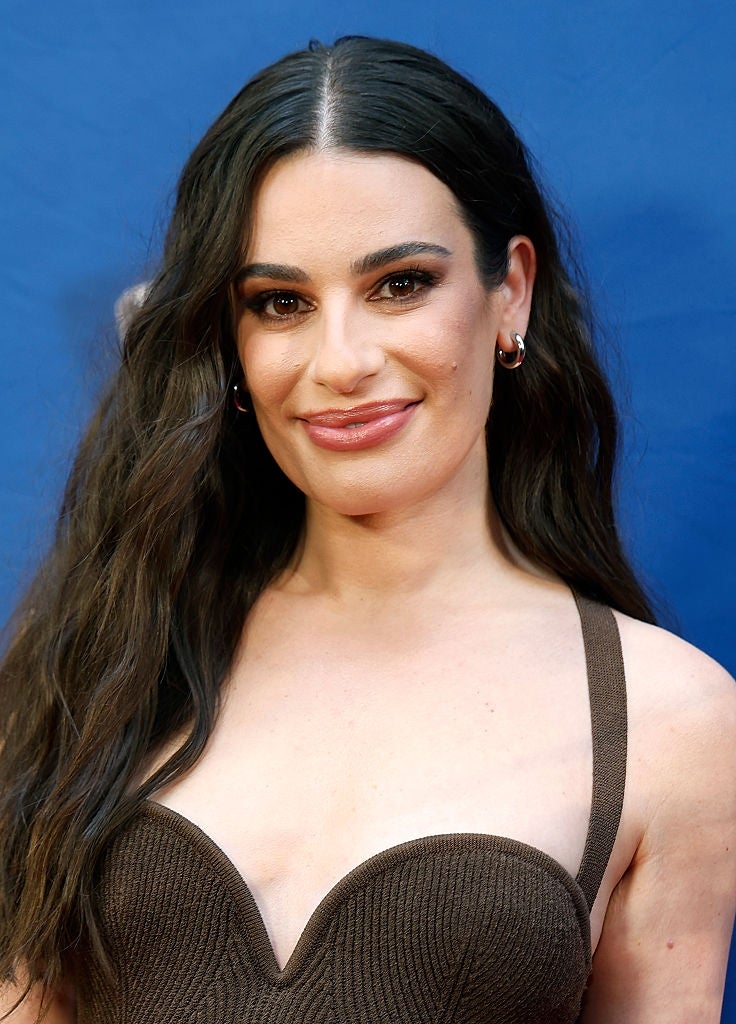
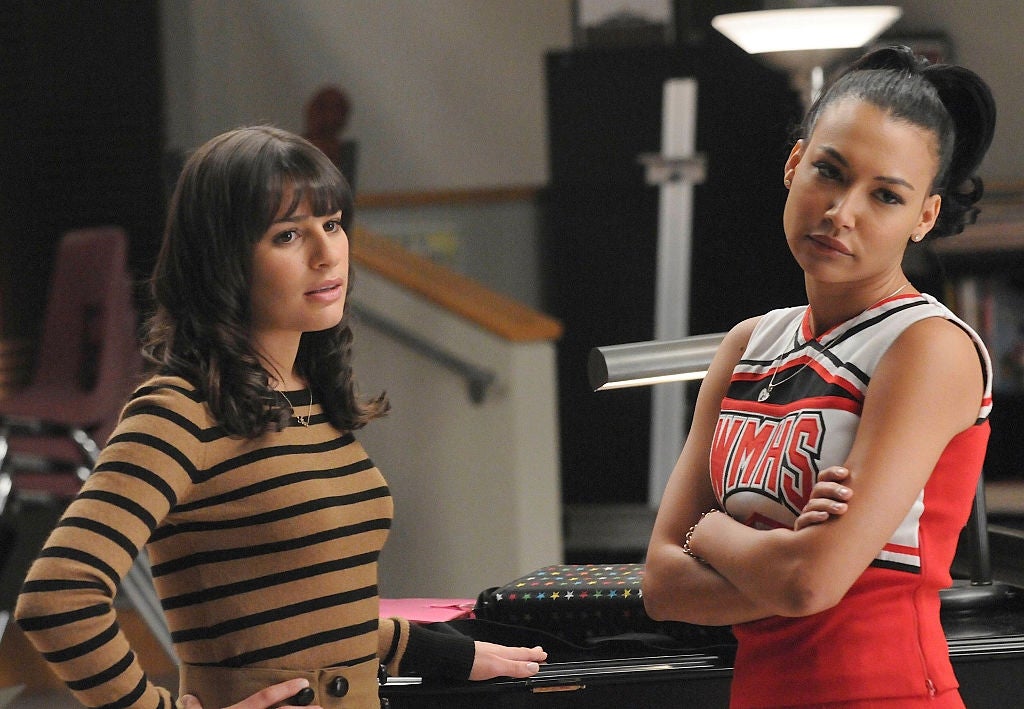
Naya Rivera, meanwhile, wrote in her memoir Sorry Not Sorry, that her friendship with Michele deteriorated as Santana became a bigger character. Eventually, she wrote, Michele “started to ignore me,” until “she didn’t say a word to me for all of Season 6.”

There are even smaller stories that somehow make the picture worse. Monica Moskatow said she was hired as a Rachel Berry lookalike for a Glee premiere event in 2009. According to Moskatow, Michele sought her out, looked at her, and said, “Oh my God! Could they have picked someone uglier!” Moskatow said Cory Monteith saw how hurt she was and immediately told her, “Don’t listen to her, she’s just jealous, you’re beautiful.”

Michele apologized in 2020, saying she did not remember making Ware’s specific “wig” comment but acknowledging that she had acted in ways that hurt people. She wrote that whether it came from “my privileged position and perspective,” immaturity, or simply being “unnecessarily difficult,” she was sorry. Ware was not impressed, saying the apology showed Michele “hasn’t learned anything.”

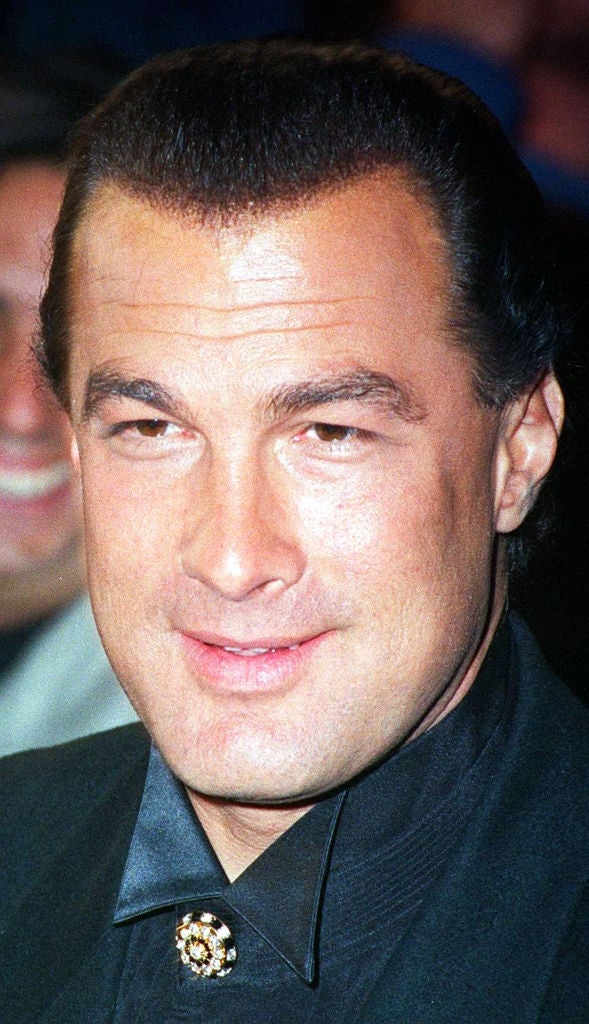
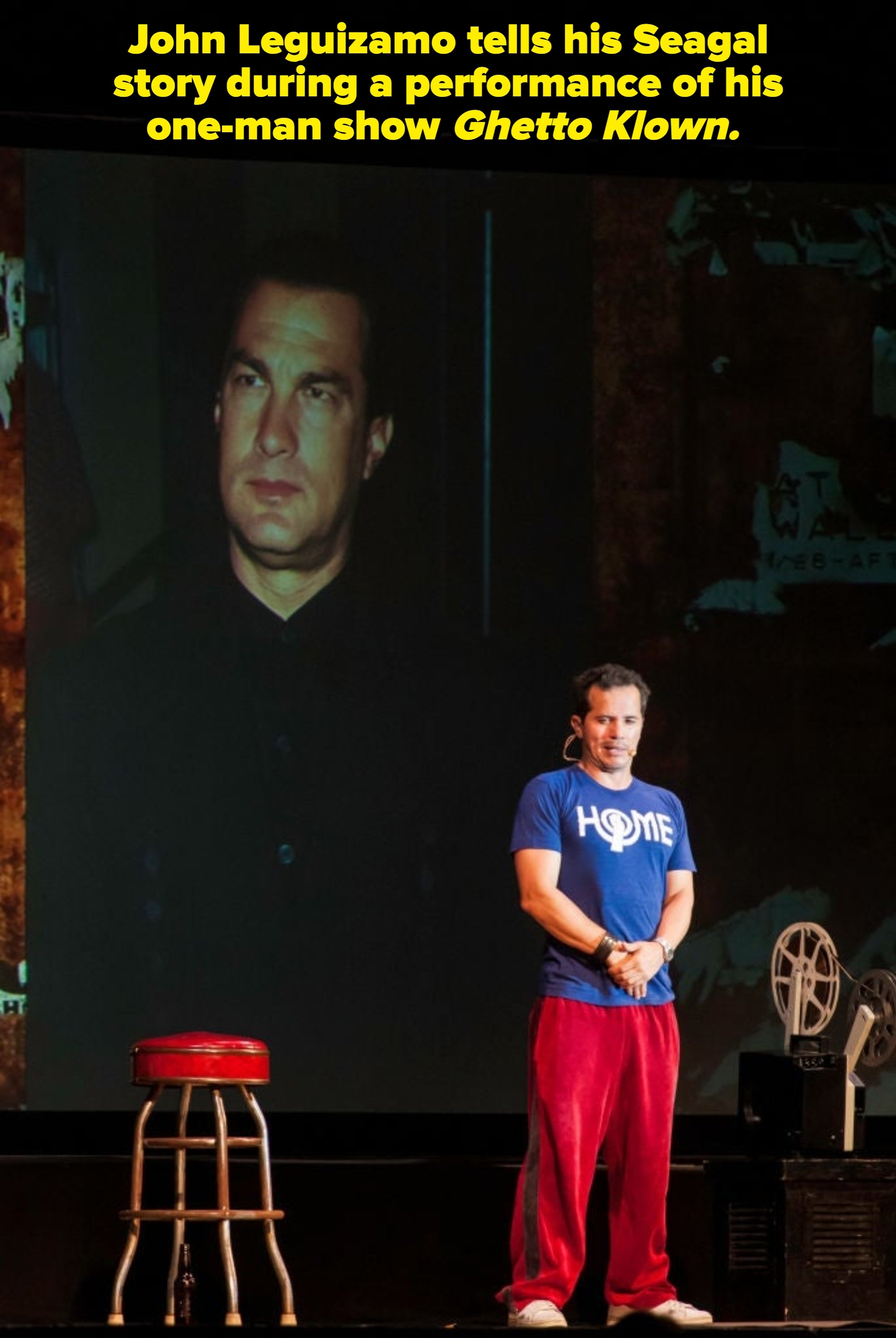
And no, time did not heal that wound. Years later, Leguizamo said he based his washed-up movie-star character in The Menu partly on Seagal because, in his words, “He’s kind of a horrible human.”

Michael Jai White has also spoken about Seagal’s reputation for getting too physical with stunt performers. White said that Seagal would hit stuntmen for real and hit them “really hard.” According to White, Seagal never tried that with him.

Stephen Lang, who worked with Seagal on Fire Down Below, had his own bizarre encounter. Lang recalled Seagal approaching him in a muumuu and pointed slippers and greeting him with, “So, you’re the thespian.” At one point, Lang told him, “I’d prefer it if you never came within six feet of me.” Why? “Because I never know if you’re gonna hug me or kick me in the balls.” Seagal supposedly assured him, “I would never kick you in the balls,” before adding, “Well, maybe.”

And then there’s Seagal’s notorious 1991 stint hosting Saturday Night Live. The episode has become legendary inside the show for all the wrong reasons. Rolling Stone described him as the “consensus pick for ‘worst host ever’” among people working there at the time, with stories of him rejecting ideas, pushing material designed to make himself look tough, and generally making the week miserable.

Man, maybe I was too hard on Jared Leto earlier. When it comes to being a dick, he's got nothing on Seagal.

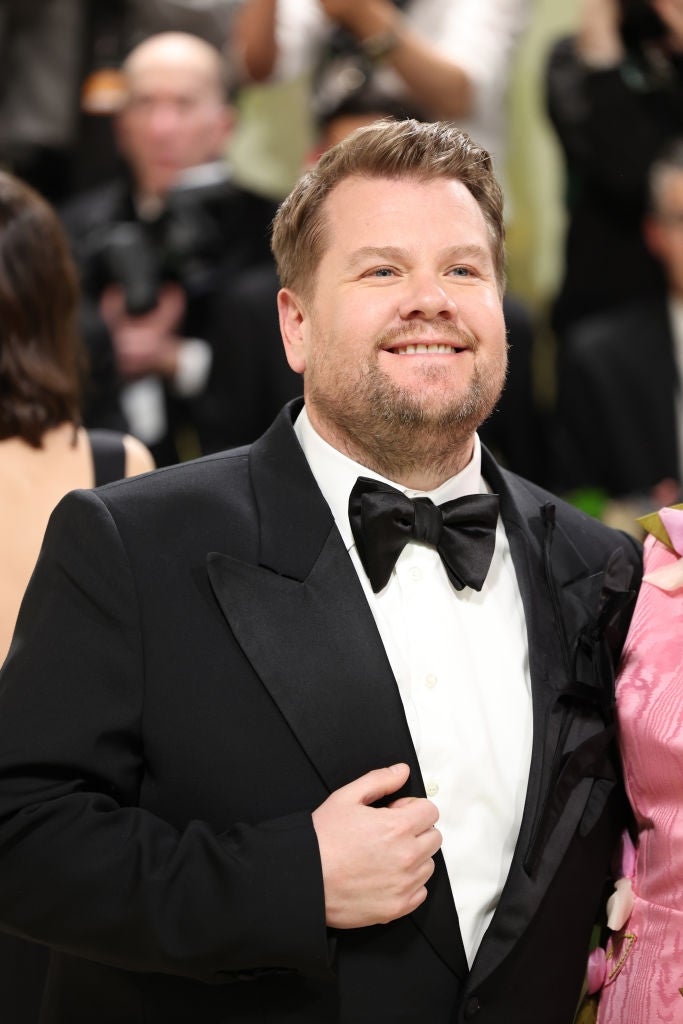
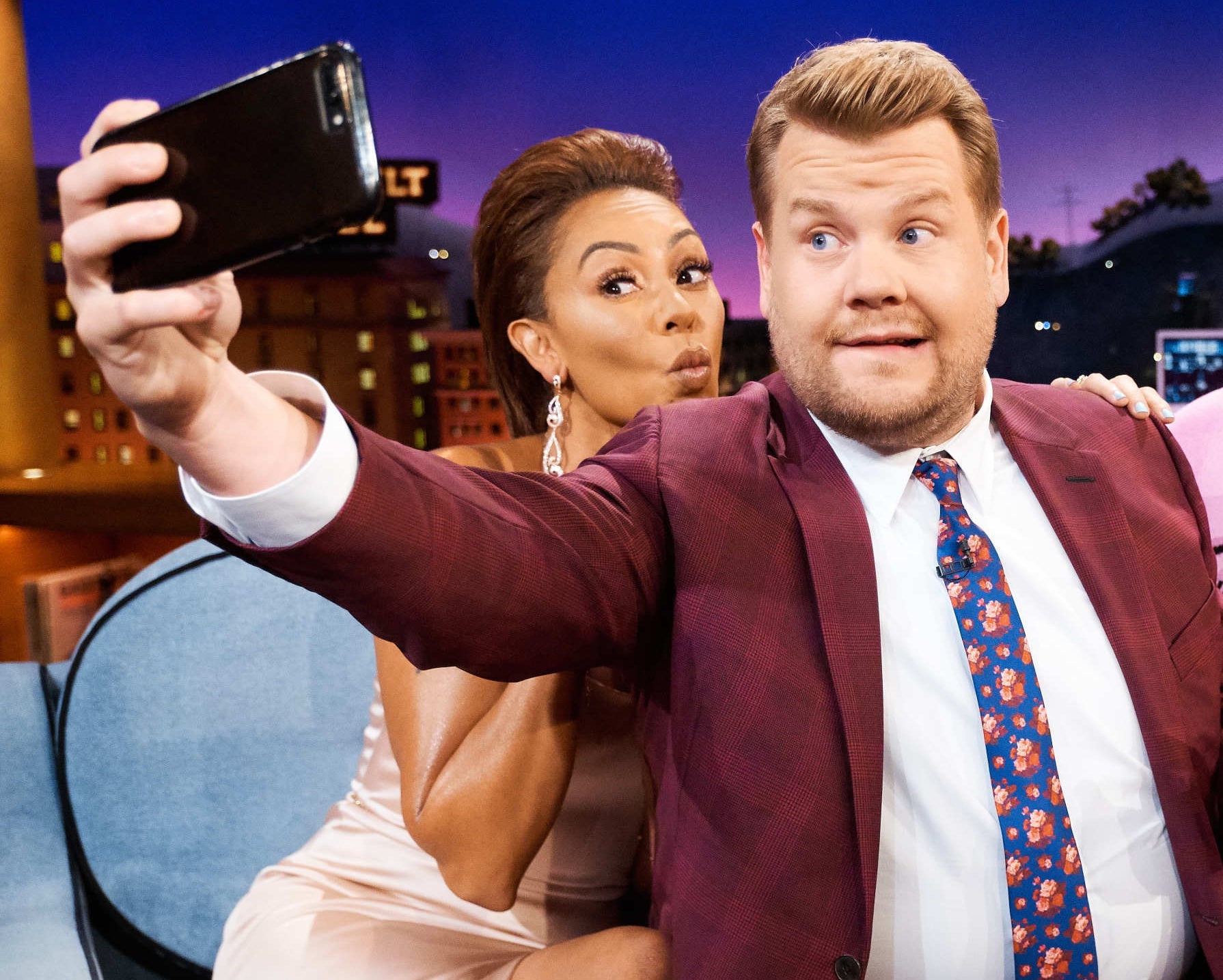
Corden may not have listened to the advice, because TV director Craig Duncan, who worked with him on A League of Their Own in 2013, later called him “the most difficult and obnoxious presenter I’ve ever worked with.” Duncan says that, before he took the job a producer asked him, “How are you working with difficult presenters?” Then, during filming, Duncan said an impatient Corden started telling him how to position the cameras and eventually snapped, “It’s so obvious how you shoot it. You’re stupid.” Duncan ended his account with, “I hope I never, ever work with you again.”

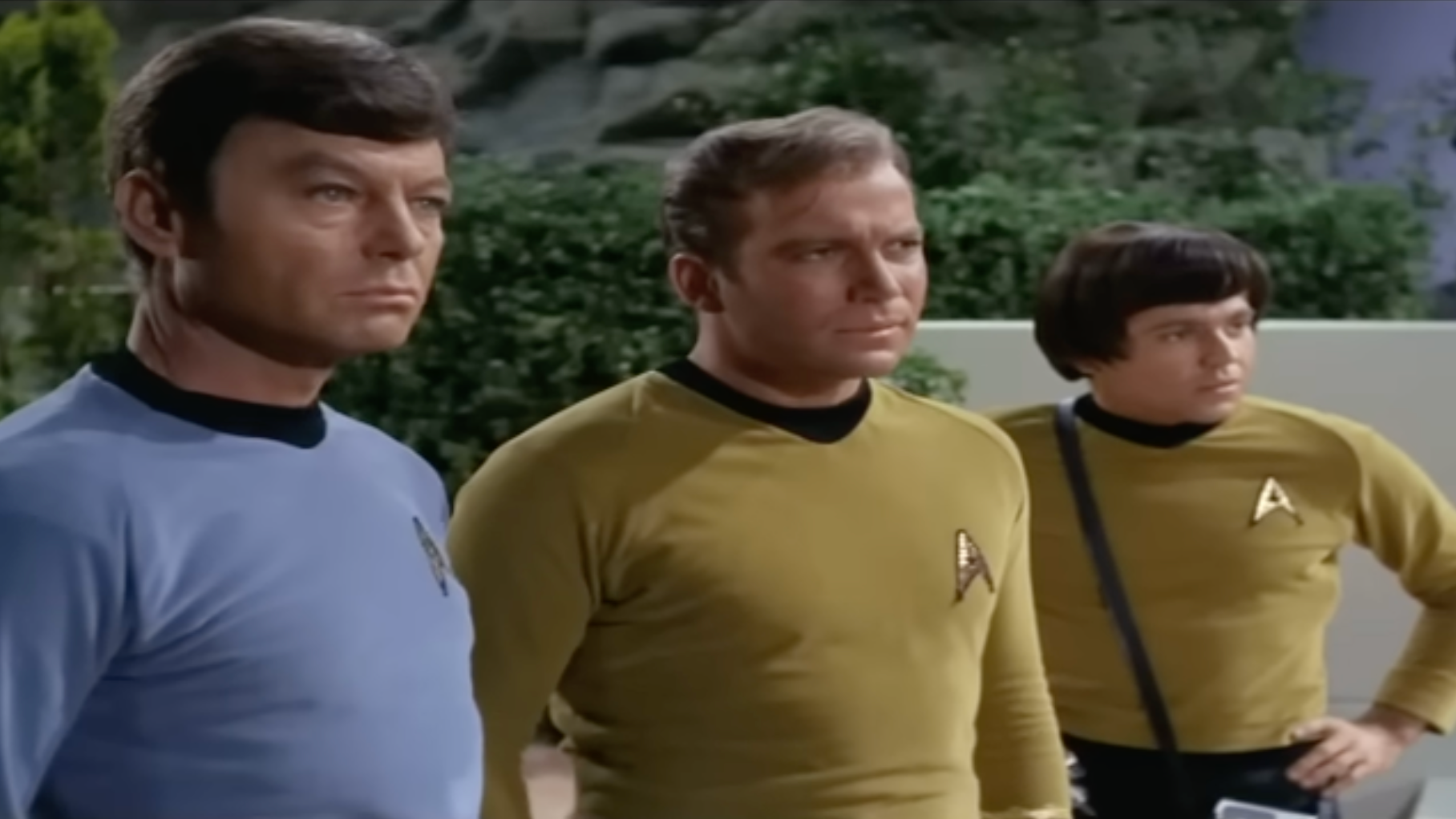
Takei said that if Nichelle Nichols had a line and the crew was setting up her close-up, Shatner would pull the director aside for a whispered conversation. Then, suddenly, the camera would be repositioned so that Shatner was in the shot reacting — and Nichols had lost her close-up. Takei said it happened often.

Along those lines, Walter Koenig, who played Chekov, recalled that during one setup, Shatner objected to where Koenig was standing, apparently because he didn’t want him so prominently in the shot. Koenig joked back, “I’m just doing what you would do, Bill.” According to Koenig, Shatner snapped, “That’s neurotic! That’s neurotic!” and did a dramatic double take.

In fairness to Shatner, he has a very different interpretation of all this. Decades later, he said his former castmates were “bitter and embittered,” accused Takei of having “never stopped blackening my name,” and complained, “Sixty years after some incident they are still on that track. Don’t you think that’s a little weird? It’s like a sickness.”

Interestingly, the public complaints I could find are overwhelmingly about his Star Trek years; I couldn't find a comparable pileup from his later shows. So maybe he mellowed with age, or maybe the original Star Trek was one dysfunctional set.

And then there’s Shannen Doherty, whose departure after Season 3 became one of the great behind-the-scenes dramas of early-2000s TV. Years later, Doherty said there was a “competitiveness” with Milano and accused her of creating a “weird divide” between Doherty and Holly Marie Combs. Doherty said the situation got so emotionally miserable that “I think I cried every single night.”

Milano herself has acknowledged that things got extremely cold between her and Doherty. She once said, “There were times when I’d come in and say, ‘Good morning, Shannen,’ and she didn’t say anything to me. And there were times when she’d come in and say, ‘Good morning, Alyssa,’ and I wouldn’t say anything to her.” Things apparently got bad enough that a professional mediator was brought in.

Not true, according to Milano, who has said she “did not have the power to get anyone fired.” She said a professional mediator and an on-set producer investigated complaints and collected testimony from the cast and crew, after which the studio, network, and Aaron Spelling made the decision.So, like Shatner, she may not be universally hated, but man — what was she (and he?) doing on the set of that show?

According to Schumacher, the two eventually had such a nasty confrontation that Kilmer shoved him against the wall of his trailer after Schumacher challenged the way he was treating an assistant director. Schumacher said Kilmer then didn’t speak to him for two weeks, adding, “It was bliss.”

To Kilmer’s credit, he eventually acknowledged that the reputation had cost him work, and said that his intensity often came from caring deeply about the work. Still, when one director says you need psychiatric help and another says “they don’t come any worse,” then yeah, I think you’ve earned a spot on this list.

Frank Sinatra’s experience with Brando on Guys and Dolls was even more poisonous. Sinatra had wanted the role of Sky Masterson himself and reportedly resented watching a non-singer get the plum part (so take this with a grain of salt), but he mocked Brando’s Method acting, called him “Mumbles,” and at one point reportedly told director Joseph Mankiewicz, “When Mumbles is through rehearsing, I’ll come out.”

Sophia Loren’s story from A Countess From Hong Kong is darker. In her memoir, she recalled that Brando suddenly “put his hands on me.” She said she immediately warned him, “Don’t you ever dare to do that again. Never again!” According to Loren, he never did — but “it was very difficult working with him after that.” She later described Brando as someone whose personal problems could make life difficult for the entire crew.

And then there was Dennis Hopper on Apocalypse Now. Hopper later said, “We had a lot of problems together.” Their relationship got so bad that Brando reportedly refused to be on set when Hopper was there, forcing parts of their material to be filmed separately. Which is honestly impressive: most people who hate a co-worker just avoid them at lunch. Brando apparently made production redesign the workday around it.

To be fair, plenty of actors revered Brando and spoke about learning from him, and Loren herself still called him a “great, great actor.” But yeah... sounds like at times the method actor was a method asshole.
Comments
You must be logged in to comment.