buzzfeed Press
Everything You Need To Know About Condoms, STIs, And Consent This Freshers’ Week
Images
1 / 14
2 / 14

3 / 14

4 / 14

5 / 14

6 / 14

7 / 14

8 / 14

9 / 14

10 / 14

11 / 14

12 / 14

13 / 14

14 / 14
“Talking openly about contraception, STI testing, and consent gives students the confidence to make informed choices.”

But while condoms, STI testing, and consent might not be the most exciting things to think about when you’re getting ready for your first big week out, knowing the basics can make things a lot easier if a situation doesn’t quite go to plan.

So, this Freshers’ Week, we spoke to Sarah Mulindwa, Lovehoney’s Sexual Health & Wellness Expert, Sexual Health Nurse and Broadcaster, about some of the things students should know, from when to get tested and what to do if a condom breaks to the risks of STIs from oral sex.

"Many STIs cause no obvious symptoms at all, which means someone may have one without knowing it.

"Use a new condom every time you have vaginal or anal sex and a condom or dental dam for oral sex. Check the expiry date, make sure the packaging is intact, and use a water or silicone-based lubricant with latex condoms, as oil-based products can weaken the latex.

"Condoms are the only form of contraception that can help protect against both pregnancy and STIs (although no method removes the risk completely)."

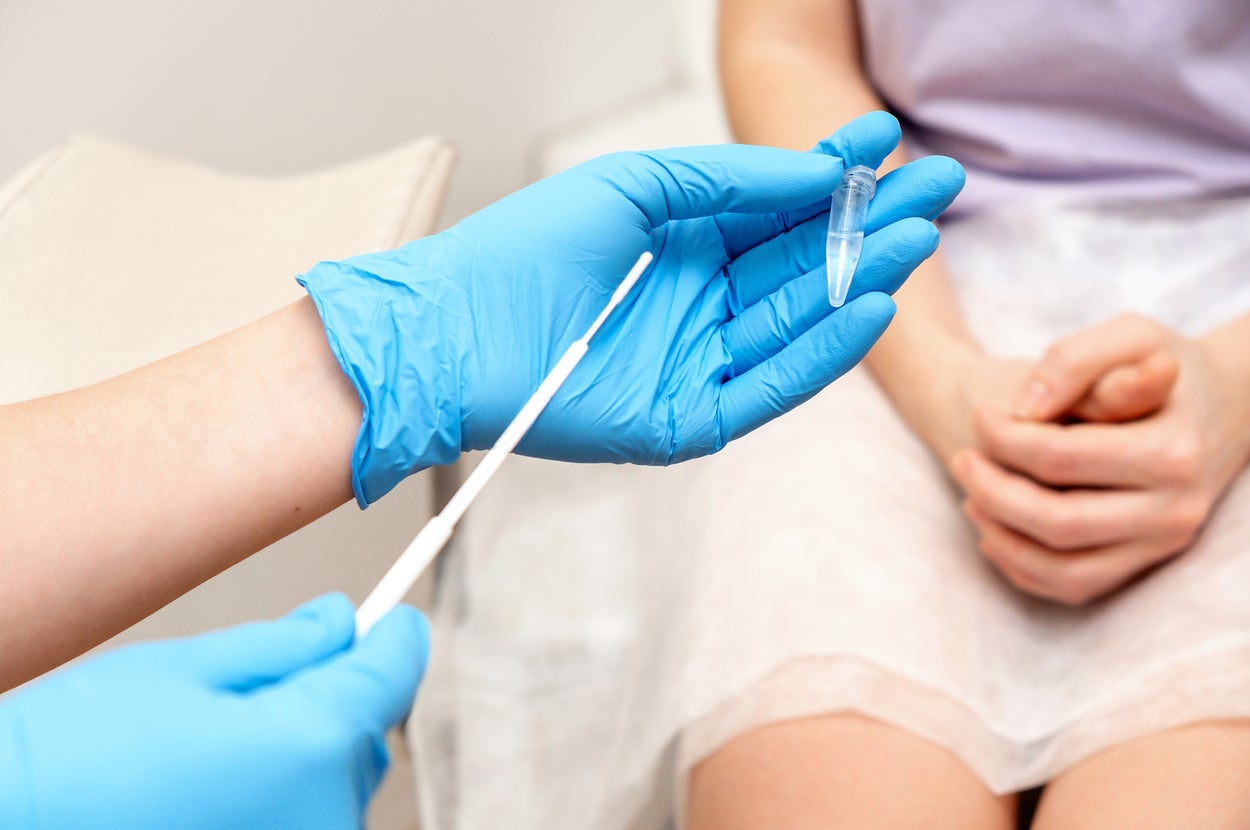
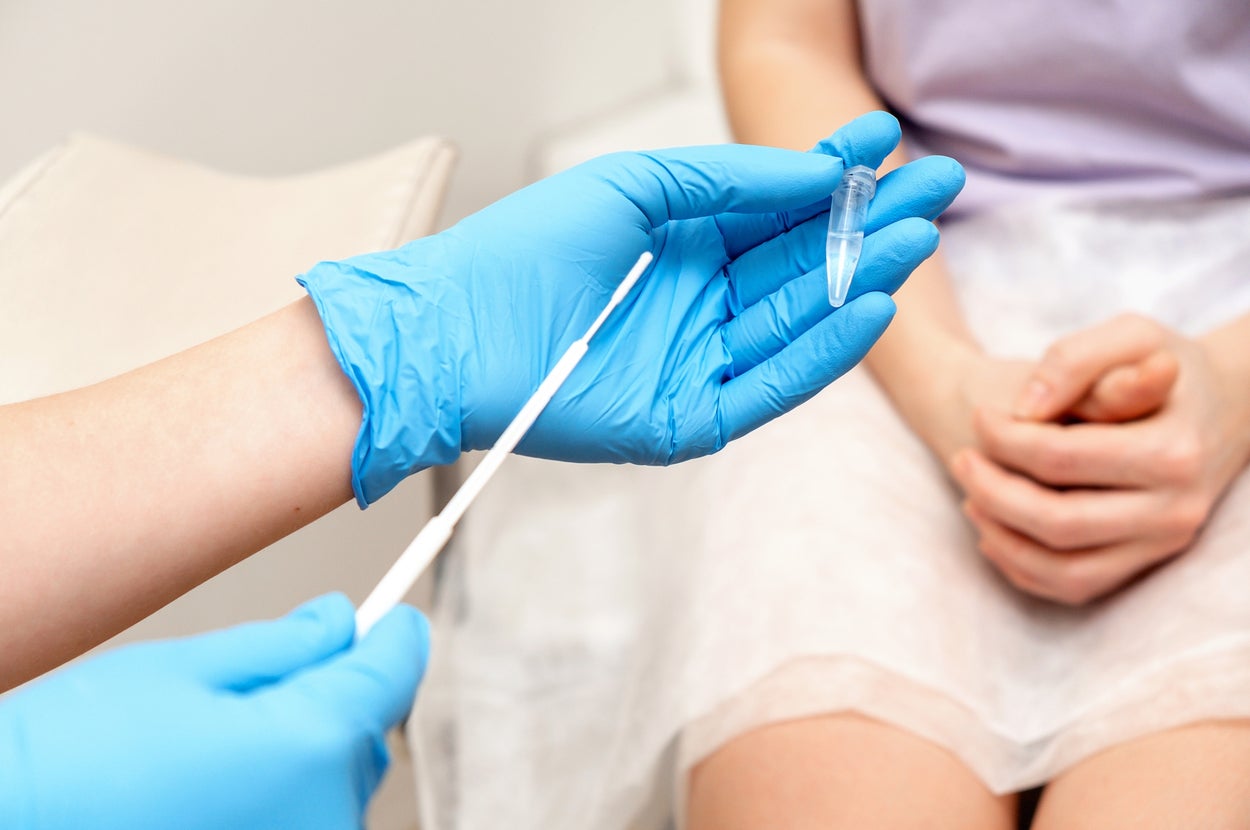
"I would recommend getting tested whenever you have had sex without a condom, if a condom has broken, when you have a new sexual partner, or if you develop symptoms such as unusual discharge, pain when urinating, sores, lumps, itching, or unexpected bleeding. You should also arrange a test if a partner tells you that they have been diagnosed with an STI.

"Different STIs also have different window periods, so testing immediately after sex may be too early for an infection to appear in the results. Contact a sexual health service for personalised advice about when to test and whether you will need a follow-up test.

"Students can visit their local NHS sexual health clinic or university health service, and many areas offer free, confidential home-testing kits. The staff are there to help, not judge, and appointments are confidential!

"I would also advise screening every six months as routine, because even with condom use, STI's can still be contracted."

"Firstly, don’t panic, but do act promptly.

"Stop, remove the broken condom, and avoid washing or douching inside the vagina or rectum, as this will not prevent an infection and may cause irritation. If pregnancy is possible, seek emergency contraception as soon as you can from a sexual health clinic, pharmacy, or GP.

"You should also discuss STI testing with a sexual health professional. If there may have been exposure to HIV, ask urgently about PEP – which is medication that can reduce the chance of acquiring HIV and must be started within 72 hours – the sooner, the better.

"Until you have received appropriate advice and completed any recommended testing, use condoms with sexual partners."

"Yes, absolutely. Although the latest UKHSA figures show an encouraging overall fall in STI diagnoses in England, rates remain relatively high among 15-to-24-year-olds, and genital herpes diagnoses have increased. So, while progress is being made, STIs certainly haven’t disappeared.

"Young people may be more likely to have new or multiple sexual partners, and many STIs have no obvious symptoms. That’s why condoms, regular testing, and honest conversations with partners remain so important.

"The aim isn’t to frighten anyone or attach shame to sex; it’s to give young people the information they need to protect themselves and others."

"Yes. There’s a common misconception that oral sex is completely risk-free, but infections including gonorrhoea, chlamydia, syphilis, herpes, and HPV can be passed between the mouth, throat, and genitals. HIV transmission through oral sex is much less likely than through vaginal or anal sex, but the risk is not zero!

"Using condoms or dental dams can reduce the risk, particularly with a new partner. It’s also important to tell the sexual health professional what type of sex you’ve had, as you may need a throat swab as well as a urine test, blood test, or genital swab."

"It should be freely and enthusiastically given by everyone involved, and it must continue throughout the experience. Agreeing to one sexual activity doesn’t mean agreeing to everything, and anyone can change their mind at any time.

"Alcohol can make these situations more complicated during Freshers’ Week. If somebody is asleep, unconscious, or too intoxicated to understand what is happening and communicate a clear choice, they cannot consent.

"Checking in with each other isn’t awkward or unsexy; it creates trust and helps everyone feel safe, respected, and comfortable."

"Carry your own condoms, know where your local sexual health service is, and talk openly about boundaries and protection before you’re caught up in the moment.

"Enjoy yourself, but remember that you never owe anyone sex, and you should never feel embarrassed about prioritising your health.

"If something doesn’t go to plan, don’t panic or avoid getting help; sexual health professionals have heard it all before, and we are there to support you, not judge you!"

"It’s often easier to have the conversation before things become intimate, when you both feel relaxed, and there’s less pressure. Be open about what you need to feel comfortable, whether that’s using condoms, discussing contraception, sharing when you were last tested, or agreeing on boundaries.

"You could simply say, ‘I’d like us to use a condom,’ or ask, ‘When did you last have an STI test?’ These are responsible questions, not accusations. Safer sex is a shared responsibility, and a respectful partner should be willing to have that conversation.

"If someone pressures you to have sex without protection, dismisses your concerns, or tries to make you feel guilty, you always have the right to say no and step away. Protecting your health is never something you should have to apologise for."

"The most important thing is to listen without judging or making them feel ashamed. Reassure them that STIs are common, most can be treated or managed, and getting tested is a responsible step, not something to be embarrassed about.

"You can offer to help them find their local sexual health clinic, sit with them while they order a home-testing kit, or accompany them to an appointment if they would find that reassuring. However, try not to pressure them or take control of the situation. Ask what support they want and respect their privacy.

"If a friend tells you that a sexual experience wasn’t consensual, believe them, listen calmly, and avoid questioning or blaming them. Help them access specialist support when they feel ready, while remembering that any immediate danger or medical emergency requires urgent help."

Additional thumbnail photo credits: Tatiana Buzmakova/Diamond Dogs (iStock)
Comments
You must be logged in to comment.