bbc Press
The simple skincare routine for teens that actually works - and five expert tips
Images
1 / 20
2 / 20
3 / 20

4 / 20
5 / 20

6 / 20

7 / 20

8 / 20

9 / 20

10 / 20

11 / 20

12 / 20

13 / 20

14 / 20

15 / 20

16 / 20

17 / 20

18 / 20

19 / 20

20 / 20
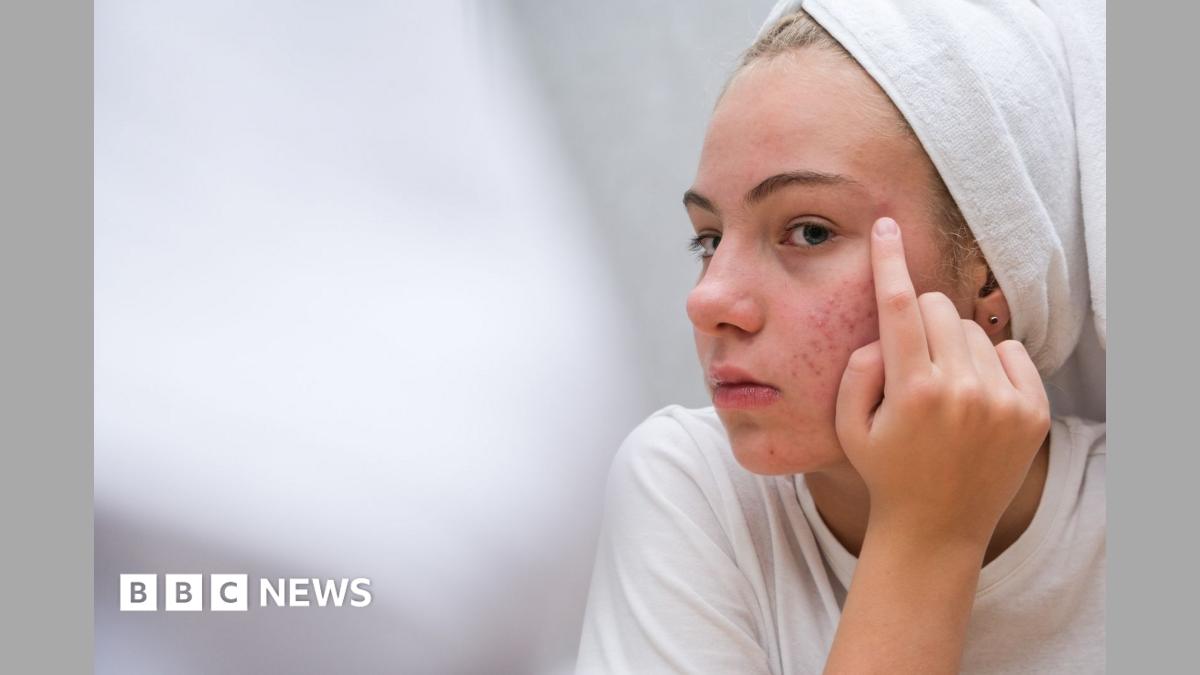
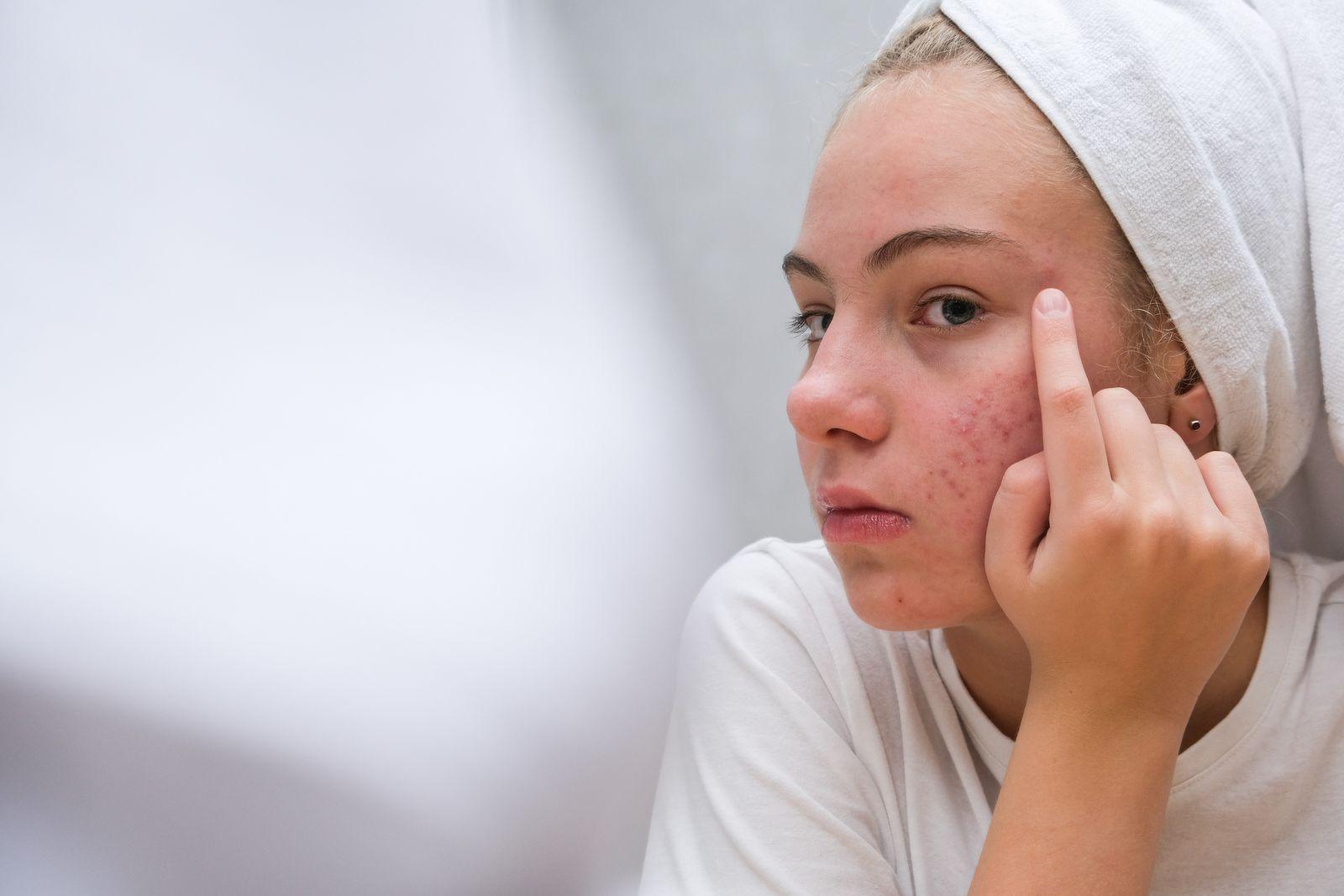
More than 80% of 13- to 18-year-olds experience acne during their teenage years

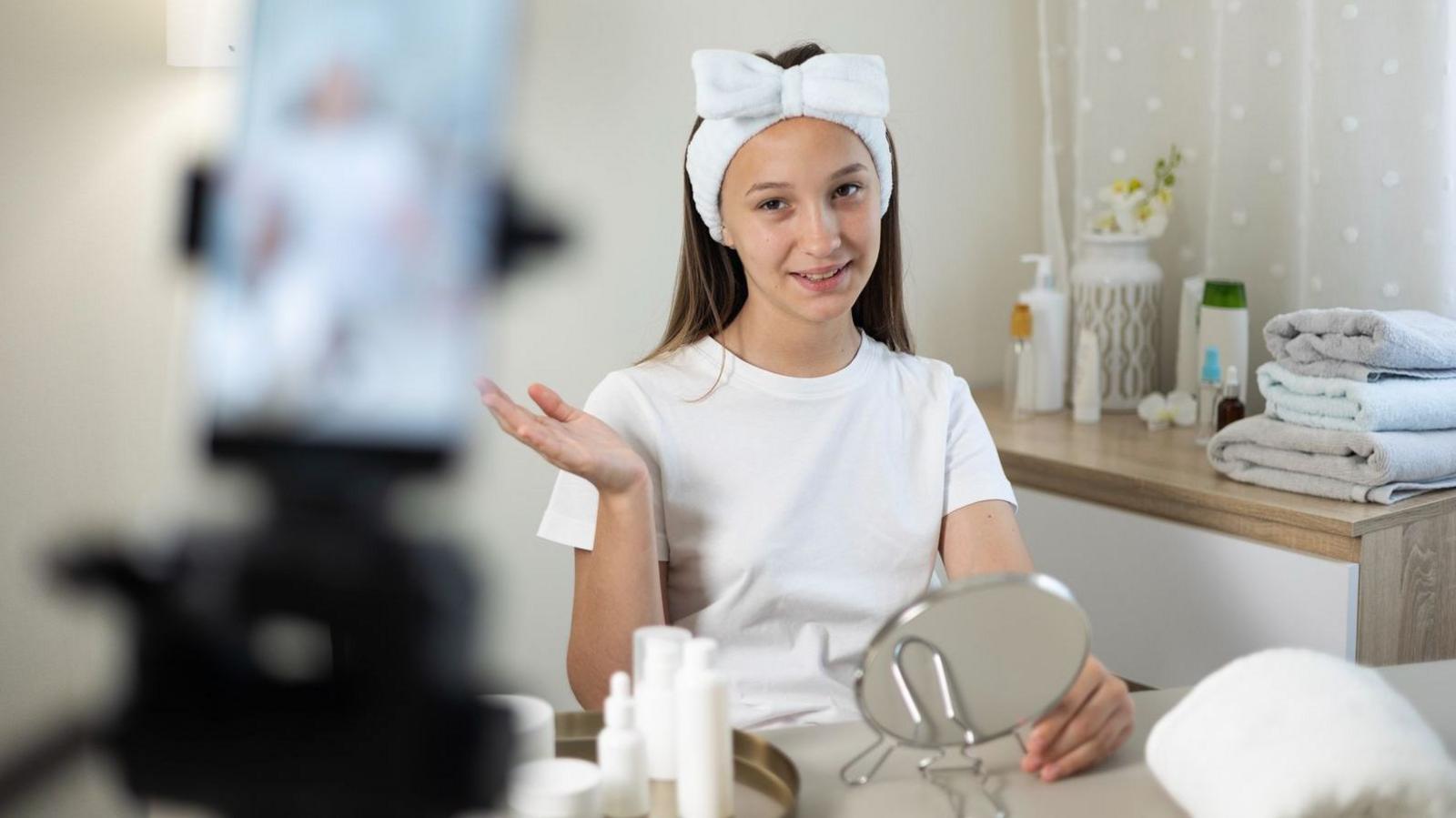
Social media is driving the trend for "flawless complexions" and complex "glass skin" routines in teenagers, with many prioritising advice from influencers in Get Ready With Me (GRWM) videos over professionals.

But do teens really need a multi-step skincare routine?

For consultant dermatologist Dr Jonathan Kentley, the most concerning influence social media is having is the "relentless images of unrealistic beauty standards".

"I've seen thousands of patients and I've never seen anyone with 'glass skin'. I don't think it exists, and it's just these over-filtered images that make children think that this is achievable when it's not."

Visible pores, blackheads, blemishes, pigmentation, redness and scarring are all very normal for teenage skin, says Dr Kentley. But he adds that everyone's normal is different: "I don't think there's anything that is really abnormal."

This video can not be played

Is our skin care routine actually making it worse?

More than 80% of 13- to 18-year-olds experience acne during their teenage years.

Dr Zainab Laftah, a consultant dermatologist, explains that most of the so-called problems you encounter during puberty are related to testosterone, which drives rises in oil production and acne.

Boys can experience more of these problems, but girls have testosterone as well so get many of the same symptoms.

"This, together with blocked hair follicles and inflammation, leads to blackheads, whiteheads and inflamed spots," Dr Laftah says. "Acne is very, very common and it's normal and treatable."

Salicylic acid, a common active ingredient that penetrates into oil-filled pores to help clear the buildup of sebum and dead skin cells "can be particularly helpful for teenagers with oily or acne-prone skin" says Dr Laftah, warning that unnecessary or excessive use may cause dryness and irritation.

If you're suffering from severe acne or a severe skin problem, Dr Kentley advises getting help from your GP or a dermatologist rather than engaging with people on social media on how to manage it.

Social media is fuelling the trend for "flawless complexions" and multi-step "glass skin" routines

So, how best to look after teenage skin? Experts Dr Zainab Laftah and Dr Jonathan Kentley share their five top tips:

Keep your skincare routine simple You need three basics: a gentle cleanser, a fragrance-free moisturiser and a broad-spectrum sunscreen of SPF 30 or higher. That's it.

More skincare products aren't necessarily better A complicated routine with frequent exfoliations or strong acids can irritate young skin. Remember the skin barrier is still developing and it can result in damage. Dr Kently says he's seen an exponential rise in a condition called perioral dermatitis in teens, which is related to the overuse of ingredients that strip skin barriers like exfoliating hydroxy acids and retinoids. Dr Laftah adds: "Teens are increasingly adopting adult-style routines with numerous serums, toners, masks and actives. These actives are likely to result in skin barrier compromise and lead to more skin issues."

Getting enough sleep and a balanced diet is important Raised cortisol through diets high in white carbohydrates and sugar as well as a lack of sleep have been linked to breakouts. Dr Laftah is a supporter of getting a good night's sleep. "We know that a lack of sleep increases cortisol levels, which is a stress hormone that can lead to acne breakouts." While Dr Kentley says a diet that is high in carbohydrate foods, like white rice and pasta, high sugar diets and whey protein found in protein shakes have all been linked in studies to acne flare-ups. But he makes the point that everyone's skin is individual and that "some people may find that other things flare up their skin".

Don't pick or pop your spots The risk is that you can increase the inflammation by pushing the content deeper into the skin, which can result in scarring and discolouration. Dr Laftah says she's a fan of the pimple hydrocolloid star patches as a social media hack. "They work by absorbing fluid from superficial spots while creating a protective barrier that discourages picking," she explains.

See a GP or dermatologist If you have persistent painful cystic or scarring acne, seek medical advice, as often prescription-grade treatment is needed.

A lot of the so-called "problems" during teenage years are related to androgens, a hormone which, although present in girls, is more prevalent in boys.

"So male skin can sometimes be a little bit more oily and potentially have some more spots, and often you're getting to grips with the concept of facial hair and shaving, and that can introduce irritation," explains Dr Kentley.

"If you're not shaving properly you can develop quite a lot of folliculitis which is a bit of a crossover from acne. So you can cause quite a lot of damage to the skin barrier, a lot of inflammation."

Here are Dr Kentley's top tips for shaving to protect skin:

Shave after showering so that the skin is hot, has been steamed and prepared for a shave

Use a shaving brush to lift the hairs off the skin

Shave with something lubricating like shaving foam or shower gel

Always shave in the direction of travel of the hairs

Cosmeticorexia: How girls are falling down a skincare rabbit hole

Italy investigates Sephora and Benefit over marketing skincare to children

I went for a full body MOT and the results came as a shock
Comments
You must be logged in to comment.