huffpost Press
Major Crypto Bill Goes Down In Senate
Images
1 / 7

2 / 7

3 / 7

4 / 7

5 / 7

6 / 7

7 / 7
WASHINGTON — Democrats and a handful of Republicans blocked progress Tuesday on a bill to entrench “digital assets” in the U.S. financial system, a massive defeat for the cryptocurrency industry, which has spent tens of millions of dollars to sway elections in recent years.

The procedural motion failed by a vote of 49 to 50, with Sens. Susan Collins (R-Maine), Josh Hawley (R-Mo.), Jerry Moran (R-Kan.) and Thom Tillis (R-N.C.) joining Democrats in opposition, with Tillis switching his vote to “no” for procedural reasons, since doing so can allow the Senate to reconsider the bill.

The bill fell far short of the 60 votes needed, with even pro-crypto Democrats turning against it because of President Donald Trump’s personal profiteering off crypto while in office.

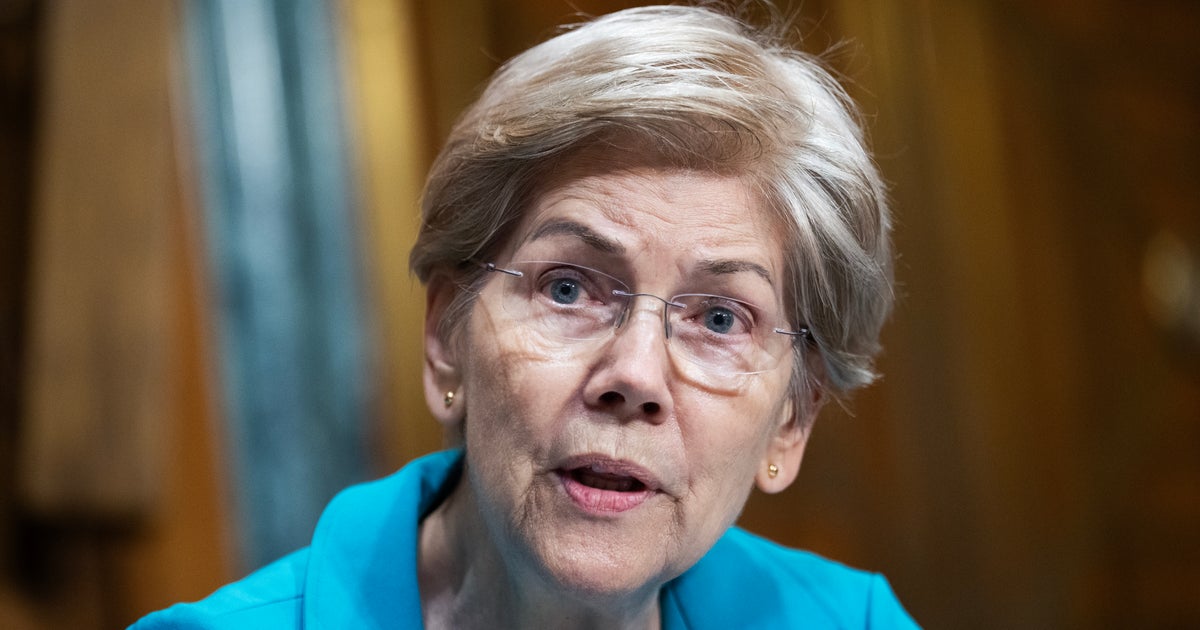
“It’s a bill that would juice the value of President Trump’s crypto empire, and reward the crypto billionaires who have facilitated his corruption,” Sen. Elizabeth Warren (D-Mass.), the top Democrat on the Senate Banking Committee and the most vocal opponent of the bill, said Monday.

Tuesday’s procedural vote could be the crypto industry’s last chance to get its return on investment after dumping hundreds of millions into elections since 2024. The vote represented a clash of progressives against the industry, Republicans and much of the Democratic establishment.

Sen. Cynthia Lummis (R-Wyo.), crypto’s biggest champion in Congress and a main architect of the legislation, told reporters before the vote that if the bill failed to advance, it would be dead.

“I think we’re done. It’s over,” Lummis said.

It’s possible the bill comes back. Senate Majority Leader Chuck Schumer (D-N.Y.), who has worked with Sen. Kirsten Gillibrand (D-N.Y.) to broker peace between Democrats and the industry, suggested a bipartisan deal had been at hand, but Republicans refused to take it.

“Republican leadership walked into the room, broke up the bipartisan discussion and said, ‘No, we’re done’ and killed it,” Schumer said in a statement. “Years of work to provide clarity to the industry down the drain thanks to the Republican leadership.”

The vote against the legislation carries substantial risk for Democrats. The major super PAC aligned with the crypto industry has more than $88 million on hand it could use to sway voters ahead of November’s midterm elections, according to the most recent filings with the Federal Election Commission.

Progressives, however, will celebrate the bill’s defeat: Many had feared other powerful industries seeking favorable regulation would copy the crypto’s industry playbook, leading to a new era of elections totally awash in corporate cash. The bill’s defeat instead displays the limits of their strategy.

Plenty of Senate Democrats have previously carried water for cryptocurrency, and several have been involved in writing the so-called Clarity Act. But they hesitated to vote for an earlier version of the bill over the summer, and Warren has argued forcefully the new version has the same problem: It won’t stop President Donald Trump from making his next billion on crypto while in office.

Republicans released a revised version of the 600-page bill on Monday in hopes of winning Democratic votes, including by beefing up an ethics provision that after one year would ban the president from sponsoring digital assets and require him to divest or place digital assets in a blind trust.

“Having the president of the United States for the first time in the history of this country abide and put himself and the vice president under the federal laws of this country, that is a remarkable shift in the right direction,” Senate Banking Committee chair Tim Scott (R-S.C.) said Tuesday on Fox Business.

Warren and her staff have argued the new ethics provision is full of loopholes and would allow Trump’s family to continue profiting from his crypto empire. And the bill text puts the U.S. attorney general in charge of enforcement, meaning it would be up to Trump’s former personal lawyer Todd Blanche to sue the president for an ethics violation — an unlikely prospect. Earlier this year, Blanche issued an order freeing Trump and his family from ongoing IRS enforcement.

Trump has earned more than $1 billion from crypto since taking office last year, and Senate Democrats balked at an earlier version of the bill because it would essentially put the president in charge of regulating an industry that’s making him richer than ever. (Some lawmakers in both parties also have qualms about how the bill could benefit crypto firms at the expense of the banking industry.)

Gillibrand, the chair of Senate Democrats’ main campaign committee and a top ally of the cryptocurrency industry, said last month that “any market structure bill that leaves enforcement solely in the hands of the president’s own Justice Department and allows him to profit from crypto isn’t a reform. It’s a permission slip.”

Nevertheless, Gillibrand reportedly has been urging her colleagues to vote to advance the bill. A spokesperson for Gillibrand did not respond to requests for comment. Gillibrand wound up voting against the bill alongside all other Democrats.

Warren suggested Tuesday the bill’s potential failure on a procedural vote could create a chance for “meaningful” regulation of crypto.

“We need a crypto law — one that doesn’t let Iran use crypto to finance terrorism or let drug traffickers use crypto to move their products around faster and make it harder for the police to catch them,” Warren told HuffPost. “We need a crypto law that makes sure that the president of the United States is not enriching himself instead of watching out for the people of this country.”

By entering your email and clicking Sign Up, you're agreeing to let us send you customized marketing messages about us and our advertising partners. You are also agreeing to our Terms of Service and Privacy Policy.
Comments
You must be logged in to comment.