yahoo Press
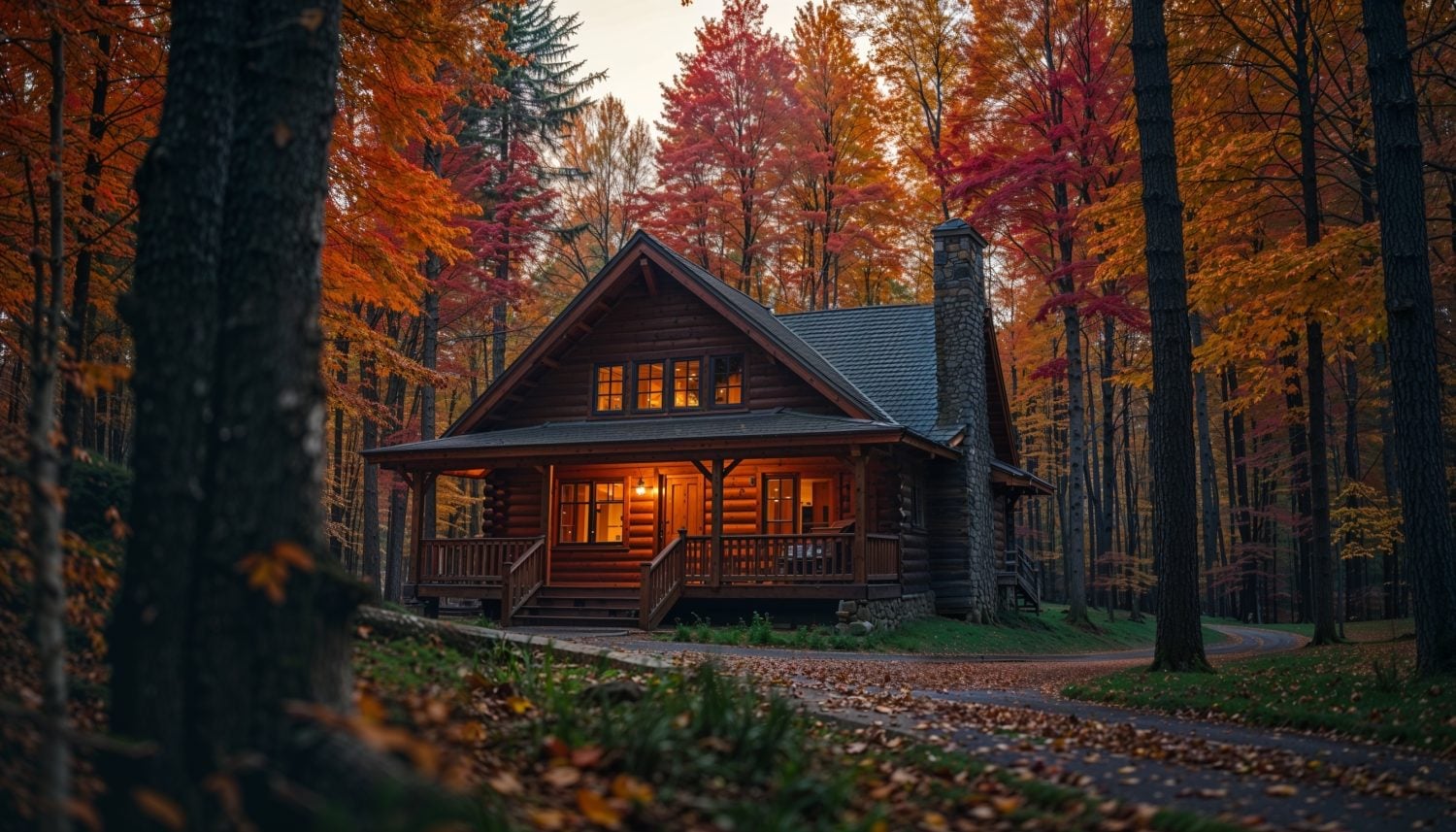
The Family Cabin Was Worth $180,000 and Nobody Lived There. Medicaid Called It a Countable Asset and the Nursing Home Got It Before the Grandkids Did
Images
1 / 4
2 / 4

3 / 4

4 / 4
Medicaid counts every property except a primary residence as a taxable asset, meaning a family cabin can block nursing home eligibility entirely.

Even a fractional ownership stake counts against Medicaid's resource limit, so owning one-third of a $180,000 cabin adds $60,000 to your asset total.

Gifting or quitclaiming the cabin triggers a 60-month lookback penalty, leaving families uninsured precisely when nursing home coverage is needed most.

Read More: Learn 7 ways to generate income with a $1,000,000+ portfolio (sponsor)

Families assume a cabin nobody lives in full time sits in a separate category. It doesn't. Under Medicaid's resource test, the property the applicant actually lives in (or intends to return to) is the only real estate that gets the homestead exemption, meaning it's shielded from being counted as a resource. Every other parcel, including a lake cabin that has hosted four generations of grandkids, is a countable asset at fair market value less any mortgage.

The $180,000 cabin in the headline is an illustration of a scenario elder law attorneys describe constantly, not a documented case. But the mechanics are real: once the state values that second property and adds it to the applicant's other resources, it almost always pushes the applicant over the resource limit, and the family is told to spend it down before Medicaid will pay a nursing home bill that Medicaid transfer receipts of $1,093.1 billion in 2026Q2 suggests the program is already paying for millions of others.

Medicaid, the state-federal program that pays for long-term nursing home care for people with limited assets, operates separately from Medicare, the federal health insurance program for people 65 and over that covers acute care but not long-term custodial care. The distinction matters because Medicare never touches the cabin. Medicaid does.

If you've saved over $1,000,000, this guide is for you. The last thing you want in retirement is to run out of money, you want your money to generate lasting income while you enjoy your life.

Now you can learn the strategies wealthy retirees use to fund their retirement with The Definitive Guide to Retirement Income from Fisher Investments. Download the guide today! (sponsor)

The homestead exemption applies to one home, and even that home is subject to a federal equity ceiling and a signed statement of intent to return if the applicant is already in a facility. A second home, an inherited farmhouse, a hunting camp, or the family cabin sits outside that shelter. The state counts it at fair market value.

States establish value through a recent appraisal, comparable sales, or the county tax assessment, and the applicant has to produce documentation. If the property has appreciated for decades, that valuation can be uncomfortable. The Case-Shiller national home price index reached 336.7 in June 2026, which is one reason a cabin bought cheap in the 1980s now shows up as a serious number on a Medicaid worksheet.

Joint or fractional ownership, which is how most inherited family property is held, does not make the share uncountable. Owning one-third of a cabin means one-third of the fair market value counts as the applicant's resource. The other siblings' shares are theirs; the applicant's share is the state's problem to resolve.

Sell it on the open market and spend the proceeds on permitted expenses: the nursing home bill itself, medical costs, home repairs on the primary residence, an irrevocable funeral trust, paying off debt. This is the cleanest path and the one that preserves eligibility fastest.

Sell the applicant's fractional interest to a co-owner at fair market value. A sibling or child who wants to keep the cabin in the family can buy the share, provided the price matches an independent appraisal. Anything less than fair market value is treated as a gift.

Rent it out. Rental income then counts as the applicant's income for the month it's received, and some states recognize an income-producing property exception that can reclassify the asset, though the rules vary sharply by state.

List it. Many states treat property that's genuinely on the market at fair market value as unavailable while it's actively listed. The listing must be real, priced to sell, and documented.

Transfer it and accept the lookback. Any uncompensated transfer of assets within the federal 60-month lookback window triggers a penalty period, a stretch of ineligibility calculated using the state's average monthly nursing home cost as the divisor.

Signing the cabin over to grandchildren, selling it to a cousin for $1, or adding an adult child to the deed are all uncompensated transfers. Each one starts the penalty clock, and the penalty runs from the date the applicant would otherwise qualify for Medicaid, which is precisely when the family needs coverage.

Even a property that squeaks through the eligibility stage stays exposed. Every state runs a Medicaid Estate Recovery Program, and the definitions of a recoverable estate vary. A recent 24/7 Wall St account described a $218,000 Medicaid bill arriving six weeks after death, addressed to the surviving children. Eligibility clears only the front end. Death is when the state files its claim.

The cabin is either an asset or an heirloom. Medicaid only recognizes the first one, and it doesn't care which weekend everyone got married there. Most of these messes trace back to titling and beneficiary choices made years earlier, which is exactly the ground our free estate checklist covers here.

If you've saved over $1,000,000, this guide is for you. The last thing you want in retirement is to run out of money, you want your money to generate lasting income while you enjoy your life.

Now you can learn the strategies wealthy retirees use to fund their retirement with The Definitive Guide to Retirement Income from Fisher Investments. Download the guide today! (sponsor)

Contact editorial@247wallst.com for any questions or corrections.
Comments
You must be logged in to comment.