buzzfeed Press
He Didn't Kill His Wife, His Son Saw Who Did, But It Didn't Matter: 11 Innocent People Who Spent Decades In Prison Before Finally Exposing The Truth
Images
1 / 20
2 / 20

3 / 20
4 / 20

5 / 20
6 / 20

7 / 20

8 / 20

9 / 20
10 / 20
11 / 20

12 / 20
13 / 20
14 / 20

15 / 20
16 / 20
17 / 20
18 / 20
19 / 20
20 / 20
I'm an Editorial Director at BuzzFeed who covers the internet’s funniest photos and jokes, weird human history, movie facts, and more.

The numbers back her up, too. Researchers who study this conservatively put the wrongful conviction rate somewhere between 1% and 5%. That sounds small until you do the math against a prison population of roughly 2 million — which means there are 20,000 to 50,000+ innocent people sitting in prison at any give time.

And for those sentenced to death, the estimates get worse: A landmark 2014 study concluded that roughly 1 in every 25 is innocent.

(Warning: These stories involve murder, sexual assault, the deaths of children, the death penalty, mental illness, and serious health struggles. Please take care of yourself if any of that hits close to home.)

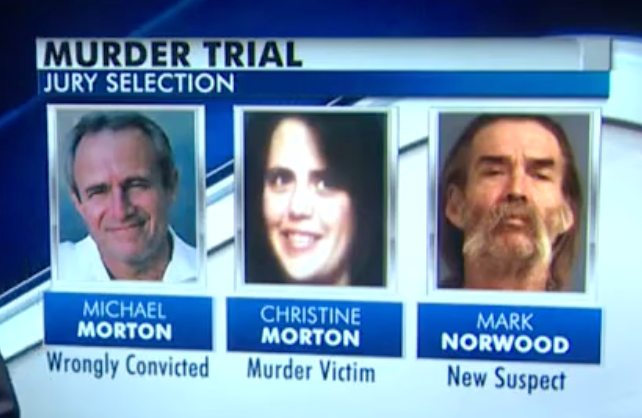
The state's case hinged on a lurid theory that he killed her because she refused birthday sex, and because her dinner from the night before was still in her stomach, which the state argued meant the murder happened in the middle of the night when Morton was still home.

Eric, who grew up being told his father was a killer, changed his last name, and stopped visiting Morton as he languished behind bars year after year.

One more thing: Texas's Tim Cole Act paid him $80,000 per stolen year — roughly $2 million, tax-free, plus a lifetime annuity — and he never had to sue for a dime of it.

Then it got worse. Hemme claimed she'd watched a man named Joseph Wabski, whom she'd met in the hospital's detox unit, kill Jeschke. Police charged Wabski with capital murder — until they learned he'd been at an alcohol treatment center in Topeka, Kansas the whole time. Told he couldn't be the killer, Hemme cried and said she'd done it alone. There were no fingerprints of hers at the scene, no witnesses...not even evidence she and Jeschke had ever met!

Even more damning? A search of his home turned up gold horseshoe earrings that Jeschke's father identified as ones he'd bought her. But wait, there's more! An FBI analysis found hair on Jeschke's bed had "microscopic similarities" to Holman's. The investigation into him lasted four days, then abruptly stopped. The police chief even removed an investigator who'd concluded Holman did it.

Holman was later fired from the police department after being found to have committed other crimes — including burglary and insurance fraud — and died in 2015.

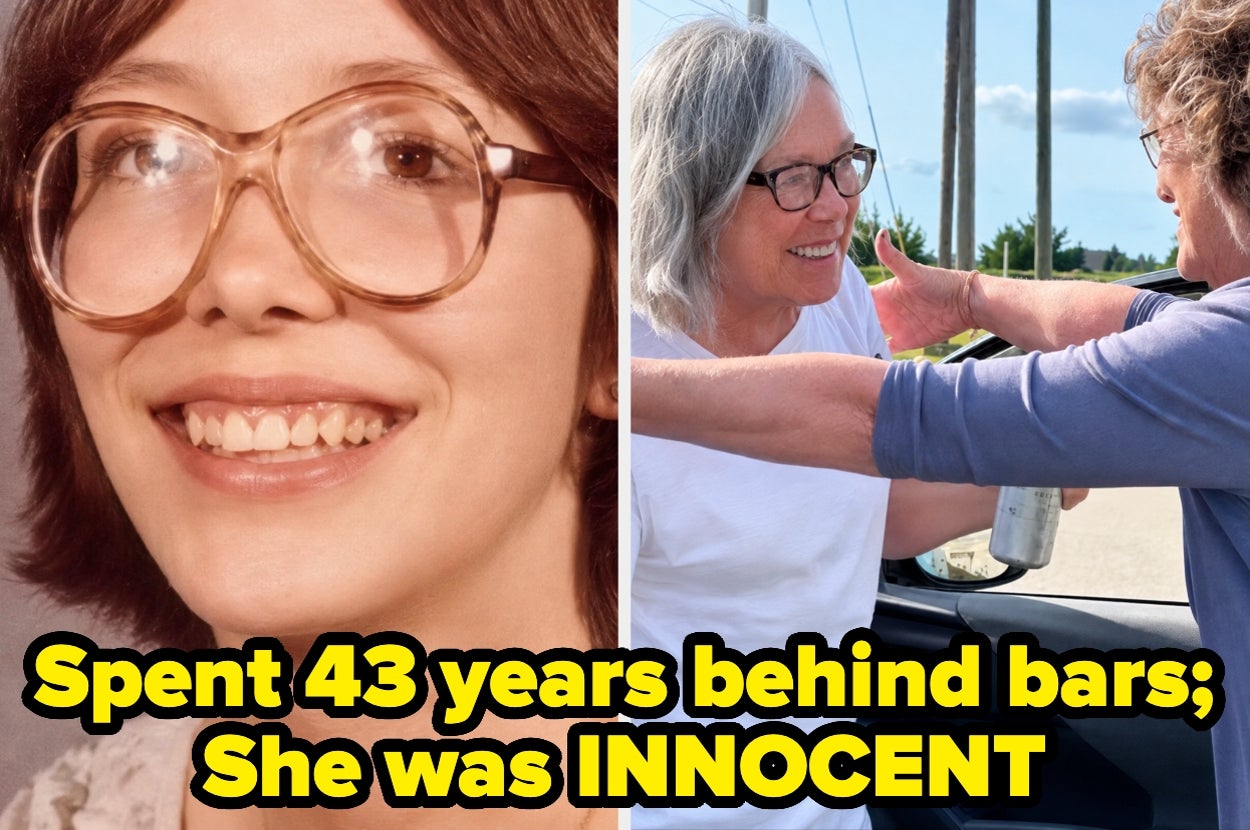
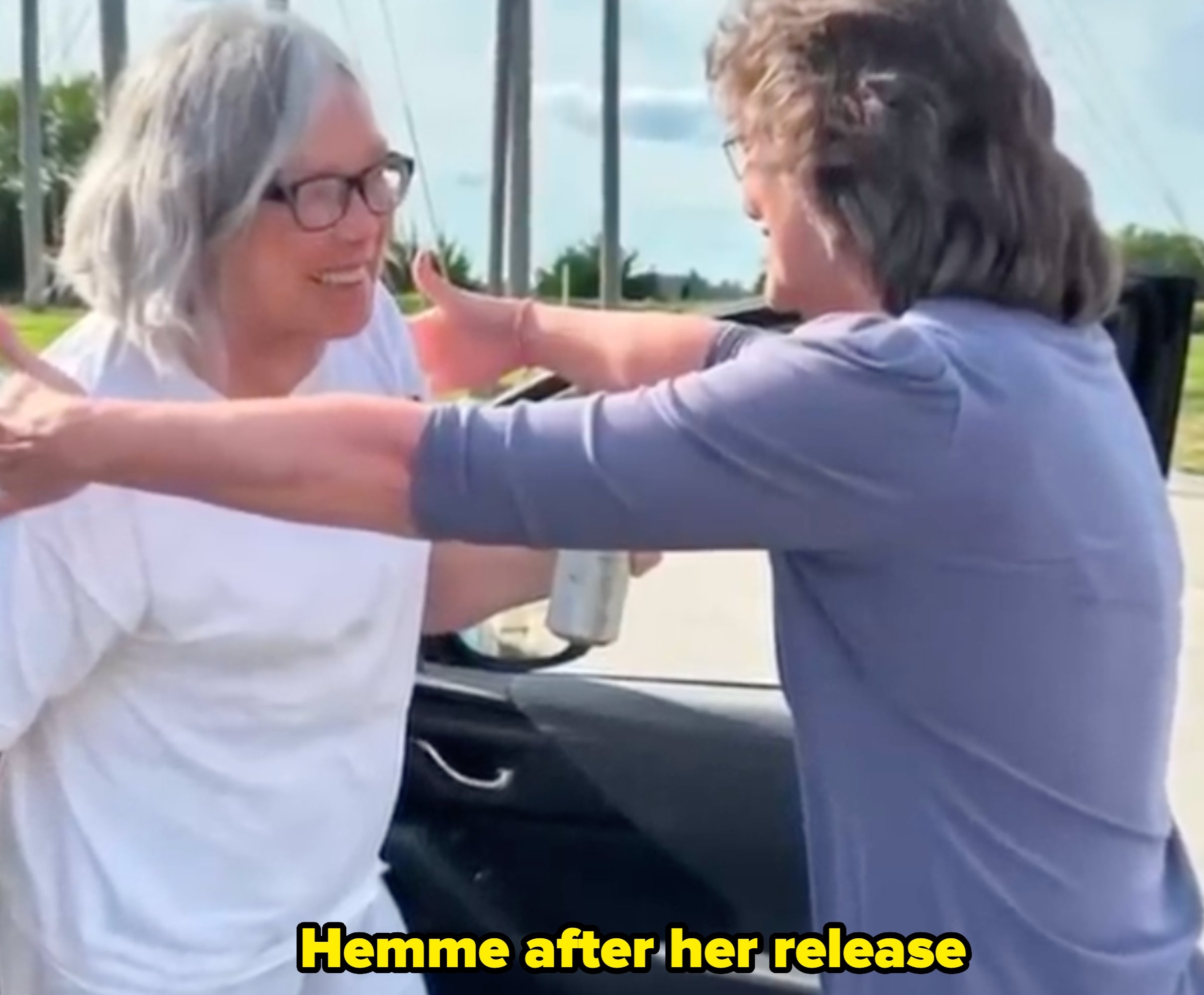
Making all of this even sadder is that Hemme's father was dying of acute kidney failure. Her attorneys pleaded for her release so she'd have a chance to see him before he died, and when Hemme finally walked out after more than 43 years, she went straight to his bedside. Except to sleep, she stayed there. He died 10 days later.

Hemme was 64 when she got out, and because she'd been incarcerated for so long, her attorney noted she wouldn't even be eligible for Social Security. She has since reconnected with the daughter and granddaughter she barely knew, moved toward living independently, and now attends a weekly exoneree support group.

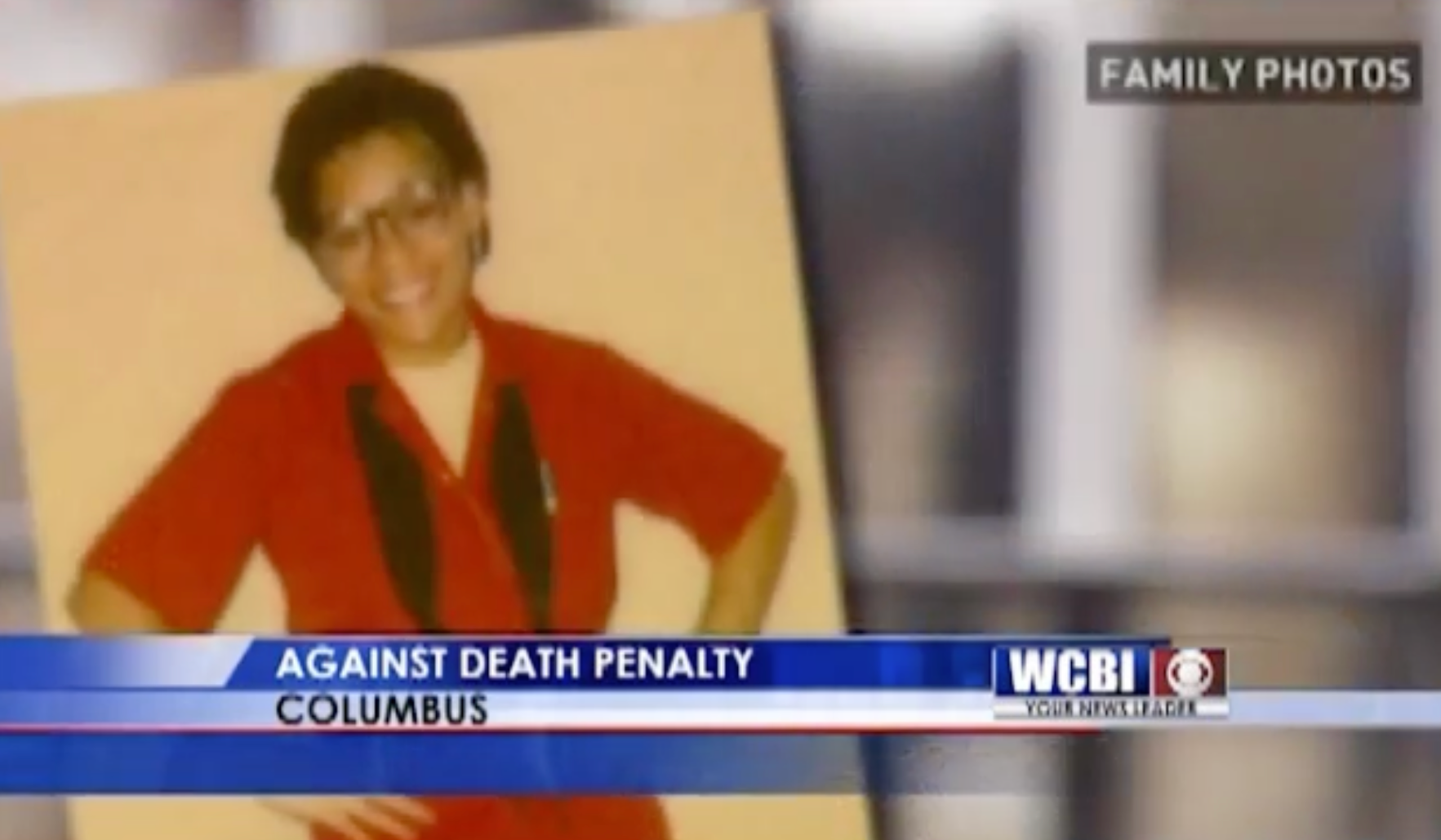
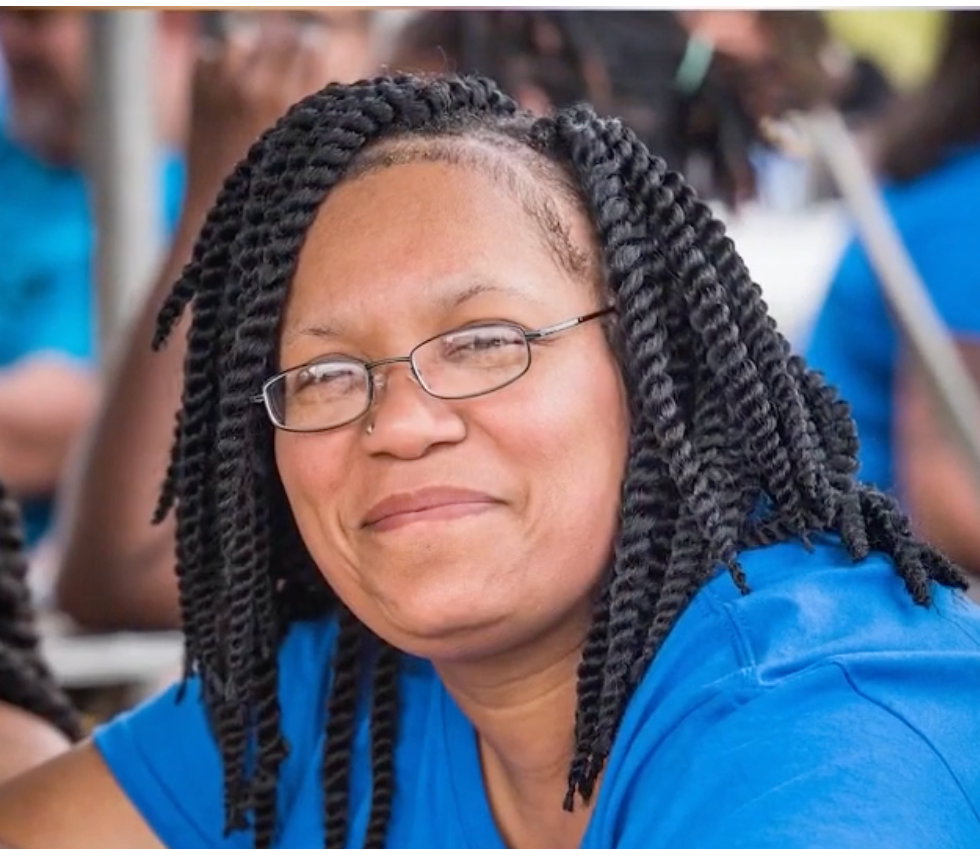
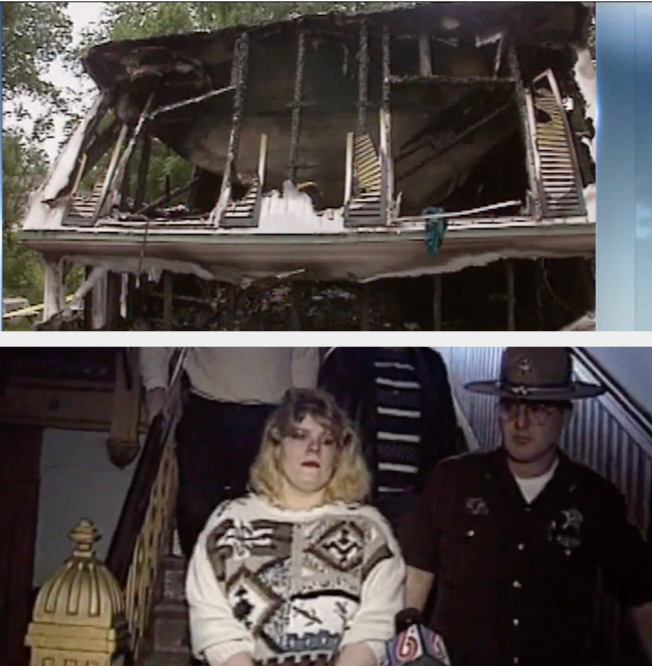
Getting out didn’t magically fix anything. It took Butler two years just to find where her son had been buried, and she later had a daughter who was diagnosed with the same kidney disease Walter suffered from. Much of the compensation she eventually received went toward her daughter’s medical care.

Today she lives in Memphis, has children and grandchildren, and works with Witness to Innocence, helping other death-row exonerees. She has said it took her about 10 years after her release before she could even comfortably talk about what had happened to her.

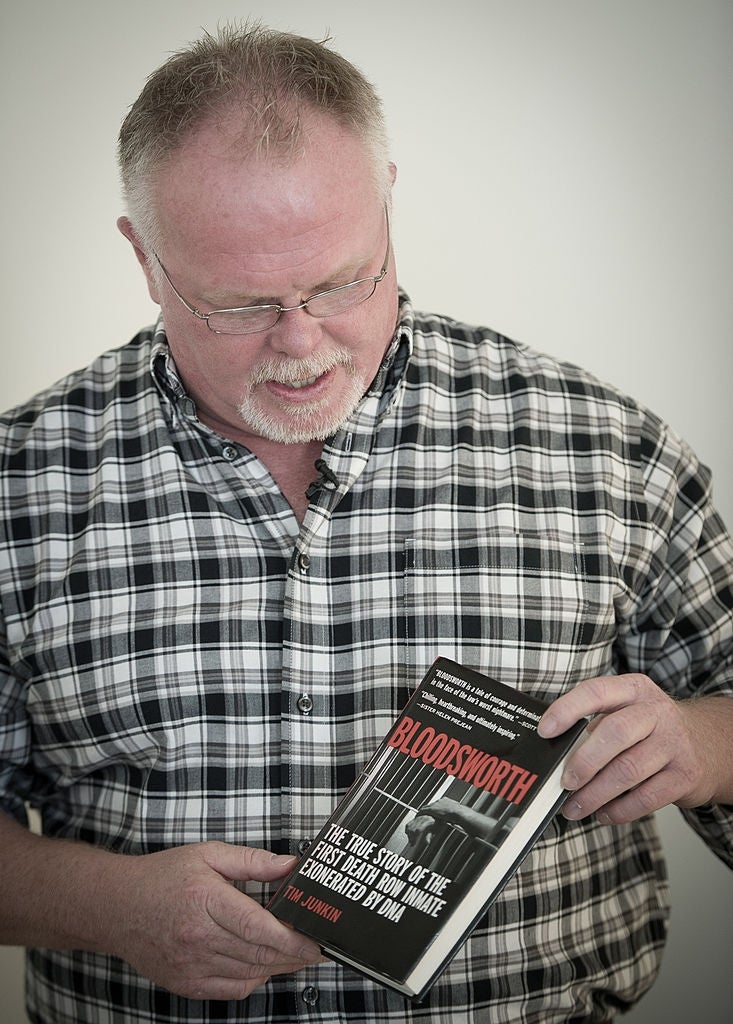
Bloodsworth's conviction was later overturned after an appeals court found prosecutors had withheld evidence pointing toward another possible suspect. Prosecutors tried him again — again convicting him — but this time he received life imprisonment.

Then Bloodsworth learned about a relatively new technology: DNA testing. He became obsessed with getting the biological evidence from his case tested, and in 1992, when the testing finally happened, the DNA excluded him.

Bloodsworth was released in 1993, becoming the first death-row prisoner in US history exonerated through DNA.

Freedom wasn’t easy for Bloodsworth. People left notes on his truck calling him a “child killer” even after DNA cleared him; he bounced between jobs and struggled with the stigma. Eventually, though, he turned his case into a career in reform. A federal DNA-testing grant program was named after him, he became a prominent anti-death-penalty advocate, and served as Executive Director of Witness to Innocence.

He was compensated $300,000 by the state of Maryland, plus $421,237 more in 2021 under the Walter Lomax Act.

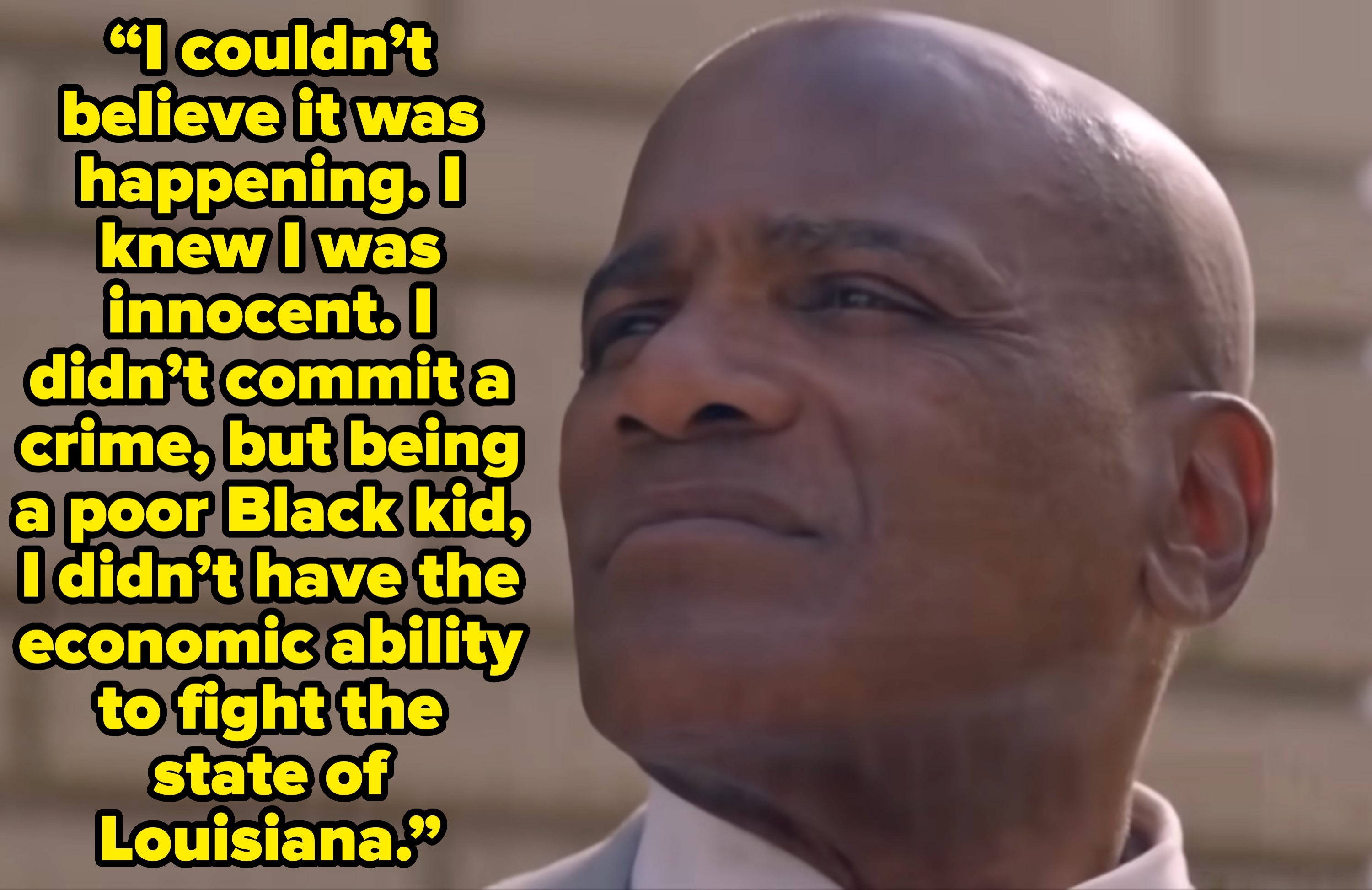
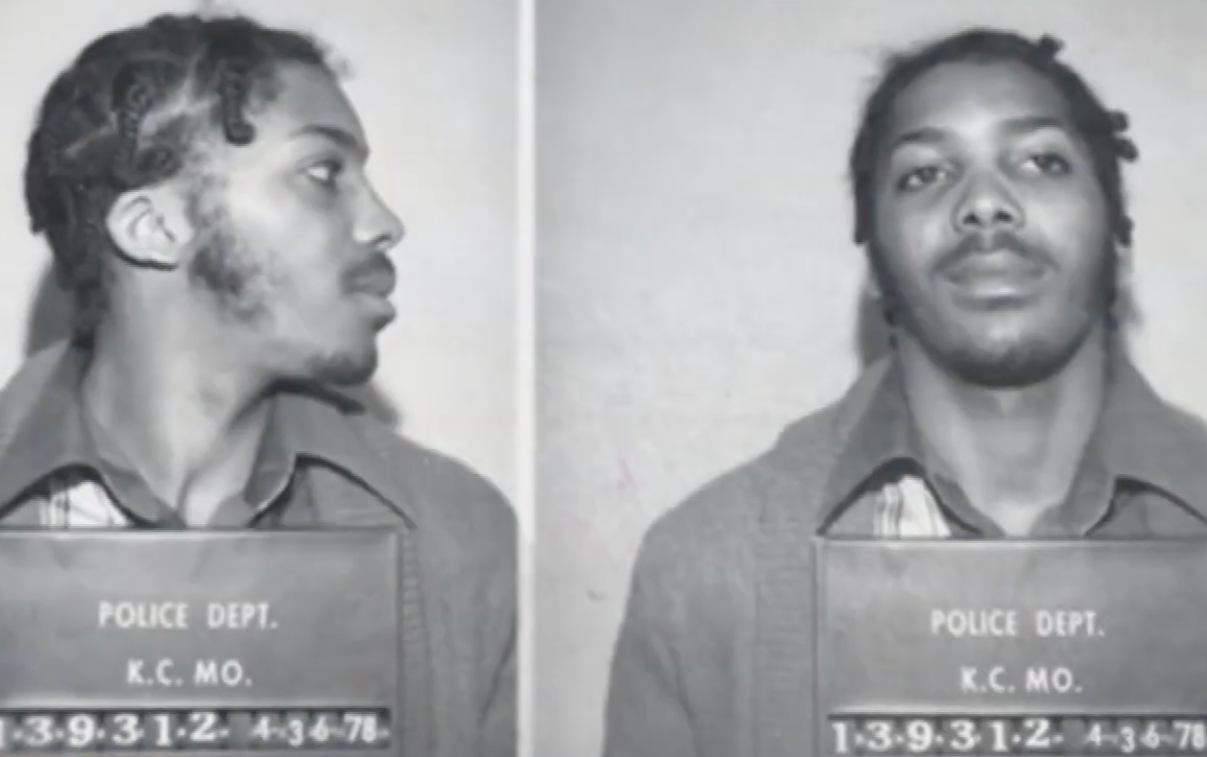
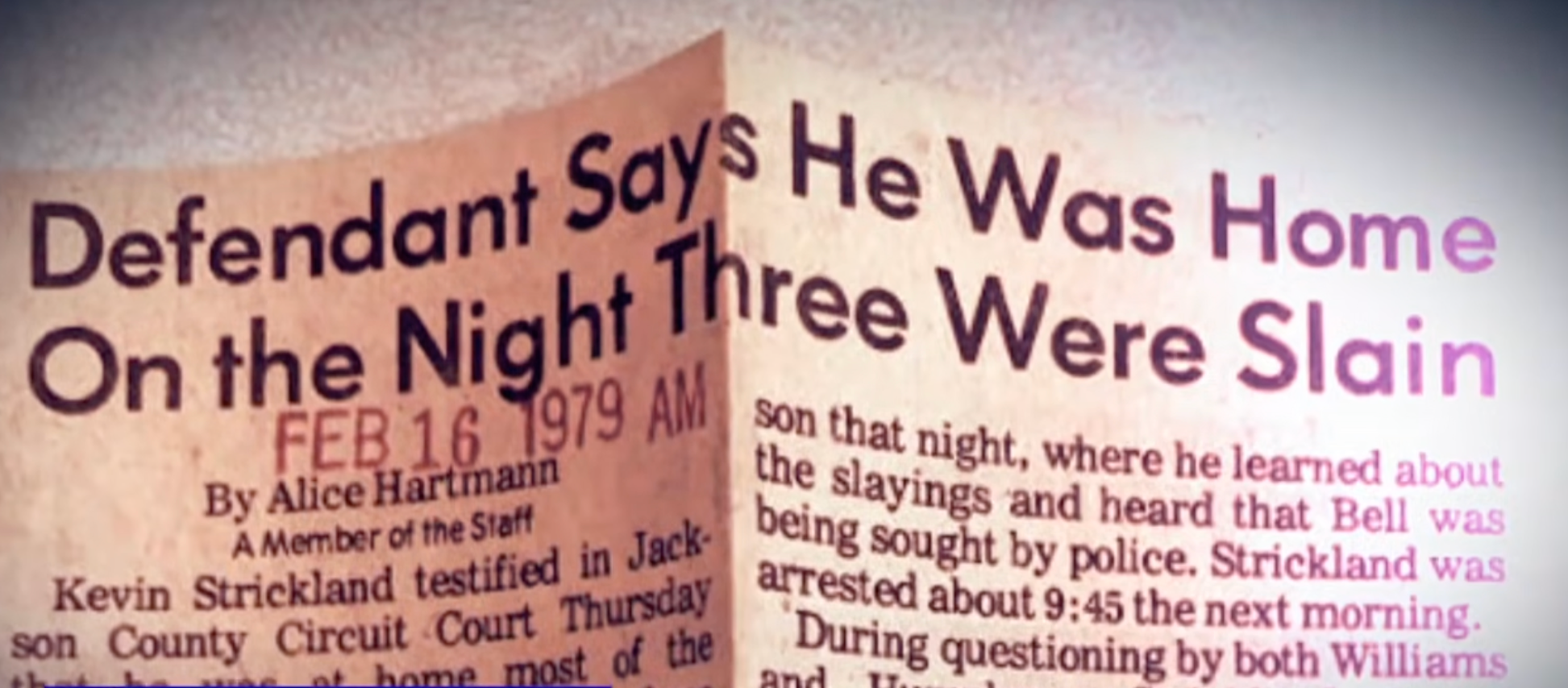
It finally took a new Missouri law allowing local prosecutors to seek relief in cases involving wrongful convictions before Jackson County Prosecutor Jean Peters-Baker could finally ask a judge to overturn the conviction. In November 2021, after a three-day hearing, Judge James Welsh ruled that the evidence against Strickland had become so unreliable that the conviction could not stand.

He also began getting to know the family he had lost decades with. He attended a family reunion, spent time with his daughter and grandchildren, and even took his first-ever airplane flight, going to Florida to visit his son.

Then came one final kick in the teeth. Though Missouri has a law compensating people who have been wrongfully imprisoned, it only applies to people exonerated through DNA evidence. So, because Strickland’s conviction was overturned without DNA, the state that had imprisoned him for virtually his entire adult life owed him no statutory compensation at all.

Ordinary people stepped in instead. A GoFundMe exploded after his release and ultimately raised roughly $1.8 million to help him restart his life.

Phillips taught himself to paint in prison, often using materials he could scrounge together, and after his release, people began buying them. Art became both an income source and a way of processing what had happened to him.

Michigan ultimately paid him more than $1.5 million in wrongful-imprisonment compensation. And then, incredibly, in 2022 authorities also cleared Phillips of an unrelated 1971 robbery conviction, concluding that Mitchell had falsely implicated him in that crime, too.

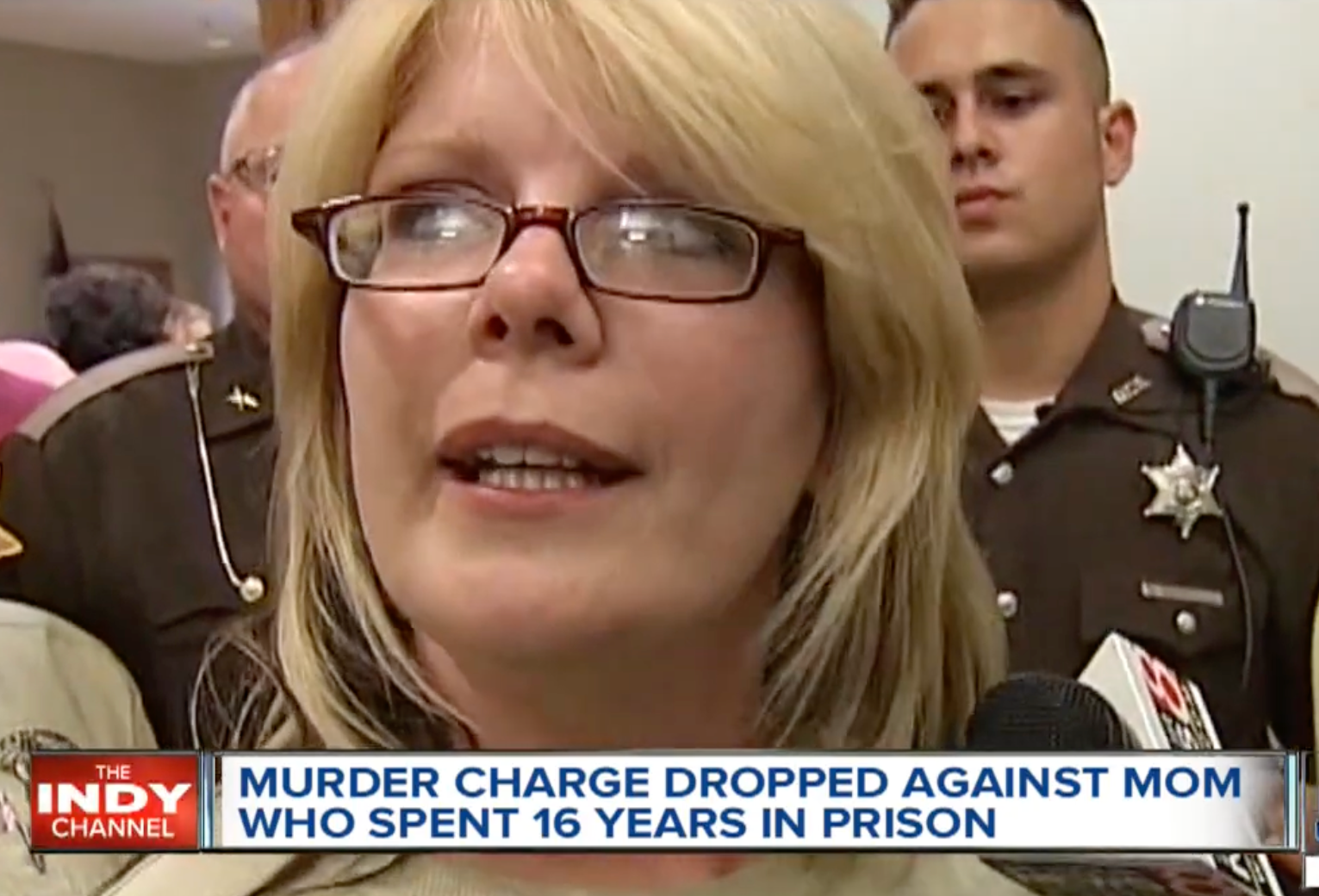
Upon release, she married again, to another exoneree, and reunited with her nephew, born only weeks after Christopher was. She said, "When I met him, I just started crying. This tall guy with a hairy face at my door; the last time I’d seen him he was four. It was very emotional... He called me on Mother’s Day one time. He said, ‘I know you’re my aunt, and I’m really sorry that you lost your son.’ He doesn’t remember Christopher. He said, ‘I wish you were my mother. But at least I love you as my aunt.’”

Simmons kept trying to prove his innocence, but it wasn’t until 2023 that he finally got somewhere. In April, Oklahoma County District Attorney Vicki Behenna, who had previously been the head of the Oklahoma Innocence Project, filed a motion seeking to vacate Simmons’s conviction. Simmons’s conviction was vacated, and a new trial was ordered, but Behenna’s office declined to try him again.

In August 2024, the city of Edmond agreed to pay Simmons $7.15 million to settle his civil rights claims against the city and the estate of an Edmond detective. Oklahoma itself paid him $175,000 — the maximum allowed under state law. Simmons said, "I'm always with this attitude of gratitude, but $175,000 after 48 years of incarceration? And yet you gave the private prison complex $48 a day to keep me locked up? I think it's a mockery." For the record, Simmons's payout amounted to less than $10 per day behind bars.

As for Roberts, the other man convicted alongside Simmons, he, too, had an alibi: He and his sister testified that he was in Dallas on the day of the murder. Roberts ultimately spent more than 30 years in prison before being paroled in 2008. Unlike Simmons, however, Roberts has never been formally exonerated.
Comments
You must be logged in to comment.