yahoo Press
Stock market today: Dow, S&P 500, Nasdaq futures hold steady as oil prices near $100
Images
1 / 4
2 / 4

3 / 4

4 / 4
US stock futures were little changed in premarket trading on Wednesday as oil prices continued their journey upward and traders shifted their expectations of a Fed rate hike in September.

Futures on the Dow Jones Industrial Average (YM=F) slipped 0.3% after a downbeat session on Tuesday that saw the Dow lose over 600 points. Those on the S&P 500 (ES=F) fell 0.2%, while contracts for the Nasdaq-100 (NQ=F) edged lower by 0.4%.

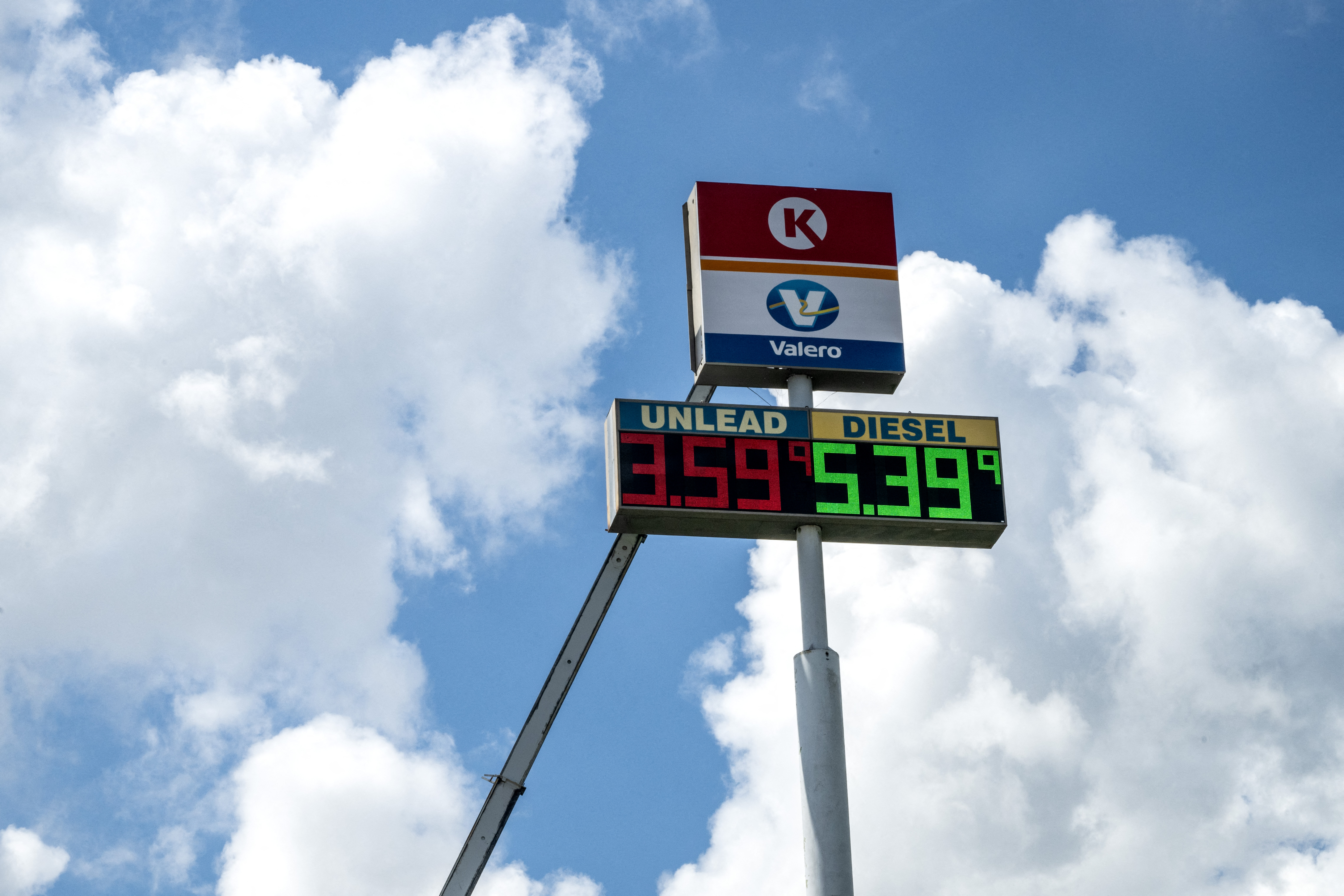
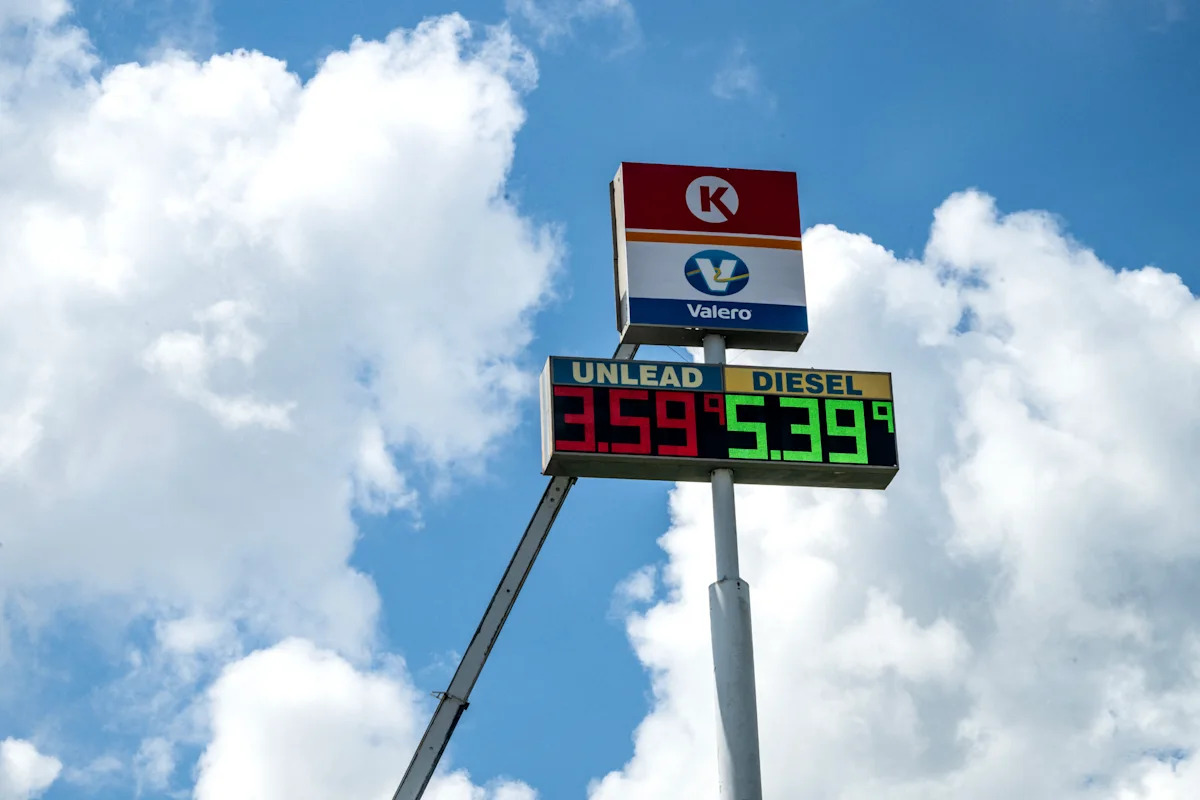
Oil prices are once again approaching triple digits for the first time in over a month after fighting between the US and Iran escalated and the US struck five Iranian oil tankers. Brent crude oil futures (BZ=F), the global benchmark, traded at $99 per barrel, while US benchmark WTI crude (CL=F) stood at $94 per barrel.

Concerns that energy supply disruptions stemming from the war in the Strait of Hormuz will persist fed into bets that the Federal Reserve will raise interest rates next week. Traders now see a 60% chance of a 25 basis point hike this month, according to CME Group, up slightly from the odds a day ago.

Inflation concerns took priority with fewer earnings reports to digest. On Wednesday, however, Chewy (CHWY) and American Eagle Outfitters (AEO) will provide quarterly updates and insights into consumer spending.

Apple (AAPL) will also kick off a new era on today when CEO John Ternus takes the stage for the first time for the company's annual iPhone launch event.

Yahoo Finance's Ben Werschkul reports:

Canadian retaliatory tariffs of up to 50% on some 700 US goods took effect on Tuesday and led to a quick response from the White House who unveiled plans hours later that included a plan to ban Canadian dairy products, most alcoholic beverages and motorcycles as relations between the US and Canada took yet another turn for the worse.

The move by Canadian Prime Minister Mark Carney solidified Canada as one of the few nations to choose confrontation in President Trump's trade wars. Canadians say they are willing to endure economic pain to make a point.

And neither side appeared interested in stepping back Tuesday with Carney striking a defiant tone and Trump's team quickly rolling out a series of actions in response, including the plans for a full ban on dairy products and a partial ban on alchohol products which currently have tariffs but will now be "excluded from importation into the United States" on September 29 if the stalemate between the two nations continues.

These bans will be carried out, the White House says, under Presidential Authority derived from Section 338 of the Tariff Act of 1930.

Read more.

Economic data: MBA mortgage applications, week ended Sept. 4 (+0.8% expected); ADP weekly employment change, week ended Aug. 22 (+11,750 previously)

Earnings calendar: The Cooper Companies (COO), SailPoint (SAIL), Chewy (CHWY), AeroVironment (AVAV), Navan (NAVN), American Eagle Outfitters (AEO), Wealthfront (WLTH)

Catch up on some top stories overnight:

Bessent: We can grow our way out of debt with 3% GDP growth

The US/Canada trade war escalates as retaliatory tariffs from Canada spur the White House to unveil a plan to ban certain products entirely

Sapporo to move some beer production from Canada to US after tariffs

US DOJ widens probe into Fox's Roku deal, Semafor reports

LIV Golf files for bankruptcy in latest step to survive after losing PIF funding, chaotic 2026 season

SAP CEO: Our AI breakthrough moment is coming

Yahoo Finance's Jennifer Schonberger reports:

Treasury Secretary Scott Bessent said Tuesday that he believes the US can grow its way out of debt if it can achieve annual economic growth of 3%.

"We don't have a revenue problem. We have a spending problem," Bessent said during a Q&A at SMU Cox School of Business in Dallas. He said if the US tries to contain spending coupled with 3% growth, "we [can] grow our way out of this."

The total US national debt recently surpassed $40 trillion, and the annual fiscal deficit is projected to top $2 trillion by the end of the fiscal year on Sept. 30.

"We'll get to the other side of this Iran conflict and the underlying economy is very, very strong, and I think reaccelerating," he added, pointing to how incentives in the big tax law passed last year are leading to new construction of manufacturing plants, pointing to Pepsi (PEP) expanding a Frito-Lay plant in Arizona, Winnebago (WGO) buying a battery plant, and Boeing (BA) increasing capacity of its Dreamliner.

Read more.
Comments
You must be logged in to comment.