buzzfeed Press
19 Songs With Hidden Meanings That Went Completely Over Most People's Heads
Images
1 / 20
2 / 20

3 / 20
4 / 20
5 / 20
6 / 20
7 / 20
8 / 20
9 / 20
10 / 20
11 / 20
12 / 20
13 / 20
14 / 20
15 / 20
16 / 20
17 / 20
18 / 20
19 / 20
20 / 20
“‘You’re Beautiful’ follows a man, high on drugs, who catches sight of a woman with someone else on the London Underground and spirals into a fleeting fantasy about her. It’s meant to be unsettling, not romantic.”

Warning: This post discusses racism, violence, and drug use.

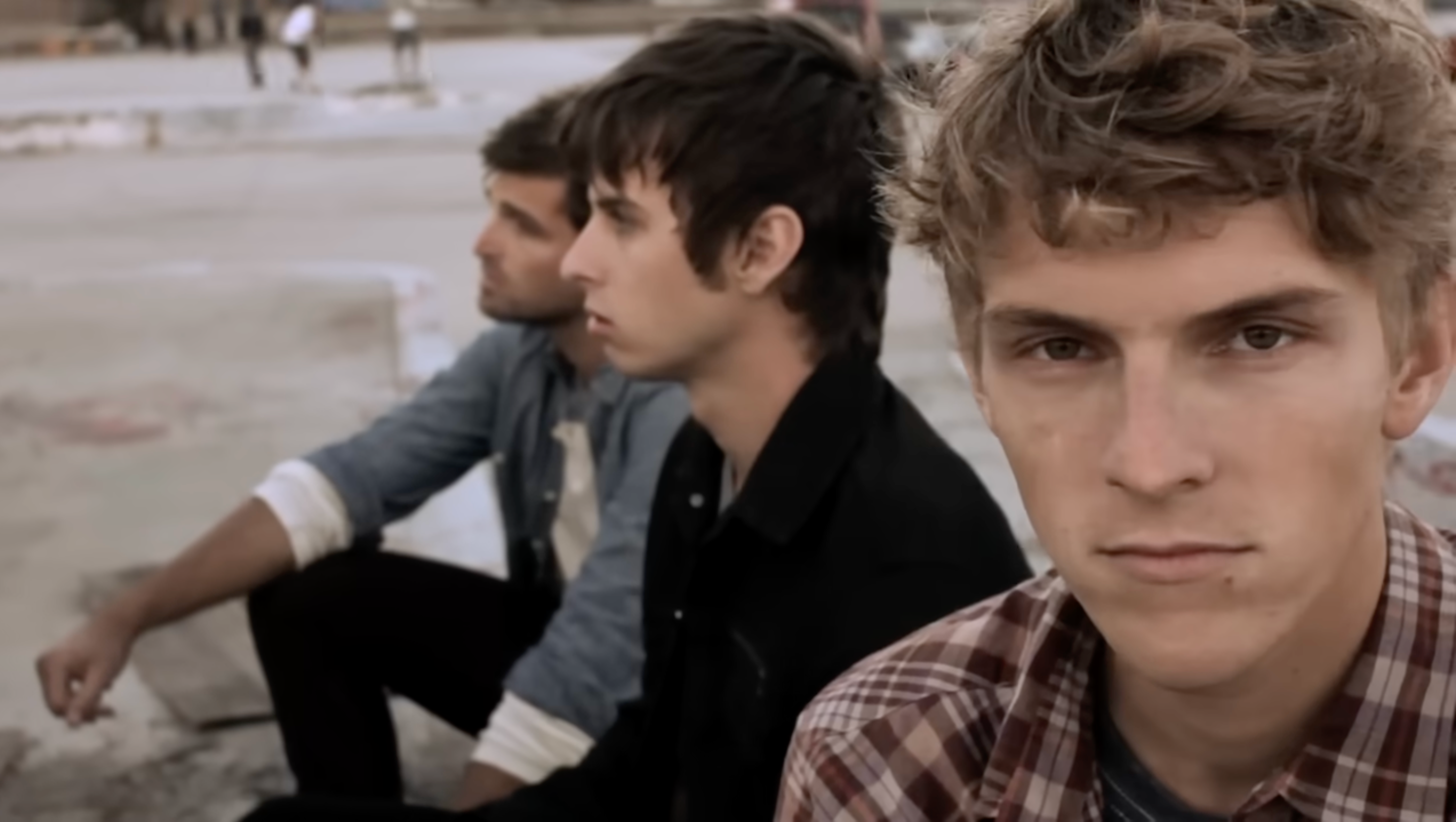
With its whistling hook and infectious bassline, "Pumped Up Kicks" sounded like one of the defining indie-pop hits of the early 2010s. But the lyrics are told from the perspective of a deeply troubled teenager fantasizing about shooting his classmates. Mark Foster has said he wanted to explore that disturbing mindset, and the bright, breezy production is part of what made the song so unsettling. It was catchy enough to become a summer hit even though its subject was a school shooting.

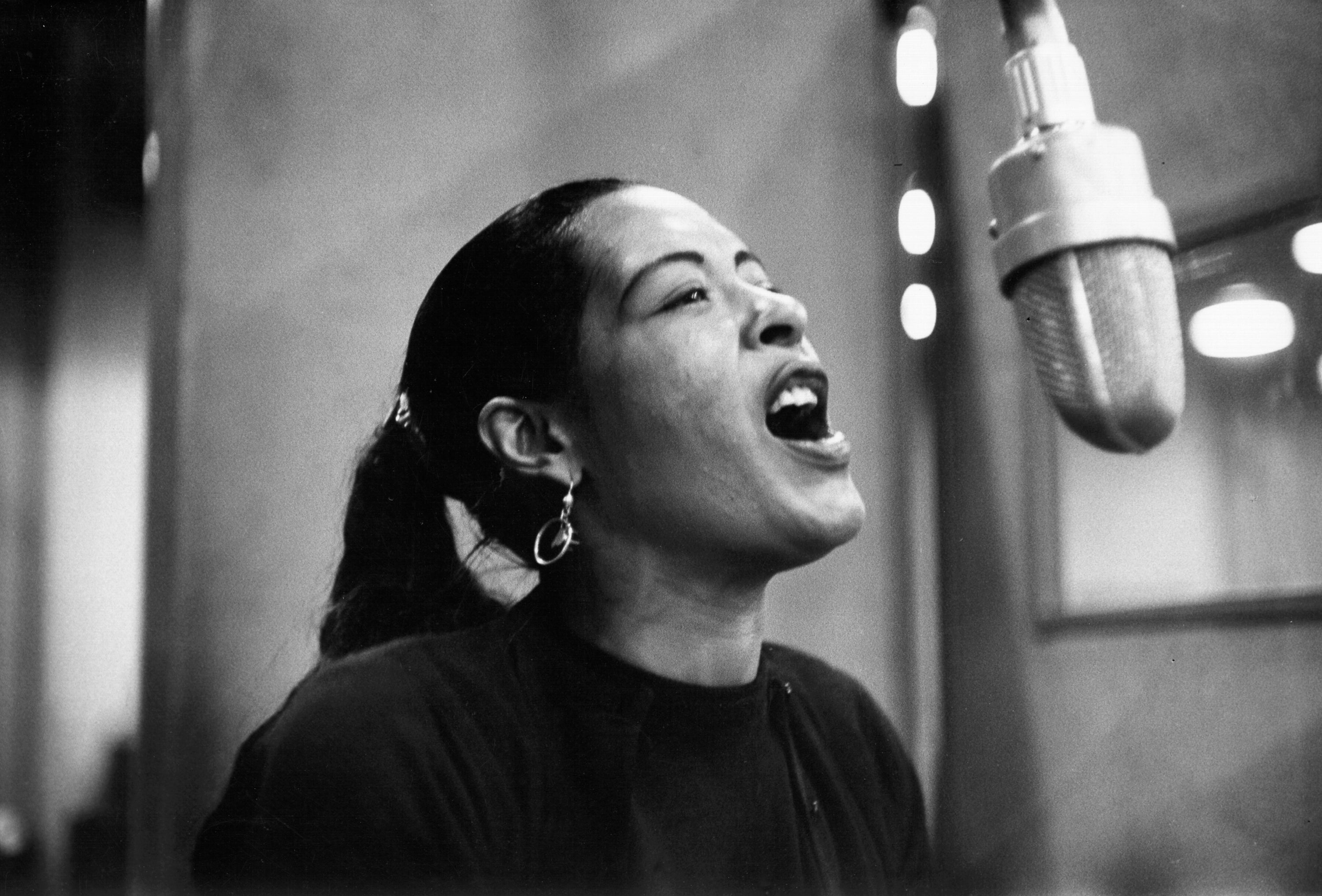
Most people know "Strange Fruit" is about lynching. Fewer know it began as a poem by Abel Meeropol, a Jewish high school teacher from the Bronx, who was haunted by a photograph of the 1930 lynching of Thomas Shipp and Abram Smith in Marion, Indiana. He later set the poem to music, and Billie Holiday turned it into one of the most powerful performances of her career, closing her sets at Café Society with the lights dimmed and no encore. (Holiday's memoir later claimed she and her accompanist wrote the music, but Meeropol disputed that account, and the record was eventually corrected.) Years later, Meeropol and his wife also adopted the two sons of Julius and Ethel Rosenberg after the couple's execution.

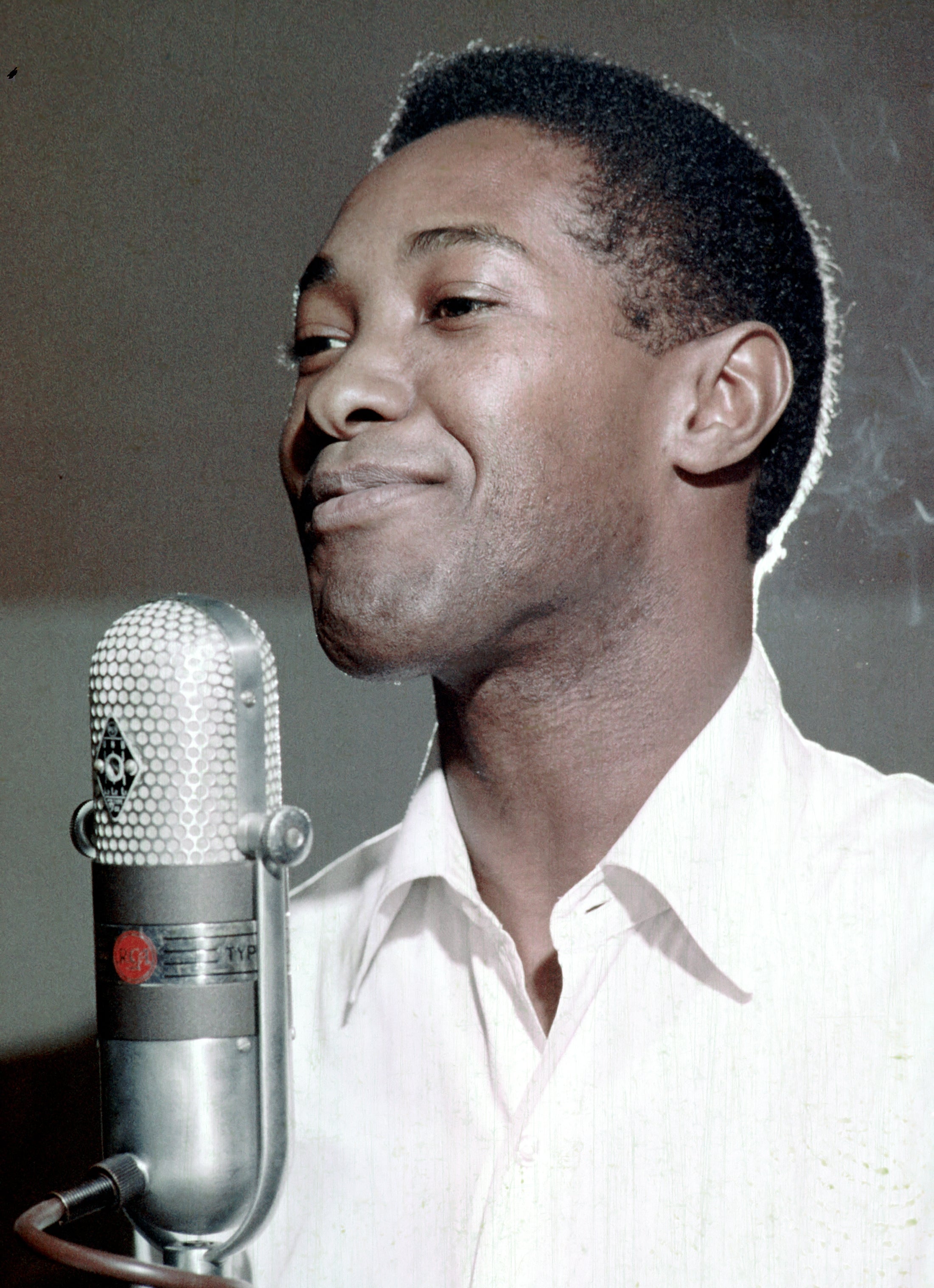
"A Change Is Gonna Come" grew out of one of the hardest periods of Sam Cooke's life. After he was denied a room at a whites-only Holiday Inn in Louisiana and arrested for protesting it, he set out to write the kind of civil rights anthem he felt was missing. Biographer Peter Guralnick wrote that Cooke was especially moved by Bob Dylan's "Blowin' in the Wind," believing he should have been the one to write a song like it. Still mourning the recent death of his infant son, Cooke recorded "A Change Is Gonna Come" only months before he was killed. It was released after his death and went on to become one of the defining songs of the Civil Rights Movement.

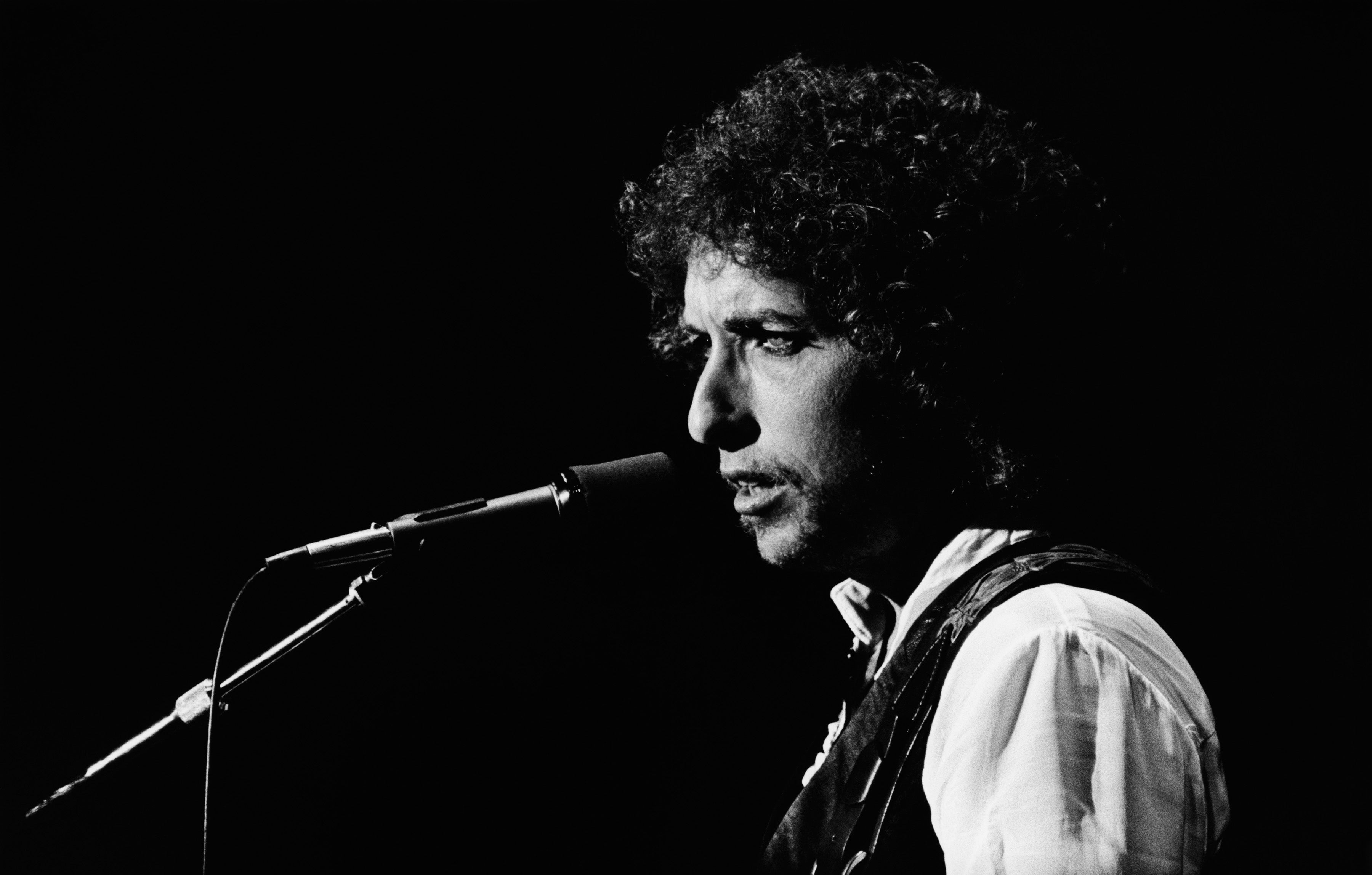
Though "Blowin' in the Wind" has become shorthand for peace and idealism, it's fundamentally a civil rights song. Dylan built its melody on "No More Auction Block," a spiritual associated with formerly enslaved people, connecting one era's fight for freedom to another. Pete Seeger first pointed out the source, and Dylan confirmed the influence years later.

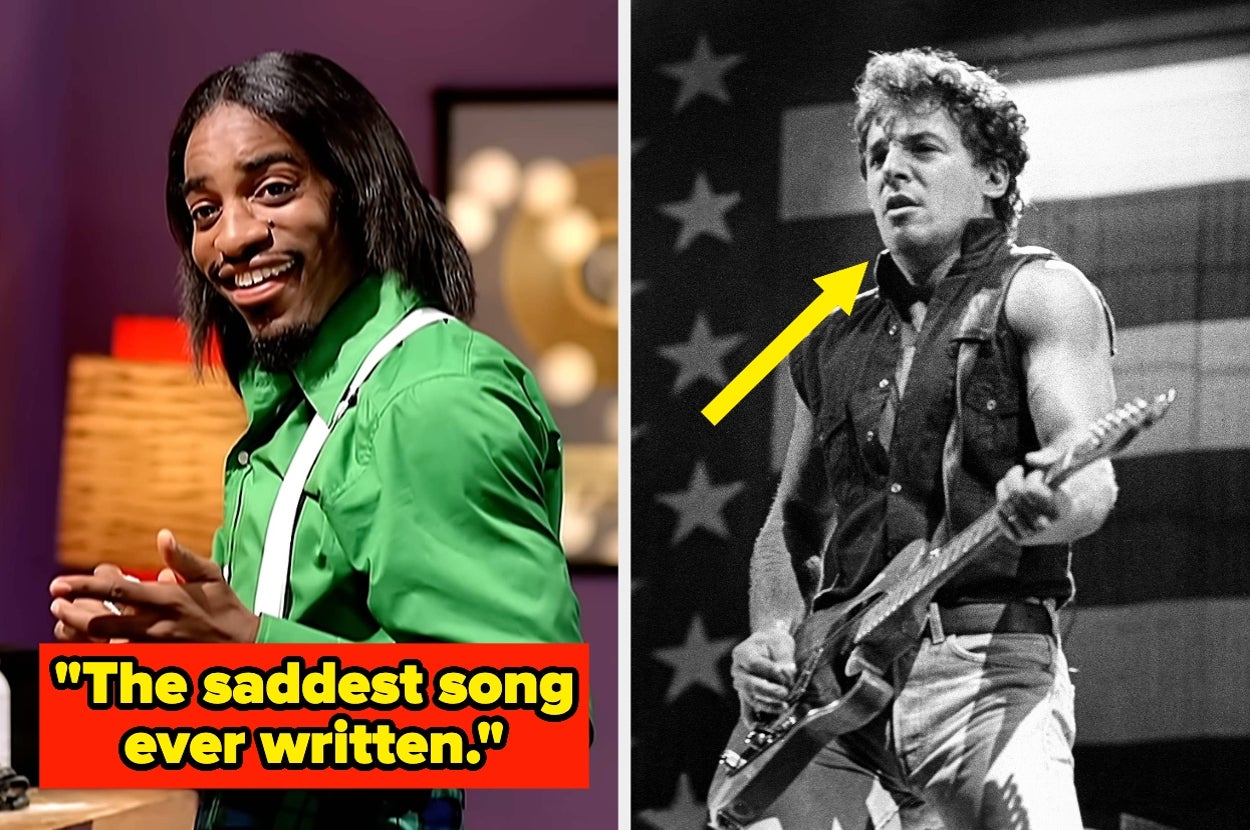
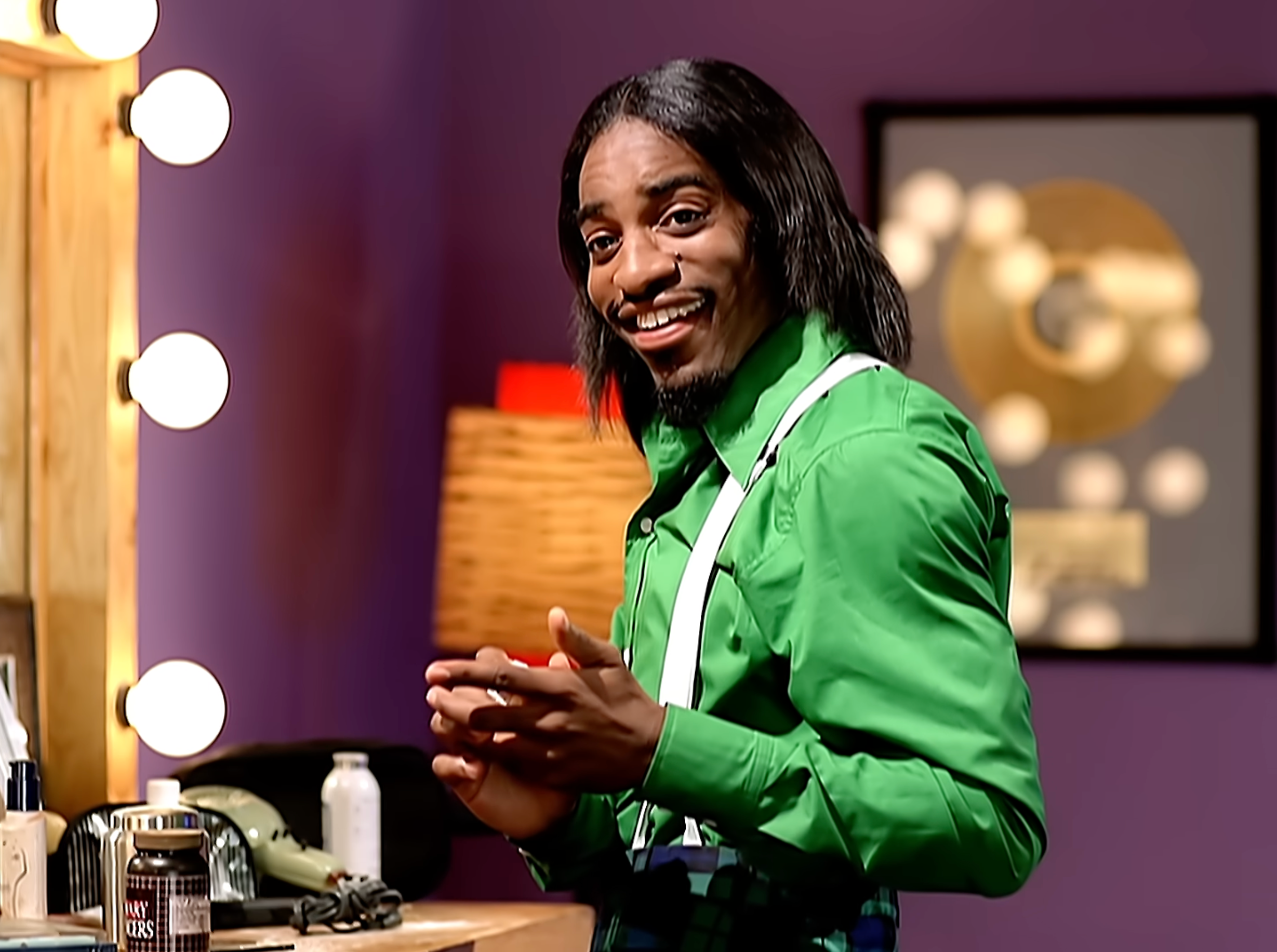
"Hey Ya!" sounds like pure joy, but it's really a breakup song. André 3000 spends the lyrics questioning whether two people are staying together because they still love each other or because they're afraid to leave. Midway through, he even acknowledges that most listeners are missing the point: "Y'all don't want to hear me, you just want to dance." Years later, OutKast's own social media account summed it up perfectly, calling a tiny slice of the song "a bop" and the rest "the saddest song ever written."

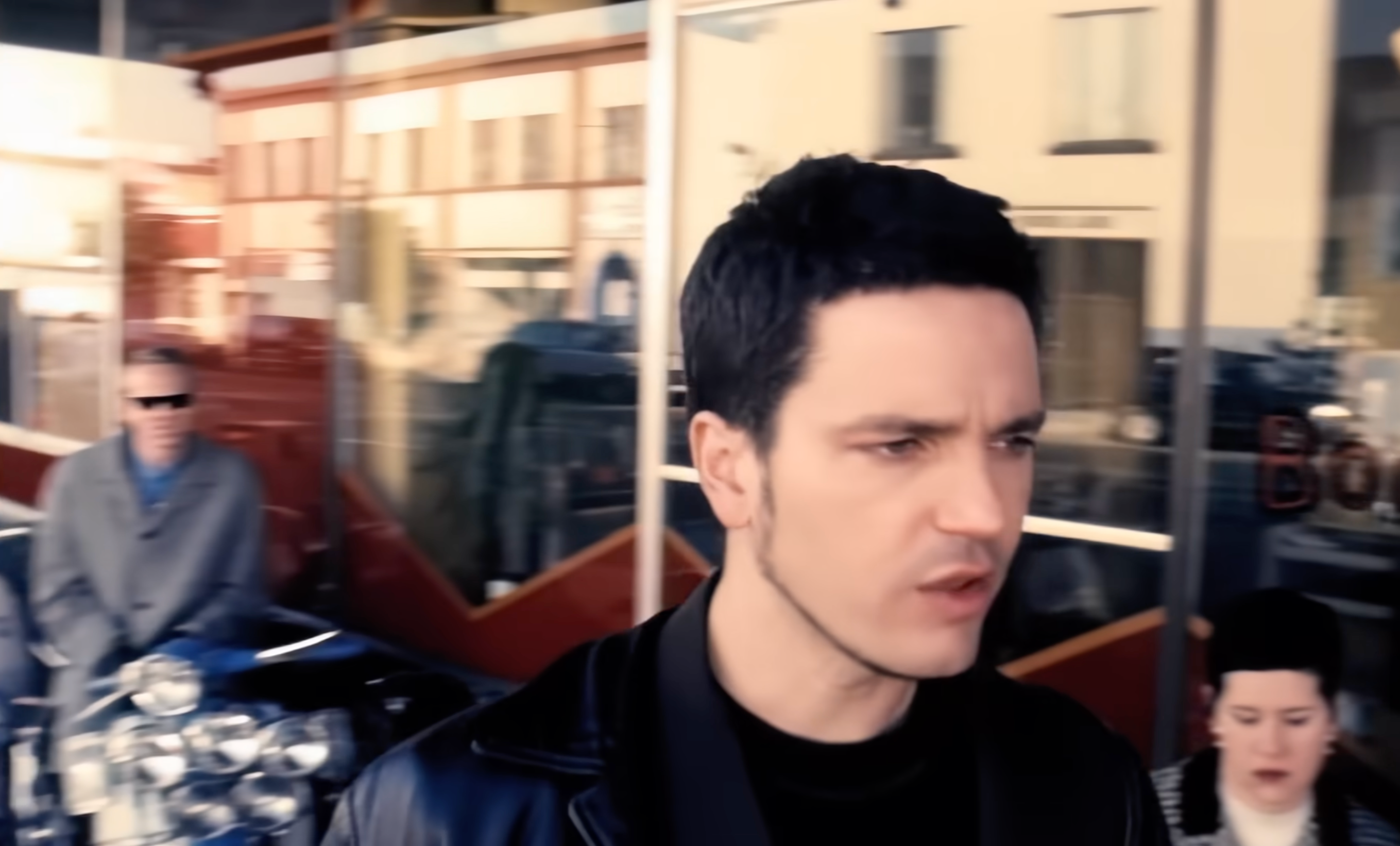
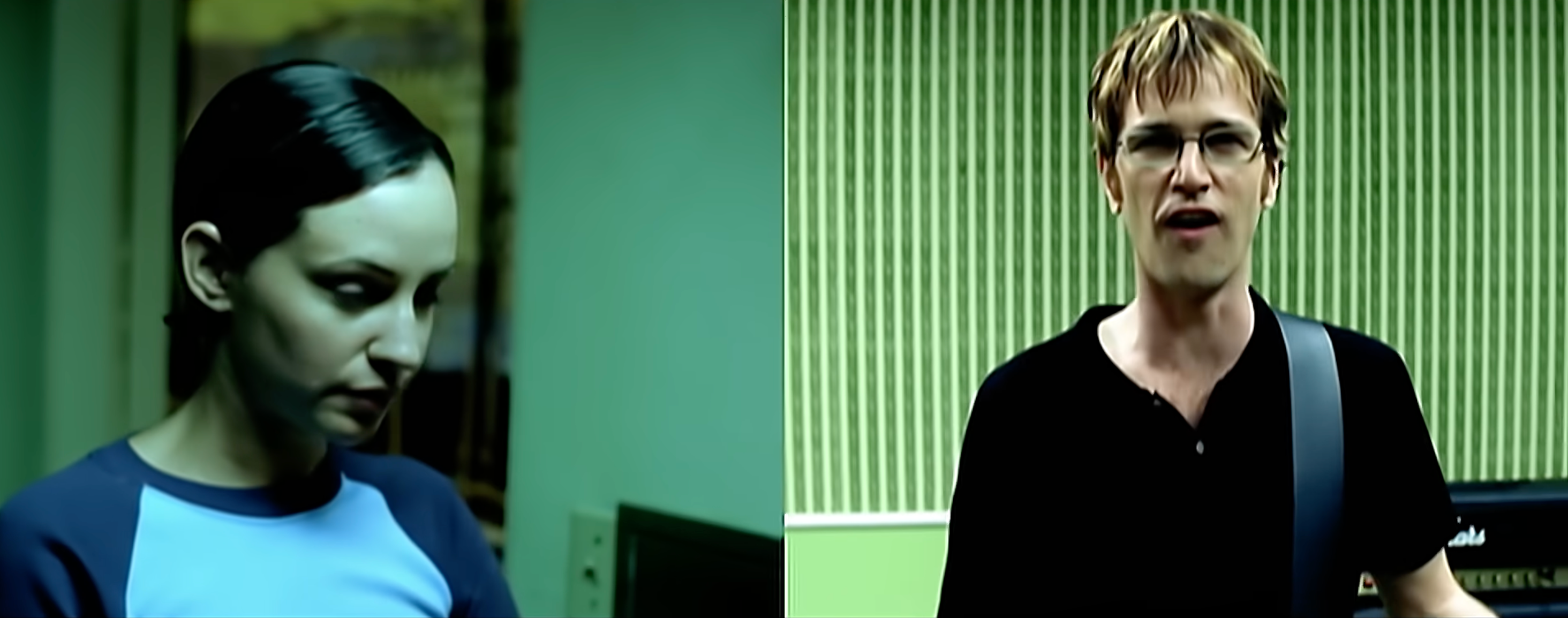
That infectious "doo-doo-doo" hook makes "Semi-Charmed Life" feel like one of the happiest songs of the '90s. In reality, it's about crystal meth addiction, chasing the high, and watching everything else fall apart. Stephan Jenkins intentionally buried those themes under a relentlessly upbeat melody, and radio edits cut some of the clearest drug references, making it easy for most listeners to miss what the song is really saying.

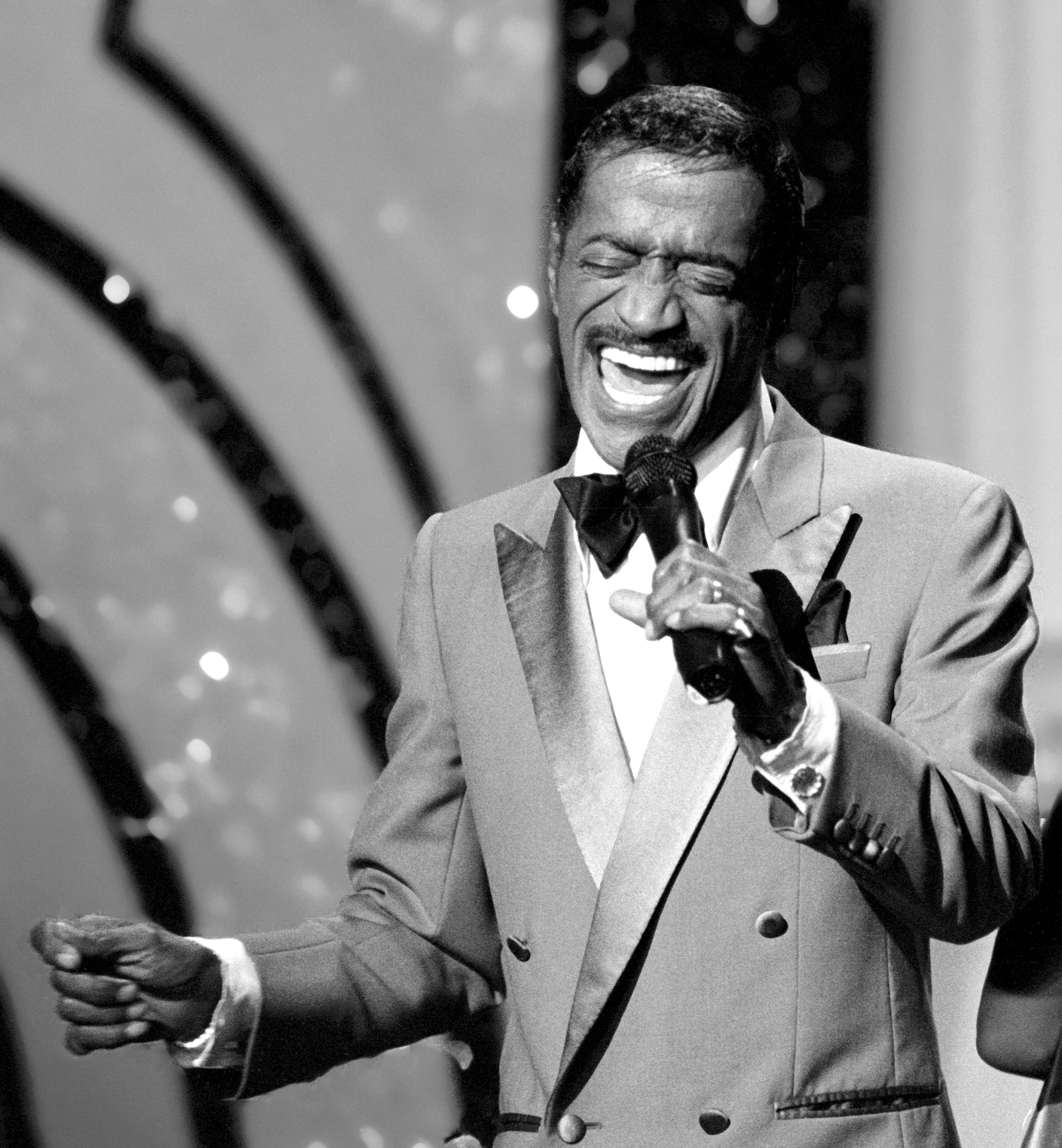
The song actually originated in The Rothschilds, a Broadway musical by Jerry Bock and Sheldon Harnick. In the show, it's sung by the Rothschild family patriarch, who hopes to see his people free — and his sons living in peace — within his own lifetime instead of leaving that dream to the next generation. When Sammy Davis Jr., who had converted to Judaism and spent much of his career confronting racism in America, recorded it as a solo single, the song took on an entirely new meaning. What began as a show tune about 18th-century European Jewish people came to resonate with the American civil rights movement as well.

Source: New York Public Library | Masterworks Broadway

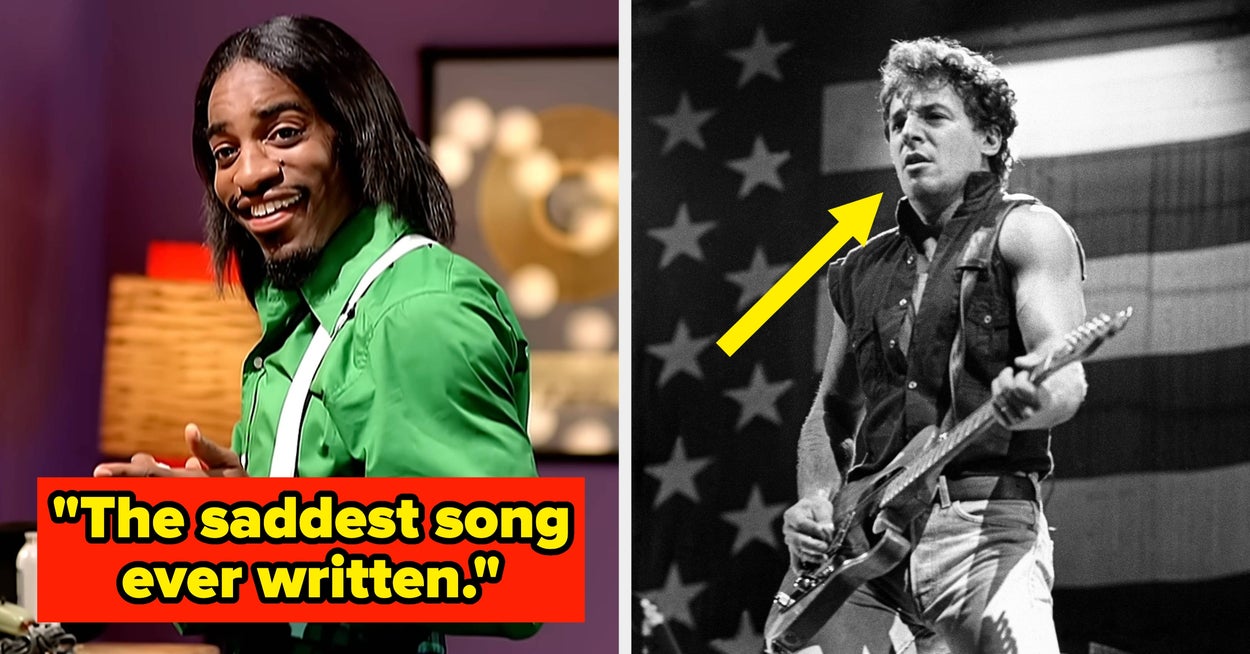
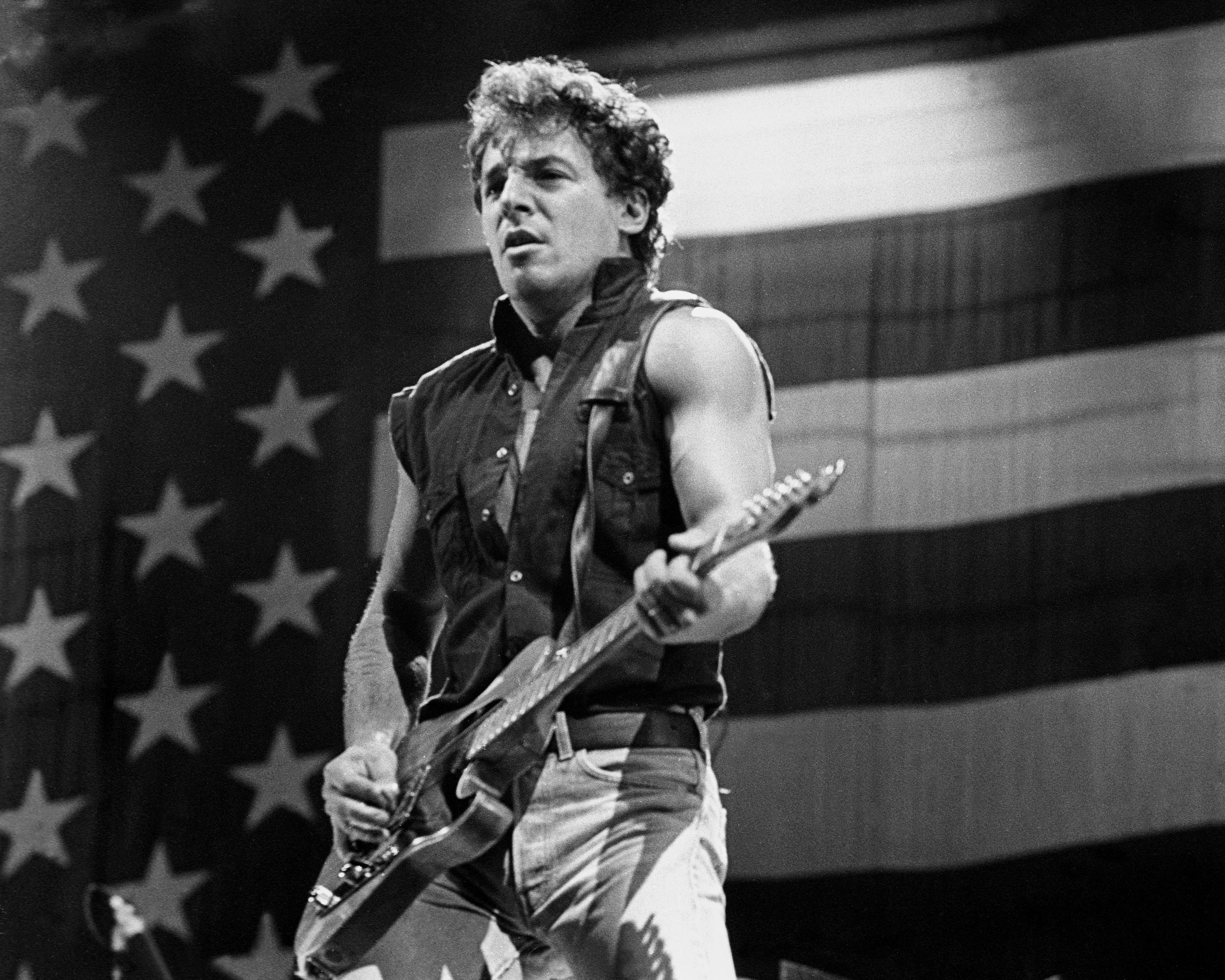
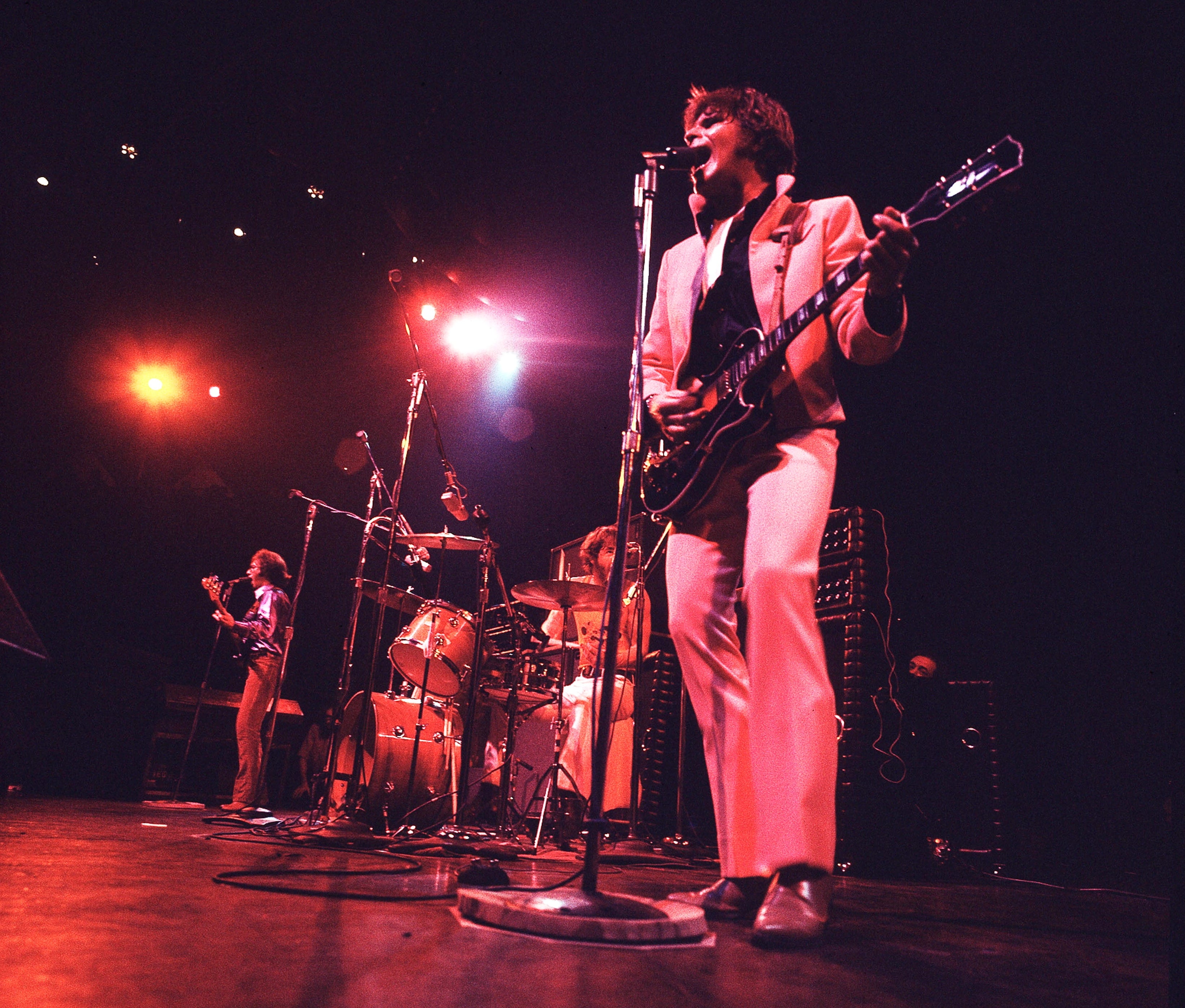
Few songs have been misunderstood more than "Born in the U.S.A." The chorus sounds like a patriotic anthem, but the verses tell the story of a Vietnam veteran who returns home to find no job, little support, and a country that seems to have forgotten him. Springsteen has said he was influenced in part by Ron Kovic's memoir Born on the Fourth of July. The song's meaning was famously misunderstood when Ronald Reagan invoked Springsteen during a 1984 campaign stop in New Jersey, and politicians have continued making the same mistake ever since.

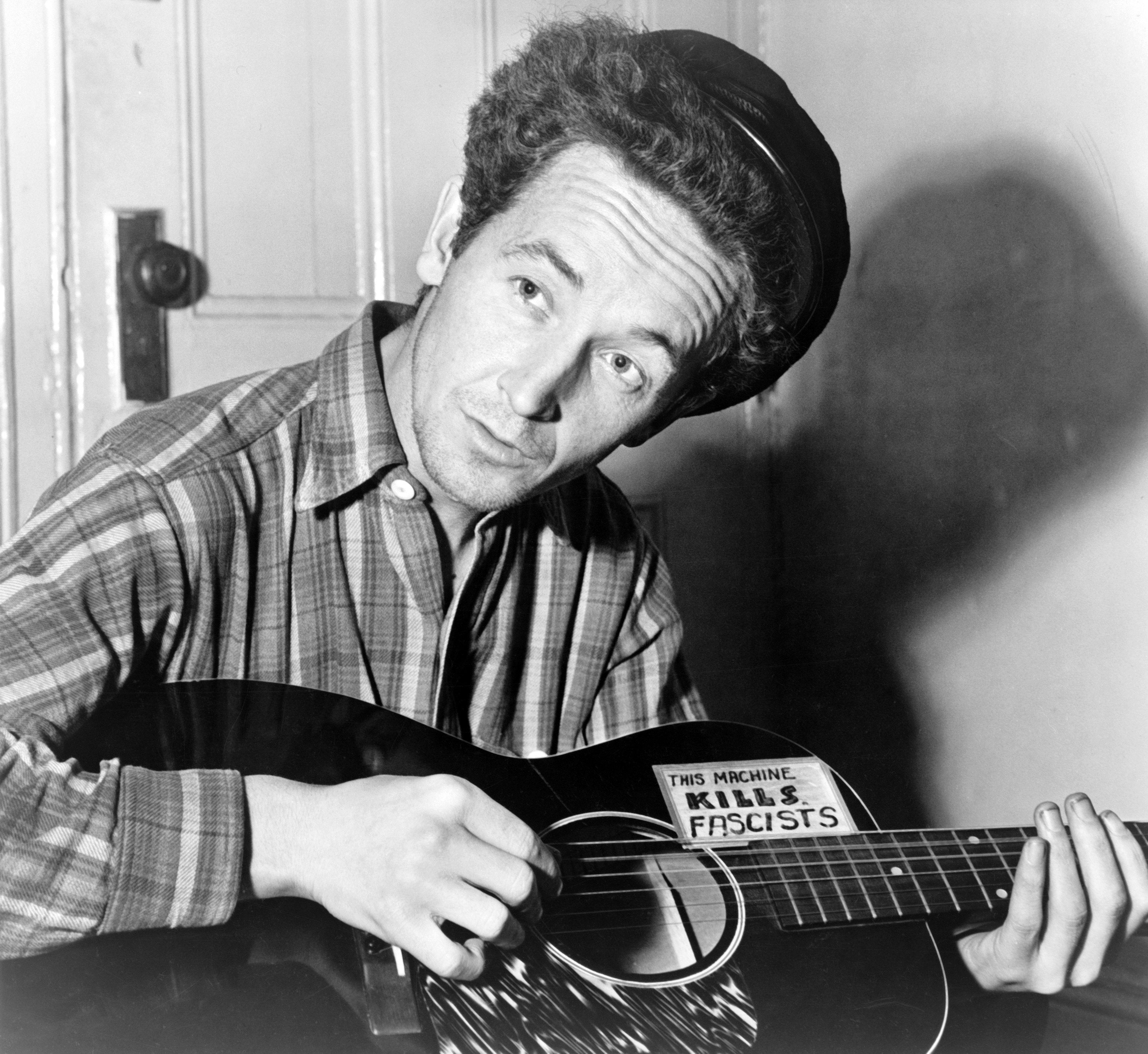
Though the song is taught in classrooms as a patriotic folk song, Woody Guthrie actually wrote it as a response to Irving Berlin's "God Bless America," which he'd grown tired of hearing on the radio. He even gave it the sarcastic working title "God Blessed America for Me." Most of the verses children learn today leave out the ones criticizing inequality, including a verse about a private-property sign and another describing a line of hungry people waiting outside a relief office.

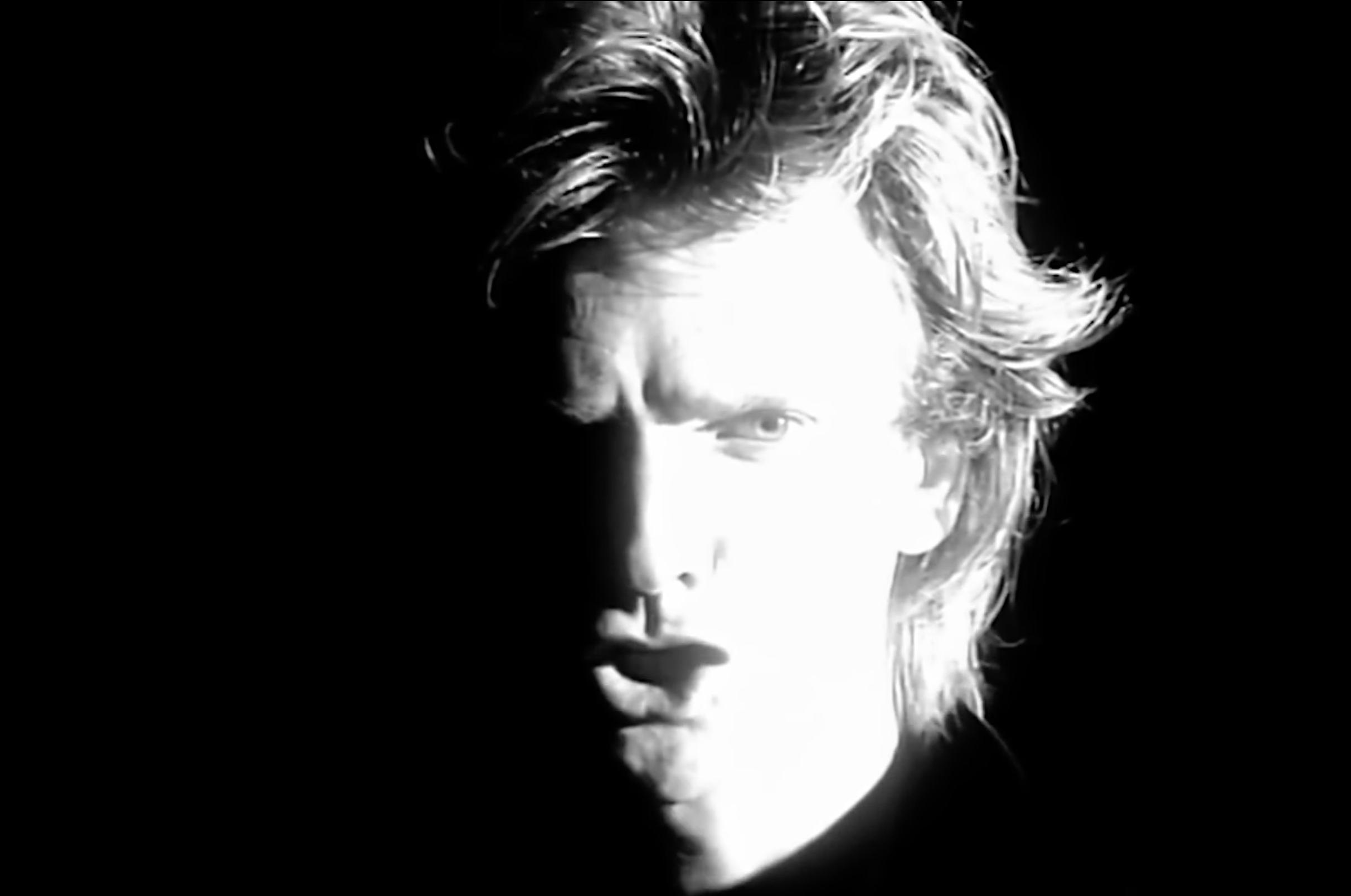
Despite being a wedding playlist staple, "Every Breath You Take" isn't a love song at all. Sting wrote it while his first marriage was unraveling, and he's spent years reminding people that it's "about jealousy and surveillance and ownership," not romance. The sweet melody has fooled listeners for decades.

Despite how often it's used in patriotic montages and military scenes, "Fortunate Son" is really a protest against class privilege during the Vietnam War. John Fogerty wrote it about the unequal burden of the draft, arguing that the wealthy and politically connected rarely faced the same risks as everyone else. He later pointed to the 1968 wedding of David Eisenhower and Julie Nixon as a moment that crystallized that divide.

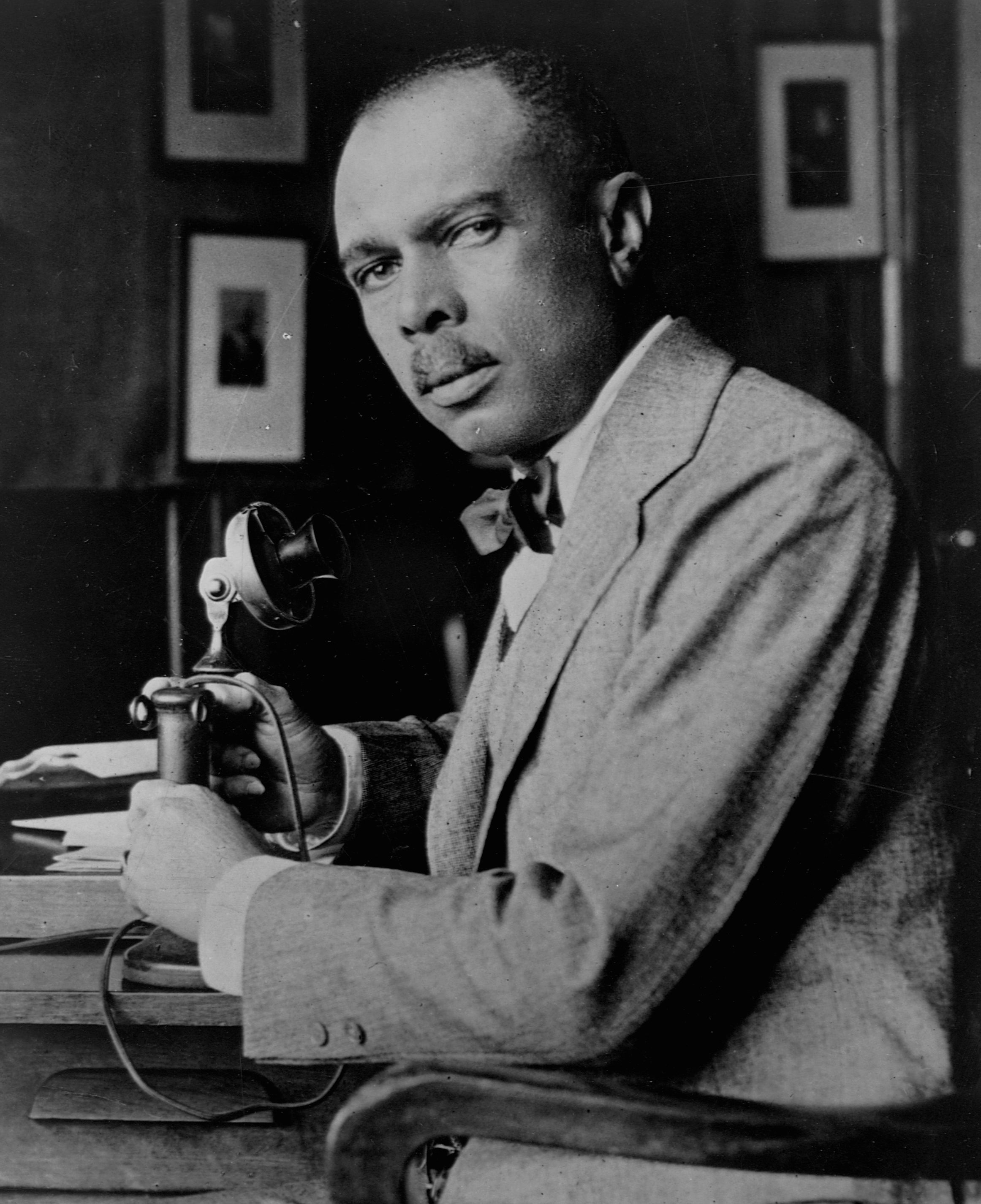
It's known today as the Black national anthem, but "Lift Every Voice and Sing" was never intended to become one. James Weldon Johnson wrote it for a Lincoln's Birthday program at the segregated Stanton School in Jacksonville, where he was principal, and his brother, John Rosamond Johnson, composed the music. After the NAACP adopted it in 1919, what began as a one-time school performance became one of the most important songs in Black American history.

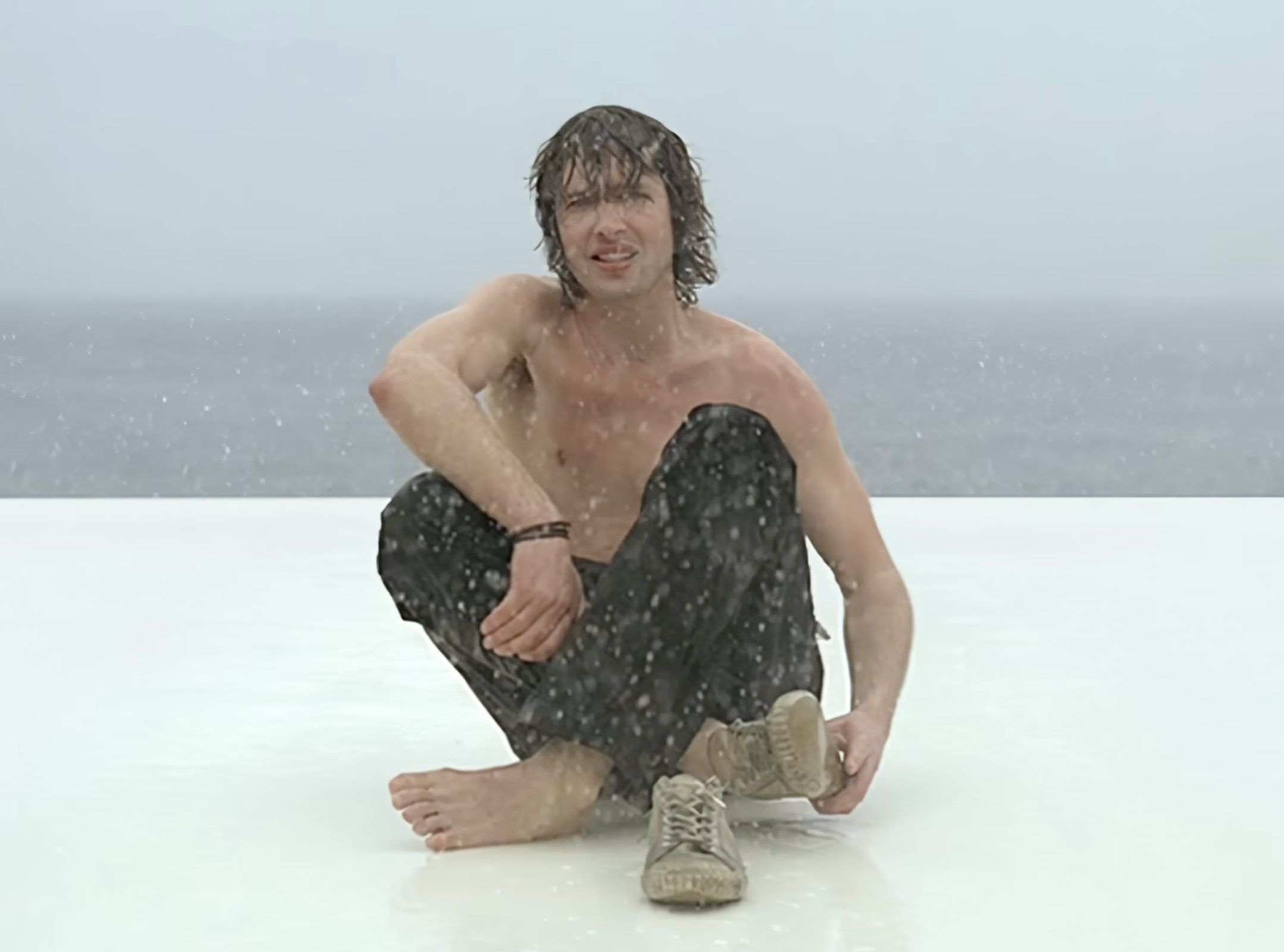
It became one of the defining wedding songs of the 2000s, even though James Blunt has repeatedly said it isn't a love song. "You're Beautiful" follows a man, high on drugs, who catches sight of a woman with someone else on the London Underground and spirals into a fleeting fantasy about her. It's meant to be unsettling, not romantic. As Blunt later joked, it's "about being high as a kite… stalking someone else's girlfriend."

Source: Smooth Radio | The Guardian via Yahoo

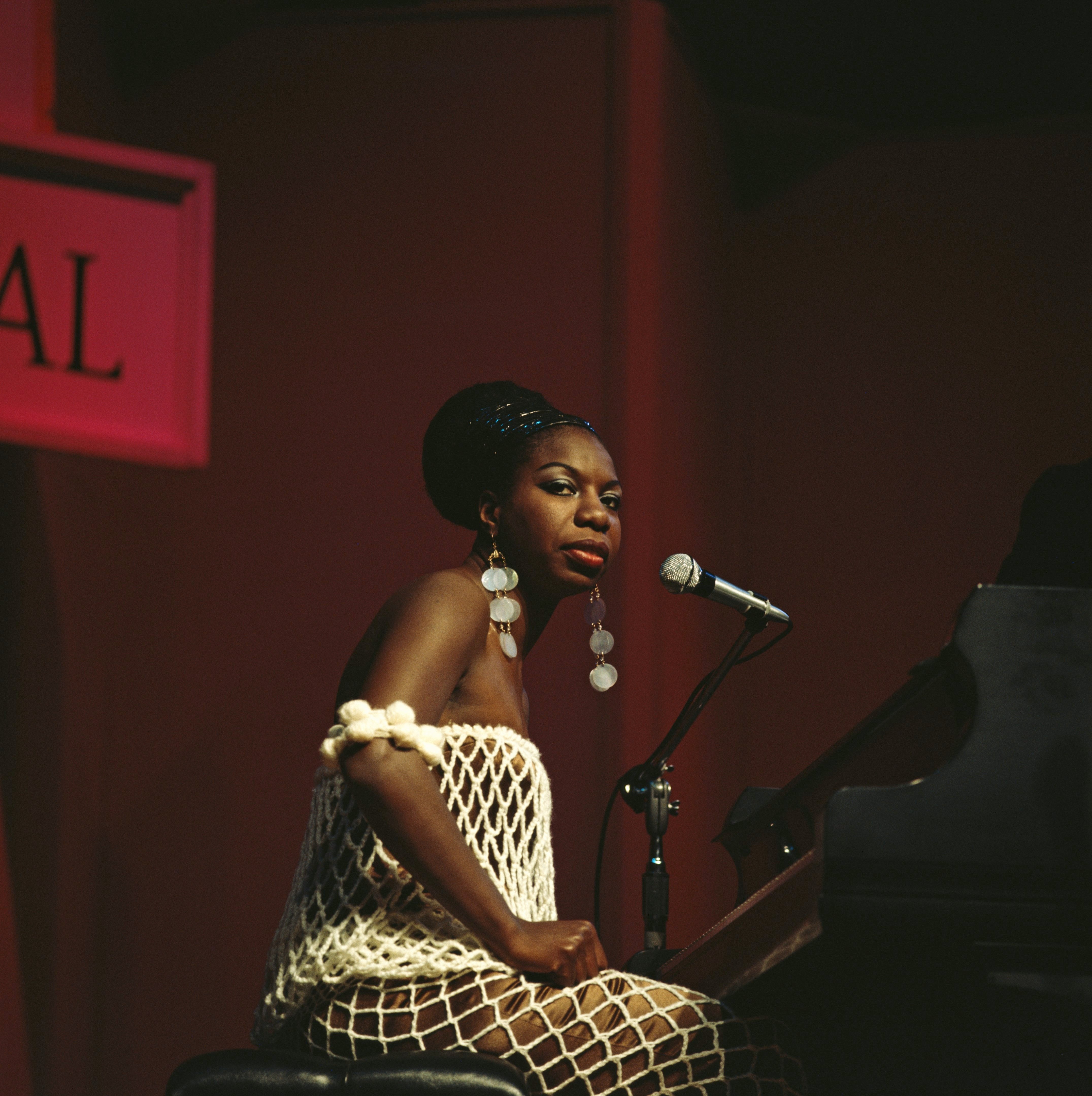
"Mississippi Goddam" sounds almost playful at first, but Nina Simone wrote it in a burst of anger after the assassination of Medgar Evers and the 1963 bombing of Birmingham's 16th Street Baptist Church, which killed four young girls. She deliberately paired that outrage with an upbeat, show tune-style melody. The reaction was immediate: radio stations across the South banned the song, and some reportedly mailed back promotional records broken in half.

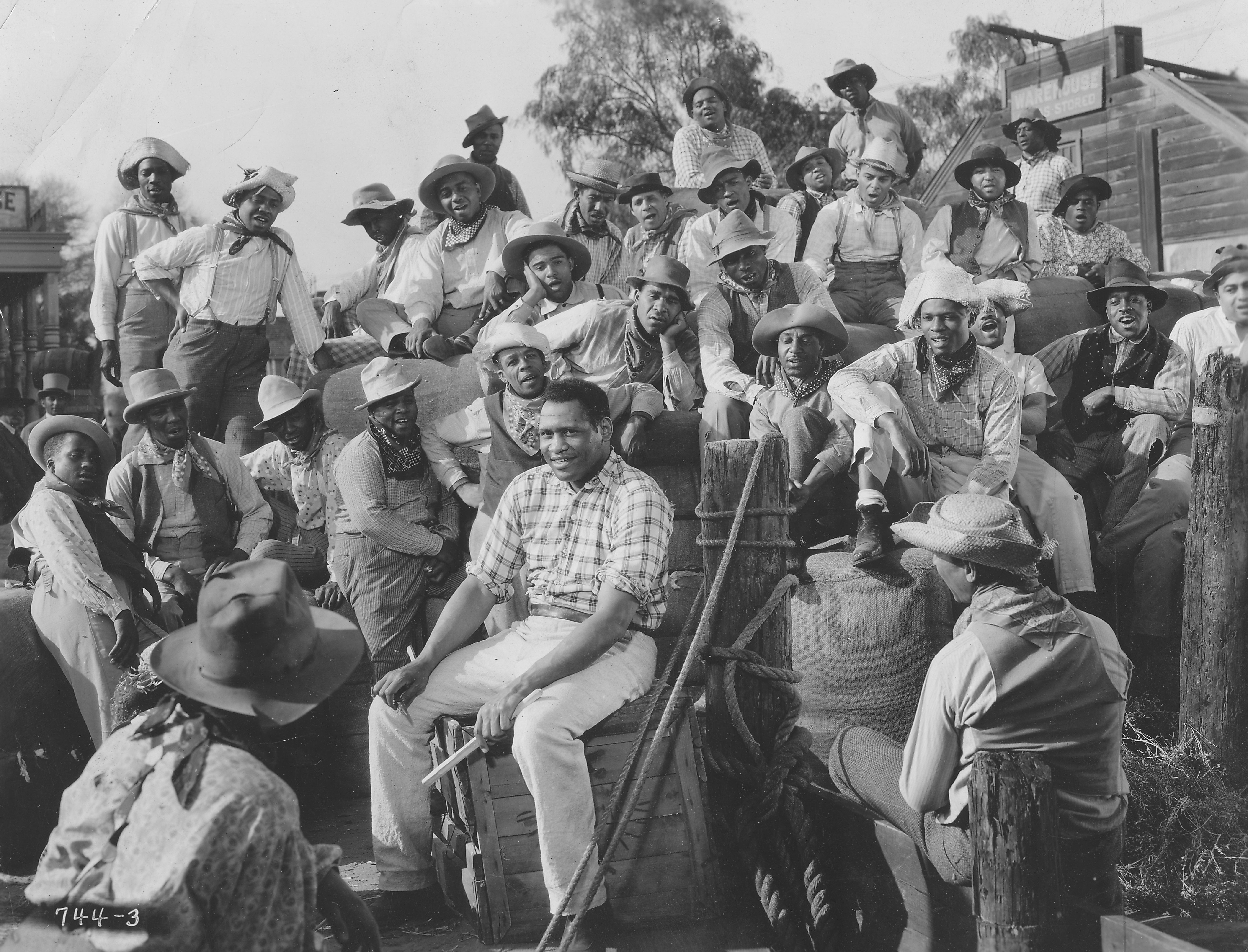
Most people know "Ol' Man River" through Paul Robeson, but the version that became famous wasn't exactly the one audiences first heard. The song was written by Jerome Kern and Oscar Hammerstein II for Show Boat in 1927 as the lament of a Black dockworker resigned to a lifetime of hardship. Beginning around 1938, Robeson gradually rewrote parts of the lyrics during his performances, replacing lines like "tired of livin' and skeered of dyin'" with "I must keep fightin' until I'm dyin'." In the process, he transformed the song from one of resignation into one of resilience and resistance.

Because of its chorus, "Closing Time" became the unofficial last-call anthem for bars everywhere. But Dan Wilson has explained that the song was actually inspired by the impending birth of his first child. He realized while writing it that leaving a bar was a metaphor for leaving the womb, describing birth as being "bounced from the womb as if by a bouncer clearing out a bar." Even the closing lyric, "Every new beginning comes from some other beginning's end," is about being born, not ordering one last drink.

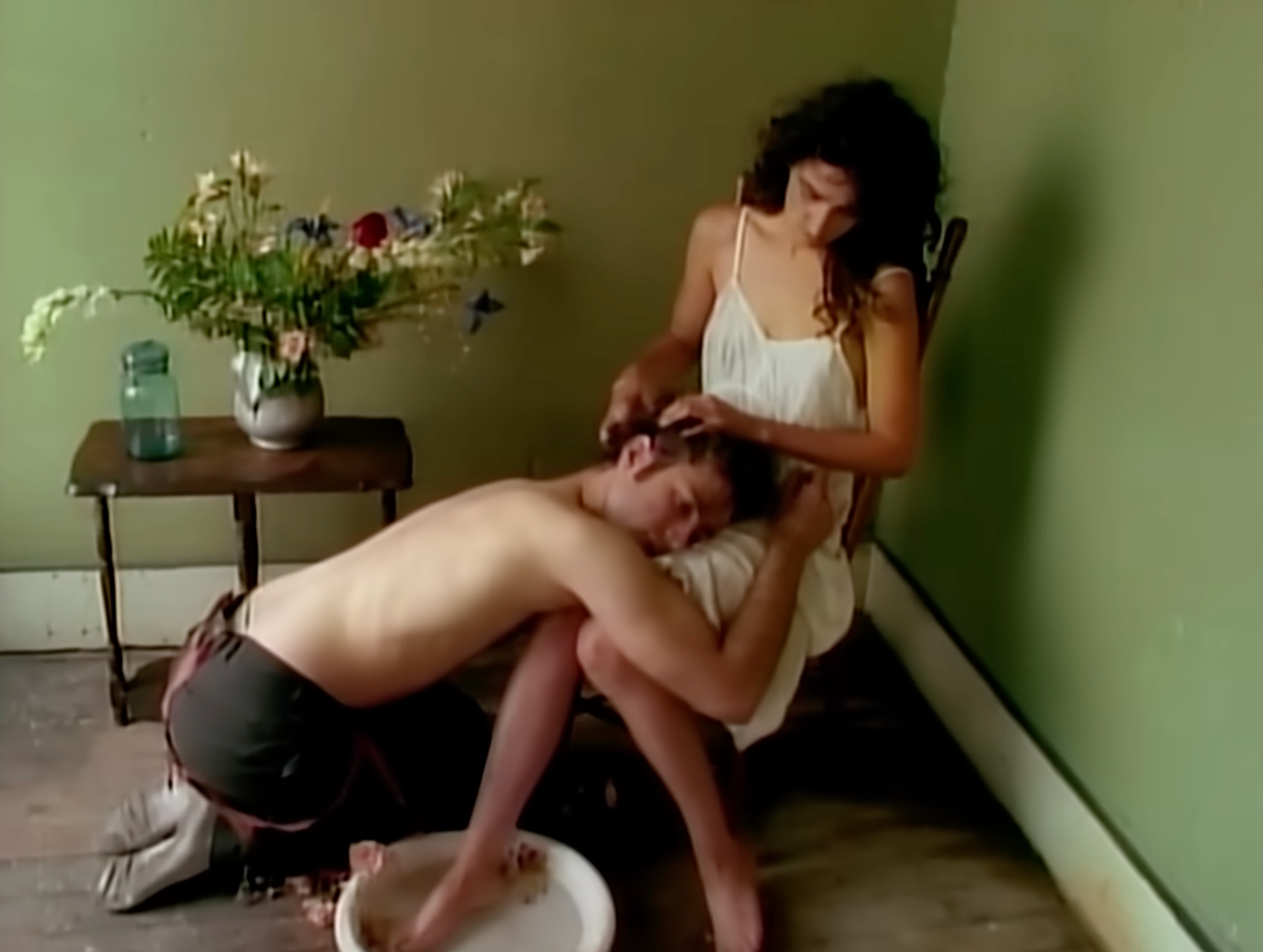
The opening line — "This one goes out to the one I love" — helped turn "The One I Love" into a radio dedication favorite and even a wedding song for some couples. But the lyrics quickly reveal something much darker. The person receiving that dedication is described as "a simple prop to occupy my time," and by the final verse, the narrator has already moved on to someone else. Michael Stipe later described it as "about using people over and over again," and admitted he was uneasy the band released it because of how cold and cynical it was.

Thanks to Whitney Houston's iconic cover, "I Will Always Love You" has become one of the most popular wedding songs of all time. But Dolly Parton didn't write it as a love song. She wrote it as a farewell to Porter Wagoner, her mentor and business partner, when she decided to leave his television show and pursue a solo career. It's about saying goodbye with gratitude and affection, not promising to stay together forever.

This is the one song on the list that's famous for a hidden meaning it doesn't actually have. For decades, people have insisted "Puff, the Magic Dragon" is about marijuana, a rumor that took off after a 1964 Newsweek article. But the song was actually based on a 1959 poem by Leonard Lipton, written while he was a 19-year-old Cornell student on his roommate Peter Yarrow's typewriter. Both Lipton and Yarrow spent more than 60 years denying the drug interpretation. The real meaning is much simpler and much sadder. It's about the loss of childhood and leaving behind something that once loved you.

The National Association for the Advancement of Colored People (NAACP) is an organization that provides resources to help US citizens understand and stand up for their rights, as well as take action against racial injustices.

If you or someone you know is struggling with substance abuse, you can call SAMHSA’s National Helpline at 1-800-662-HELP (4357) and find more resources here.
Comments
You must be logged in to comment.