buzzfeed Press
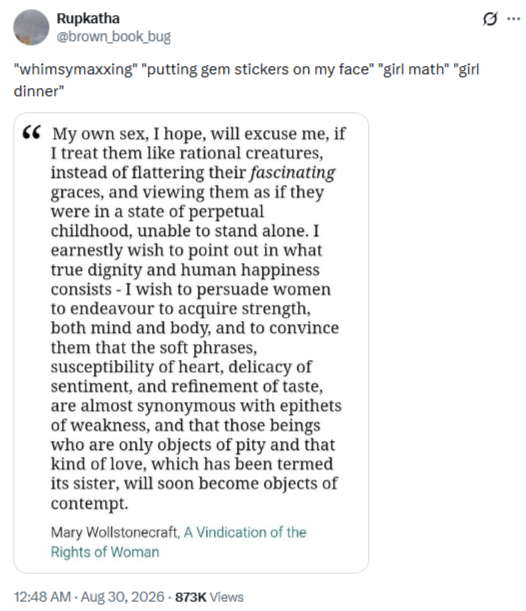
“Whimsy-Maxxing” And “Girl Dinner” Are Not Cute—They Encourage The Infantilization Of Women
Images

1 / 12

2 / 12

3 / 12

4 / 12

5 / 12
6 / 12

7 / 12
8 / 12
9 / 12
10 / 12
11 / 12
12 / 12
These trends might make women feel like they have a choice in shaping the narratives around them.

As a Writer at BuzzFeed, I write and curate quizzes, listicles, and articles about everything from pop culture and history to food and fashion.

This is the cutest trend ever pic.twitter.com/vO6QaBVS7E

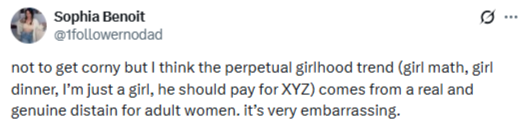
This is not the first ‘girly’ trend to take the internet by storm. We’ve previously had “girl dinner,” “girl math,” and “I’m just a girl,” which continue to dominate internet parlance. These trends signify the act of claiming or enjoying one’s girlhood and femininity. Women on social media immediately took to these trends and embraced them wholeheartedly.

oh me? me and my girly pop? my pookie pie bestie head? my bestie baby poppyseed bagel? yeah. we’re gonna have a girls night.

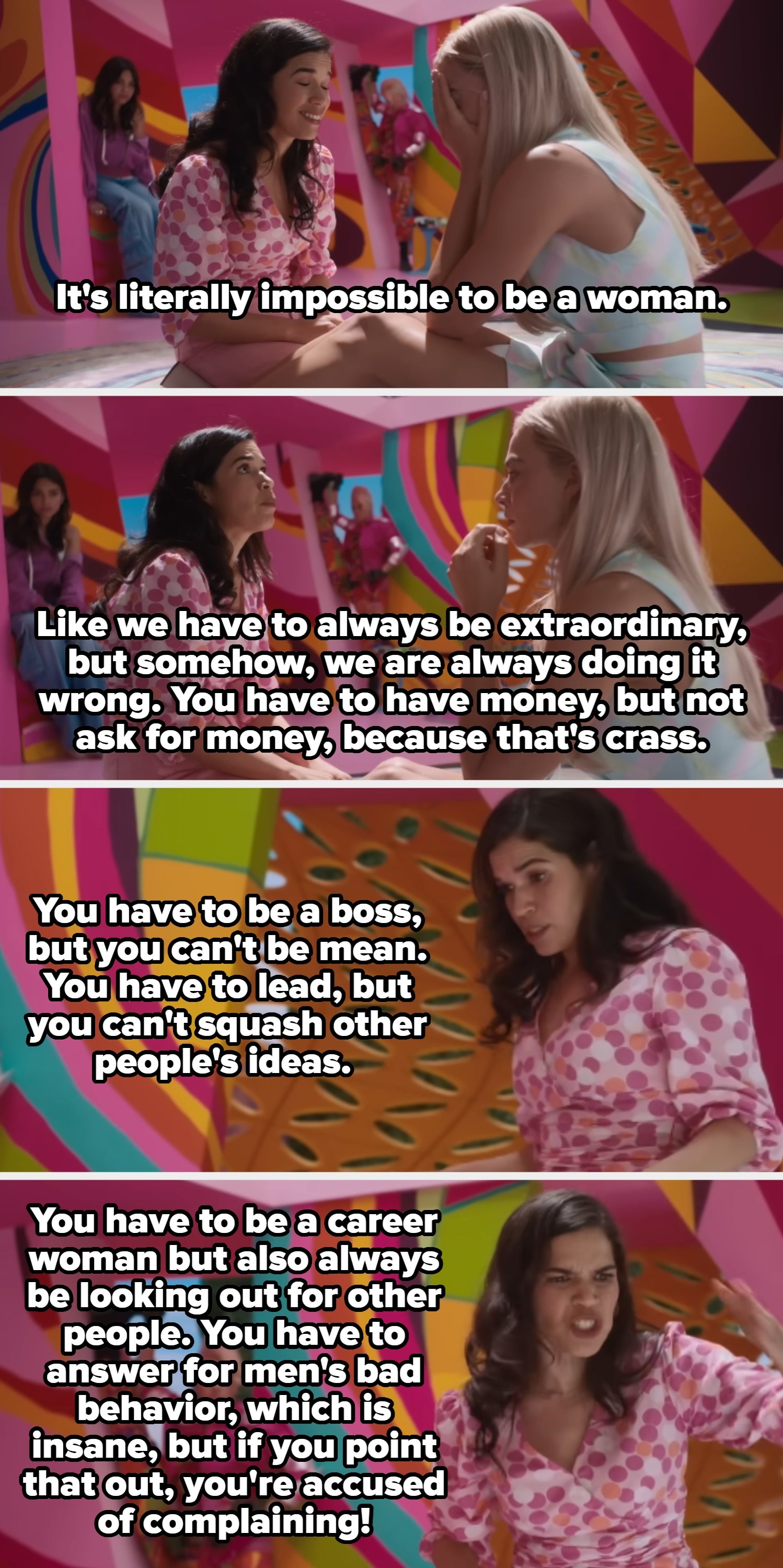
But if you’ve been around for a while, you probably also remember a narrative from 10 years ago that was the exact opposite of the current: the “girl boss.” In the late 2010s, the girl boss was aspirational, confident, and not afraid to get what she wanted. It was when women were encouraged to take space, step into positions of power and leadership, stand their ground and not bow to anything or anyone who insulted them.

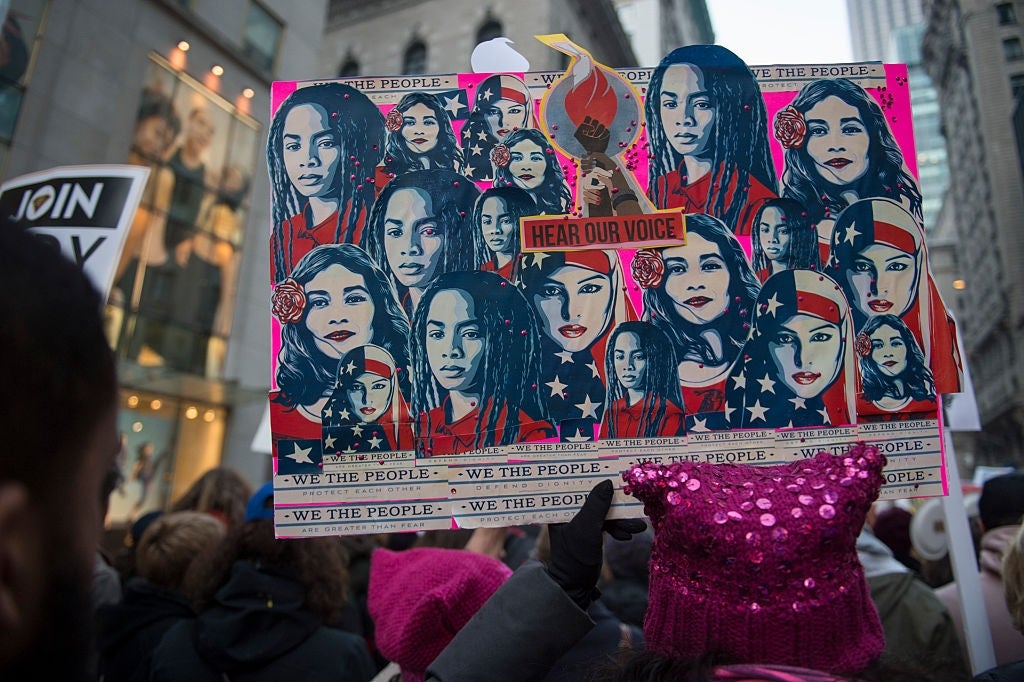
The months leading up to Donald Trump’s win were incredibly tough for women — with news of sexual assault allegations against him, his openly anti-immigration stance, the unchecked circulation of fake news, and an audio recording of Trump talking about a woman using the words “grab her by the p***y” as the ultimate cherry on top—the idea of climbing the corporate ladder and finding success started to feel performative. But Trump’s win cemented anger in women that they had held in for a long time, which led to the country-wide women’s march in 2017.

Not long after, the release of an investigative report  into Harvey Weinstein’s sordid history of sexual harassment propelled the #MeToo movement in 2018, which turned into a global movement as women publicly shared their experiences of harassment, abuse, and workplace power imbalances. These public stories clashed with the “girl boss” ideals that working hard will give you the same rewards as men. Women realized sexism was still at large, and given the patriarchal mindset of society, it would not be so easily eradicated as the “girl boss” made it seem.

Thus, the “girl boss” went from being an aspirational role to a villainous and cringe character. This also coincided with the rise of Trump-era conservatism and a growing political divide over gender roles. In 2016, only 31% of Trump supporters believed that there were still significant obstacles that make it harder for women to get ahead of men, while 72% of Clinton supporters believed this.

The “trad-wife” personality is the biggest signifier of this phenomenon. It’s not just about cooking everything from scratch for your husband, but is also about the return of hyper-idealistic mentalities in marriage and relationships—being a ‘high-value man/woman’ and insisting the man pays for everything.

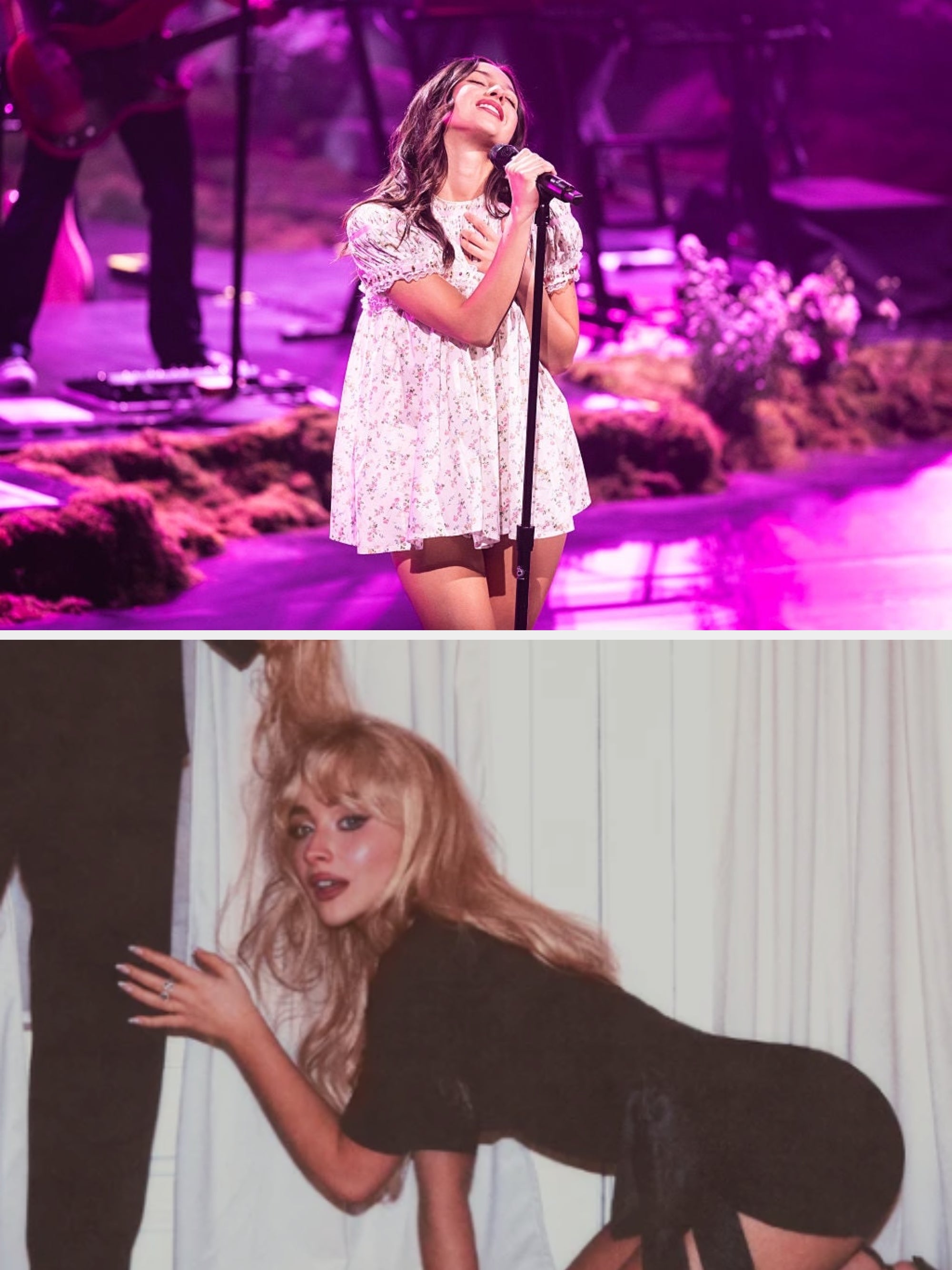
This research states that these trends might make women feel like they have a “choice” in shaping the narratives around them, but in reality, they don’t. This “paradox highlights a persistent infantilism where women struggle to claim full agency over their sexual presentation, whether viewed as sexually mature children or youthful adults, due to unequal power relations at the hands of men.”

Aesthetic Coquette Stuff ✨🌷.— A THREAD 🌙 pic.twitter.com/SPhfAeLJp1

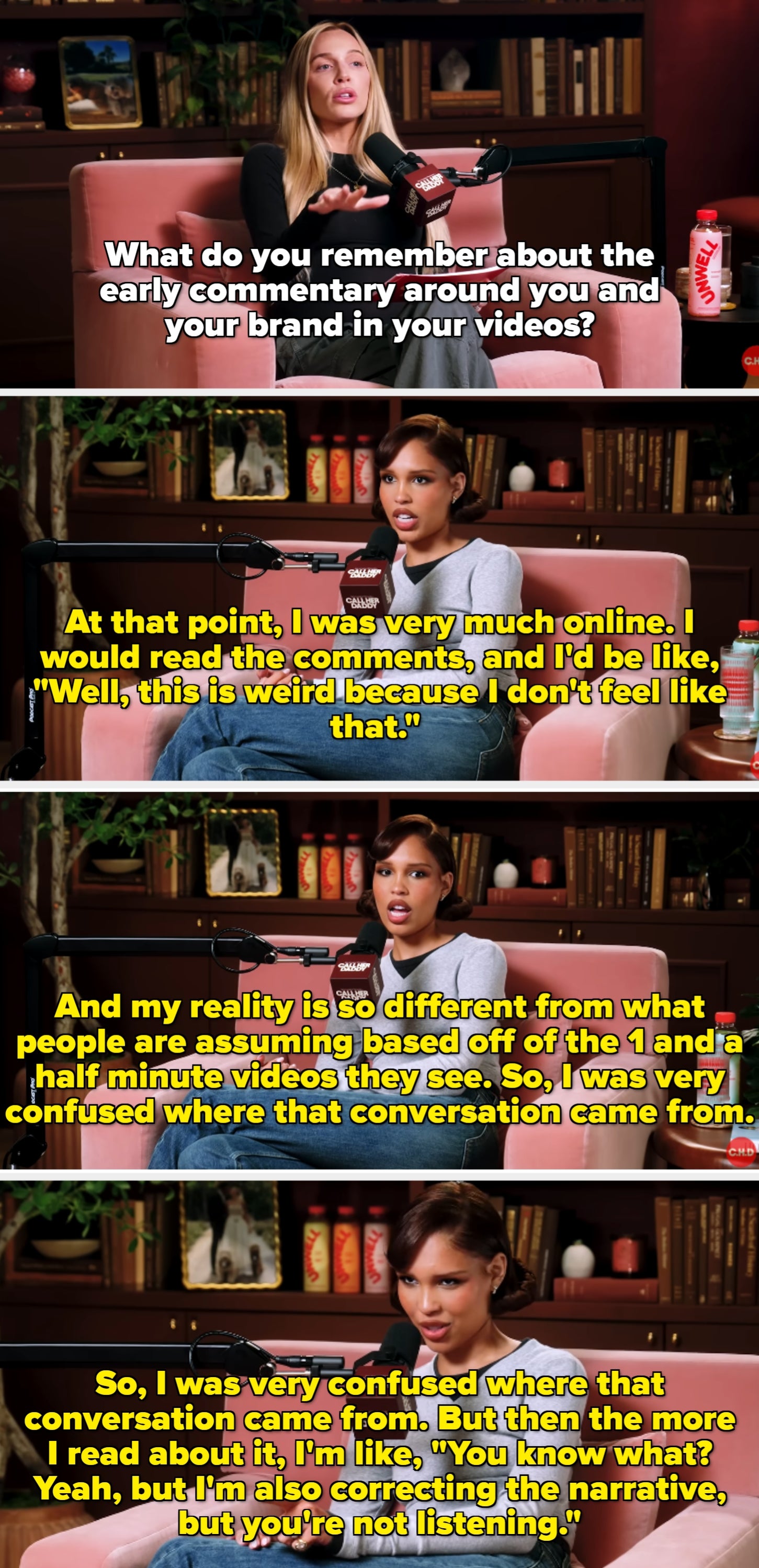
Alix Earle's (founder of Reale Actives) and Alex Cooper’s (host of Call Her Daddy) brief online dispute is the perfect example of society pitting women against each other. The two allegedly got into an argument online (no one knows why), and the internet seemingly sided with Alix. Why? Because Alix was viewed as a girl’s girl, whereas Alex was viewed as an unapologetic girl boss who confronted Alix head-on. This shows that traits that were once celebrated in women—ambition and assertiveness—are becoming less desirable. Instead, women are increasingly expected to be agreeable, supportive, and, above all, a “girl’s girl.”
Comments
You must be logged in to comment.