huffpost Press
Meet The Stars Of Netflix’s Sequel To A Show That’s ‘Impacted So Many Generations’
Images
1 / 13
2 / 13
3 / 13
4 / 13
5 / 13
6 / 13
7 / 13
8 / 13
9 / 13

10 / 13
11 / 13
12 / 13

13 / 13
“It’s a different world than where you come from…”

Those famous words, sung by Phoebe Snow, Aretha Franklin and Boyz II Men in the late ’80s/early ’90s, ring just as true today as they did nearly 40 years ago, when “A Different World” showed up on television screens and introduced the rich stomping grounds of a fictional HBCU campus that somehow couldn’t have felt more real.

For longtime fans of the beloved sitcom, Hillman College was more than just a fictitious place where Dwayne Wayne (Kadeem Hardison), Whitley Gilbert (Jasmine Guy), Freddie Brooks (Cree Summer), Ron Johnson (Darryl M. Bell), Kim Reese (Charnele Brown) and Jaleesa Vinson (Dawnn Lewis) navigated the responsibilities of college life as Black students looking to kickstart their futures. It was also a groundbreaking glimpse into a world of Black culture that felt both aspirational and unmistakably familiar — and for the first time, it was on primetime television.

Seeing Black young people learning, loving, growing and finding their way at a historically Black institution like Hillman was uncharted territory. Originally birthed as a spinoff of “The Cosby Show,” the first iteration of “A Different World” was designed to follow Denise Huxtable (Lisa Bonet) as she settled into life as a freshman. But what unfolded over the five trailblazing seasons that followed — thanks to creative changes made by director and producer Debbie Allen to accurately reflect the HBCU experience — became so much bigger.

That enduring legacy is exactly why Netflix is bringing “A Different World” back to Hillman — this time as a 10-episode dramedy poised to introduce the campus to a new generation. While the spirit of the original remains, along with many of the characters we came to know and love, a new cast will take center stage when the latest iteration premieres this month.

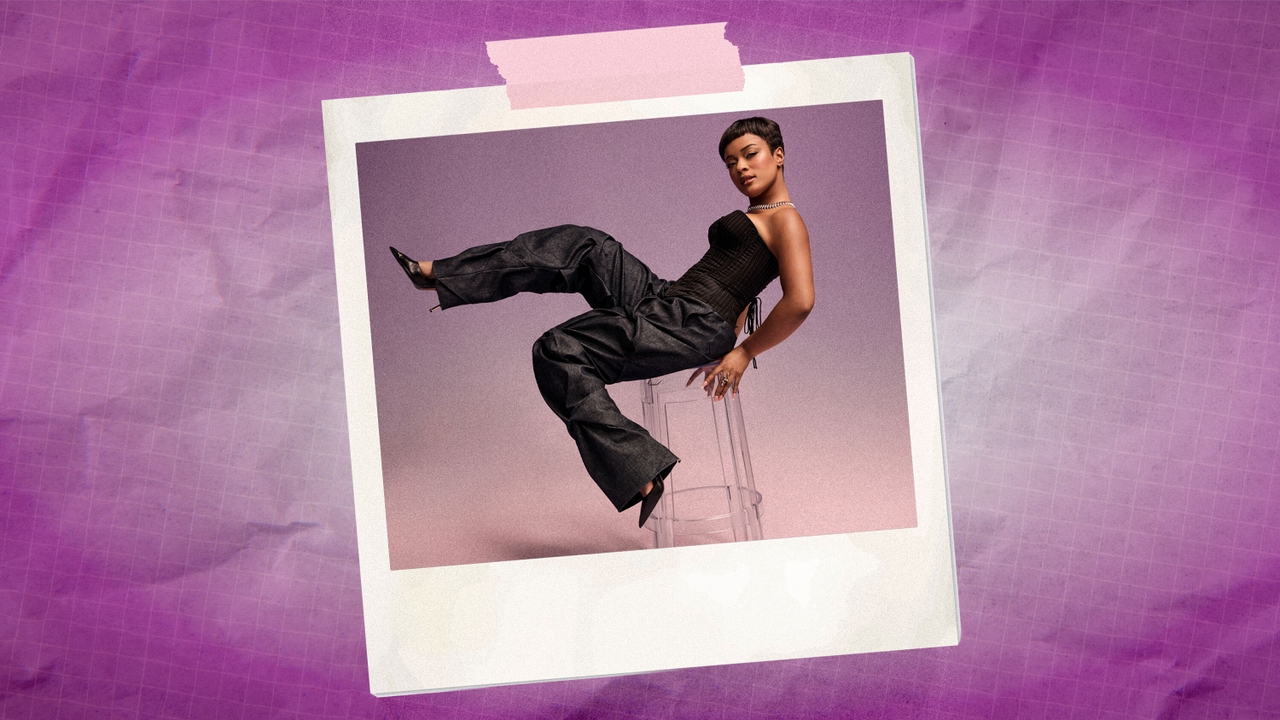
The highly anticipated sequel unfolds over one academic year, following Whitley and Dwayne’s youngest daughter, Deborah Wayne (Maleah Joi Moon), who’s forced to attend her parents’ alma mater — the very same campus where their relationship and college journeys began — after her NYU acceptance is rescinded in the wake of a warehouse fire she caused.

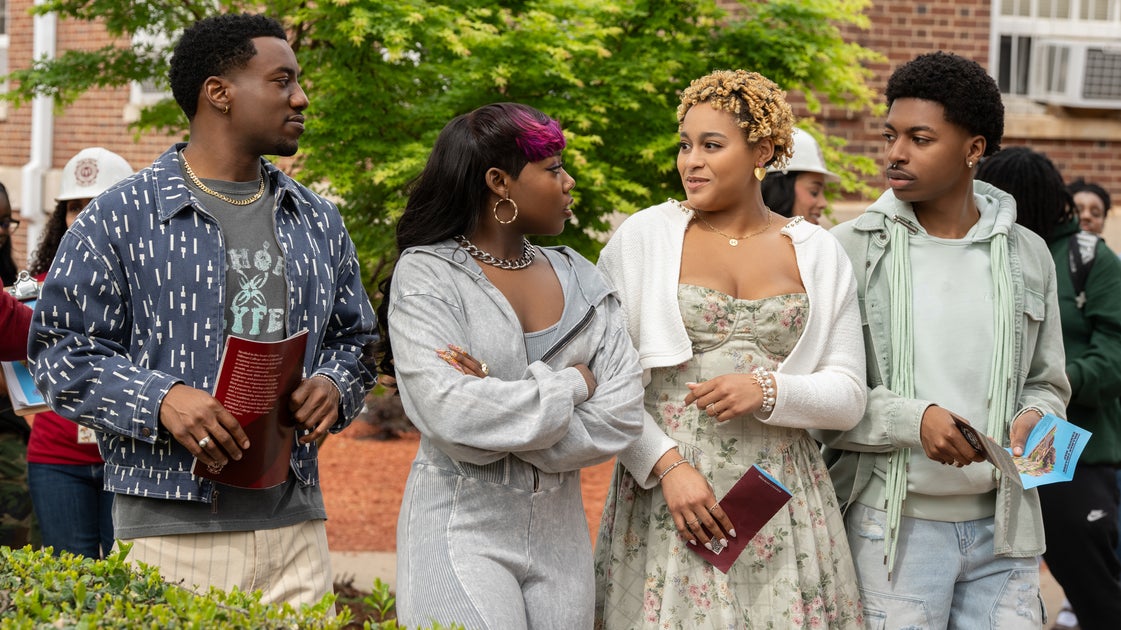
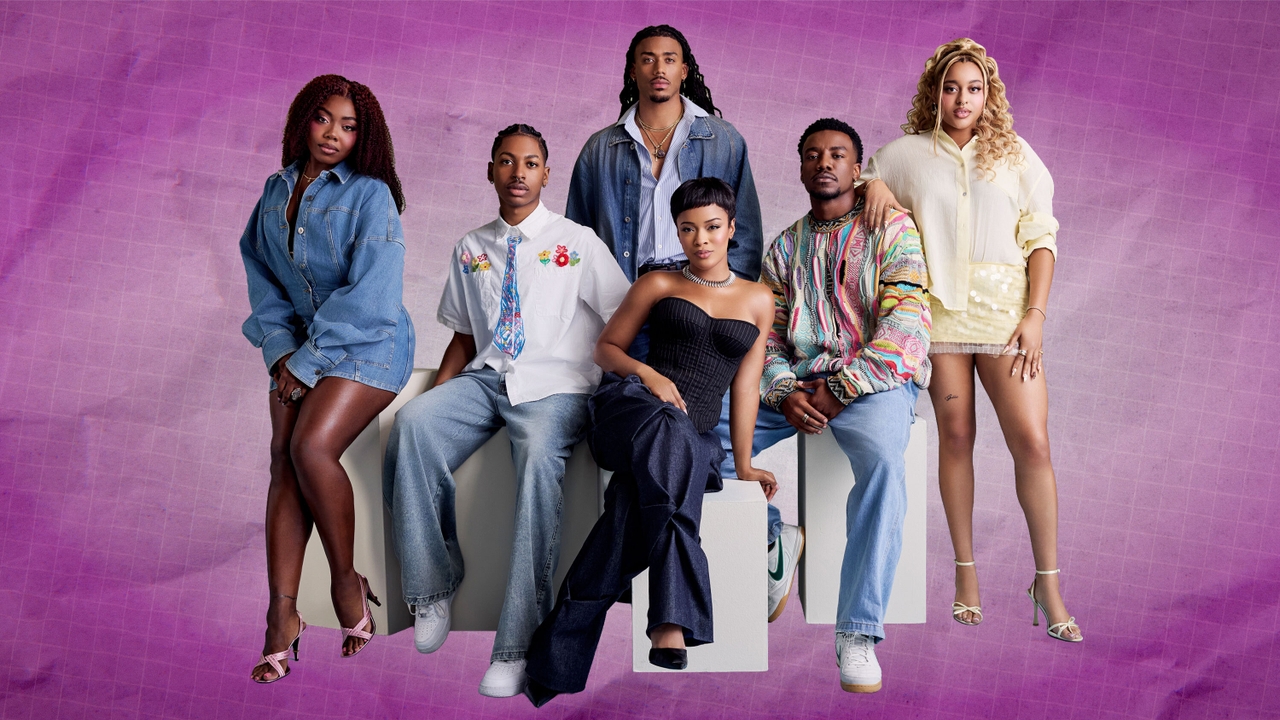
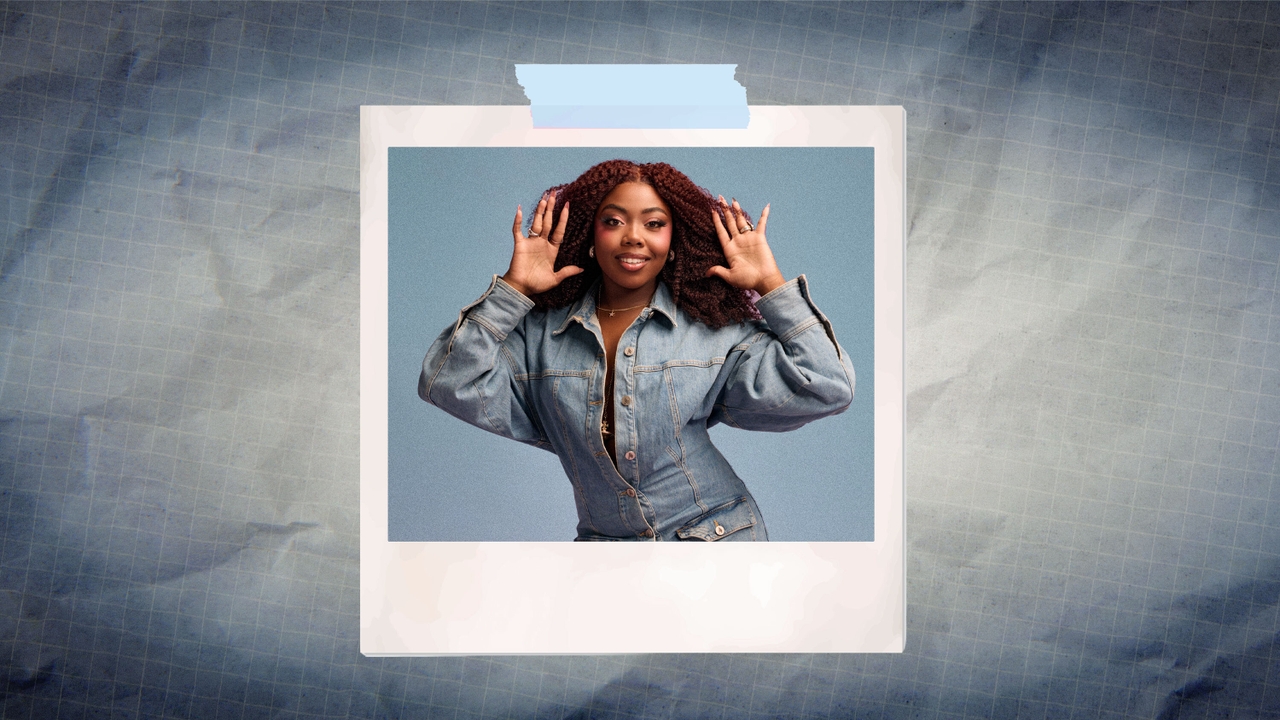
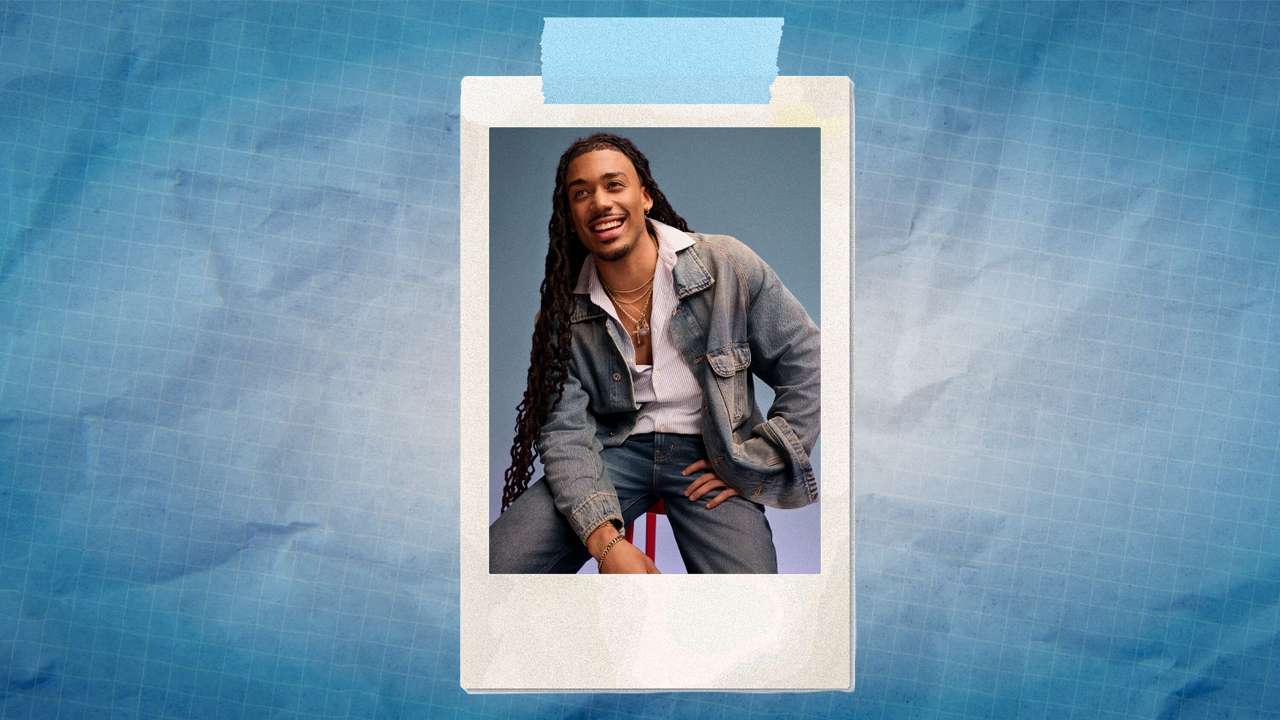
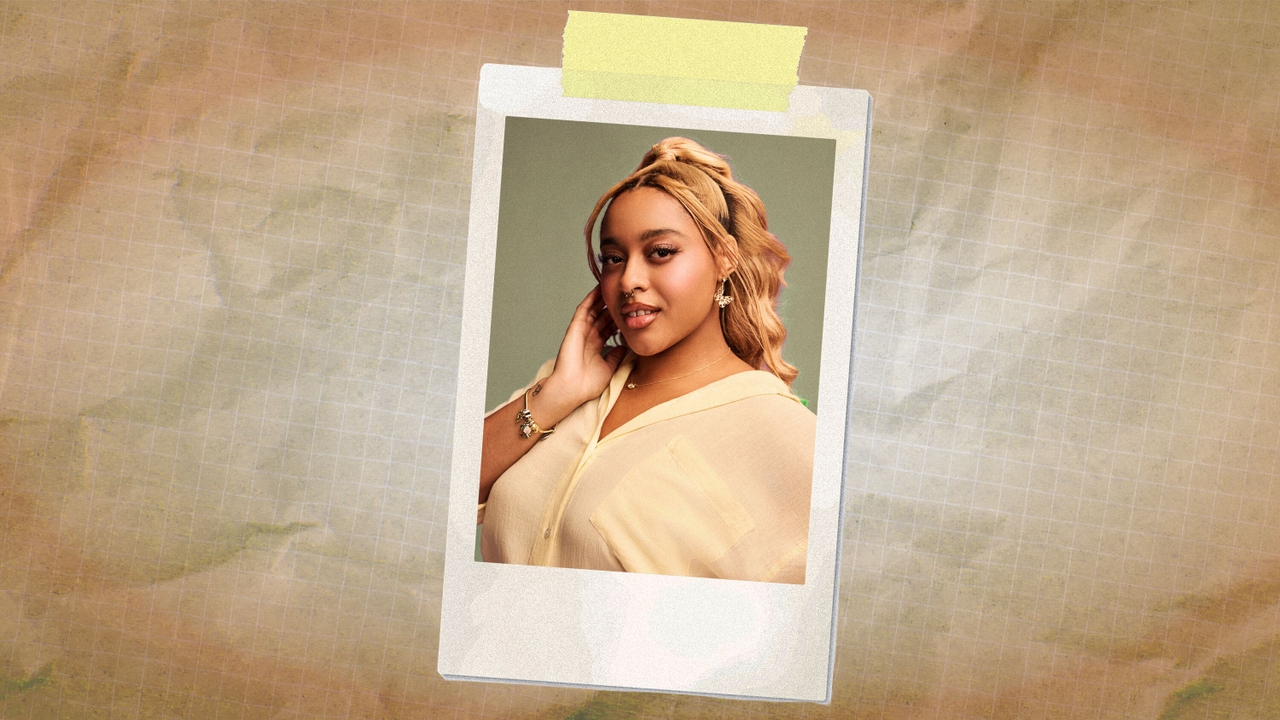
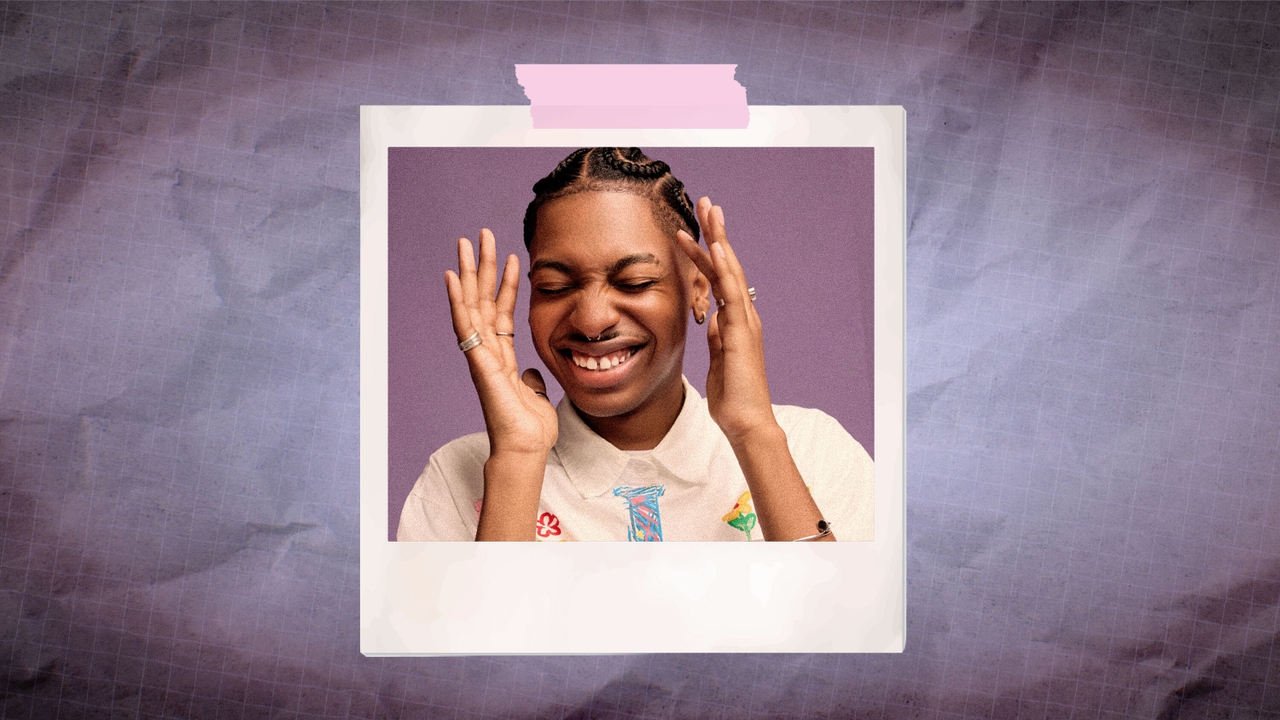
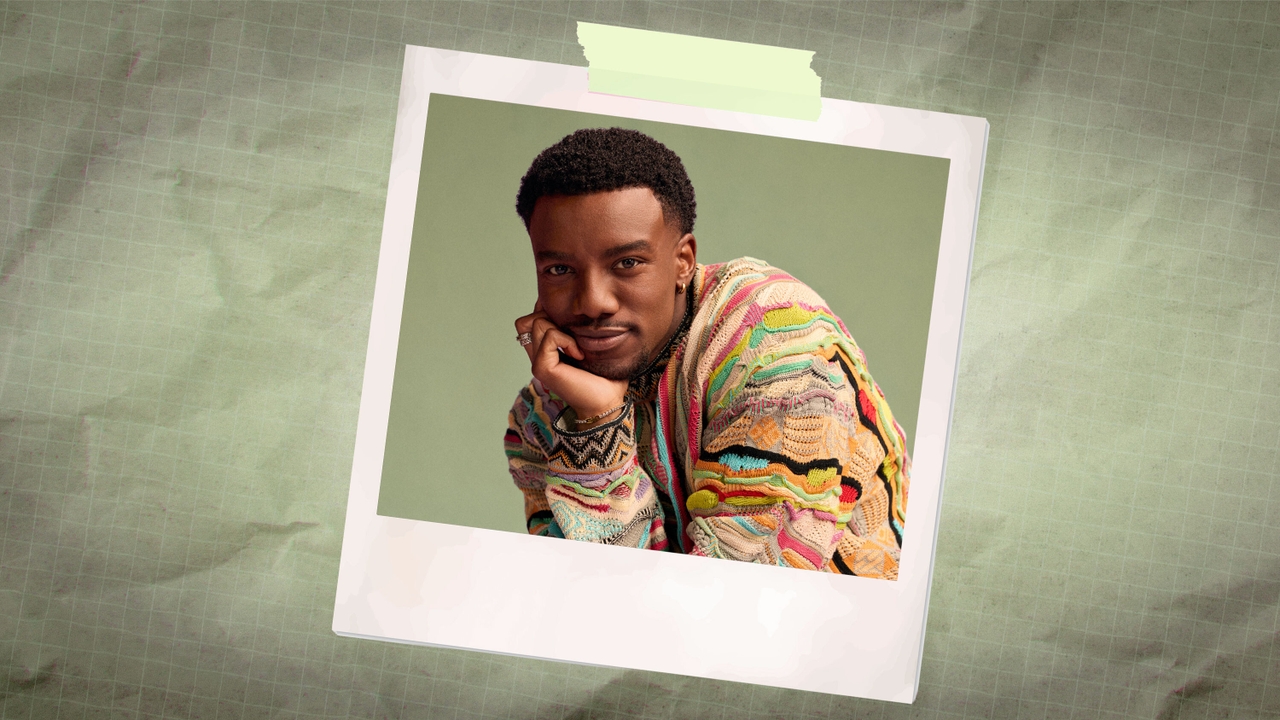
Arriving at Hillman on academic probation, the aspiring artist with a big heart and a flair for the dramatic quickly finds her people in a colorful crew of both legacy and first-gen students: Rashida Duvall (Alijah Kai Haggins), a criminal justice major with big ambitions; Hazel Henry (Kennedi Reece), a small-town pastor’s daughter exploring life far from home for the first time; Amir Rodale (Jordan Aaron Hall), a sharp-witted psych major on probation after a stint in juvenile detention; Kojo Achebe (Chibuikem Uche), a Ghanaian-Nigerian fashion merchandising student determined to pursue his passion despite his parents’ wishes; and Shaquille Johnson (Cornell Young IV), a star quarterback and Ron Johnson’s only son, who’s hoping to rekindle a romance with his childhood sweetheart, Deborah.

Together, the “Big Six” form the heart of Hillman’s next generation, navigating the pressures, pitfalls and possibilities of HBCU life as they begin to carve out legacies of their own. But they won’t be doing it alone. Starring alongside them are fan favorites Whitley, Dwayne, Freddie, Ron and many more, who help to bridge the gap between the Hillman we remember and the one being reimagined for today.

HuffPost sat down with the ensemble cast of Netflix’s new show to talk about bringing a fresh crop of unforgettable characters to life and embracing the responsibility of becoming part of the Hillman story.

HuffPost: What’s your earliest memory of watching “A Different World” growing up?

Maleah Joi Moon: My dad’s a huge Black film and TV type of guy, so I had seen it in pieces growing up, and it’s so iconic. Literally, Dwayne and Whitley: their outfits and their love are all over like Black ’90s mood boards on Instagram and stuff like that. But one of my favorite memories, my mom, who immigrated from Belize, she told me not too long ago that watching “A Different World” at home was one of the smaller things that inspired her to come finish her education in the states when she moved here at 17, and it was really inspiring for her to see these young Black people who look like her fulfilling their collegiate experience. So, she really is so happy that this is happening.

What kind of responsibility comes with leading this sequel as the daughter of two characters who left such a lasting mark on “A Different World” and TV at large?

That’s been brought up a couple times, but the word that’s different between what you said and what I’ve heard is responsibility instead of pressure. I think that there’s a big difference between the two. Yes, pressure makes a diamond, and we want excellence out of the show. We want nuance. We want people to enjoy it, all the things, of course. But I identify more with responsibility because there is such a beautiful legacy behind this show, and it has impacted so many generations of people. People who got to grow up on it, people who have seen it in reruns, people who have experiences through it, but these are such beautiful, iconic characters.

Something that I really love, not only about Deborah’s experience and her arc within the show, but even what we get to see about Dwayne and Whitley now that they’re older in this new cinematic universe, is that you get to see the humanity in all three of them. Whereas in the sitcom, we experience the best parts of them and maybe some different lows. But now we get to see their full humanity and dimension, and also how that plays into this new character; their child, that’s a composite of all their best pieces and all the things that make them beautifully flawed.

Part of studying that was taking Whitley’s lovableness and how much she is held so beautifully in the show, but also sometimes she puts her foot in her mouth. Sometimes she’s more headstrong than maybe she means to be, but there’s also something really inspiring about that. And Dwayne is very good-intentioned, and he’s such a beautiful example of a Black man. So like, how does that play into making this new young woman who’s finding herself?

“Yes, pressure makes a diamond, and we want excellence out of the show. We want nuance. We want people to enjoy it, all the things, of course. But I identify more with responsibility because there is such a beautiful legacy behind this show, and it has impacted so many generations of people.”

As your parents on the show, what kind of guidance and support did Kadeem Hardison and Jasmine Guy provide you throughout this journey?

I hate using the word legends because Kadeem would be like, “Oh, so I’m old?!” [laughs]. But it really is the word [to use]. They’re just superstars. They’re pillars; walking beacons of information and support. I’m sure I speak for all of us, but even for myself and my personal experience with playing their child [when I say] there was a lot of encouragement. I’ll be so honest, there were moments that their love and the way that they showed it made me toughen up and step into gear and really let go of stuff that did not matter. Seriously, they’re really icons in their craft, and they know how to navigate this world in a way that I hope to become privy to at some point as I transition from theater to the film and TV experience. There was so much they taught me technically about how to handle myself, but then also how to be a comedic genius.

Jasmine — Kadeem, love you — but Jasmine Guy is like… It’s a breath of fresh air to meet a funny, funny woman. She’s hilarious. And it’s not about, oh, a woman can’t be funny. It’s actually the opposite. She is so herself that it’s like you just fall in love with her, and that’s what people loved about her character in the beginning. But that’s also true to who she is, and I love her so much. I love both of them. I love them so bad. Shout out to y’all for real [laughs]. But they took care of us, man, and they inspired us to take care of each other.

What have you learned about yourself through this “ADW” experience?

I feel like there are many things that this process has taught me. It’s obviously still not over, but as far as filming, the real estate and the value in both self and community. I’m a very hyper-independent person. I tend to shoulder a lot, probably way more than anybody around me is asking me to, and that pressure — or responsibility, as we said earlier — is something I really internalize. But I was, if not learned, but also forced in this process to lean on people around me and people who love and appreciate me, or even just want the best out of me.

Knowing that I don’t have to do this by myself… I feel like I’ve gotten a lot of questions that are like, “What was the pressure like leading the show?” And it’s like, yeah, that number one whatever, but it is an ensemble piece. And in the spirit of that, I did not do it by myself, and I did not have to, and that is the greatest gift to have had that experience. That’s like, no, you don’t have to do anything by yourself. Anything great is made in community and in village, and this show is such a huge testament to that in my own life.

HuffPost: What’s your earliest memory of watching “A Different World” growing up?

Alijah Kai Haggins: Growing up, I would sit and I’d watch “Martin” on television all the time. Naturally [laughs]. My mom hated watching herself, but I used to sit there and watch her the whole time, and “A Different World” would also come on around the same time. I’d sit there, and I’d watch, and I’d just enjoy … And who knew I’d be here today? Playing the role that I’m playing, meeting the people that I’m meeting, working with people who are telling me about myself. No, really, it’s crazy for me. It’s very surreal.

Rashida’s story captures so many relatable aspects of the college coming-of-age experience. What do you hope young viewers see in her journey that resonates with their own?

I would say allow life to take its turn and allow yourself to not just go with the ebbs and flows, but go against what you think. I know that sounds weird, but usually when you’re thinking too hard, you try to pre-fixate on things that you have no control over. And when you get into that mindset, it’s a spiral down to your success. So I would just say allow Rashida to inspire you to be your full self. Allow Rashida to inspire you to always educate yourself, always strive to be better and go with the flow if you can. Kind of against who she is, pretty much. But if you follow her, she’s becoming. She is growing.

“A Different World” marks the first time you and your mom, Tichina Arnold, got to work together. What was that experience like on the show?

Kind of like she’s passing the torch. That’s what it feels like. Even working with her is amazing. Not like she don’t be training me at home: [imitating Arnold] “Alijah, you got to stop acting.” I’ve been using the word surreal because it does not feel real sometimes. I see my mom as mom. I don’t see her as Tichina Arnold, but then I also do because I’m working. I’m doing the same thing she did, and then following— not just following her footsteps, but walking alongside her and watching what to do, what not to do.

Just allowing her to lead the way because, one, she’s my mom, but then also that’s the closest example that I have of what I’m striving for and farther. It’s amazing. It’s an honor. Truthfully, this is like a once-in-a-lifetime thing for me. It’s a brand new beginning for my family. We’ve never seen anybody in my family have a legacy build up like this. So I really want to start something for my future and my kids’ future, and then some.

What have you learned about yourself through this “ADW” experience?

I learned that I have a real-life battery, and my battery sometimes dies. Now let me tell you something: self-care and preservation are very real. I’m like a firecracker. I might burst and give you everything [laughs], but I have to learn how to harness that, nurture that, help myself charge that battery back up. ’Cause you will have a long day. It’s a hard skill. I have not perfected it, but we’re doing good.

HuffPost: What’s your earliest memory of watching “A Different World” growing up?

Cornell Young IV: I grew up [loving] ’90s sitcoms, but I had never really touched on “A Different World” until I was a little older, around like 9 or 10. My sister was a huge fan, so she would watch it. One day, I just sat down and watched it, and I’m like, “This is different.” I never saw or experienced anything that I was watching where it felt so real. It really slowed me down at a young age, and it’s something I’ve loved ever since.

As a former football player playing one onscreen, what parts of Shaquille’s journey felt like a whole new experience for you?

The passing of his mother, for sure. My mother is still with me, which I’m very blessed for. But I grew up with a few friends, and I was even close to a guy in college who had lost his mom. I knew how much that took a toll on them. Just randomly, the feelings, the ins and outs, like they’re not there sometimes. Or if somebody even says something close about their mama, like how [emotional] they were. Because as a man, they never were able to really express that feeling, that loss, that emptiness. So, going through that with Shaquille and having that feeling first, it just made me cherish my parents even more.

Having a thought when I’m on screen as Shaquille, like the loss of my mother, memories of my mom, touch of my mom, how all those things feel, what I’m missing and what I need right now, and I feel like I have a lack of right now, that just made me go, “Man, I’m so grateful for my parents.” Acting is also the greatest teacher because, a lot of times, it allows you to experience life in another pair of shoes. I think that was one of the biggest things I took from portraying Shaquille that was different from my experience.

You’re also the son of Ron Johnson in the show. What was it like working so closely with Darryl M. Bell?

He’s one of the coolest, most interesting souls. Such a beautiful soul to meet. He’s so caring to all of us. He was one of the first legacy cast members that we met, and he immediately took us all out that night... He lives in L.A., and so he invites me over to the crib. We watch games together. We watched the NFL season opener last year. Me, him, Chib and Kadeem all watched the NBA finals together this year. Every time, he really made it intentional to get together.

But even working on set with him, he’s so hilarious. He’s always got riddles and fun facts. He’s like a true historian. He just knows everything about everything. But it’s cool; like Google on feet [laughs]. But who he is and how much he cares. Like, Darryl really cares about all of us. All the legacy cast members care, but specifically speaking of Darryl, working with him is just a ball. It was fun, and being able to work across from him and have the love I had for him, it was easy for me to see him as a father because he’s somebody that I admire.

“What's for you is for you. What's for you got your name on it.”

What have you learned about yourself through this “ADW” experience?

I think I got something that was more pre-processed, but it really answered a lot throughout the process, and that’s what’s for you is for you. What’s for you got your name on it. Coming in, it was a project right before this I wanted, but had I gotten that project, I wouldn’t have been able to audition for this one and be a part of this. So, I’m so grateful. I would much rather have this 1,000%. Just to see how, as an actor, you can get very self-conscious. You can be in your head. You can talk yourself out of what you love just because you’re doubting yourself, like, “Am I good?” It has nothing to do with your talent. You keep working, you keep striving and what’s for you will cross. But you’ve got to keep going because the day you stop, you’ll never get it. So, to be a part of this and to experience this with this group of people and everyone else is just a blessing. It’s so affirming that you are enough, and your time is coming.

HuffPost: What’s your earliest memory of watching “A Different World” growing up?

Kennedi Reece: My parents watched it, and so it was always kind of on. But for me, the first time I for real watched it was in high school. I went to a PWI for high school, so it was really nice to be able to see a show that was centered on Black higher education, and then just see that dynamic of being at an HBCU and all the friendships, the love, everything a part of it. I was really intrigued by it, and it was just a really beautiful pocket that I could come to to escape.

“A Different World” is your debut acting project. What was it like stepping into your first television series, especially one with such an iconic legacy?

Honestly, everyone’s asked me that question. Friends, family, they’re all like, “How do you feel?! How do you feel?! How do you feel?!” It felt so predestined, especially being here with these specific people and the OG cast. Like, I never felt nervous for real, and I never felt out of place because they made me feel like I belonged, and they were always here for me if I had any questions. I bug them all the time, like, “I don’t know what this is.” They taught me everything, and they were so patient with me and so encouraging.

This is such a crazy field to get thrown into, and this project specifically, with so much noise around it, is also such a privilege and an honor to be a part of it. I never once felt a crazy amount of pressure from you guys [turning to castmates]. I never felt out of place, and I just couldn’t have imagined a better start to my career than being with you guys.

What has it meant to you to begin your acting career in a world so deeply influenced by your fellow Howard alum, Ms. Debbie Allen’s artistry and legacy?

It means so much to me just because the Howard community is so special. Like, we’re there for each other. We have each other’s back. So the fact that Debbie Allen was the one who brought me into this. She’s been with me since the very beginning. She was the one who came to Howard to audition people, and she found me there. It’s just so beautiful and meaningful to me to have not only the community of the HBCU, but also the mentorship of a fellow Bison who literally walked the same halls that I did. Every time I go back now, it has more meaning.

What have you learned about yourself through this “ADW” experience?Something I learned specifically from Hazel is just to be unapologetically yourself. I feel like a lot of times, before I got to Howard and being at PWIs, I really stifled myself, and I wasn’t the fullest and most confident version of myself, just to become more palatable for other people. I feel like Hazel is really good at being herself in every single situation. She’s loud, she’s bubbly, she’s quirky, she’s weird sometimes, and she’s just always herself. I feel like she taught me that that’s very important. Like, I can be myself and still be amazing and great. I don’t have to make myself fit into any one box for anyone else.

HuffPost: What’s your earliest memory of watching “A Different World” growing up?

Jordan Aaron Hall: It was my dad’s favorite show growing up, so I feel like when I was young, I knew it was something important, but I didn’t really know what the show was about and what it really meant to us. As I got older, I was like, OK, and through the social media of it all, it’s always trending — that “Baby please!” scene and everything. So, I started to go back and really understand what it was as a young person growing up, and I think I found a newfound love and appreciation for what it did for the culture.

How do you view Amir in the legacy of “A Different World,” particularly being the first openly queer character on the show?

In the original show, based on the times that they were in, there was a lot that they couldn’t touch on. I think our show has the blessing to be able to show different aspects of society that, at the time, may not have had as much visibility and acceptance as it has now. There’s still so much to go, but I think having a character like Amir that lives in his authenticity, that lives as himself, is so important to show other kids that are coming up in the world. Even his relationship with the other guys on the show, they’re all brothers. There is no mention [of his sexuality] or any vitriol between them. They’re all from different walks of life, but they’re still so tight, and they still can be so close. Hazel is a church kid, and she still finds her best friend in Amir, and I think that is such a beautiful thing that they’ve given me a three-dimensional character.

A lot of the time, a lot of queer characters can be boiled down to being the gay best friend or being something stereotypical, and I love that Felicia [Pride] and our writers really gave him a nuanced experience that people can identify with because we all have a queer uncle or auntie or brother or cousin. We all have that person, and I think they deserve to be represented on screen. So I feel blessed to be able to do that, and because he’s a new character, I’m not being beholden to anything that came before me. I can bring my own flavor in that, and that’s such a blessing to be able to show up and to get to give life to something that has never been done before; to get to create it. I felt really, really blessed to be able to do it.

“A lot of the time, a lot of queer characters can be boiled down to being the gay best friend or being something stereotypical, and I love that Felicia [Pride] and our writers really gave him a nuanced experience that people can identify with.”

What conversations do you hope his story sparks among old and new “A Different World” fans alike?

I hope it provides a different level of understanding and empathy into somebody’s experience. Knowing that their past doesn’t necessarily define their future. He’s been through some rough things, but that doesn’t define who he is. He’s still coming of age. He’s still figuring out who he is. He still is serious about his studies, and so I think that thing sort of tells you that, hey, no matter where it is that you’ve been, it doesn’t define where it is that you’re going. Anybody can show up somewhere and reinvent themselves, and I think Amir is a testament to that.

What have you learned about yourself through this “ADW” experience?

I think this show taught me that, one, I can take on something hard and push through and see it to the end. Of course, you’re always like, “Yeah, I’m strong, and I could do all this stuff,” but when you actually do a project, you’re like, “Wait, I can take this on.” Like I can really show up and do my best work, and push through to the end, even if I’m tired. To be able to know that I can do this, and then also, I feel like it taught me my own creative voice. I always have had one, especially because I write, direct and do other things. But I feel like this show and watching how it all came together, I was always taking my little notes and watching things like, OK cool, so this is how it goes, and this is how I would do this. I feel like I really found an aesthetic that I like, and it was in part to watching everybody work on this show.

HuffPost: How much did Kojo’s journey of navigating his HBCU experience so far away from home and pursuing his true passion resonate with you?

Chibuikem Uche: A lot of it did, in the sense that I went to school and was an actuarial science major, and then I decided I wanted to be an actor. I remember the day I quit my job, and I told my dad I was moving out to L.A. and the talk I had. So when Kojo’s trying to make his way in this degree that his parents don’t know about, that pressure, especially with immigrant parents, there’s so much love that they have. Sometimes there can be pressure on the kids to live up to this expectation. So, I know what it was like for me to forge my path and how important it was, and that’s what allows me to sit here right now. So I identify with Kojo, who’s like, “No, I got to do this thing.”

What did you find most meaningful about portraying the brotherhood between Kojo, Amir and Shaquille, given that they come from such different backgrounds?

It’s pretty seamless because we relate like that in real life. We had a lot to [work with]. Like, the writing was there to support us, but we also put in the time to be like, “How can we personalize this even more? We know these characters, we know this world. How can we show our chemistry on camera? How can we really bring these characters to life?” We spend so much time together, whether it’s after a long day on set, debriefing over dinner at our go-to spot, weekends where we go out to shop together, or if we’re just kicking it. We spend time together like this.

What have you learned about yourself through this “ADW” experience?

I mean, there are so many lessons. But honestly, the one for me is the value of the people that I’m surrounded by. I went to PWIs predominantly in the past. I haven’t been on a set that’s all Black previously. So, to step into this space and feel so at home and taken care of, and the way we look out for one another, it’s been a beautiful thing. I understand why “A Different World” had so much impact. I’m just excited to see how this show lands, and hopefully we can have a similar impact.

“A Different World” premieres on Netflix Sept. 24.
Comments
You must be logged in to comment.