huffpost Press
America's Sexual Harassment Problem Seems To Be Accelerating
Images
1 / 11

2 / 11
3 / 11
4 / 11
5 / 11

6 / 11

7 / 11

8 / 11

9 / 11

10 / 11

11 / 11
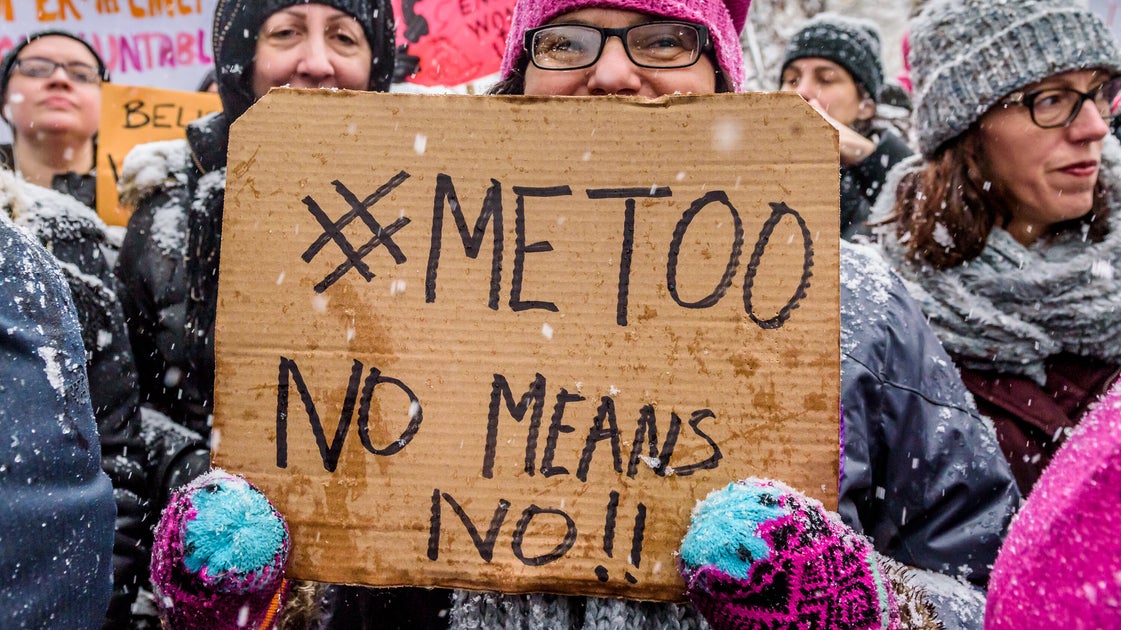
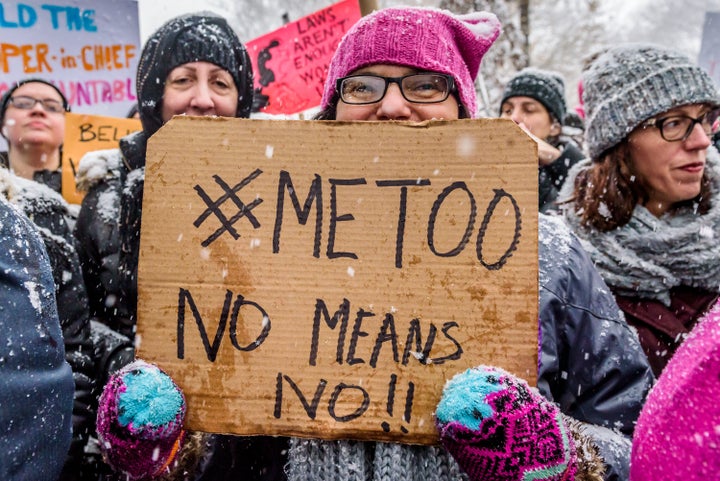
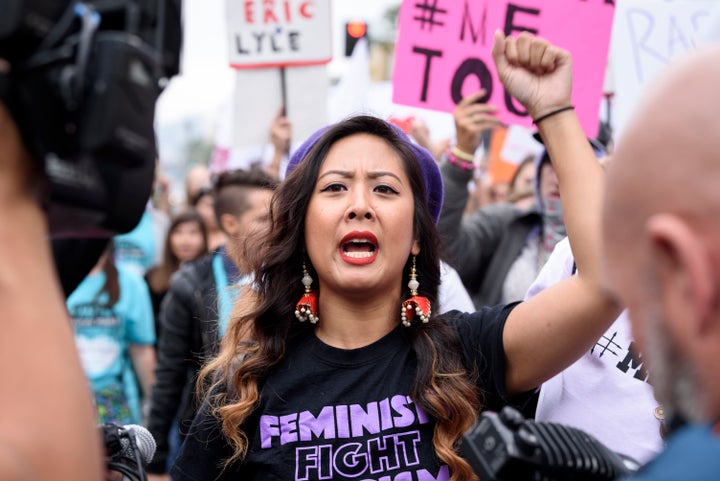
When the Me Too movement went mainstream in 2017, it seemed to usher in a lasting cultural reckoning. Conversations about consent and accountability for people in positions of power grew more prominent, while dozens of states passed workplace anti-harassment measures and restricted or banned nondisclosure agreements that could be used to conceal sexual misconduct. There was hope that reported incidents of this behavior would finally decline.

But nearly a decade later, a new study from the Newcomb Institute at Tulane University finds that Americans are reporting experiences of sexual harassment at much higher rates than they did before the movement.

The researchers found that the share of Americans reporting sexual harassment ― not just in the workplace, but broadly ― in the previous year increased from 10.7% in 2018 to 24.3% in 2024. The increase was seen among both women and men, though women remained significantly more likely to report sexual harassment.

It’s not clear whether the increase reflects more sexual harassment occurring, greater awareness of what constitutes harassment, or a greater willingness to report it in the wake of Me Too, said Anita Raj, a professor of public health at Tulane University and one of the study’s authors.

“Our study cannot distinguish between those explanations,” she told HuffPost. “But regardless of the reason, we do not see evidence of a decline in experiences despite greater legal protections and increased public awareness.”

Sexual harassment, especially street harassment in public places, “remains remarkably common and pervasive, particularly for women, and continues across generations even as more people recognize these behaviors as harmful,” Raj said.

Raj and her team analyzed nationally representative Me Too survey data from 5,293 U.S. adults to assess the differences in sexual harassment reporting since 2018. After ruling out demographic differences, the odds of reporting sexual harassment were nearly three times higher in 2024 than in 2018.

The increase was greatest among respondents living in the South.

“In our other research, we have found relatively high levels of skepticism regarding women’s reports of sexual harassment and assault in several Southern states like Mississippi, Texas, and Louisiana,” Raj said.

The study dates back to 2017 ― at the beginning of Me Too ― when Holly Kearl set out to create a national study on sexual harassment and assault because no existing research comprehensively examined it.

“So much of prior research was siloed to focus on sexual harassment and assault in the workplace or in college or in schools or in public spaces,” said Kearl, who’s the founder of the nonprofit Stop Street Harassment (SSH).

“I’d worked on some of those studies and I knew that each one was an incomplete picture if we want to understand the scope of what people experience,” she told HuffPost.

Sexual harassment and assault can be an all-encompassing experience, following girls and women wherever they go. Without seeing the full picture of their experiences, it’s harder to understand the impact on their lives and why it’s so important to tackle this issue, Kearl said.

As leading researcher on street harassment, Kearl suspected that people experienced sexual harassment the most in public spaces. She was right.

“I had hoped that finding would help broaden the attention that the Me Too movement was putting on workplaces to include public spaces, but that outcome didn’t occur as much as is needed,” she said. “Instead, the space where people face the most sexual harassment continues to be largely overlooked.

Raj thinks that Me Too produced real progress ― and notes that a 2022 Pew study showed that most Americans continue to support the movement ― but it’s also been accompanied by backlash and a flatlining of real action.

People accused of misconduct may use defamation lawsuits as a form of SLAPP (strategic lawsuit against public participation) to intimidate, silence and financially drain survivors who speak out — creating an environment in which survivors may feel unable to afford to report or pursue their claims.

As Kearl has pointed out, street harassment remains an overlooked piece of how we measure women’s public safety. Estimates of how common it is vary widely, with at least 22% of respondents reporting that they have experienced street harassment and some studies finding rates as high as 95%. LGBTQ+ women, low-income women and women of color report being targeted at higher rates.

“Skepticism toward women’s reports of sexual harassment and assault remains common, even though formal reporting remains relatively rare because many people fear stigma, retaliation, or not being believed,” Raj said.

The professor used her personal experience to illustrate the stalled momentum of the movement.

“When I was growing up, it felt like sexual harassment was not a matter of if but when,” she said. “When I discuss these issues with my daughter, who is now 26, and with my college and graduate students, many tell me that this expectation has not fundamentally changed. I find that incredibly disheartening.”

The encouraging news is that much of the sexual harassment reported today appears to occur in public spaces or among peers, rather than at the hands of supervisors or teachers — a possible sign of progress in workplaces and educational settings, Raj said.

“But we should not accept a world in which sexual harassment remains such a common expectation, particularly given that our 2024 Me Too report found that more than half of women reported experiencing some form of sexual violation before age 18,” she said. “Clearly, more work remains to be done.”

By entering your email and clicking Sign Up, you're agreeing to let us send you customized marketing messages about us and our advertising partners. You are also agreeing to our Terms of Service and Privacy Policy.
Comments
You must be logged in to comment.