huffpost Press
The Real Reason The MapQuest 'Lake America' Boycott Is So Effective
Images
1 / 9

2 / 9
3 / 9
4 / 9

5 / 9

6 / 9

7 / 9

8 / 9

9 / 9
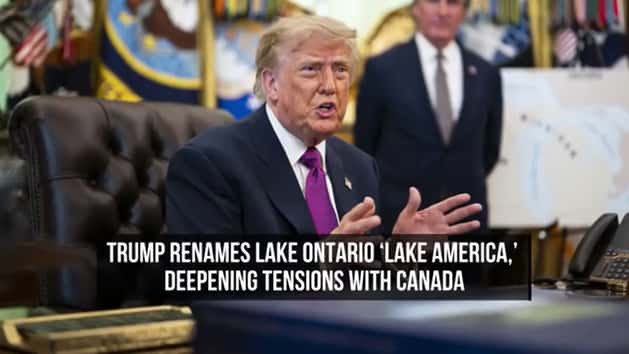
This week, MapQuest, the navigation program that launched in 1996, has suddenly climbed to the top of app charts after defying President Donald Trump’s executive order to change Lake Ontario’s name to Lake America in federal databases.

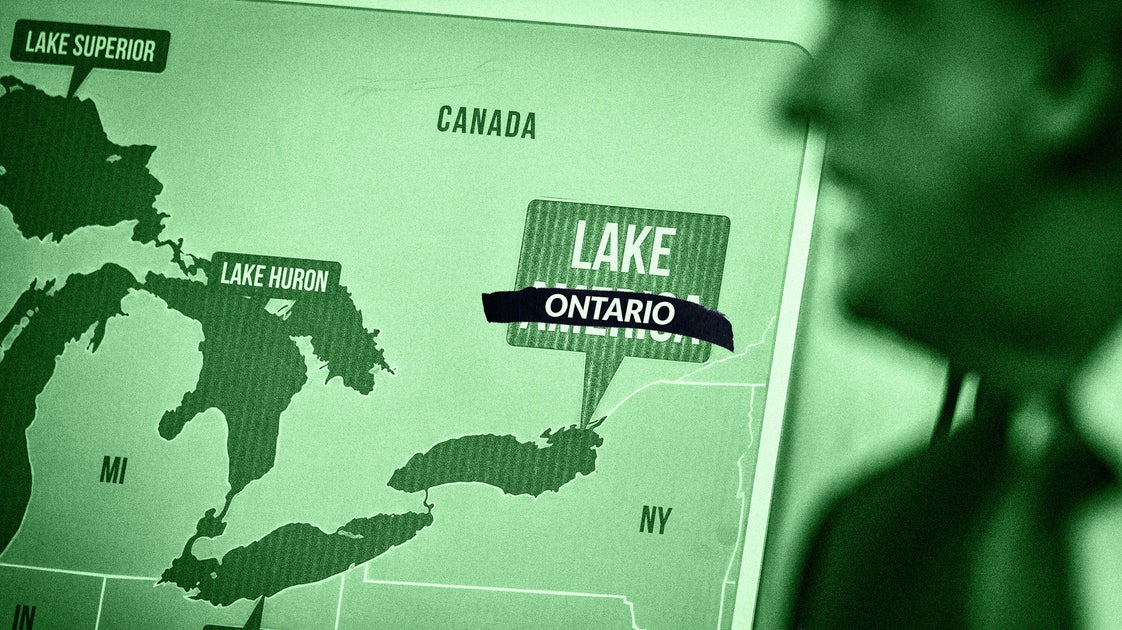
“We’re not changing it,” the mapping app declared on social media, along with an image naming Lake Ontario.

And many consumers took notice. As of Wednesday, MapQuest is the most-downloaded free app, surpassing ChatGPT.

“Welcome to the resistance...MapQuest,” one social media user wrote, while another wrote, “I just downloaded MapQuest. So long Google Maps.”

MapQuest said in a press statement that its No. 1 navigation app ranking was the highest chart position in the brand’s 30-year history: “Hundreds of thousands of people have downloaded the MapQuest apps since Thursday, and usage is running roughly 50 times its normal rate.”

What makes MapQuest’s defiance stand out even more is how its bigger competitors have quickly folded and complied with Trump’s name change. In an August blog post, Google said it updated the name to “Lake America” for U.S. app users, while keeping it “Lake Ontario” for Canadian users “to reflect name changes in official government sources, which is [the U.S. Geographic Names Information System] for the U.S.”

Apple also followed suit, renaming Lake Ontario to Lake America for U.S. users of Apple Maps, and has international versions that show both names. Apple did not respond to HuffPost inquiries about why it enacted the name change.

People downloading MapQuest because of its values is known as a “buycott,” a counter-boycott where consumers purposefully purchase a product to reward a business for aligning with their political beliefs.

MapQuest’s action may appear radical compared to other app makers, but its refusal to acknowledge Trump’s name change is what a majority of Americans believe too. Only 14% of Americans in a recent Reuters/Ipsos poll said they supported Trump changing the name of Lake Ontario — which has borne that name for more than 400 years.

“When companies are wishy-washy and capitulating to the administration, and then you’re the only one who has the courage, you look better,” said Americus Reed, a marketing professor at the University of Pennsylvania’s Wharton School.

What helped MapQuest win so much consumer praise was how quickly the company acted.

“Refusing to rename a lake costs MapQuest almost nothing operationally. There is no supply chain to rebuild, no product to redesign,” said Koen Pauwels, a professor of marketing at Northeastern University. “But the signal it sends is large: it tells a specific, identifiable audience –– people annoyed at politically-driven renaming –– that MapQuest shares their values.”

And that’s a compelling feature that will make consumers choose a program created in the ’90s over today’s more familiar tech giants.

By standing clearly in opposition to Trump’s order, MapQuest’s action gives people permission to make downloading its app a part of their personal identity ― and that personal connection can be powerful, Reed said.

“You have to get permission for the consumer to make you a part of their self story,” he said. “That story is now going to be like, ‘I think this is absurd, so I’m going to demonstrate my disagreement with this absurdity by ... supporting the company that was the first company to come out and say ‘No, we’re not going to do this.’”

What also helps MapQuest is that downloading an app doesn’t require much sacrifice. Pauwels noted that unlike boycotts that ask consumers to give up a treasured product or habit, consumers can simply download an app they might use anyway.

“Lower cost of participation means higher participation,” Pauwels said.

But for this moment to become a movement, MapQuest’s stand needs to leave a lasting impression beyond a news cycle.

“Buycotts that last connect to an identity. [For example,] ‘I use the app that didn’t cave,’” Pauwels said. “If that identity language sticks in how people talk about the app, the moment has a chance of becoming durable brand loyalty rather than a two-week download spike.”

By entering your email and clicking Sign Up, you're agreeing to let us send you customized marketing messages about us and our advertising partners. You are also agreeing to our Terms of Service and Privacy Policy.
Comments
You must be logged in to comment.