bbc Press
Andy Burnham praises UK-EU ties in meeting with Emmanuel Macron
Images
1 / 20
2 / 20
3 / 20
4 / 20
5 / 20

6 / 20

7 / 20

8 / 20

9 / 20
10 / 20

11 / 20
12 / 20
13 / 20
14 / 20

15 / 20
16 / 20
17 / 20

18 / 20
19 / 20
20 / 20
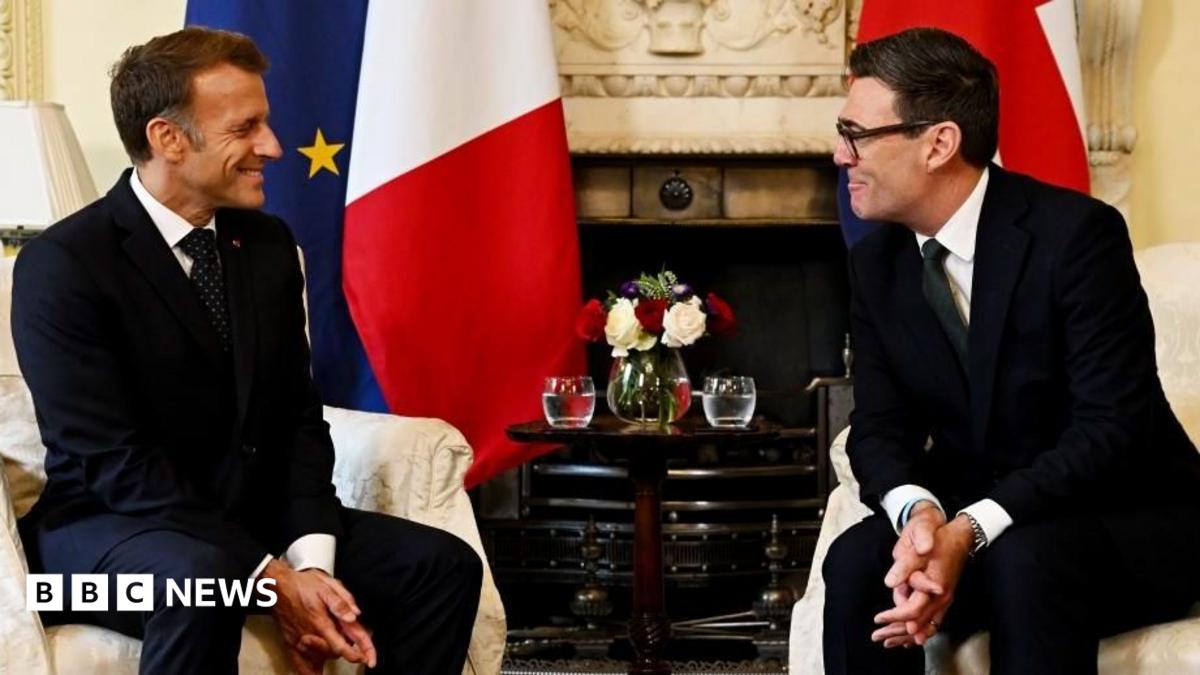
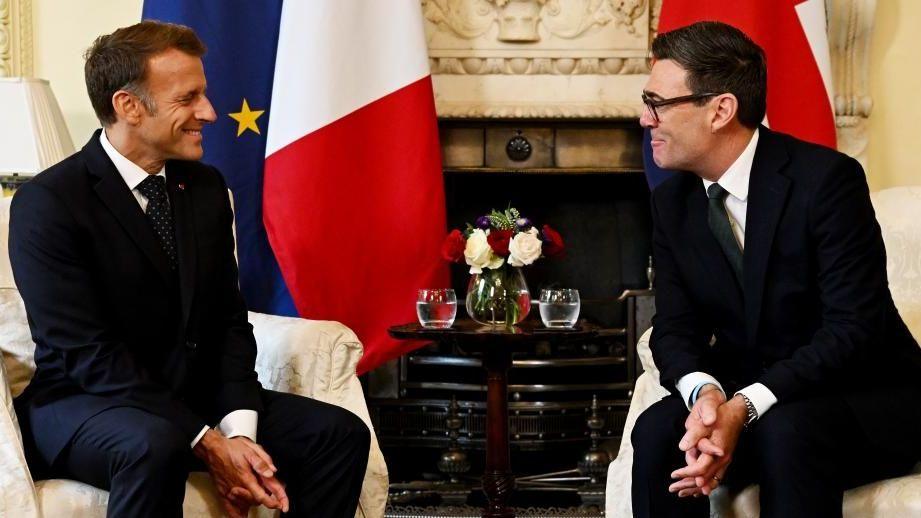
Macron and Burnham are holding bilateral talks on a range of issues

Prime Minister Andy Burnham has praised the UK-EU relationship as he holds talks with French President Emmanuel Macron about issues such as small boat crossings in the English Channel and defence.

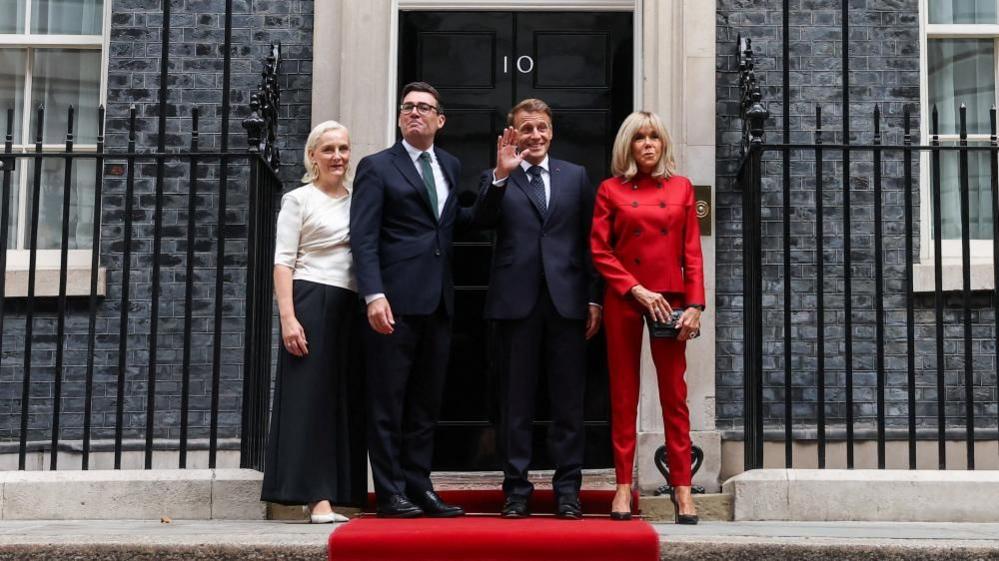
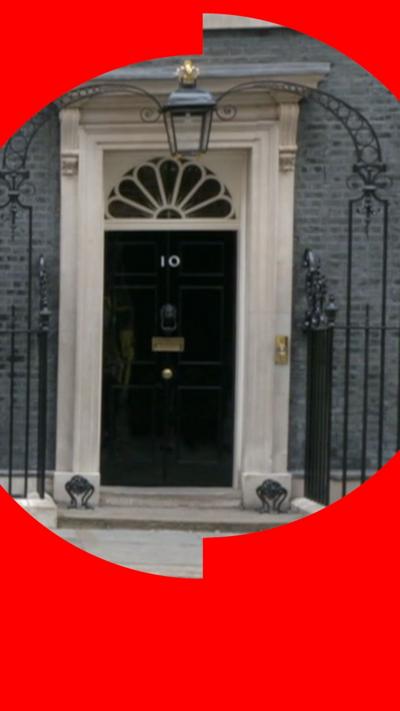
The pair shook hands and posed for photographs alongside their wives outside 10 Downing Street on Thursday morning.

They are discussing "shared challenges" including the rise of "mega dinghies" crossing the Channel illegally, which the Conservatives say shows the UK government has failed to "smash the gangs".

Burnham said it was "so fitting" that Macron was his first overseas visitor in Downing Street since becoming PM in July, describing him as "our nearest neighbour and close friend Emmanuel".

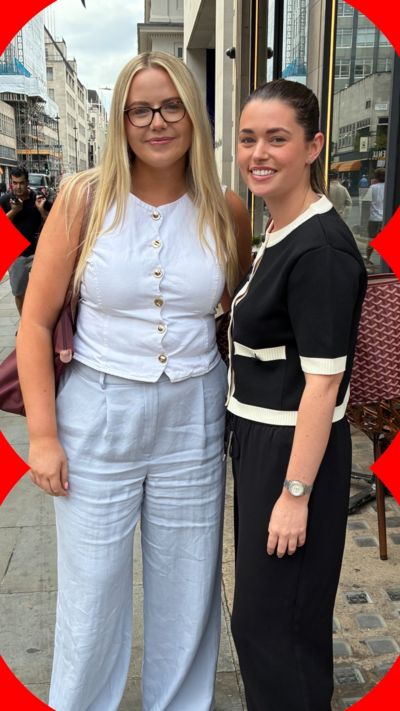
Burnham and Macron posed for photographs alongside their wives, Marie-France van Heel and Brigitte Macron

"It shows what collaboration can achieve, just as we are also showing on Ukraine, on small boats, and also on strengthening the UK-EU relationship. So I look forward to discussing those themes further with you today," Burnham added.

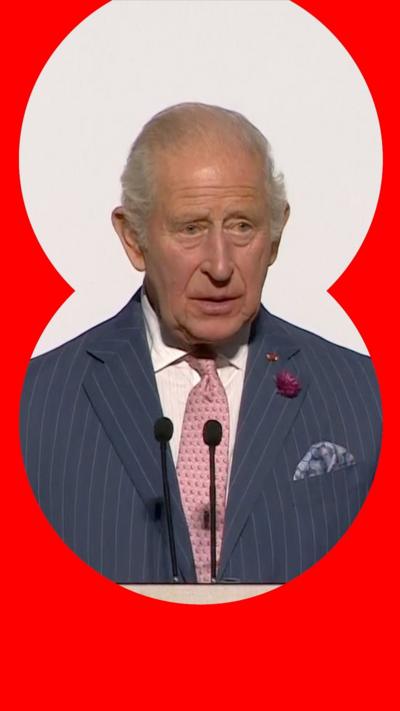
Macron's visit to the UK was primarily to mark the Bayeux Tapestry's loan to the British Museum. The French leader met King Charles at the museum on Wednesday, ahead of the medieval tapestry going on public display next week.

In bilateral talks on Thursday, Burnham and Macron are discussing not just small boats but also the conflicts in Ukraine and the Middle East, as well as defence and EU co-operation.

But the "mega dinghies" crossing the Channel illegally - first seen earlier in August with a 15-metre long vessel carrying a record 230 migrants towards the UK - are arguably the most pressing challenge facing the pair.

It follows a summer when the overall number of small boat arrivals in the UK fell to a seven-year low.

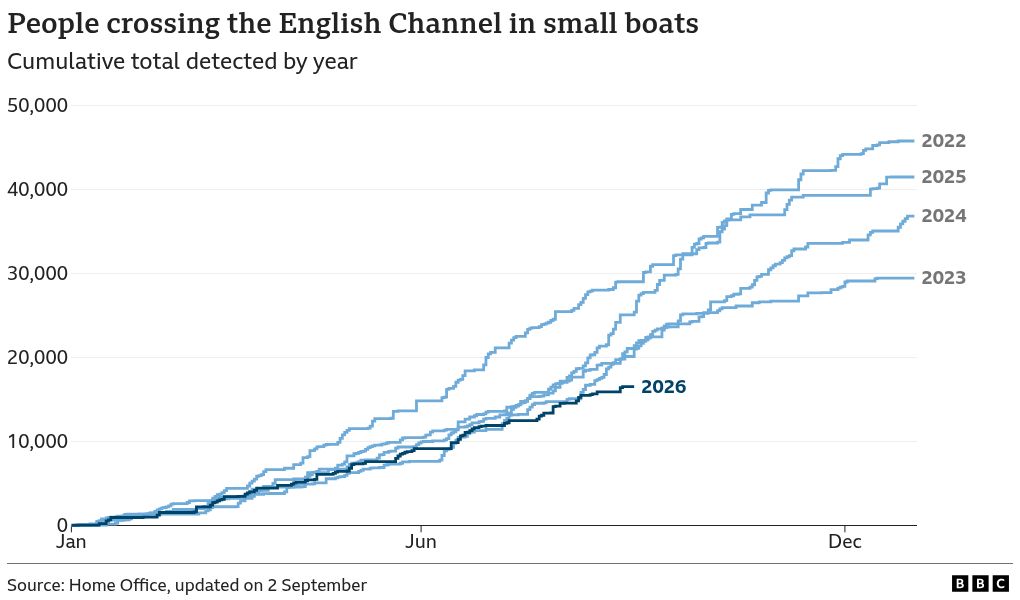
Between 1 January and 1 September 2026, a total of 16,513 people crossed the English Channel by small boat from France. This was down by 43% on the same period the previous year.

These crossings have become the most common way for people to be detected entering the UK illegally since 2020.

Nearly all those who arrive by small boat claim asylum. Under international law, this means they are allowed to stay in the country while their asylum application is considered.

Small boat arrivals made up 40% of asylum applications between July 2025 to June 2026.

Boats that arrived in the UK from 2 September 2025 to 1 September 2026 carried an average of 68 people. This has more than doubled since 2021.

Experts say overcrowding in boats makes crossings riskier. At least 84 people died while attempting to cross the Channel in 2024, according to the United Nations (UN).

When looking at the scale of small boats crossings, the number of these arrivals is about 5% of the size of total immigration into the UK from January 2025 to December 2025.

The government has pledged to “smash the gangs” behind these crossings in order to reduce the numbers.

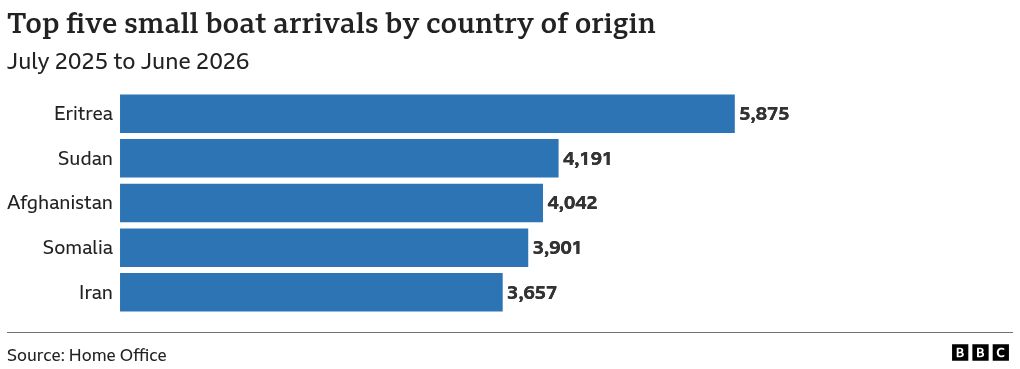
People from Eritrea accounted for 18% of all arrivals from July 2025 to June 2026.

In the latest figures covering January 2025 to December 2025, at least 2,335 people who arrived by small boat were found to be potential victims of human trafficking or other forms of modern slavery, according to the Home Office.

Another 4,712 people were detected entering the UK without permission via other methods including hiding in vehicles, travelling on ferries or through airports from July 2025 to June 2026. This was down by 17% on the same period the previous year.

There are also individuals who arrive legally, for example via a work or study visa, and then overstay their limit.

The total number of people who live in the UK illegally after arriving legally is not known.

Downing Street says 45 extra police officers are being deployed to French beaches in a "surge team" to tackle larger dinghies with more people packed onto them.

Earlier on Tuesday, Home Office Minister Anna Turley said the officers were "just part of the armoury" of more than 1,000 officers on northern French beaches who are now doing "actual intervention" in the water.

She told BBC Radio 4's Today programme that videos in recent weeks "show them going to the boats, slashing them, pushing people back, being bombarded with stones and bricks and coming under a lot of challenge to do that, so they are intervening".

In a post on X, external, in which he said he was "do[ing] politics differently", Burnham laid out the latest small boat, returns and asylum hotel figures, describing smuggling gangs as a "shared European challenge".

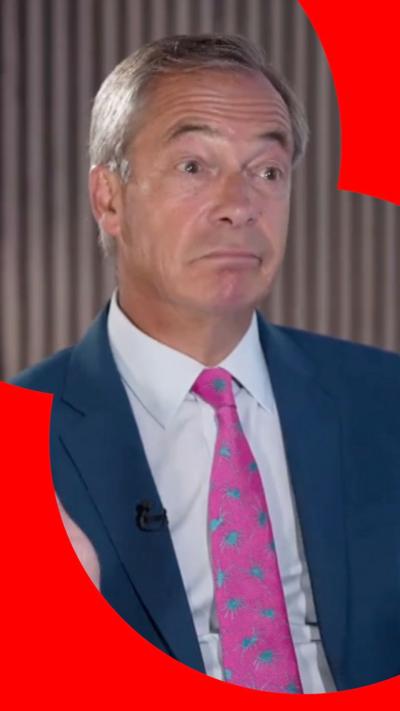
Asked about the extra police on French beaches, Conservative leader Kemi Badenoch told the BBC she welcomed European collaboration "but the boats aren't stopping".

"We have spent hundreds of millions, if not billions, paying the French to man the borders," she said.

Channel smuggling gangs resort to 'mega-dinghies' as crackdown limits small boat supply

King hails 'unprecedented' Bayeux Tapestry exhibition in London

Sign up for our Politics Essential newsletter to keep up with the inner workings of Westminster and beyond.
Comments
You must be logged in to comment.