buzzfeed Press
The Great Wall Of China CANNOT Be Seen From Space And 67 Other "Facts" That Are Just 100% Made Up
Images

1 / 20

2 / 20

3 / 20

4 / 20
5 / 20

6 / 20

7 / 20

8 / 20
9 / 20

10 / 20

11 / 20

12 / 20

13 / 20

14 / 20

15 / 20

16 / 20

17 / 20
18 / 20

19 / 20
20 / 20
No, you do not eat eight spiders in your sleep every night.

I'm a Senior Staff Writer based in New York City, where I've been covering classic BuzzFeed-style content since 2020.

"People still drink their piss in survival situations. The entire reason your kidneys got rid of it in the first goddamned place is that it's toxic! DON'T PUT THE TOXINS BACK IN!"

"Definitely a lie told to kids to keep them from messing with wildlife! Most birds can't even smell you anyway."

"Got mine done last year, and the doc was like 'just a reminder that reversing this is complicated and will cost a minimum of $7,000 and is rarely covered by insurance.'

I, child-free by choice, was ecstatic about that. 'Snip away, doc!'"

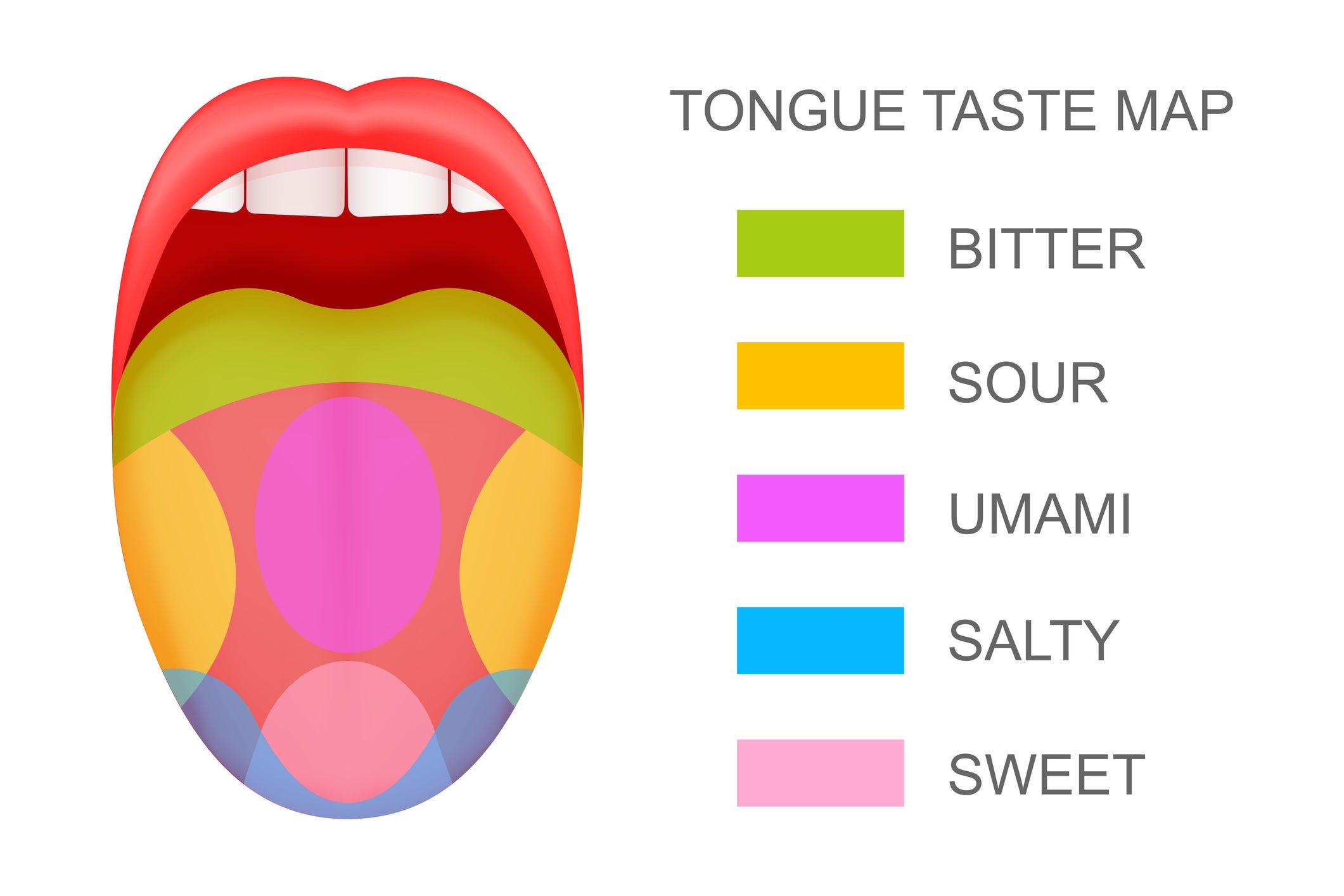
"This was 100% in my science books in the late '80s and early '90s. We even had to memorize the zones. I remember testing it out with my tongue and thinking something was wrong with me."

"I can certainly see how this myth continues, though — a hair with a thick, cut end instead of a tapered, naturally grown out end does indeed look thicker, and you notice its growth more quickly than you do a tapered end, if only because the stubbly blunt ends are more bothersome."

"People often start to shave when dark hairs start appearing in early puberty. Later, they observe that the hairs grow back thicker and that there are more of them. This increase is due to puberty, not because the hairs were being shaved."

"And don't answer ANY of their questions...they'll ask a few innocuous ones, then surprise you with a potentially incriminating one, and it looks bad if you then suddenly hesitate."

"The scientist who theorized it was watching a group of wolves from mixed families being thrown together into an enclosure they couldn't escape. As he later put it, it was like watching humans in a concentration camp and inferring from that how society was normally structured.

Outside of concentration camp-like conditions, the default wolf pack consists of parent leaders and subservient offspring. All social animals have parents as leaders, with their offspring ranking beneath them. Calling them alpha, beta, etc. doesn't add new information.

Very rarely will wolves from different parents form a pack larger than just a mating pair, *then* you might see something like the hierarchy he originally described. That's not their natural state, though."

"I remember being taught in school that Columbus was trying to prove the Earth was round, which is absolutely false."

"The myth comes from a popular biography of Christopher Columbus written in the 1820s. In it, Columbus's maverick status is established by having courtiers claim he can't sail west because the Earth is flat.

This is total nonsense. His plans *were* rubbish, because his calculations were all wrong. Columbus turned up at the Portuguese court, arguing he'd reach Japan after 4500 km, based on incorrect assumptions about the size of the Earth and incorrect information about Japan's location. The Portuguese, who were the main players in Atlantic exploration, said absolutely not — not least because they'd just mapped an actual sea route into the Indian Ocean around the coast of Africa. The Spanish, however, were newly flush with Granadan treasure and eager to catch up in the maritime race, so they threw Columbus a bit of cash and some battered old ships with low expectations that he'd return with anything."

"Some people use close to 100% of the brain activity at the same time. It's called having a seizure and usually sucks."

"True, you do not lose most of your body heat through your head; you only lose about 7% to 10% of your total body heat from an uncovered head. This amount is directly proportional to its surface area, which makes up roughly 7% to 10% of your entire body. In terms of basic physics, your head radiates heat at the exact same rate per square inch as any other patch of exposed skin on your body.

The myth that you leak up to 45% or even 90% of your body heat from your head stems from some flawed 1950s Arctic military survival studies."

Submissions have been edited for length/clarity.
Comments
You must be logged in to comment.