buzzfeed Press
10 Hilarious "Airplane!" Behind-The-Scenes Stories From Star Robert Hays
Images
1 / 15
2 / 15

3 / 15
4 / 15

5 / 15
6 / 15
7 / 15
8 / 15
9 / 15
10 / 15
11 / 15
12 / 15
13 / 15
14 / 15
15 / 15
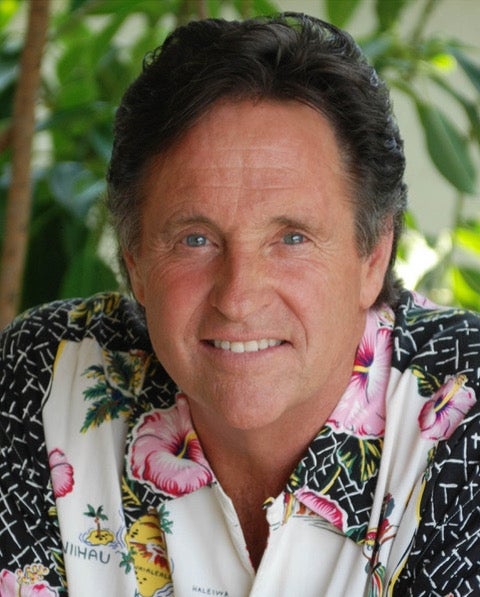
Robert Hays shared hilarious firsthand stories from making “Airplane!” including Leslie Nielsen’s fart machine that nearly broke his composure, the iconic “Stayin’ Alive” sequence, and his friendship with co-star Julie Hagerty.

I’m a pop-culture writer covering everything from TV and movies, to music, Broadway, books, and games.

I grew up watching the film with my dad, and the more I rewatch it, the more I discover the wacky little jokes packed into nearly every scene. From lines like "Don’t call me Shirley" to moments like the "Stayin' Alive" dance, few movies manage to pack quite so much absurdity into a breezy 88 minutes.

As stars Robert Hays and Julie Hagerty continue the Airplane! Live screening tour, I had the honor of catching up with Robert over Zoom to talk about his friendship with Julie, keeping a straight face alongside Leslie Nielsen, the making of some of the movie’s most iconic moments, and the hilarious behind-the-scenes goofs you may have never noticed.

Note: This interview was edited for length and clarity.

Robert: I read the script for the very first time while on a plane from LA back to Minneapolis–Saint Paul. At the time, I was doing a TV series called Angie with Donna Pescow. The station had switched from NBC to ABC, which was a huge deal, so they brought in a bunch of ABC stars from their various series. I remember Howard Cosell was my favorite of all the people we got to travel with.

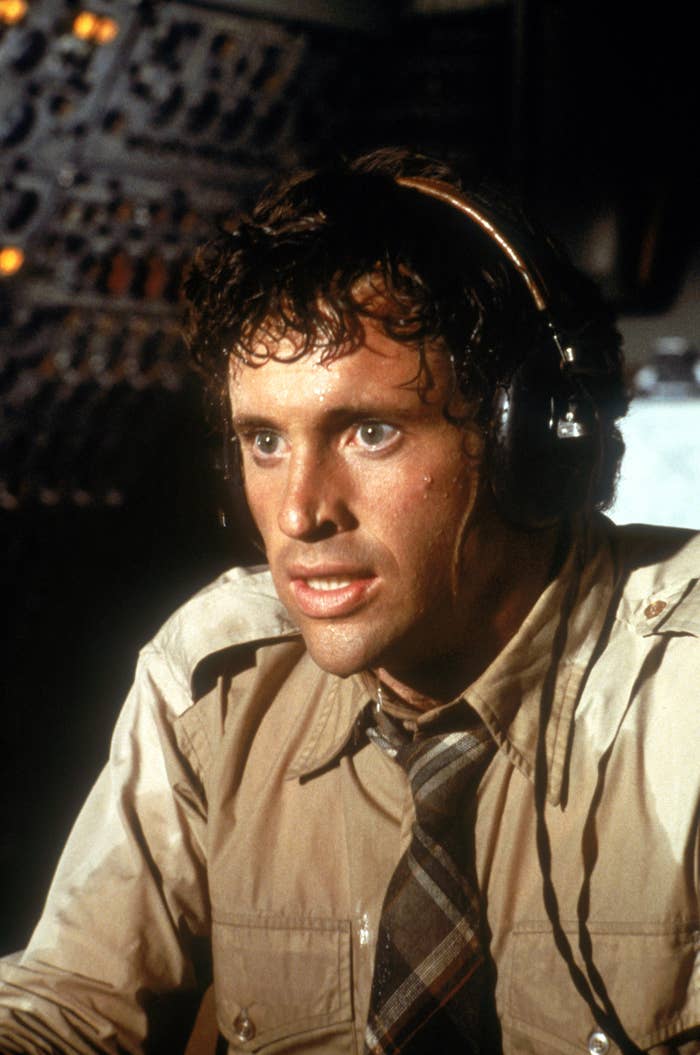
I was reading the script on the plane, and there was something on every single page that made me laugh out loud — or at least chuckle a little bit. I had so much fun reading it, and I had just as much fun making the film. It was truly an amazing experience.

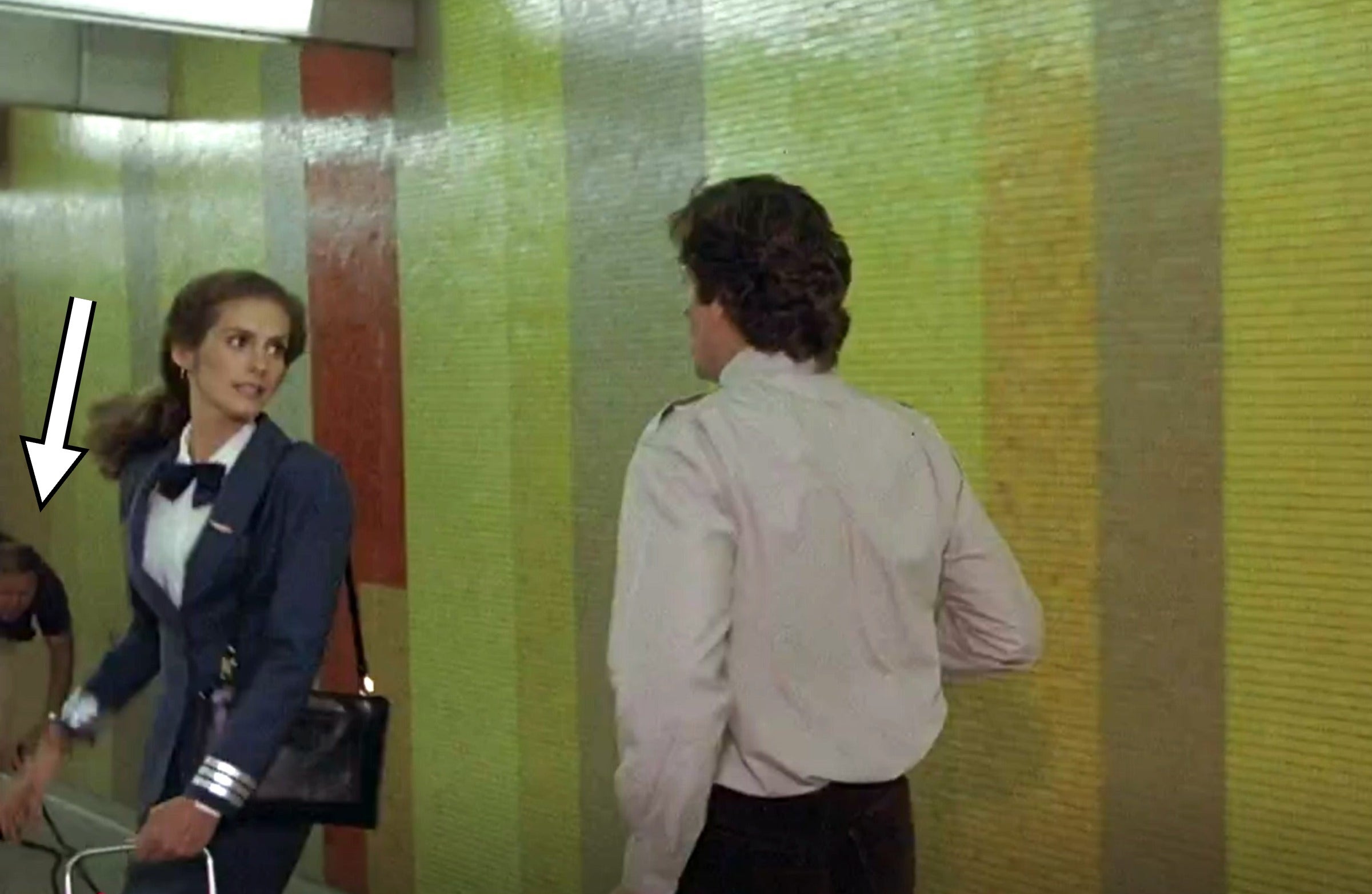
Robert: When we filmed at LAX, we were in the hallway with all the regular passengers walking past. I mean, this was a low-budget film. It was three and a half million to make, which was a low budget even back then.

As they're filming me coming up to Julie, we do the scene where she leaves, and I look at the camera and say, "What a pisser!"

If you look in the background, you can catch a glimpse of one of the assistants pulling a cable. I guess he was watching the scene or something distracted him, and he didn't get the cable pulled out in time. (Laughs) You see it kind of sneaking out of the scene. There are a few other funny moments like that throughout the film.

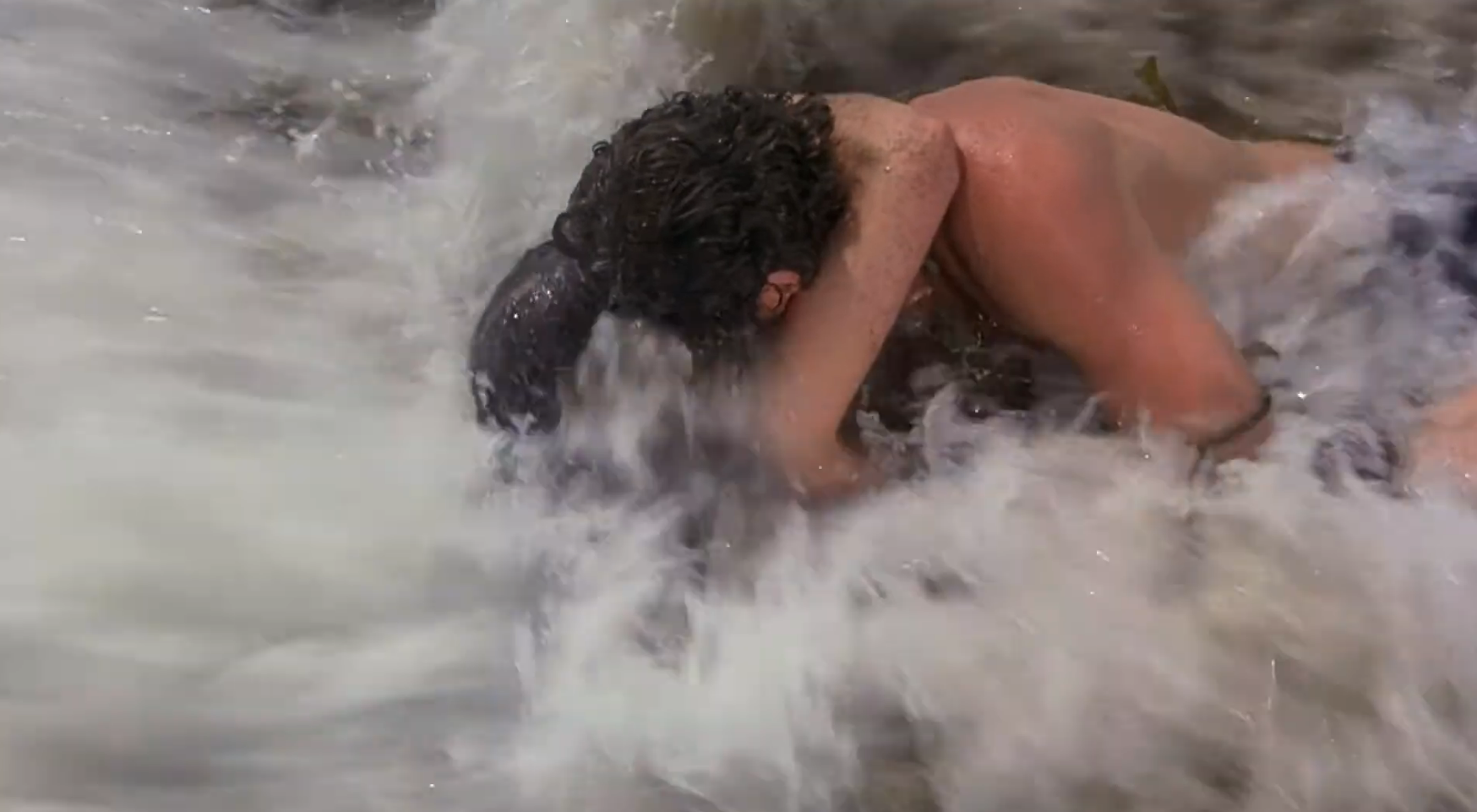
Robert: I think it was at Sunset Cliffs in Malibu where we filmed the beach sequence. There was a big 10,000-gallon portable canvas tank, and it was rather chilly that day. So we had all this water dumped down on us, and one of the waves left a catfish flopping next to Julie. She didn't even know it was there until I told her, and she goes, "Ahhhhh!"

That wasn't on camera, but it was very funny. Gosh, we had fun.

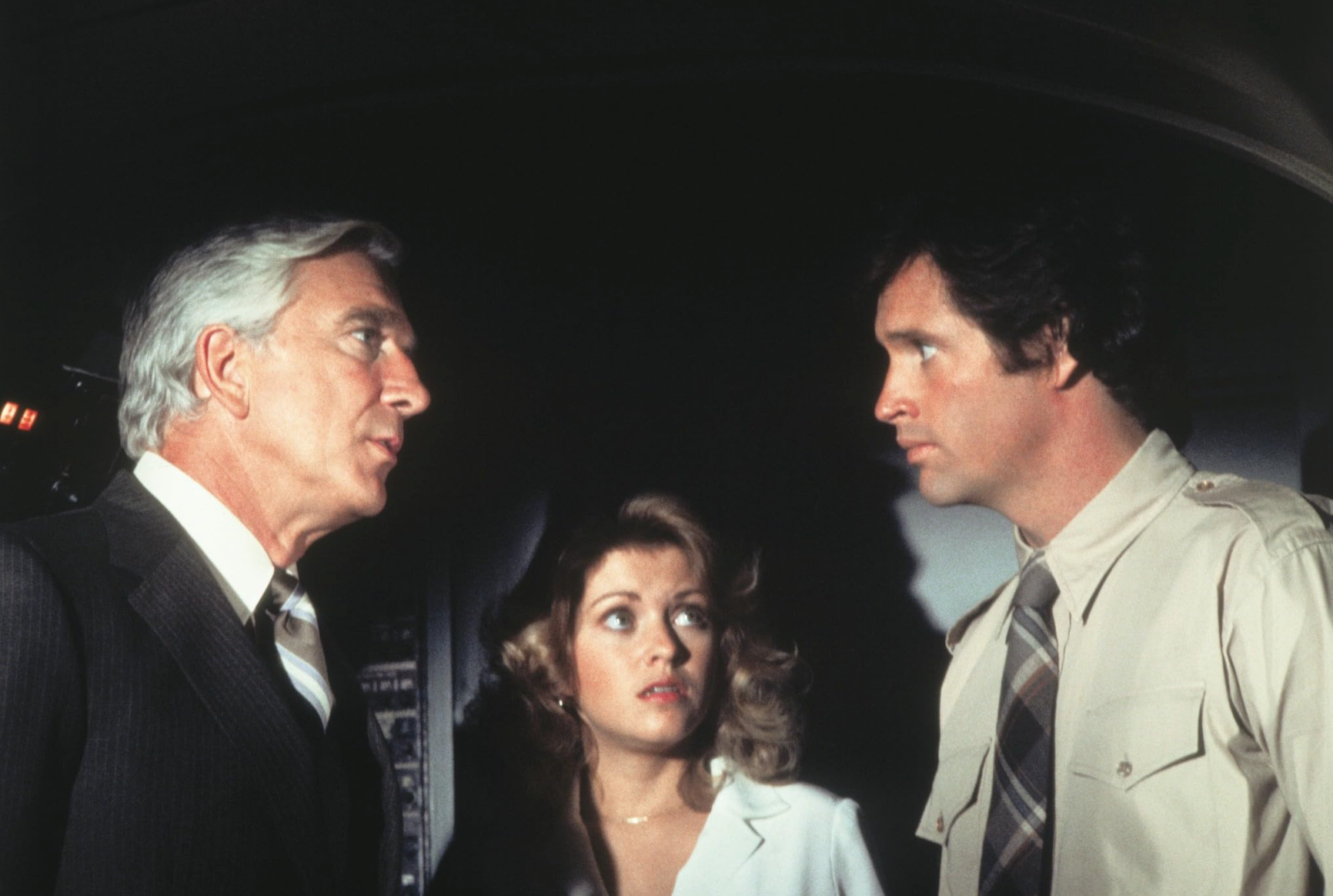
Robert: It was hard to keep a straight face in almost any scene with Leslie, but especially in our first.

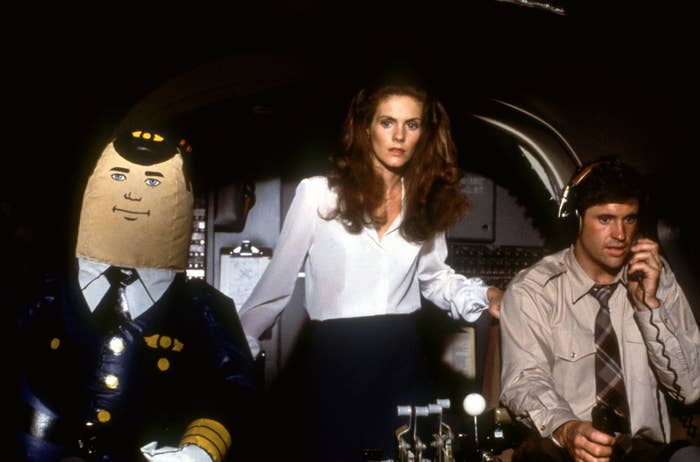
Lorna Patterson, who was wonderful, comes up to me and says, "There's a problem in the cockpit." And we do the "Cockpit, what is it? It's a little room where the pilot sits, but that's unimportant right now." So I go into the cockpit for the first time, and Leslie says, "Mr. Striker, can you fly this plane?" And I say, "Surely can't be serious!" That’s the first time I say that, and then Leslie delivers the other half of the famous exchange: "I am serious. And don't call me Shirley."

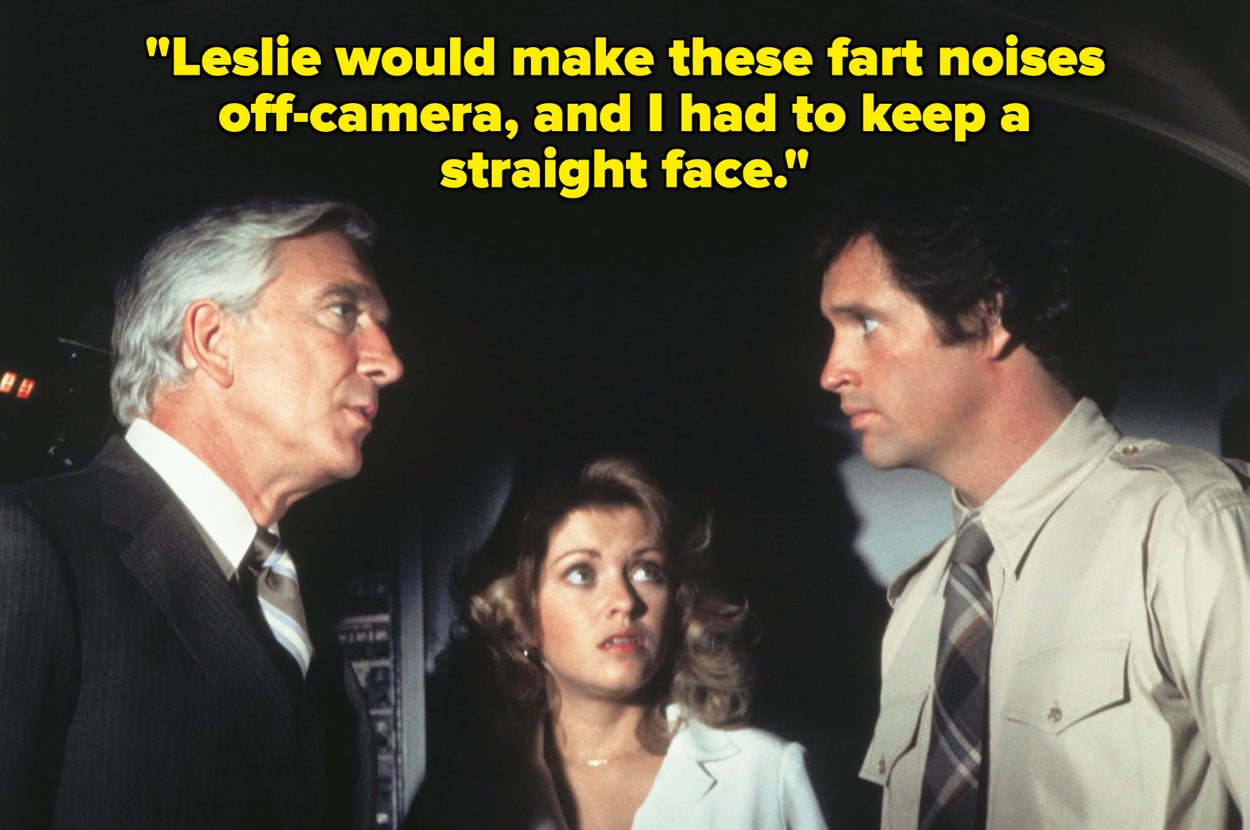
Leslie had a little "machine" — nobody really knew about it in Hollywood then, but now everyone does. It became legendary. It was a little thing he put in his hand and squeezed, and it was basically a fart machine. It was like a handheld whoopee cushion, and he just played it like a maestro. Your eyes would be watering, you're laughing so hard.

Well, when I was doing my closeups, Leslie would make these fart noises off-camera, and I had to keep a straight face. It would sound like, "Mr. Striker [fart] can [fart] you land this plane?"

I'd come from the theater, and sometimes people pull stunts on you when you're doing something that goes on for months, and you have to learn to keep a straight face. (Laughs) So I guess I was trained my whole life for that moment, and I was able to keep a straight face.

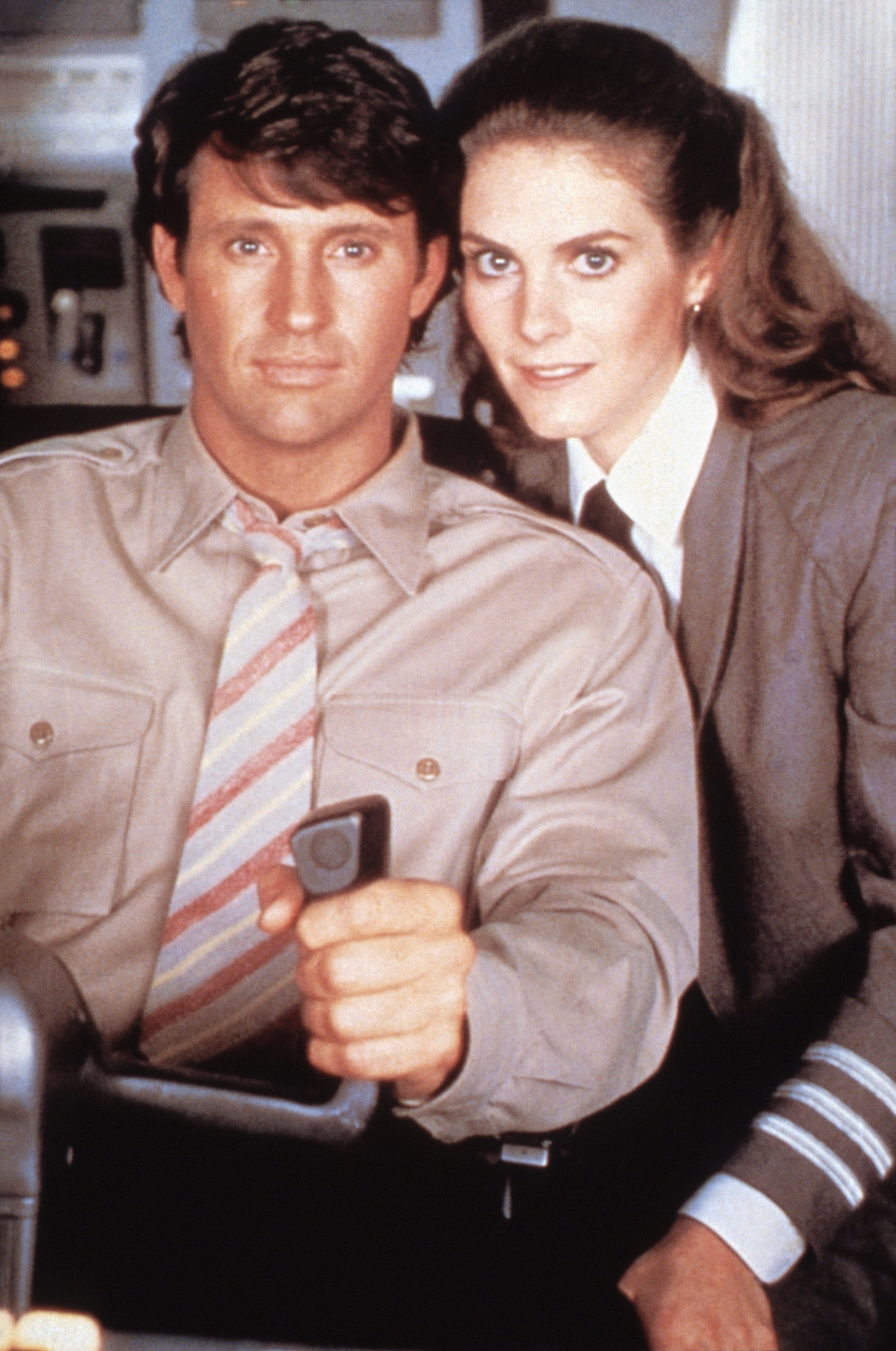
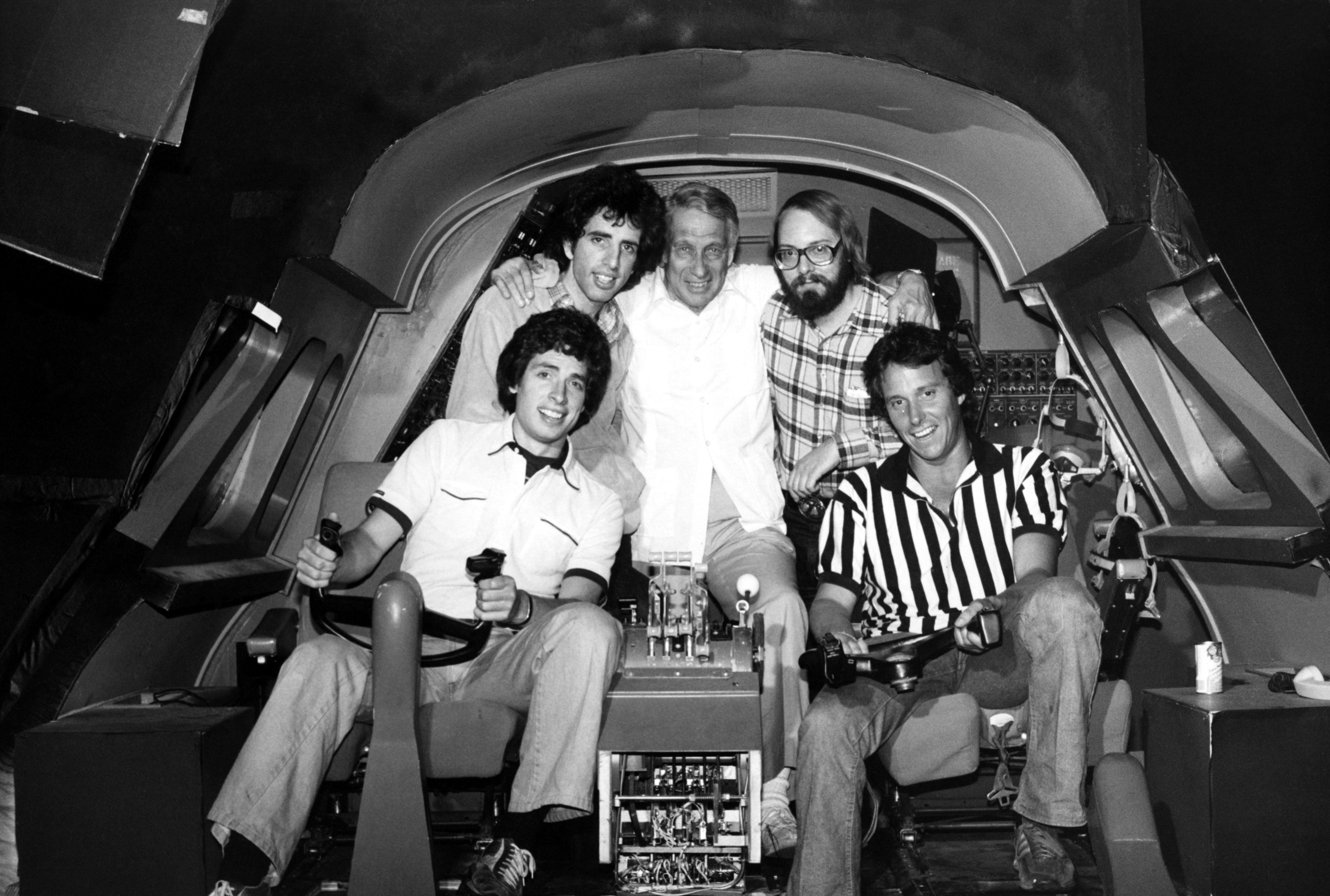
Robert: She is the sweetest woman in the world. I remember one time a guy came to pick her up during our lunch break, and they were going to go have lunch. Jerry [Zucker], David [Zucker], Jim [Abrahams], and I were like four big brothers standing there at those huge studio doors that open. We're looking at them, saying, "You have her back on time," you know, just like a big brother. It was always fun like that.

We just hit it off and became great friends. The way it is in the biz, you drift off, and you're doing other projects. We would keep in touch a little, and then kind of lose track of each other.

Julie was back in New York doing stuff, and we went to have some lunch, and it was like, "Gosh, I really miss being around you!" Her husband, Richard, is a great guy, and we all go out with my wife, Gina, and have dinner.

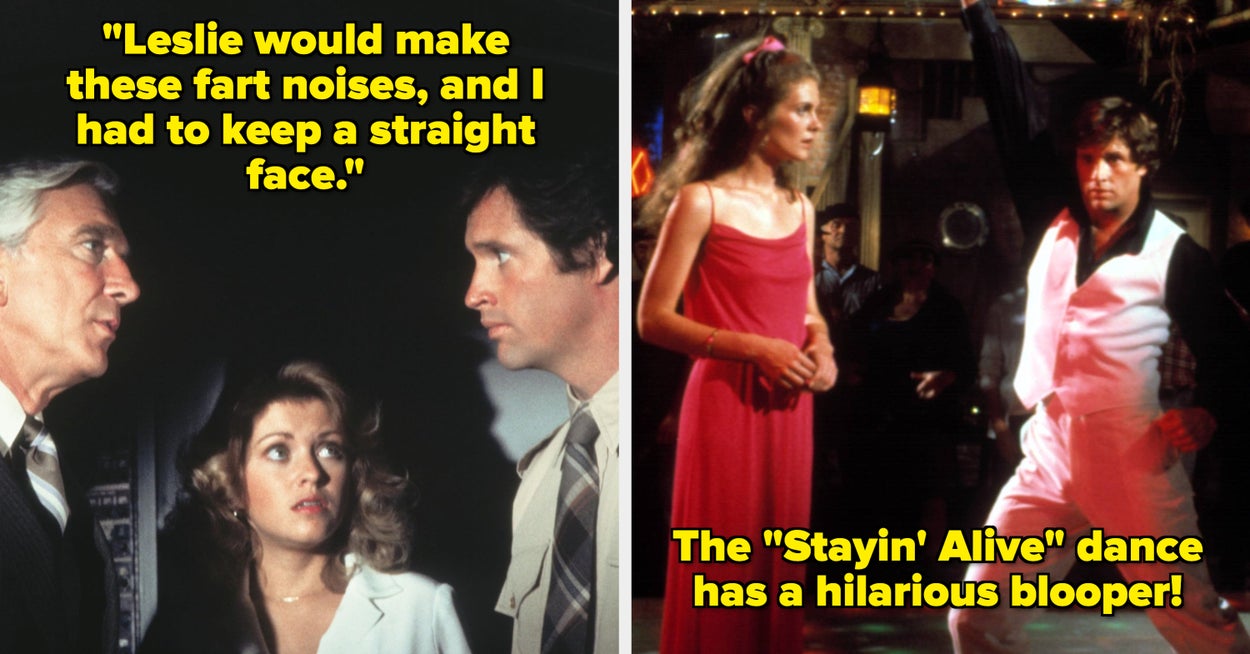
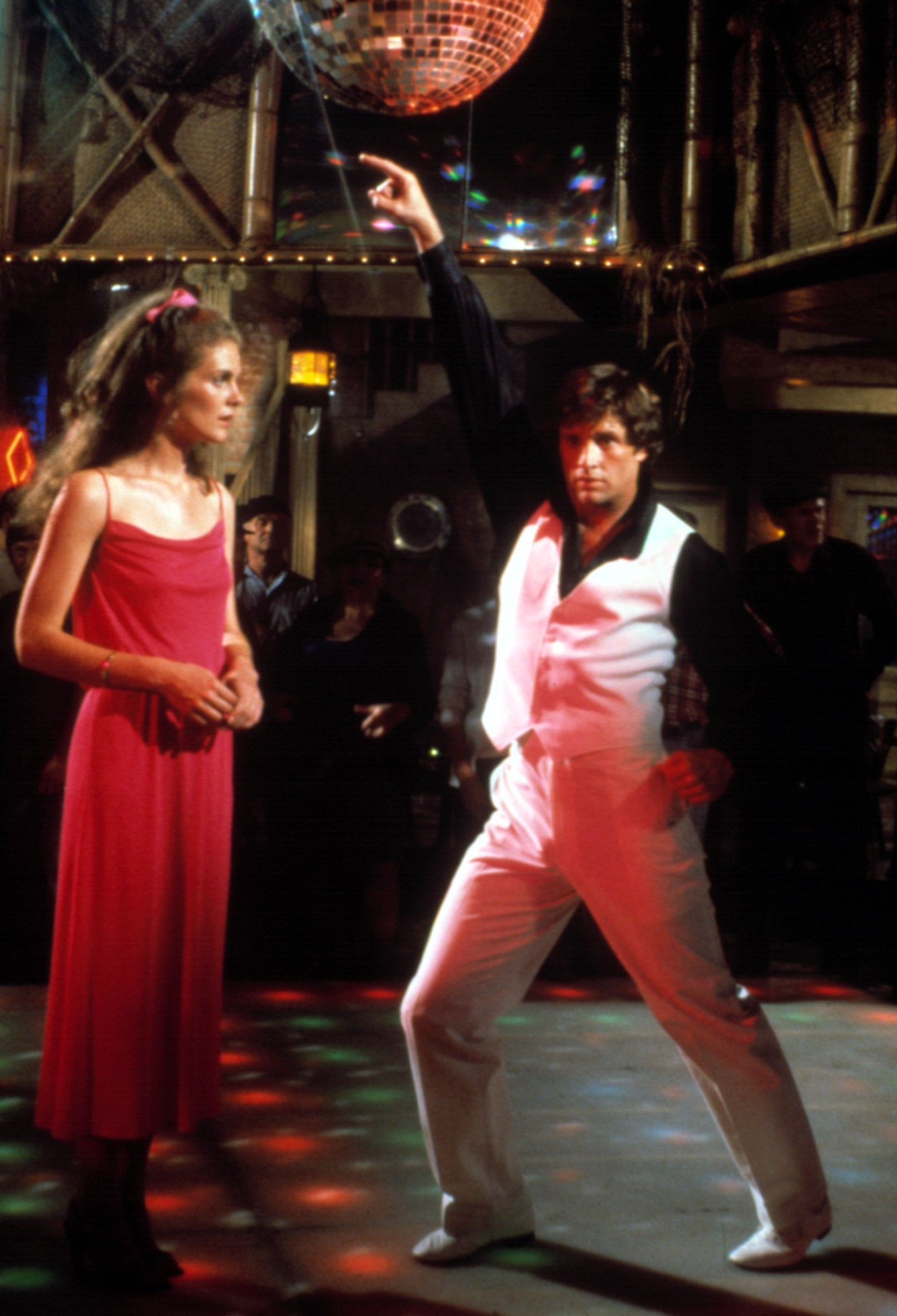
Robert: We had two wonderful choreographers, and we rehearsed for a couple of weeks on that, maybe a little more. We got it all down, got the moves, everything. Then we got on the soundstage, and we didn't have time to go over anything. We had to just do the scene because of the budget, and also the time that we had the stage for. Somebody else was coming in, so we had to shoot it and get on with it.

So I come out from the bar, and I face Julie, and the camera is all set up, and the whole bar scene is all behind us. They said, "No, we can't do it. It's got to be the other way. Can you do something different?"

I had an idea, and I said to the boys, "What about this? I come up to her. We face each other, and then we're like two animals in the jungle, stalking each other, and we turn like that. Then I take off the jacket, throw it, and strike the pose. It comes back and hits me in the face, and then I start back in on my stuff, and then we start dancing."

So we did it, and they said, "Perfect!" I felt like, "Wow, I saved the day for that second!"

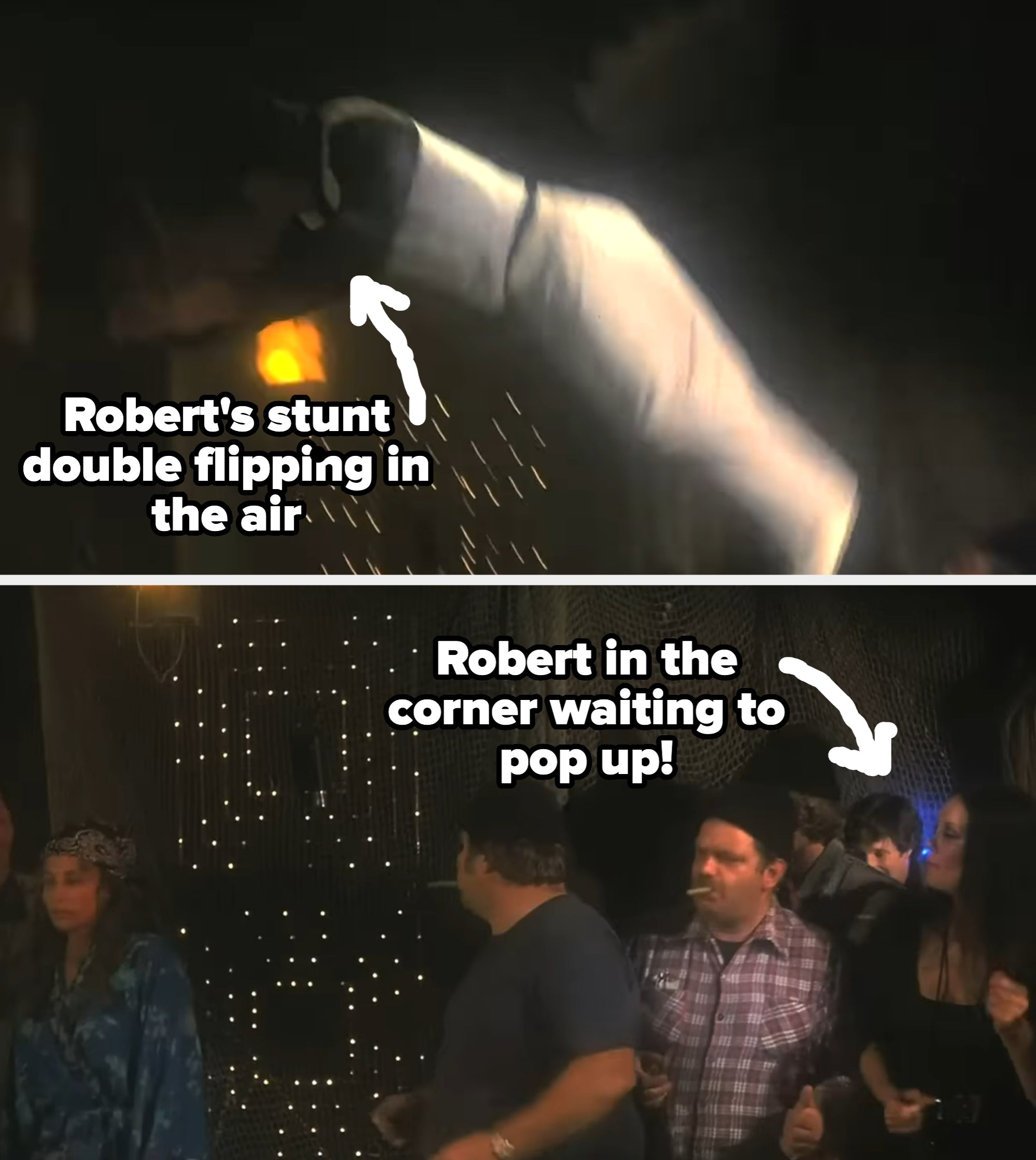
Robert: Something funny from that scene — there's a part where I have my legs around her, and she's spinning, and I flip through the air, which obviously is a stunt guy.

If you look in the crowd, there's my head sticking up, and then I go back down. (Laughs) I was watching them so intently that I wasn't even paying attention. If you can see the camera, the camera can see you, you know. So I got back down, crouched down, and then I popped out like, "Ha ha, I'm okay." I don't even know if anyone caught that mistake at the moment, but that scene was full of wacky, fun things.

Robert: People often ask if there was a lot of ad-libbing, and no, it was mainly the words on the page. Stephen Stucker played Johnny in the tower, and he was part of David Zucker, Jerry Zucker, and Jim Abrahams' Kentucky Fried Theater company, which did improv. When they cast him, they'd sometimes call up and ask, "Hey, this is the deal. What would you say? How would you respond to that?" And he says something like, "Oh, I can make a hat and make a brooch," or "It's like a big Tylenol!" Okay, write that down, write that down.

I remember at the end of one day, Jim came up to me and said, "Okay, we're shooting the scene where you're boring the Japanese general, and we don't have enough. So write some more. See you tomorrow!"

He turns and leaves, and I'm thinking, "What? I'm not a writer!" Then I said, "Calm down, okay. Take a look at it. What do you do? You bore people to death. I can be boring." So I just started writing, and a whole bunch of that scene is my rant.

Other than that, though, it was mostly word-for-word what they had written because they had a specific tempo and rhythm they wanted for the jokes to work.

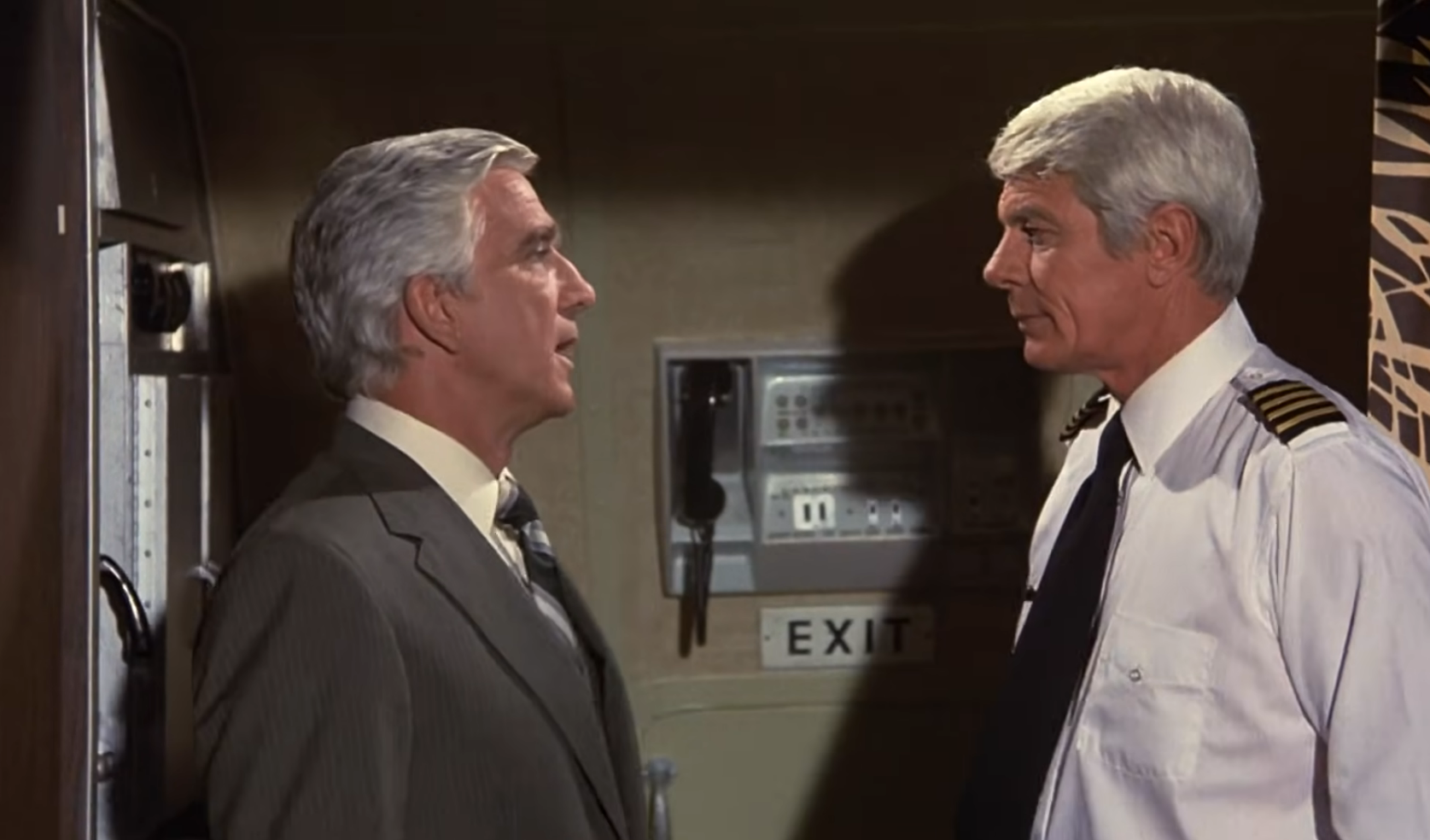
Robert: There are so many scenes that make me laugh. One scene that always gets me is Leslie Nielsen and Peter Graves: "How soon can we land?" "I can't tell." "You can tell me, I'm a doctor." "Not for another two hours." "You can't tell me for two hours?" "No, I mean we can't land for two hours!"

It's so ridiculous, and they are both so good, and just playing it straight, and that's the brilliance of the boys [Jerry, David, and Jim]. They had a hard time finding Leslie Nielsen's character, Dr. Rumack. Vincent Price passed on Dr. Rumack, and he later said turning down the role was the biggest regret in his career. That's pretty amazing coming from Vincent Price, somebody that iconic.

The studio kept suggesting actors who weren't a good fit, and one weekend, they were watching some TV when there was Leslie. They thought, God, who is this guy? He's perfect! The casting director said, "Leslie Nielsen? That's who you hire the night before when you can't get anybody else!" They said, "No, that's who we want," and he was incredible.

They knew what they wanted. They knew how they wanted to do it. They wrote it the way they wanted to write it, after five years of rewriting and polishing, when they were rejected over and over from every studio. It really made it the tightest script I'd ever read, still to this day.

Robert: Watching Airplane! now, I can enjoy it more instead of being so critical of my performance. When I first do something, and when I watch it, I feel that cringe of, "I wish I had said that better. Why did I do it that way?" But after about 10 or 20 years, I would watch Airplane! and I say, "That was actually really good. I like the delivery on that one!"

The people who come are really, really big fans of the film. So we've got a captive audience of people who know the movie and are there to enjoy it.

Being up there with our moderator, Dan Pasternack, who's wonderful — he moderates Q&As with us, and we take questions from the audience — is just the best. What a gift to be able to do that. We have so much fun every day. I literally wake up and think, "Oh boy, I get to go to work."

The fun thing is watching the audience, and they continue to have this explosive laughter. It's wonderful that people are still into it and loving it.
Comments
You must be logged in to comment.