yahoo Press
Japanese artist Yayoi Kusama, who filled the world with polka dots, dead at 97
Images
1 / 15
2 / 15

3 / 15

4 / 15
5 / 15
6 / 15
7 / 15
8 / 15
9 / 15
10 / 15
11 / 15
12 / 15
13 / 15
14 / 15
15 / 15
Yayoi Kusama, one of the world's most celebrated and best-selling artists, has died age 97, according to a statement on the artist's official website.

"It is with profound sorrow that (we announce) the passing of Yayoi Kusama at a hospital in Tokyo on August 14," read the statement, posted on Thursday.

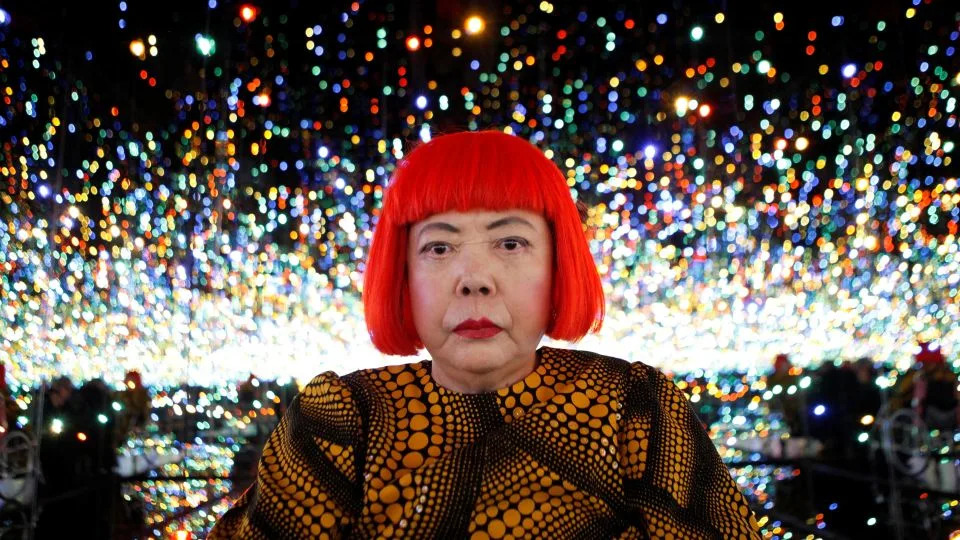
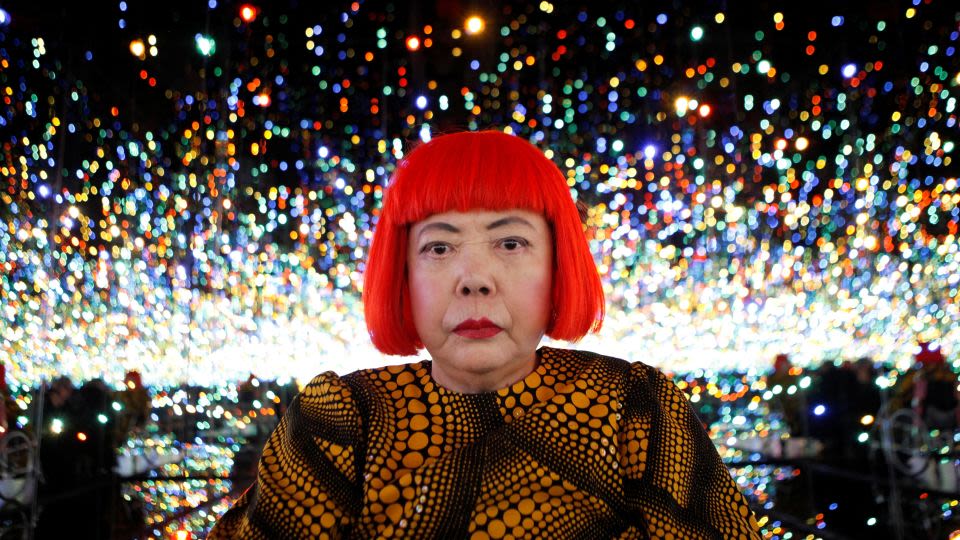
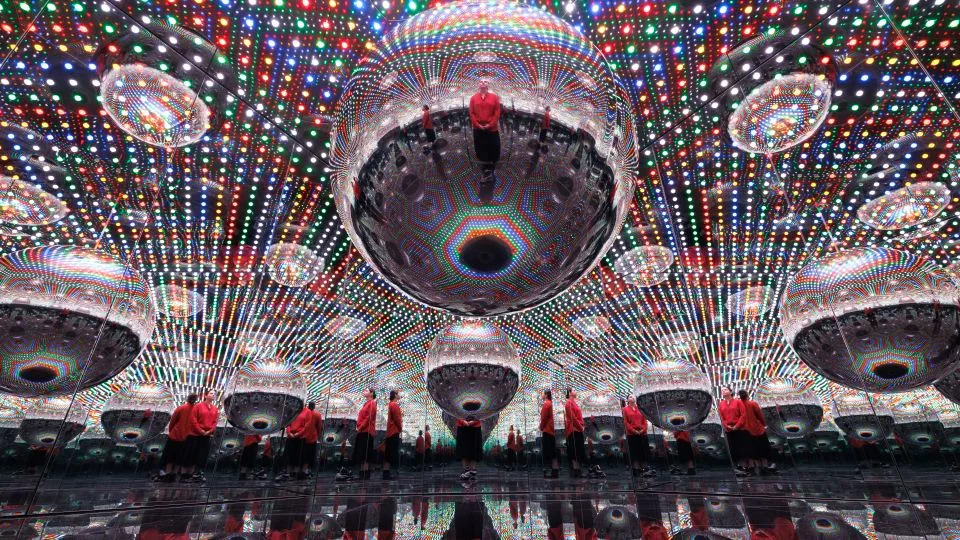
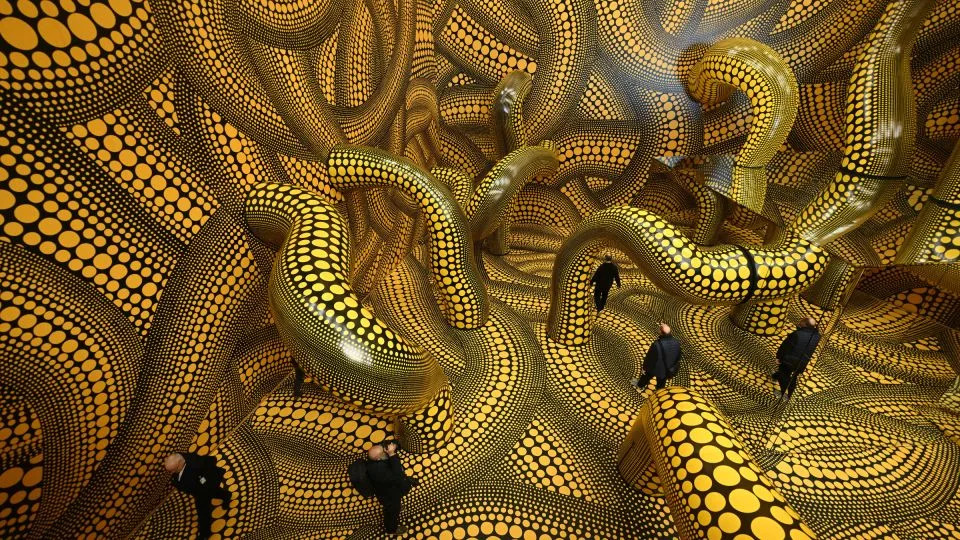
Kusama was, by the time of her death, one of contemporary art's most popular and commercially successful figures. Her famous "Infinity Mirror Rooms," large-scale installations that immersed audiences in endlessly repeating reflections of color and light, attracted millions of gallery visitors.

Her distinctive pumpkin sculptures and polka-dot paintings, meanwhile, generated millions of dollars in auction revenue.

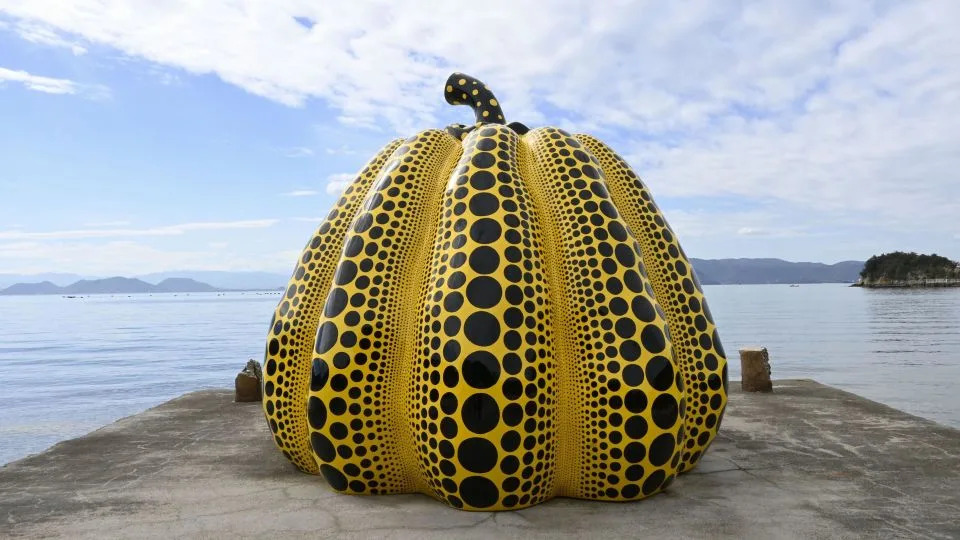
The artist was renowned for her pumpkin sculptures, including this one installed in Naoshima, Japan. - Kyodo News/Getty Images

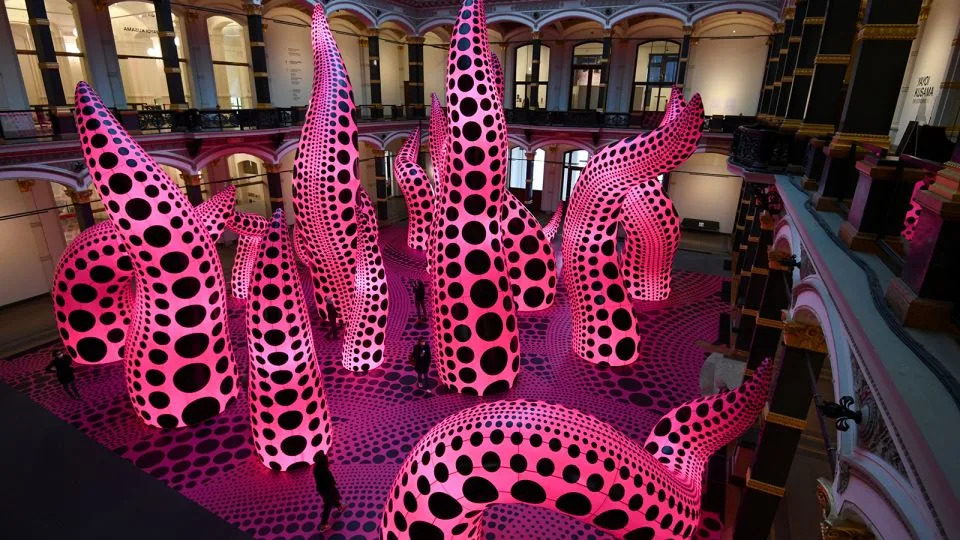
The artist's tentacle-like sculptures shown at a Berlin museum in 2021. - Annegret Hilse/Reuters

The artist was famous for her "Infinity Mirror Rooms," like this one shown at the Victoria Miro Gallery. - Dan Kitwood/Getty Images

But the global recognition of her work in later years was made all the more remarkable by the difficulties she overcame to achieve it, namely childhood trauma, mental illness and years of relative obscurity.

Born into a dysfunctional and abusive household in 1929, Kusama spent much of her childhood in a military factory sewing parachutes for Japan's imperial army during World War II. She was, by this time, experiencing vivid hallucinations, which flooded her world with the polka-dots that would later characterize her work.

Despite briefly studying the modernist "nihonga" painting style at art school in Kyoto, Kusama had little formal training — or apparent interest — in Japanese art traditions. From the earliest stages of her career, she instead experimented with abstraction and the repeated dot patterns seen in her celebrated "Infinity Nets" paintings. Encouraged by a letter exchange with American artist Georgia O'Keeffe, and disillusioned with life in postwar Japan, the 27-year-old moved to America in the late 1950s, arriving in Seattle before relocating to New York amid the genesis of the pop art movement.

She proceeded to turn the city's abstract impressionist tradition on its head in a storm of dots, flowers and phallic protrusions, producing a significant body of work that included not only paintings and sculptures, but surreal works of film, literature and performance art.

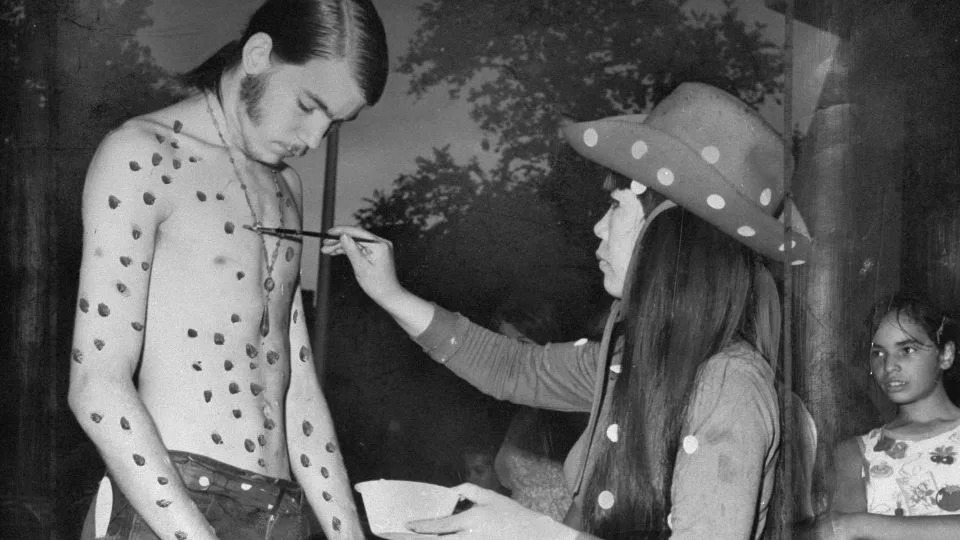
Yayoi Kusama paints body of Kent Feathergill in 1967 at one of her "happenings." - Seymour Wally/NY Daily News/Getty Images

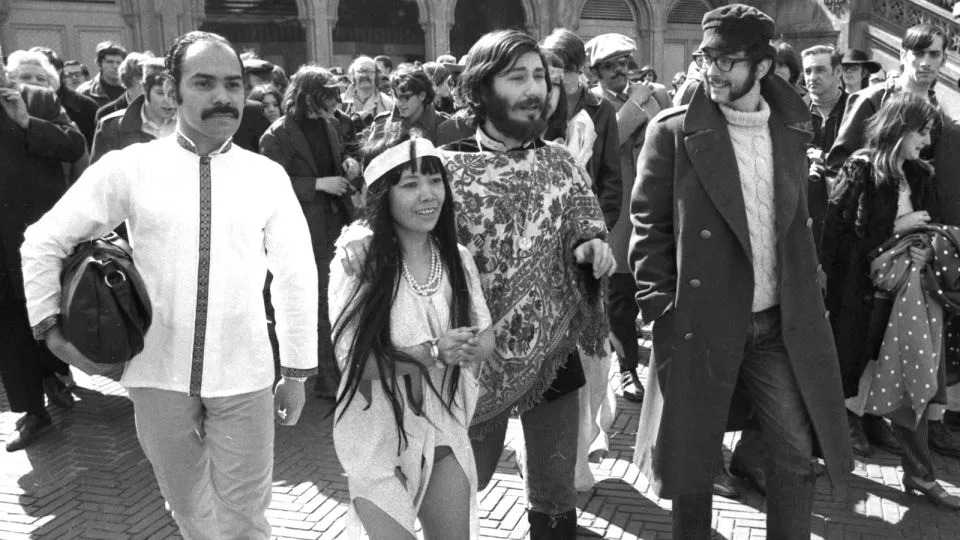
Yayoi Kusama was an active artist in New York during the 1950s and 1960s. - Paul DeMaria/NY Daily News/Getty Images

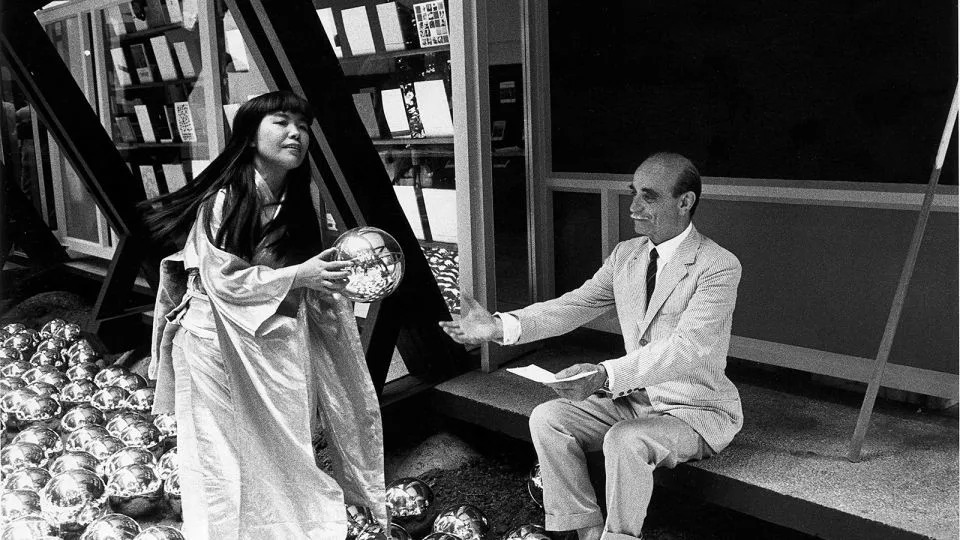
Artists Lucio Fontana and Yayoi Kusama during their performance "Narcissus Garden" at the Venice Biennale in 1966. - Gianni Berengo Gardin/contrasto/Redux

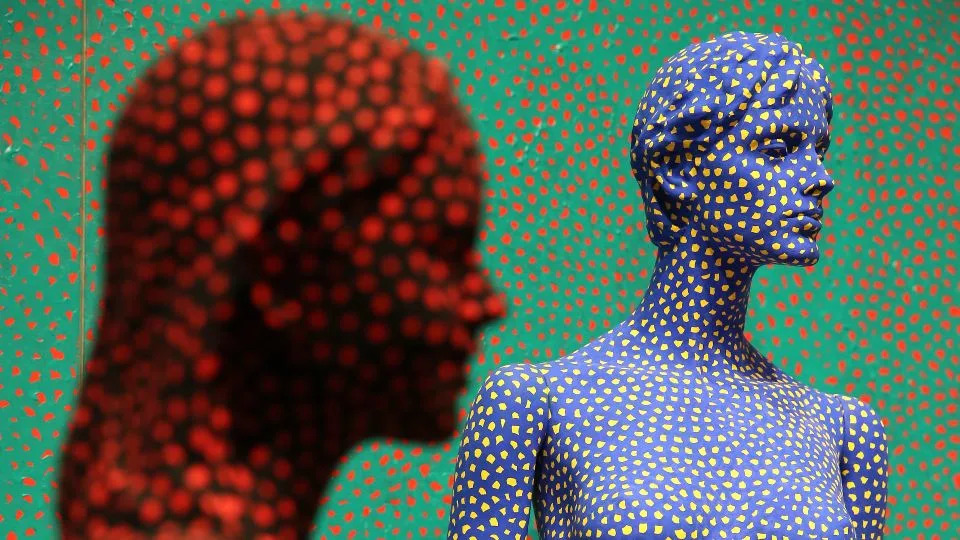
In keeping with 1960s counterculture, Kusama staged "happenings" in which she transformed naked bodies into dotted canvases. She also famously sent an open letter to US President Richard Nixon in 1968 offering to have sex with him if he stopped the Vietnam war. "Let's forget ourselves, dearest Richard," she wrote, "and become one with the Absolute, all together in the alltogether (sic)."

Nixon appears not to have taken up the offer. (The war did not end until 1975, with the Fall of Saigon.) But such episodes demonstrated that, although Kusama's work was full of joy and color, she was unafraid to address key battlegrounds of the day: gender equality, gay rights and the anti-war movement.

The art establishment often drew on, if not directly copied, Kusama's work. But it never fully embraced her. Despite counting the likes of Andy Warhol and Donald Judd as friends, she remained an outsider.

unknown content item

-

As the Guggenheim Museum's senior curator of Asian art, Alexandra Munroe, wrote in a CNN profile for Kusama's 90th birthday in 2018: "Besides being a foreign woman of color from a chastened Asian power, the psychological content of (Kusama's) work set her identity apart from the Western mainstream that wrote the first histories of the 1960s avant-garde."

Kusama returned to Japan in the early 1970s and quickly vanished from public view. Within a few years, she had checked herself into a psychiatric hospital where she continued to live voluntarily.

A compulsive, prolific artist who rarely drafted paintings before starting them, Kusama continued to produce art from the facility and a small studio nearby. And after more than a decade in the wilderness, the late 1980s heralded a major revaluation of her work.

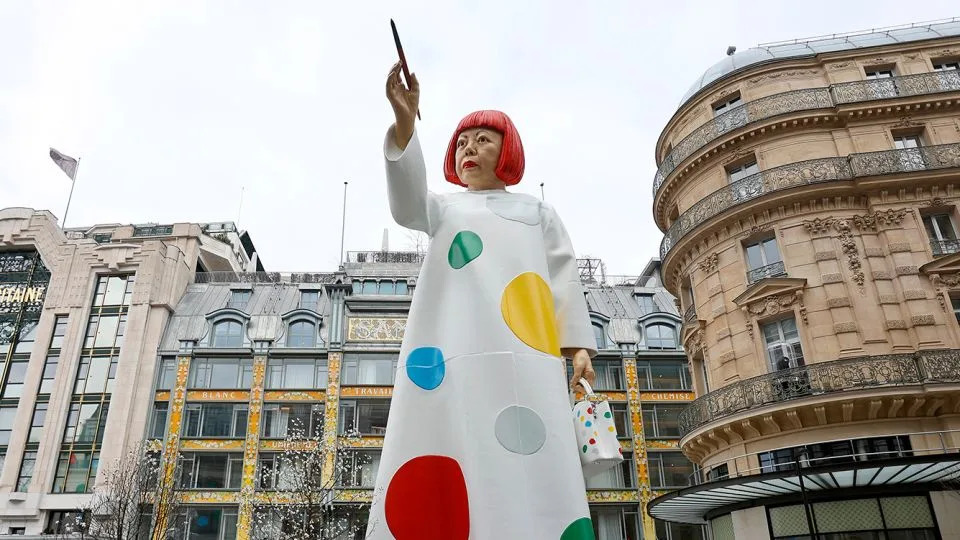
A large sculpture of the artist erected between the headquarters of Louis Vuitton and the Samaritaine store in Paris earlier this year. - Chesnot/Getty Images

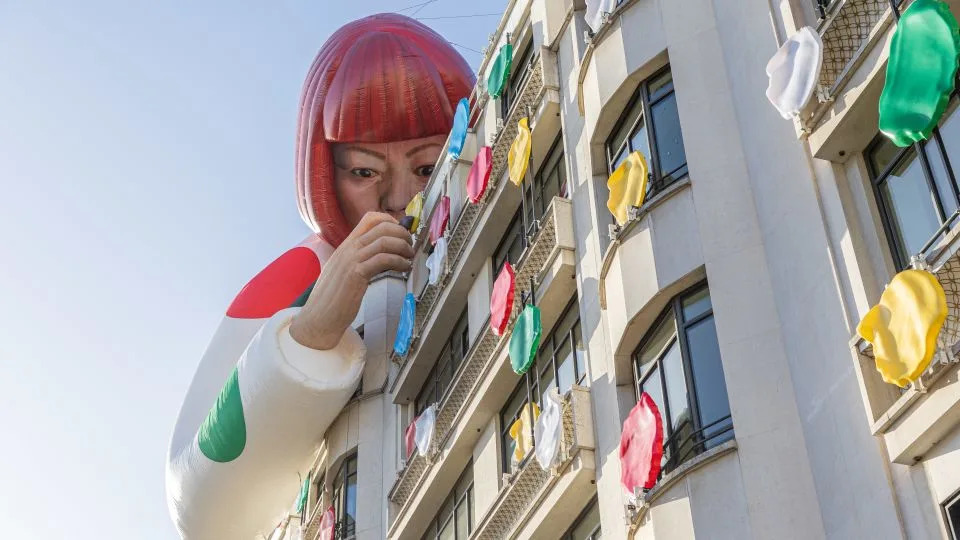
A giant version of Yayoi Kusama peeks out from the Louis Vuitton building in Paris in 2023. - Victor Lochon/Gamma-Rapho/Getty Images

Viewed through a contemporary lens, Kusama's art was afforded new recognition. Her long-forgotten paintings were resurrected at Western exhibitions, including a high-profile 1989 career retrospective at New York's Center for International Contemporary Arts. In 1993, the international art world's belated approval was seemingly cemented when she was asked to represent Japan at the Venice Biennale — an event that, 27 years earlier, she had essentially gatecrashed by unofficially exhibiting 1,500 mirrored balls on the lawn outside the Italian Pavilion (officials even intervened to block her attempts to sell the plastic globes for $2 each).

The value of her output, in turn, rose dramatically. In May 2022, an early painting "Untitled (Nets)" sold for almost $10.5 million, setting an auction record for her work. She was also consistently among the world's best-selling artists, with her work fetching a combined $190.5 million at auctions, from Hong Kong to New York, in 2023 alone.

An exhibition of the work of Japanese artist Yayoi Kusama at the Museum Ludwig in Cologne earlier this year. - Ina Fassbender/AFP/Getty Images

While many of her New York contemporaries faded from cultural relevance, Kusama's only grew in her later years. Her pumpkins were sought out, often at great cost, as centerpieces for museums, cultural districts and real estate developments (among those sculptures was one that was infamously blown into the sea off Japan's Naoshima island by a typhoon in 2021), while a museum dedicated to her work opened in Tokyo in 2017. Selfies taken in the artist's "Infinity Mirror Rooms" meanwhile flooded Instagram. Luxury collaborations with Louis Vuitton and a major 2018 documentary "Kusama: Infinity" saw her face posted across billboards and movie theaters, respectively.

Props from the installation performance "Driving Image Show" by Kusama were included in a retrospective in Berlin in 2021. - Adam Berry/Getty Images

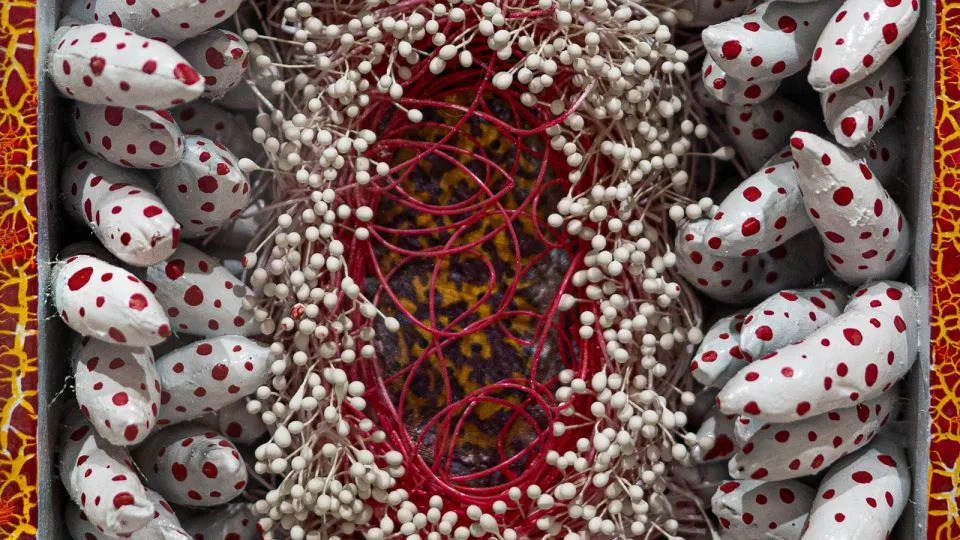
"Moonlit Bedding," a work from the 1980s that featured at the M+ museum retrospective show in Hong Kong in 2022. - Noemi Cassanelli/CNN

Kusama may have been an artist ahead of her time, but the world finally caught up.

News of her death rippled across social media, with many paying tribute. Munroe, who had organized a landmark retrospective in the US of the artist's work in the the late 1980s, said in an Instagram post that "her stories changed how the history of avant-garde art was written and understood." Meanwhile David Zwirner, whose galleries hosted numerous Kusama exhibitions, recalled visitors waiting in "hour-long lines for the chance to experience her work."

"At the time of her passing, Kusama was, without a doubt, the most famous living artist in the world," he posted on Instagram.

For more CNN news and newsletters create an account at CNN.com
Comments
You must be logged in to comment.