yahoo Press
Gold and Bitcoin Surge on Treasury Bond Market Fight. Scarce Asset Owners Are This Market’s Big Winners
Images
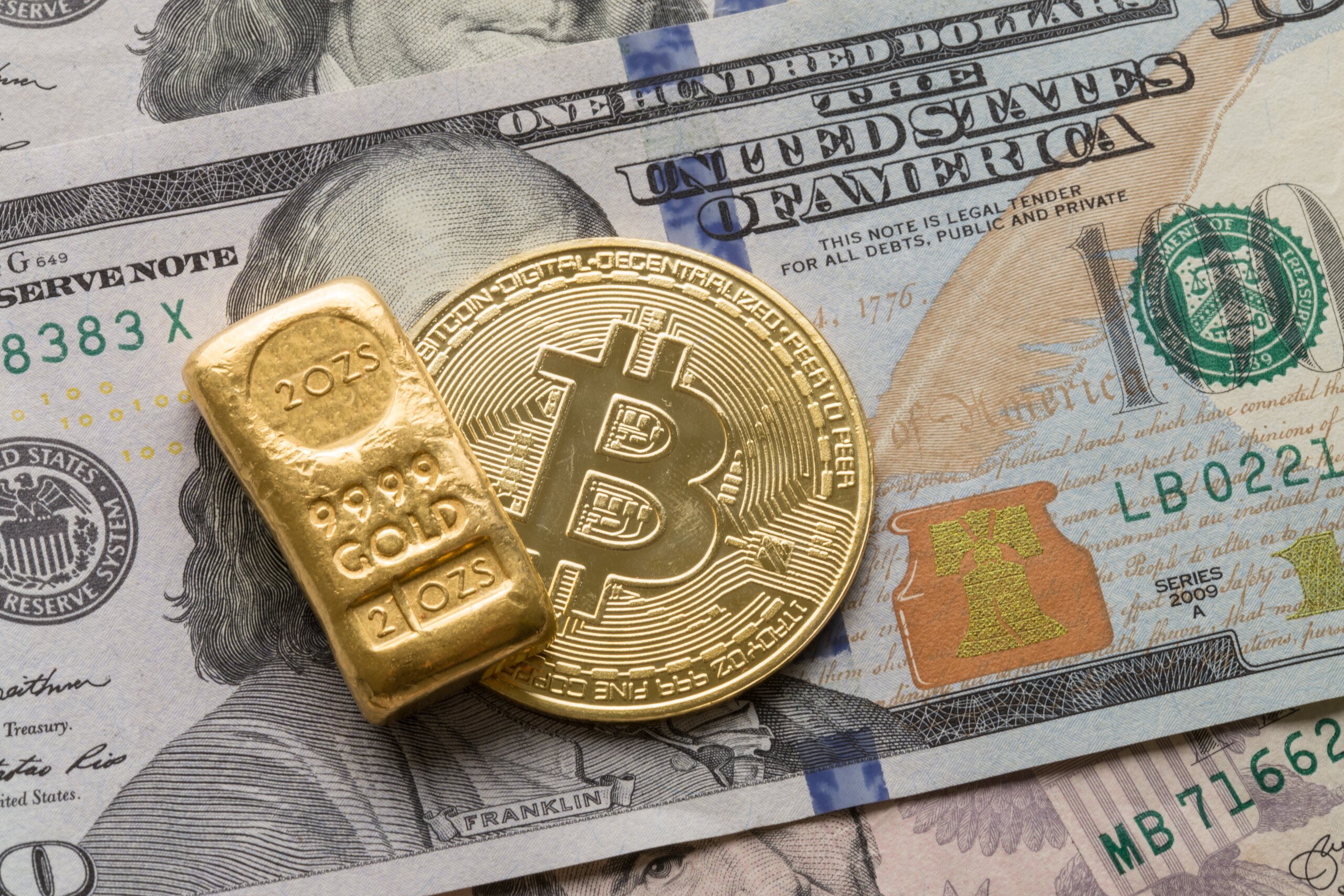
1 / 4
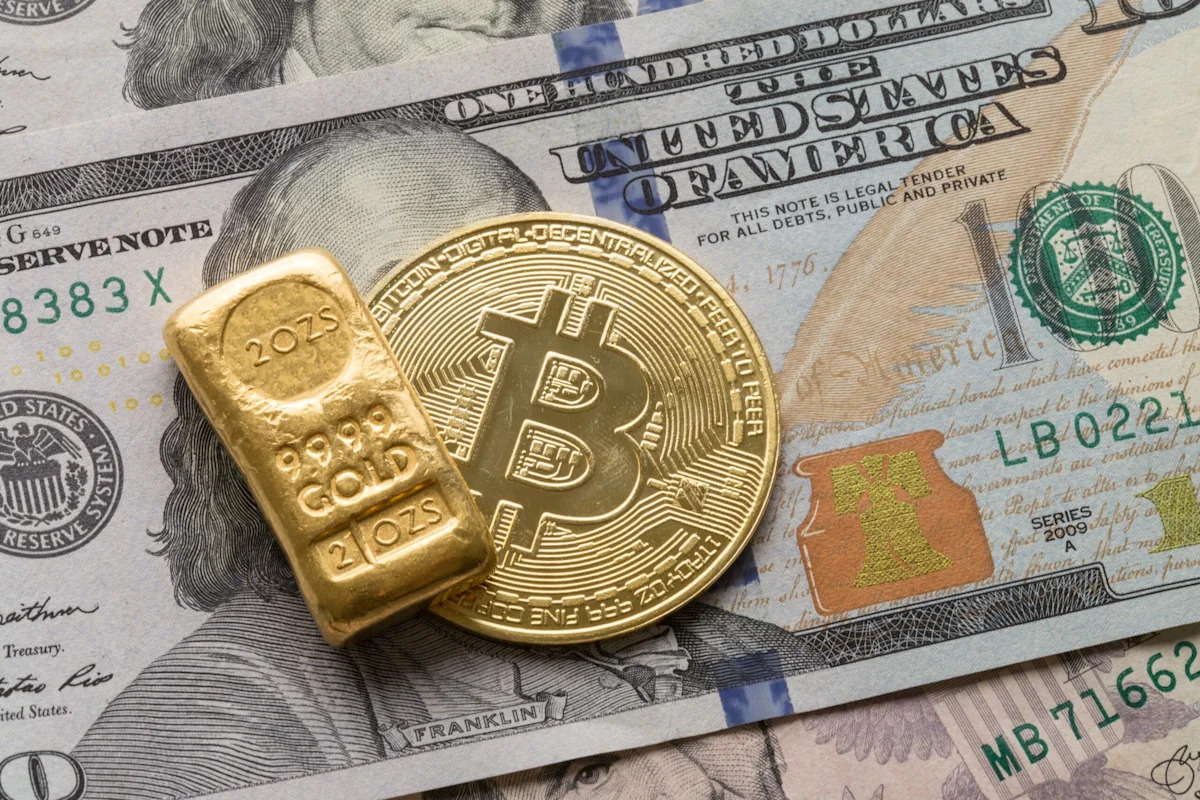
2 / 4

3 / 4

4 / 4
The above button links to Coinbase. Yahoo Finance is not a broker-dealer or investment adviser and does not offer securities or cryptocurrencies for sale or facilitate trading. Coinbase pays us for certain activity generated through this link. Prices displayed are informational.

Bessent doubled Treasury buybacks to $4 billion and may tap $950 billion from the TGA, sending gold up 7% to $4,730.

Bitcoin jumped 24% to nearly $80,000 since the announcement, signaling broad investor demand for scarce, supply-limited assets outside the Treasury system.

Markets now expect policymakers to cap rising yields on demand, which paradoxically strengthens the case for owning assets outside the dollar-and-Treasury system.

Don't wait: the analyst who called NVIDIA in 2010 just revealed his top 10 AI stocks. See the full list FREE now.

Markets are increasingly being shaped by a tug-of-war between inflation, government borrowing, and the enormous pool of financial assets sitting on investors' balance sheets. That tension became more visible after Treasury Secretary Scott Bessent stepped into the bond market last week, announcing it would at least double its liquidity-support purchases of longer-dated Treasury securities, from $2 billion to $4 billion per operation.

Now, the possibility of using nearly $1 trillion in Treasury cash to fund those purchases is giving investors another reason to favor scarce assets.

Gold had spent much of July stuck around $4,000 an ounce, with spot prices closing July 31 at $4,042.67. Then the bond market changed the story.

Gold was around $4,424 before Bessent's Aug. 19 announcement and has climbed to roughly $4,730 today, a gain of almost 7%.

The catalyst was Treasury signaling it is willing to lean against rising long-term yields. The announcement raised the maximum purchase in both the 10-to-20-year and 20-to-30-year sectors to at least $4 billion, beginning Sept. 9. That's key because lower long-term yields reduce the opportunity cost of owning gold, which produces no interest income.

24/7 Wall St.

Don't wait: the analyst who called NVIDIA in 2010 just revealed his top 10 AI stocks. See the full list FREE now.

When the Treasury injects billions into the bond market, the smart money flees to scarce assets. Discover how a massive policy shift just handed Bitcoin investors a 24% windfall. © 24/7 Wall St.

Today, two senior Treasury officials told CNBC that the department is considering using its Treasury General Account (TGA) to finance expanded buybacks. The account was approaching $1 trillion, with estimates around $950 billion. That is potentially more important than the original $4 billion buyback increase.

Historically, Treasury buybacks can be offset by issuing more short-term bills, limiting their broader liquidity impact. Drawing down the TGA is different. It can put cash back into the financial system while Treasury purchases longer-dated securities.

The market noticed. The 10-year Treasury yield fell to about 4.70% today, while the 30-year yield slipped toward 5.24%.

For asset owners, falling long-term yields can support bond prices and reduce the discount rate applied to other financial assets, while concerns about inflation, deficits, and dollar purchasing power can simultaneously increase demand for gold.

Gold isn't the only beneficiary. Bitcoin (CRYPTO:BTC) has risen from $64,269 before the first Treasury announcement to nearly $80,000 today -- an increase of more than 24%. The move has been helped by other crypto-specific developments, so it would be too simplistic to attribute the entire rally to Treasury policy. Still, the timing is notable.

In short, investors are rewarding assets with limited supply while Treasury attempts to suppress pressure at the long end of the bond market.

That doesn't make gold or Bitcoin risk-free. Gold above $4,700 is no longer cheap in historical terms, and Treasury's intervention does not solve America's national debt already surpassing $40 trillion.

The bigger investment signal isn't simply that gold is rising. It is that markets increasingly expect policymakers to intervene when higher yields threaten financial conditions.

For investors, owning some scarce assets makes sense in that environment. Gold looks particularly compelling as a portfolio hedge because its latest move is being reinforced by falling yields, a weaker dollar, and renewed concerns about fiscal policy. Treasury may succeed in calming the bond market, but that could ironically make the case for owning assets outside the traditional dollar-and-Treasury system even stronger.

Don't wait: the analyst who called NVIDIA in 2010 just revealed his top 10 AI stocks. See the full list FREE now.

Contact editorial@247wallst.com for any questions or corrections.
Comments
You must be logged in to comment.