yahoo Press
New combines now list for $1 million as farm income drops 2.6% — forcing farmers to rely on 70s machines and scrap parts
Images
1 / 4
2 / 4

3 / 4

4 / 4
A new top-end combine harvester for farmers in the U.S. now lists for as much as $1 million — more than what most Americans will ever spend on a house.

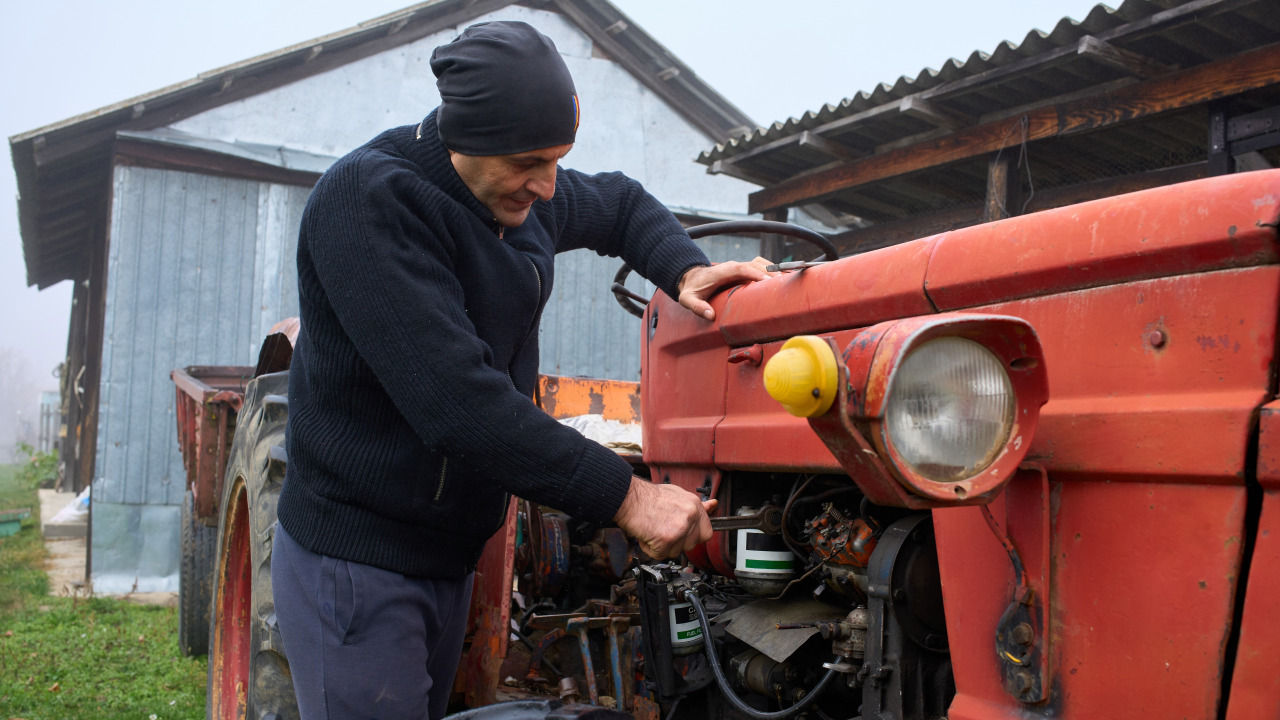
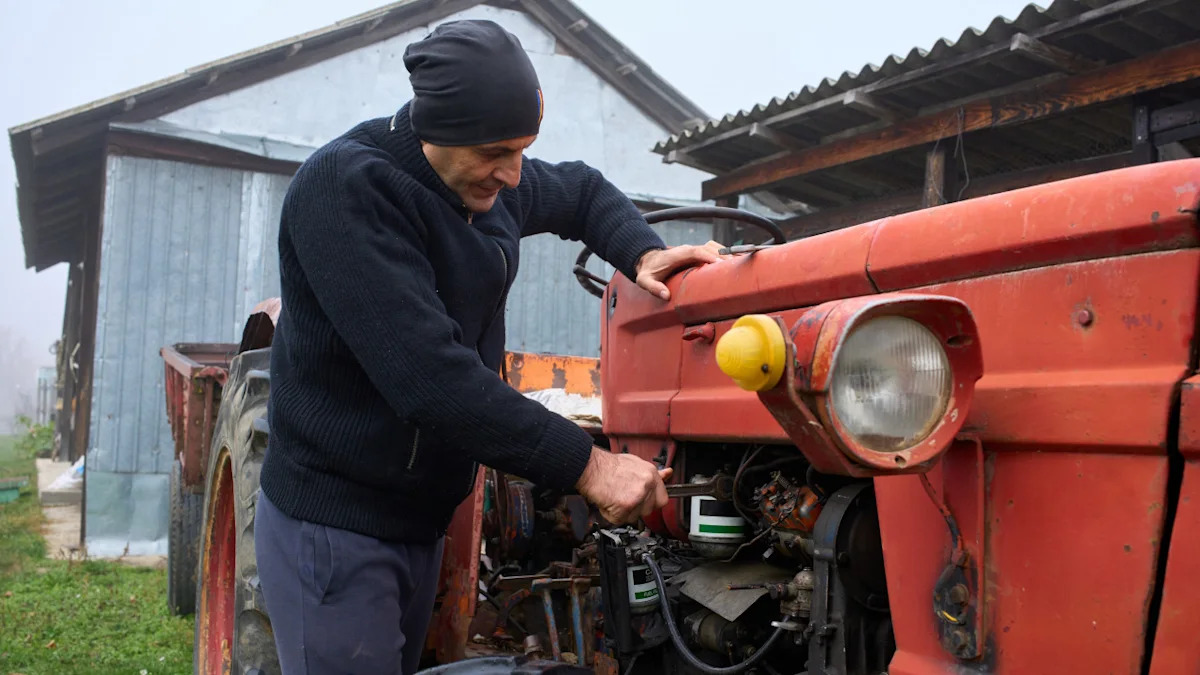
Dennis Kellogg, a farmer in Ithaca, Michigan, farms soybeans on a land his family has worked for six generations. His old combine dates to the 1970s, and he's planning to run it on his field again this fall, rather than spend down the cash the farm needs to operate.

Jeff Bezos backs a platform that lets anyone invest in rental homes for as little as $100 — 6 ways to build wealth like a landlord without actually being one

Dave Ramsey warns nearly 50% of Americans are making 1 big Social Security mistake. Here's what it is and 3 simple steps to fix it ASAP

The tax breaks in Trump's 'big beautiful bill' expire after 2028. Here are 4 moves to make before the window closes

"It's your time or your money," Kellogg told Harvest Public Media.

The U.S. Department of Agriculture expects net farm income to slip to $153.4 billion this year — a 2.6% decline once inflation is counted, with total cash receipts falling $14.2 billion. Also, the Bureau of Labor Statistics' producer price index for agricultural machinery hit a record 331.1 in July, up about 37% from January 2020.

If you search John Deere's top-end X9 combine on TractorHouse, you'll find asking prices as high as $1 million. So it's no surprise that farmers are holding off. Combine sales have fallen 56.1% in May from a year earlier, and tractor sales have dropped 21.6%, according to the Association of Equipment Manufacturers.

Kellogg would purchase newer machinery if his budget allowed, but it doesn't. He told Harvest Public Media the farm's operating money is finite, and some of it has to stay untouched in case there's a problem with this year's crop.

So his property is dotted with retired trucks, pulleys and tillage gear, and when a machine breaks he goes hunting through the pile. Parts from one manufacturer, he's found, often fit another. He pointed to one machine he picked up at scrap value that handles the same work, he said, as a brand-new unit in the $40,000 to $50,000 range.

Until a few decades ago, every wave of new technology left the previous generation of tractors and combines behind, so farms tended to run newer iron, Drew Kientzy, an agriculture research analyst at the University of Missouri, told Harvest Public Media. That changed around the mid-90s, he said, when the basic layout of the machines stopped changing much. A combine from the 1970s may still do the job.

Retrofits help too. Kientzy said the ability to add modern technology to older machines is a big reason older equipment can hold its own. Those add-ons carry a price, though, and for some operations, the benefits may not justify the costs.

Donnie Edwards farms roughly 2,000 acres of row crops in Paducah, Kentucky. Putting computer systems across his combine, tractor and sprayer would cost another $100,000, he told Harvest Public Media, and he doesn't see the extra revenue to justify it. Because he and his son also own a repair shop, fixing used equipment in-house is more practical for them than it would be for most farms.

That's no small advantage in an industry where John Deere agreed in April to pay $99 million to settle claims it locked farmers out of fixing their own machines.

Edwards hasn't sworn off spending where it pays. He hired a drone operator this year to apply fungicide, and said the extra cost was justified by how much faster the job got done.

Read More: Vanguard reveals what's coming for U.S. stocks — and it could be bad news for this group of investors

There is, however, a downside to running only aging machines: you give up efficiency, Doug Houser, a digital agriculture specialist at Iowa State University Extension, told Harvest Public Media. Plenty of operations, he said, are reassessing what they run and weighing a move into newer used machines instead of anything fresh off the lot.

Another way around the combine bill is to pay someone else to bring in the crop. Laura Haffner's company, High Plains Harvesting, travels to farms between Texas and North Dakota with its own machines and the crews trained to run them, so the farmer isn't hiring seasonal help on top of renting iron. For a farmer unwilling to finance an expensive upgrade, she told Harvest Public Media, that renting can end up coming out cheaper — and the savings don't stop at the purchase price.

A farm that doesn't own the combine isn't paying to service it each year, or fueling it, or staffing it. The going rate looks modest next to a combine's sticker price: Iowa State University's 2026 custom rate survey puts the median charge for combining corn at $45 an acre and soybeans at $42. A combine earns its keep for a few weeks and then sits, Haffner said.

For now, farmers like Kellogg have found that keeping a wrench in hand keeps a bank loan off the books, and that's likely to hold until margins recover. Fixing your own equipment has costs in terms of time on repairs, and raises the odds of a breakdown mid-season. What it doesn't cost is a loan payment on a machine that spends most of the year parked.

Millionaires under 43 hold only 25% of their wealth in stocks. Here's where their money is actually going

Here's the average income of Americans by age in 2026. Are you keeping up or falling behind?

Dave Ramsey says this 1 indulgent purchase stops Americans from becoming wealthy. Here's what he recommends instead

Here are the 7 top habits of 'quietly wealthy' Americans. How many do you follow?

Join 250,000+ readers and get Moneywise's best stories and exclusive interviews first — clear insights curated and delivered weekly. Subscribe now.

This article originally appeared on Moneywise.com under the title: New combines now list for $1 million as farm income drops 2.6% — forcing farmers to rely on 70s machines and scrap parts

This article provides information only and should not be construed as advice. It is provided without warranty of any kind.
Comments
You must be logged in to comment.