yahoo Press
I was hooked on day trading for 8 years. Here's how I broke my addiction to markets in a few months.
Images
1 / 5
2 / 5

3 / 5

4 / 5
5 / 5
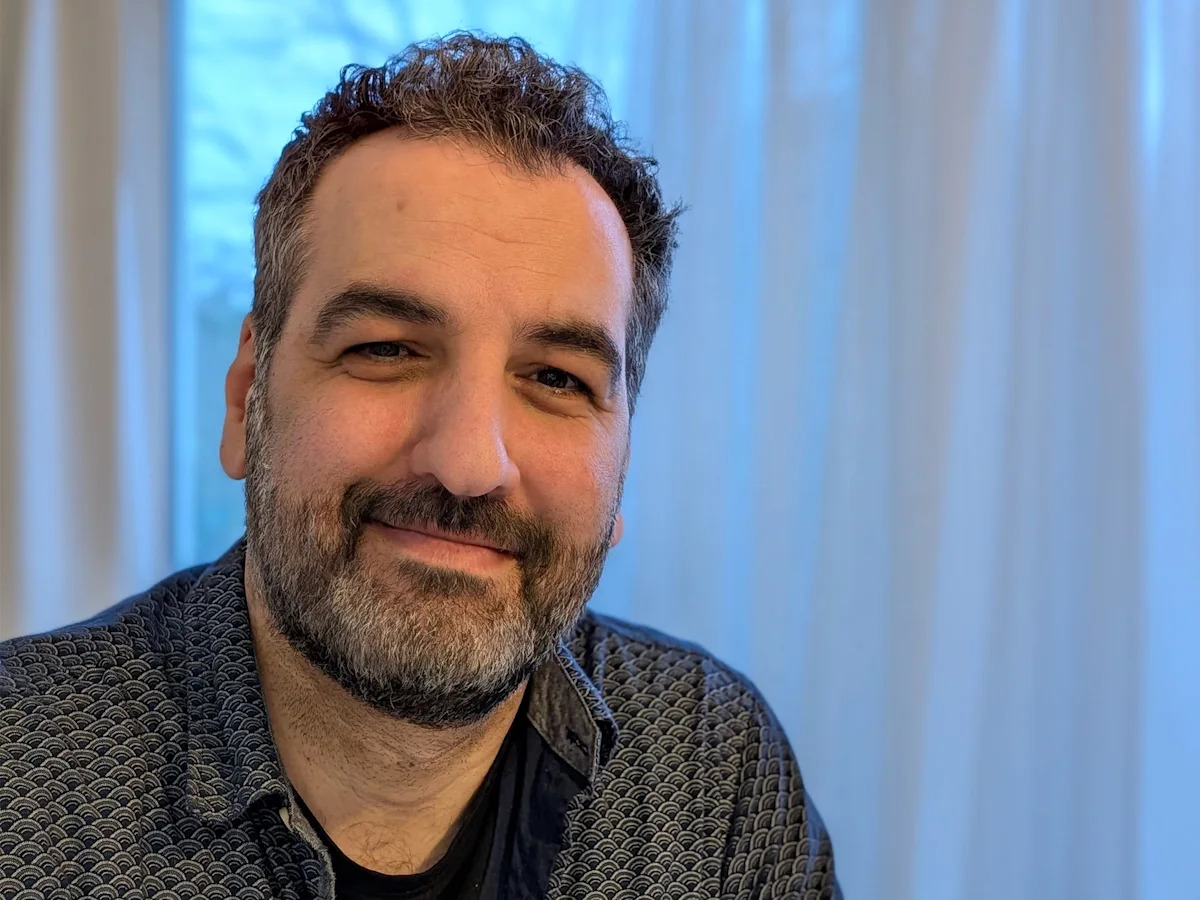
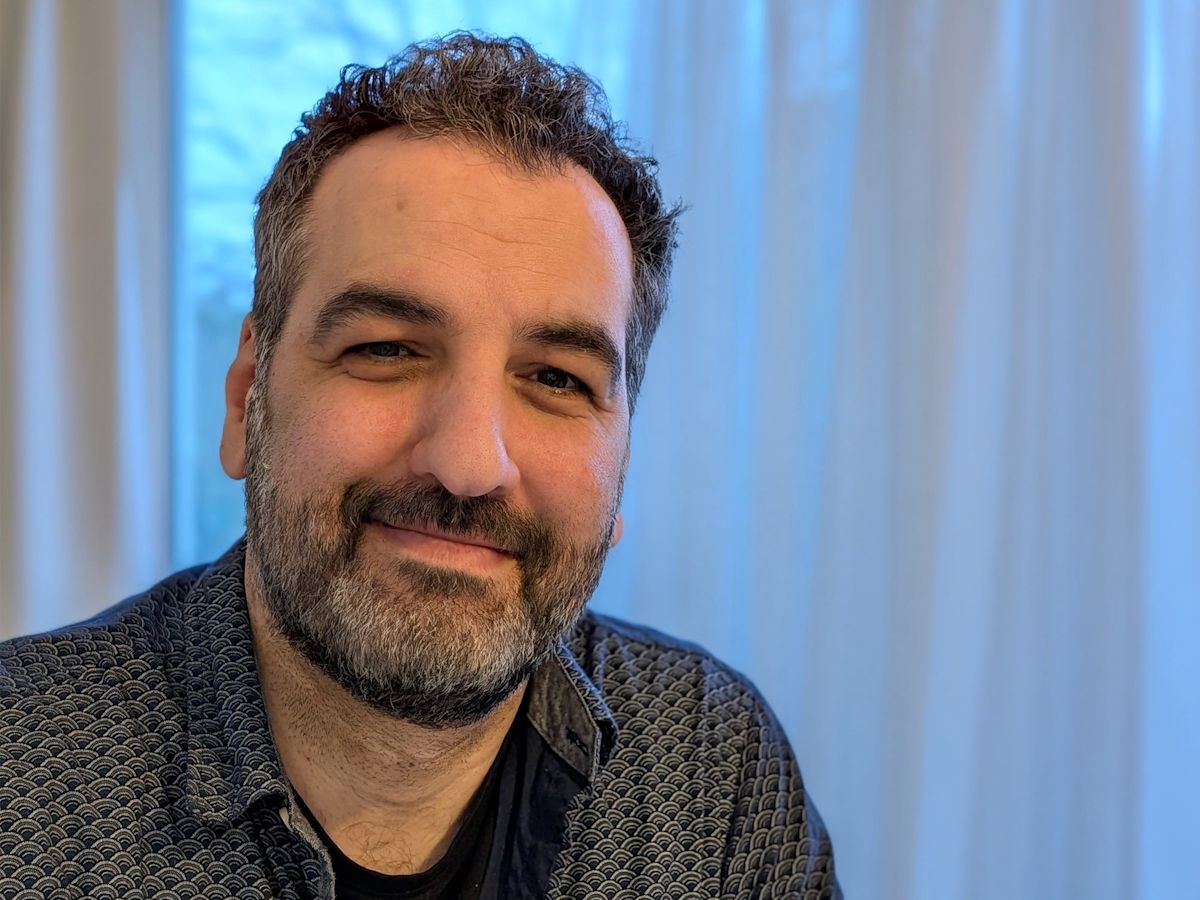
Itay Greenberg, a former trader based in the UK, kicked an eight-year addiction to markets.

He estimates he lost around £30,000 in trading-related expenses before quitting the market in April.

He outlined five things, from medication to new hobbies, that helped him end his trading addiction.

This as-told-to essay is based on a conversation with Itay Greenberg, a UK-based visual effects artist who struggled with day-trading addiction for eight years before he quit the market in 2026. Business Insider verified his trading history and debts through brokerage statements, emailed transaction records, and screenshots of his credit card portal. The following has been edited for length and clarity.

I think I've always had this tendency to easily get addicted to things. It's stuff like emotional eating. One time, I placed bets on the World Cup for fun, to make the games a little bit more interesting, and after 30 minutes I lost £150. It scared me so much. I was like, "What just happened?" After my whole story with trading ended, I realized it was a warning sign.

It all started with bitcoin in 2017, around Christmas. There was a friend who worked with me. He was into crypto. It sounded interesting to me. I invested around £2,000. When I talk about it now, it sounds very naive. For me, it was the fantasy of quitting my job. There's no boss. You don't need to answer to anybody. You can just do your thing and make money.

Now that I can hear myself talking, I think it sounds stupid. But back then, the way it was sold to me, it kind of made sense. My wife was pregnant with our first kid. The financial stress kind of kicks in.

The first year was more like, I'm going to see what happens and buy crypto coins, but it didn't really work. I didn't have the patience to just let the money sit there and do its thing.

Then, my son was born. It was a very stressful time. I thought maybe I should learn how to trade. I started learning how to do it "properly." I paid for courses. I studied very hard — almost every moment I was awake. I worked with two screens: one screen was my job, and one screen was the chart. Some nights, my wife would watch TV and I would sit down and study, analyzing charts and seeing patterns. It made me think: I'm learning an occupation. I have thousands of pages of notes. It was like a university degree. That's the amount of dedication I put into it.

When I lost money, in my mind I thought: I would never quit. If you lose a few trades in a row, you're thinking to yourself: Okay, it's a part of the journey — or the process, or whatever nice word you want to call it. After a certain point, I thought, I'm almost making it, and that was a very dangerous place to be. I didn't even consider losing as anything significant. I convinced myself that I'm almost there. My wife was also very convinced that I would probably make it, because she trusted me and I trusted the process. So, what's the big deal if I lose?

I started jumping between different strategies and ways to trade and different platforms and different assets. At some point, I started using credit cards to hide my spending. In total, I probably spent around £30,000 to £40,000 over the years on trading (buying crypto coins, buying courses, resetting prop-trading accounts). I always say it's like death by a thousand cuts. It was always like this tiny amount, which at some point, grew bigger and bigger. The years go by, and then you realize that it's not going anywhere and you're kind of stuck in this loop.

I got out of it when my son was around four or five, and we realized he probably has ADHD. I realized that there's usually a high chance that one of the parents has it. Through that, I got diagnosed. I started medication when I was 45.

Once I got diagnosed, I kind of lost the confidence of, I can do anything. I can make it. Which was probably a good thing.

I knew that trading made me very emotional and I made the decision to stop. I stopped trading on April 8. It's been about four months. After a few weeks of being medicated and stopping, I realized I was feeling good. I don't feel like crap all the time, like I did before. I haven't gone back since.

The first three weeks were extremely difficult. When you do something for so many hours every day, once you stop doing it, there's so much free time, which is difficult to deal with. There's this whole thing where the trading starts defining who you are as a person. It's like: what am I supposed to do now?

When you get addicted to something, it masks everything else. You feel like you're under the influence of drugs or something. The real problems, you don't even deal with them.

When I quit, it's like I went back to 2017, to the version of myself that was having a new baby. I never really dealt with those problems and feelings. I know now, around the time my son was born, I was probably going through a depression where I was very lost and very stressed about money.

There's probably a different reason why you trade. I would ask: What are you trying to prove? And who are you trying to prove it to? People want to make a lot of money, but are you going to kill yourself for this?

I don't believe that blocking apps or websites helps, because if you want to trade, you'll find a way. I think understanding that there's a bigger problem probably underlying the issue that made you become addicted to it — it's a big step.

People with ADHD get very impulsive. Once you get bored, you feel like you have to do something. The medication helps me not take action. A friend once asked me, "What does the ADHD medication do?" I told her it feels like somebody drew a five-meter circle around me and told me, "Your mind has to stay here." I don't have to do anything.

Trading has crossed my mind. But being medicated helps me with not being impulsive. I wouldn't know how it would feel if I weren't, but it would probably be way harder.

The trading was always there when I needed to do something. I started picking up old hobbies like playing music, trying to fill in the gaps with things. I did things that are not related to screens, because the screens were very much connected to the trading. I disconnected myself from everything.

After a while, I felt like didn't need to fill all the gaps. Like, it's fine that I have nothing to do.

If you suspect that you're addicted, try to take a break and then see how you feel. Sometimes even a week will completely change your mind.

Initially, I treated it as a break, and I think that was a smart thing to do. If your mind wants something and you're addicted to it, if you kind of convince yourself that it's just a break, you can probably take that break for a week or two, and then you're in a more powerful place to make decisions.

If you tell yourself, "Okay, I'm quitting — I'm not going back ever," your mind will find a way to drag you back.

I still have about £7,000 on my credit card to pay back, which is mostly trading-related. Because I don't pay interest on it, I would prefer for it to be something I pay back over time as opposed to all at once. I'm still paying for it monthly. It will probably take another year or two.

If you have a debt — if you lost £50,000 or something and you're trying to pay it back really quickly — I think that's just you trying to get back to break-even so you can start trading again.

But staying with that loss and paying it back slowly is probably a healthier way of dealing with it. Just live with that loss for a while. Just let the loss have its impact and not try to get away from that.

I don't think I'll ever trade again. My wife asked me, "With all the knowledge that you gained, do you think you'll ever want to look at our savings and invest it?" We have an insurance agent who controls our portfolio. I said I trust what she's doing way more than I trust myself.

It might be silly to say it, but I just feel like I need to live a very boring life. I think that trading was this exciting, insane new thing. I need to be with the kids, do my job, go to sleep, be with my wife, meet friends, exercise. I don't need new adventures.

Do you have a story to share about day-trading addiction? Contact this reporter at jsor@businessinsider.com.

If you enjoyed this story, be sure to follow Business Insider on Yahoo.
Comments
You must be logged in to comment.