yahoo Press
Tariff refunds are hitting retailers' wallets. Here's what they're doing with the money.
Images
1 / 5
2 / 5

3 / 5

4 / 5

5 / 5
The above button links to Coinbase. Yahoo Finance is not a broker-dealer or investment adviser and does not offer securities or cryptocurrencies for sale or facilitate trading. Coinbase pays us for certain activity generated through this link. Prices displayed are informational.

America's biggest retailers are now sitting on tariff refund checks from the federal government. How they plan to spend the billions of dollars in returns is up to them.

The retailers, including Amazon (AMZN), Target (TGT), and Walmart (WMT), are taking various approaches. Some have offset their costs and cushioned their margins, while others have invested in marketing and cutting prices. In a small number of cases, some even claim plans to return the money to customers.

David Silverman, senior director at Fitch Ratings, noted that the billions in refunds present a predicament for businesses because of the "perception by consumers that they ultimately paid the cost of those tariffs through higher prices."

As of late July, the Trump administration returned more than $100 billion to businesses following the Supreme Court's ruling in February that struck down tariffs imposed under the 1977 International Emergency Economic Powers Act (IEEPA). That's about 60% of the total $166 billion collected under the IEEPA tariffs.

The tariff environment is a "wild card," CFRA analyst Arun Sundaram said, noting that "[It's] kind of different how each retailer is handling it, and it's also different between how much tariff refunds each retailer is getting."

Walmart shared with investors on Thursday that it received approximately $2.9 billion in tariff refunds, amounting to about 0.5% of its annual US net sales.

America's biggest retailer plans to use the returns to lower prices in areas where customers are flocking, such as grocery and general merchandise, CFO John David Rainey said. In the first half of the year, Walmart US lowered prices on roughly 11,000 items.

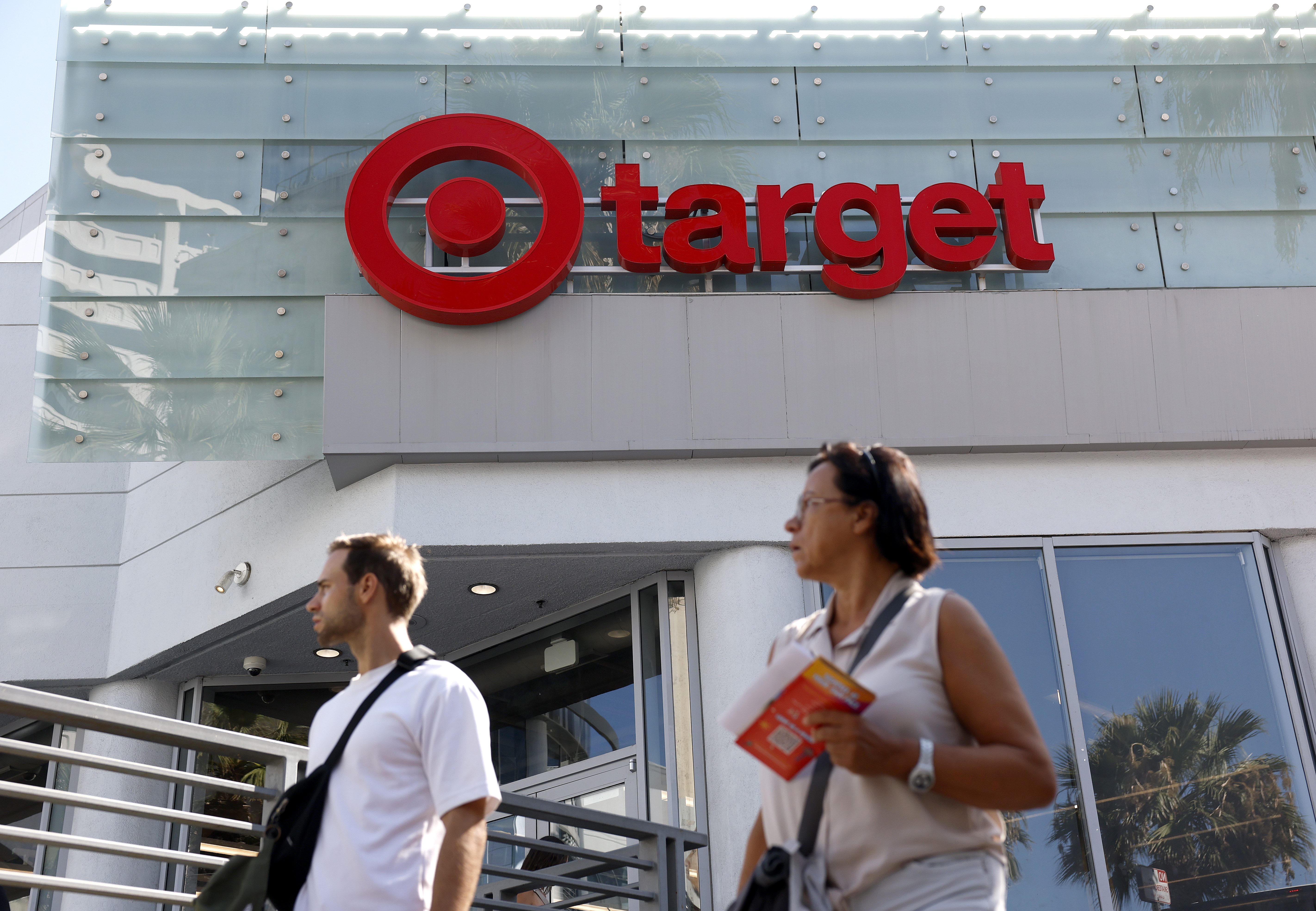
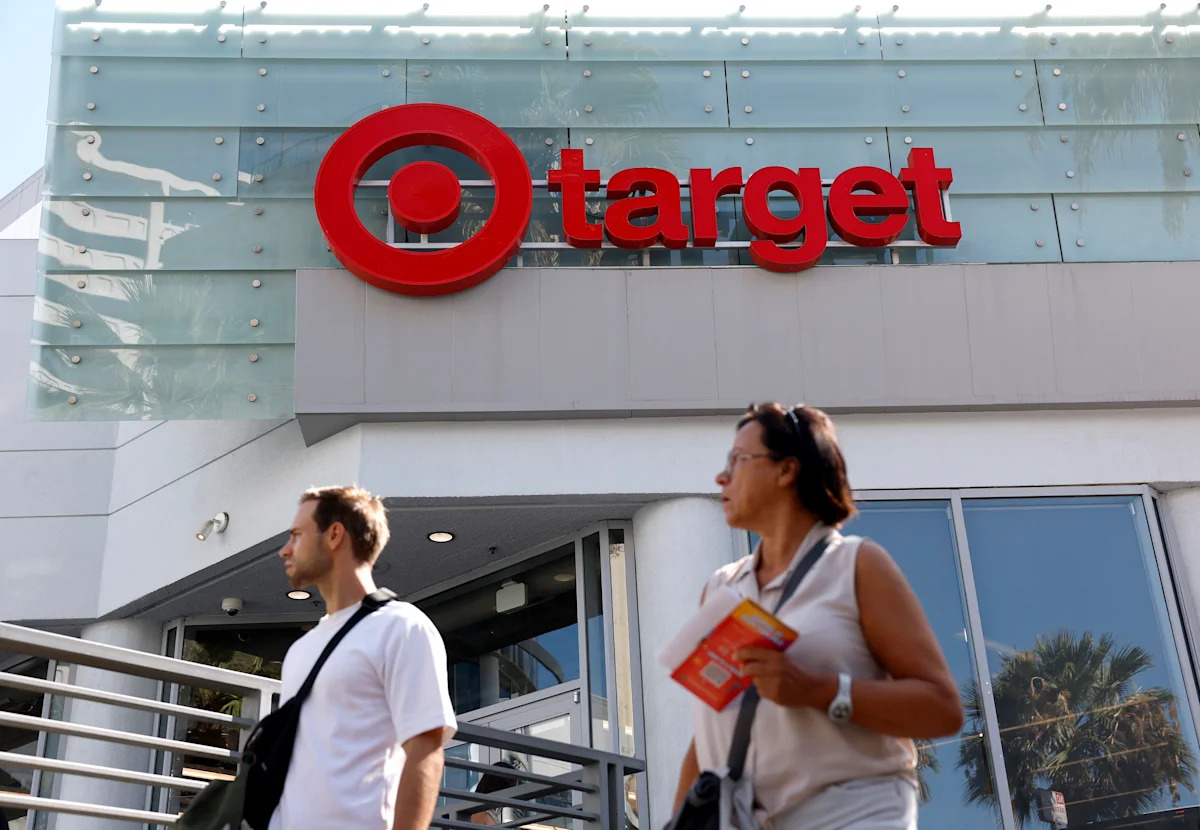
Target received $994 million in tariff refunds in the second quarter and used the cash to boost its margins, which contributed $1.65 to its $4.11 earnings per share. In the past year, the company cut prices on more than 10,000 items too.

Amazon executives said the company received an approximate $600 million payout. CFO Brian Olsavsky said its refunds were "limited" due to the company's work to buy ahead to avoid tariffs. Olsavsky also noted that Amazon is not the importer of record for the majority of items it sells since suppliers source the products.

As a result, some Amazon customers may have seen money in their wallets recently.

"We have identified a limited set of circumstances where we can trace that we passed specific import charges on to customers, and when we receive those refunds, we will proactively contact affected customers and automatically issue refunds to them," Olsavsky said.

With the remaining tariff refunds, the e-commerce company plans to lower prices.

Home improvement giants Home Depot (HD) and Lowe's (LOW) are considering different strategies.

In the second quarter, Home Depot received $730 million in tariff refunds. The company used $685 million of that to reduce its cost of goods sold, helping to boost margins by offsetting higher prices for fuel, energy, resin, and metals, as well as other unplanned expenses in the second and third quarters.

Lowe's CEO Marvin Ellison told Yahoo Finance his team is still weighing how to use the funds. The company has received $80 million back so far and has filed to receive additional refunds.

"We are literally sitting down ... trying to outline what makes the most sense to provide value to our customers but also understanding that as a company that's measured versus last year, whatever you do this year, you're going to have to comp against it next year," Ellison said.

He added, "We're looking at a variety of things that will benefit the customer but not be as promotional as what we saw in the month of July from our competitors."

No matter what, companies are in a different spot than they were a year ago as uncertainty around trade policy lingers.

"The upside is that these companies have spent the last year plus thinking about mitigation strategies, thinking about supply chain, shifts, thinking about merchandising, … and at least now to the extent that there are updated tariffs …these companies have built somewhat of a playbook to figure out what to do about them," Silverman said.

Brooke DiPalma is a reporter for Yahoo Finance. Follow her on X at @BrookeDiPalma or email her at bdipalma@yahoofinance.com.

Click here for all of the latest retail stock news and events to better inform your investing strategy
Comments
You must be logged in to comment.