yahoo Press
Should you be worried about Walmart's latest U.S. sales? 1 analyst calls it a 'worst case scenario'
Images
1 / 4
2 / 4

3 / 4

4 / 4
The above button links to Coinbase. Yahoo Finance is not a broker-dealer or investment adviser and does not offer securities or cryptocurrencies for sale or facilitate trading. Coinbase pays us for certain activity generated through this link. Prices displayed are informational.

Walmart watched its shares drop nearly 9% mid-day on Aug. 20 after reporting a mixed financial quarter. David Bellinger — an analyst at Mizuho Financial Group — went as far as to call the quarter a "worst-case scenario," saying the company hadn't fallen this far short of expectations in years.

Walmart posted $6.4 billion in net income over the quarter ending July 31, with adjusted earnings of 81 cents a share versus 74 cents forecast by analysts, Revenue also climbed 5.9% to $187.9 billion.

Jeff Bezos backs a platform that lets anyone invest in rental homes for as little as $100 — 6 ways to build wealth like a landlord without actually being one

Dave Ramsey warns nearly 50% of Americans are making 1 big Social Security mistake. Here's what it is and 3 simple steps to fix it ASAP

The tax breaks in Trump's 'big beautiful bill' expire after 2028. Here are 4 moves to make before the window closes

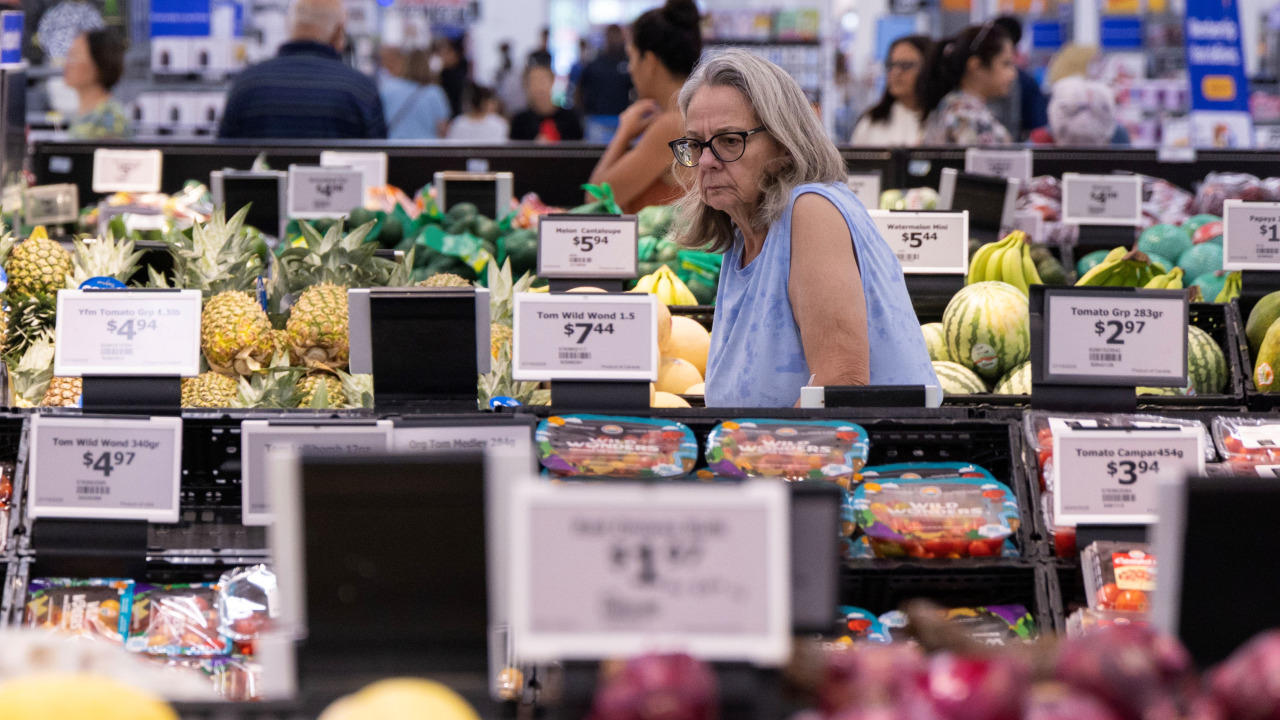
That's all positive. The problem was Walmart's U.S. same-store sales growth, a key metric for retailers, missed expectations. Excluding fuel, sales grew just 2.6%, marking the company's lowest period of growth since early 2020, when much of the country was in lockdown due to the pandemic.

Since Walmart has a broad customer base, investors use its U.S. store sales as an indicator for household spending. Chief financial officer John David Rainey told analysts the company is looking at "arguably a softer consumer environment than in February," when it set initial forecasts for the year.

Rising gas prices help explain the reluctance on the part of shoppers to spend big. The average price of gas currently costs $4.10 per gallon nationwide, according to AAA, up from $2.98 per gallon before the Iran war began.

Rainey said the shift was visible almost month by month, with June "a little more obvious" as shoppers grew choosier about what went in their carts. On top of that, the cost of most goods and services remains elevated, with inflation currently at 3.4%.

To be fair, Walmart's sluggish in-store sales growth can also be attributed to its shrinking pharmacy revenue, as the Trump Administration looks to lower the cost of prescription drugs, especially GLP-1 drugs. Last month, prescription drug prices fell 0.8% and are down 3.1% from a year ago, according to BLS data cited by Axios. Drug prices also haven't risen in any month so far this year.

Read More: Vanguard reveals what's coming for U.S. stocks — and it could be bad news for this group of investors

On the tariff front, Walmart executives told investors it's eligible for roughly $2.9 billion in tariff refunds. In fact, Rainey said on the earnings call that Walmart has already received "substantially all" of that money back, which he pegged at about 0.5% of the company's annual U.S. sales. Target reported $994 million a day earlier. TJX, the owner of TJ Maxx and Marshalls, got $331 million.

Plenty of investors assumed that money would be used to boost profit margins. Instead, Walmart cut prices on more than 11,000 items in the quarter — what it calls rollbacks — to help customers feeling the pimch. CEO John Furner told analysts the cuts showed up in food, general merchandise, consumables and fashion.

A Walmart spokesperson told Moneywise similarly, that refunds will go back into customer experience and prices, with grocery and general merchandise first in line.

If you hold Walmart stock, Aug. 20 was a rough day. But Walmart raised its full-year forecast on the same call, to sales growth of 4% to 5% and adjusted earnings of $2.80 to $2.87 per share, indicating that the overall business remains strong.

TD Cowen analyst Oliver Chen wrote that the sales miss might weigh on shares in the near term. But, he noted, that Walmart is still taking market share from rivals, and its profits are growing more quickly than its revenue.

The bigger question is about shoppers themselves. GlobalData retail analyst Neil Saunders warned that, given how central Walmart is to so many households, a slowdown like this raises uncomfortable questions about whether consumers are simply tapped out.

U.S. retail sales, in fact, fell 0.6% to $763.6 billion in July, despite analyst expectations of a small increase. It was the first time monthly U.S. retail sales fell in nine months.

Millionaires under 43 hold only 25% of their wealth in stocks. Here's where their money is actually going

Here's the average income of Americans by age in 2026. Are you keeping up or falling behind?

Robert Kiyosaki says China is 'dumping' the US as America piles on debt. Fortify your riches with 4 key assets

This fund has historically paid 8% or higher for 25 months, with just a $100 minimum to start — 4 ways to grow your cash without the stock market

Join 250,000+ readers and get Moneywise's best stories and exclusive interviews first — clear insights curated and delivered weekly. Subscribe now.

This article originally appeared on Moneywise.com under the title: Should you be worried about Walmart's latest U.S. sales? 1 analyst calls it a 'worst case scenario'

This article provides information only and should not be construed as advice. It is provided without warranty of any kind.
Comments
You must be logged in to comment.