yahoo Press
Tyson cuts 3,200 jobs and closes 3 beef plants as U.S. cattle herds shrink to their lowest level since the 1950s
Images
1 / 4
2 / 4

3 / 4

4 / 4
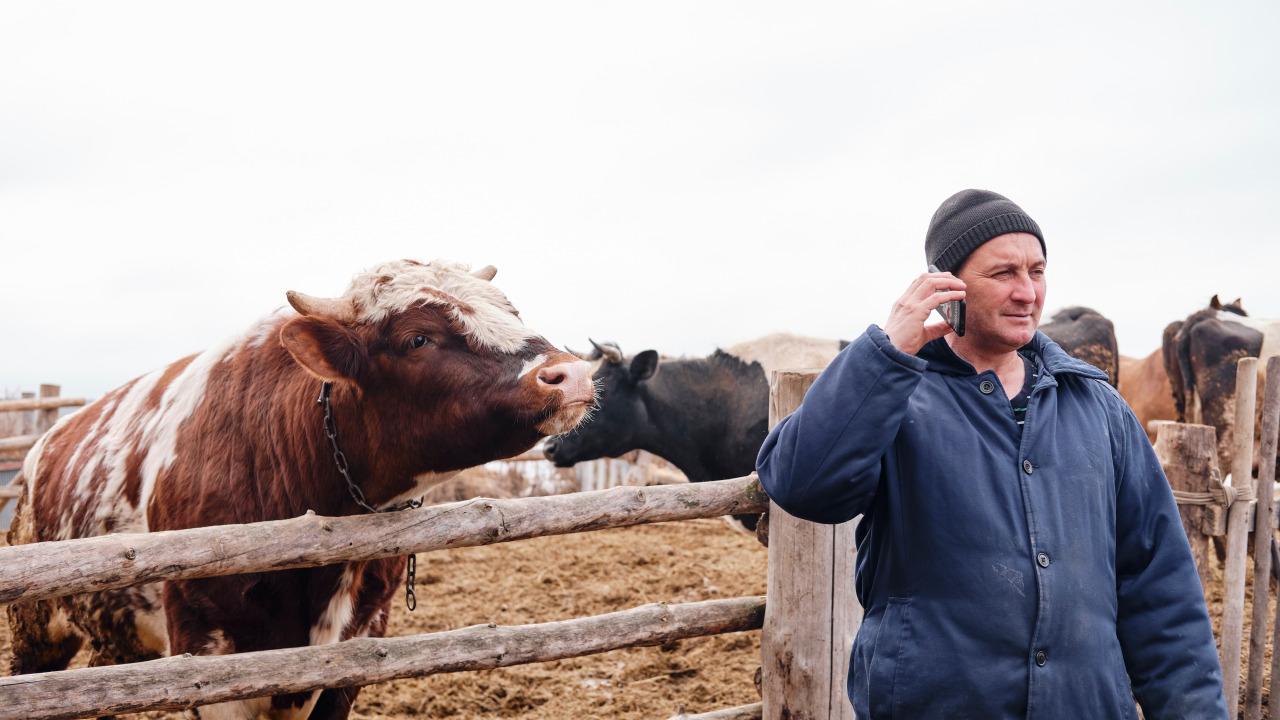
The U.S. cattle industry is in rough shape, and there's little sign of immediate relief on the way.

Structural headwinds are bedeviling the beef industry. Cattle herds are at their lowest levels since the 1950s, according to data published last month by the Department of Agriculture. That's driven up beef prices and put significant financial strain on meatpacking firms that are forced to readapt their business in a difficult economic environment.

Jeff Bezos backs a platform that lets anyone invest in rental homes for as little as $100 — 6 ways to build wealth like a landlord without actually being one

Dave Ramsey warns nearly 50% of Americans are making 1 big Social Security mistake. Here's what it is and 3 simple steps to fix it ASAP

The tax breaks in Trump's 'big beautiful bill' expire after 2028. Here are 4 moves to make before the window closes

Drought has also affected the cultivation of forage crops and complicated some ranchers' efforts to expand their cattle herds. Other ranchers, though, are raking in their biggest profits ever with thinner herds since overall demand for beef hasn't dropped.

Some meatpackers are responding to the industry slump by downsizing their operations. Tyson Foods announced last week that it was shuttering a plant in Joslin, Illinois while selling another beef facility in Pasco, Washington. The company was also closing another beef production plant in Eagle Pass, Utah and said it intended to retrench its domestic footprint around a trio of facilities located in Texas, Kansas and Nebraska.

The company cited USDA cattle data to justify the reductions since "supply constraints are likely to persist, requiring strategic action." At least 3,200 workers will lose their jobs as a result of the Tyler Foods closures in Illinois and Utah.

The Trump administration doesn't have many levers to pull to encourage herd growth as higher beef prices causes political headaches. At one point in February, Health and Human Services Secretary Robert F. Kennedy Jr. encouraged Americans to buy "inexpensive" cuts of meat or switch to liver.

In late June, the Agriculture Department set up a $500 million lifeline for smaller meatpackers to maintain their processing volume, the Wall Street Journal reported. The Justice Department also launched an antitrust investigation into four meatpacking giants — Tyson Foods, JBS, Cargill and National Beef — to determine whether anti-competitive practices such as price-fixing was deployed.

Some lawmakers in Congress are pushing to expand the amount of land available for grazing. On Wednesday, Republican Sen. Mike Rounds of South Dakota and Amy Klobuchar of Illinois introduced a bill that would establish a voluntary national program designed to open up to 20 million new acres for grazing.

"The RANCH Act would create a voluntary Ranchland Program that helps producers restore eligible marginal cropland into grasslands for grazing," Rounds said in a statement. "Producers can use their land in a way that makes the most sense for each individual operation, giving those who know their land best the tools needed to succeed."

Read More: Vanguard reveals what's coming for U.S. stocks — and it could be bad news for this group of investors

The cattle industry is also grappling with another threat: The New World Screwworm. It's a flesh eating parasite that had previously been eradicated from North and Central America two decades ago. The Agriculture Department reported the first confirmed case of an infected calf in South Texas earlier this summer. If the pest spreads, it could devastate livestock.

Expanding cattle herds to the point ranchers can keep up with demand is expected to take years. Back in June, Omaha Steaks CEO Nate Rempe predicted that "meaningful herd building" won't take place until 2028 or 2029.

Millionaires under 43 hold only 25% of their wealth in stocks. Here's where their money is actually going

Here's the average income of Americans by age in 2026. Are you keeping up or falling behind?

Robert Kiyosaki says China is 'dumping' the US as America piles on debt. Fortify your riches with 4 key assets

This fund has historically paid 8% or higher for 25 months, with just a $100 minimum to start — 4 ways to grow your cash without the stock market

Join 250,000+ readers and get Moneywise's best stories and exclusive interviews first — clear insights curated and delivered weekly. Subscribe now.

"The domestic herd is the key," he told Fox Business. "If we can build the herd, and if we can build supply back up, we can see beef prices come down."

This article originally appeared on Moneywise.com under the title: Tyson cuts 3,200 jobs and closes 3 beef plants as U.S. cattle herds shrink to their lowest level since the 1950s

This article provides information only and should not be construed as advice. It is provided without warranty of any kind.
Comments
You must be logged in to comment.