yahoo Press
Treasury's upsized buybacks may complicate Fed's monetary policy work
Images
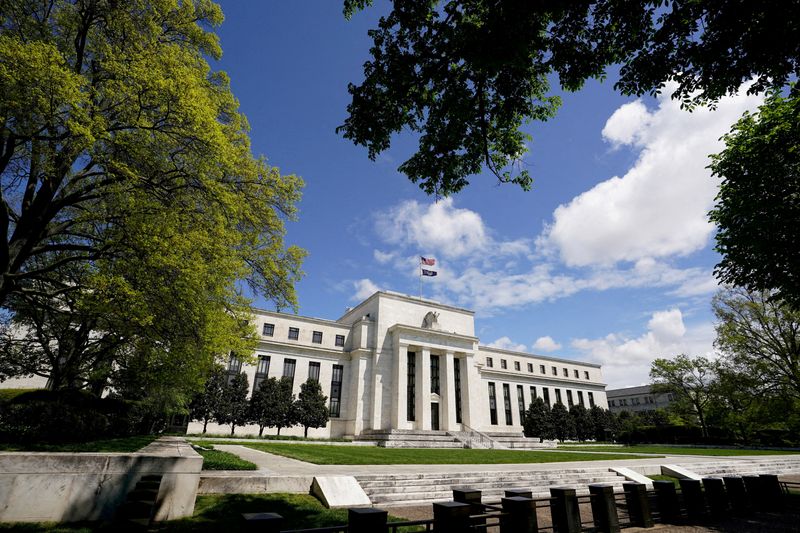
1 / 4
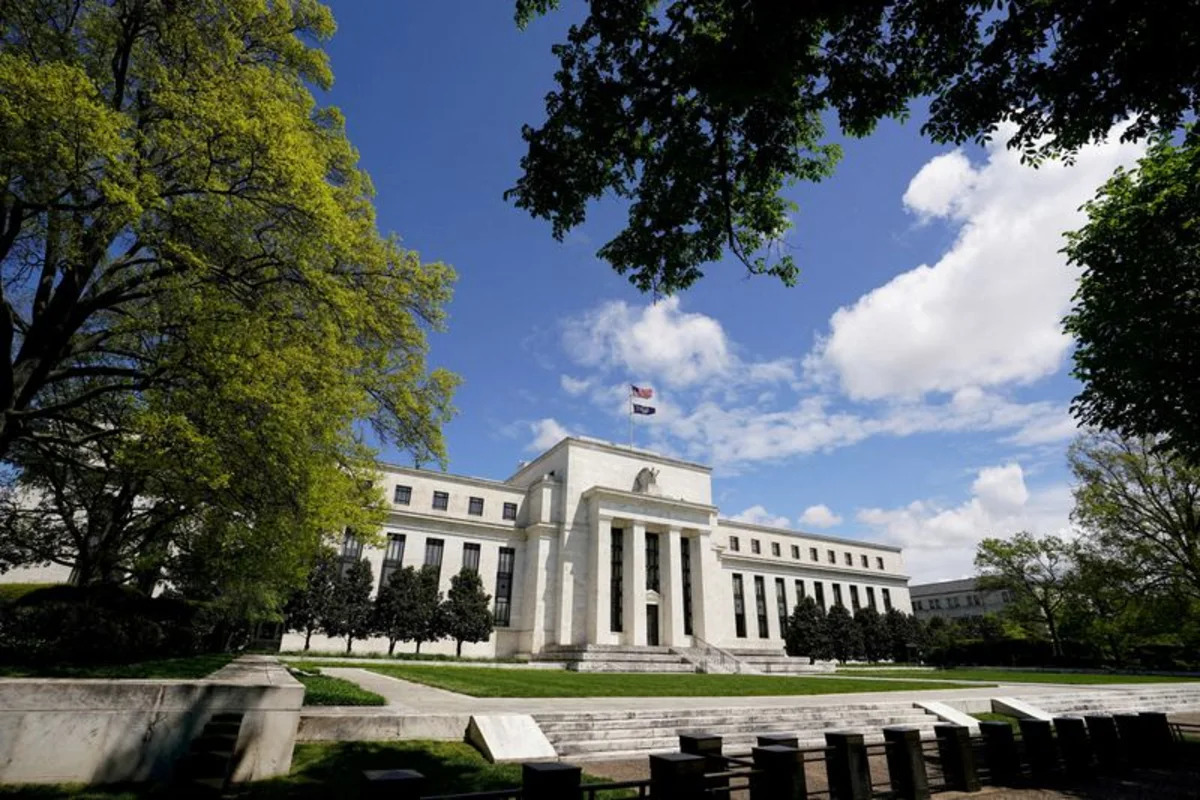
2 / 4

3 / 4

4 / 4
By Michael S. Derby and Ann Saphir Aug 20 (Reuters) - Federal Reserve Chairman Kevin Warsh has promised that the U.S. central bank will deliver price stability, but Treasury Secretary Scott Bessent's decision on Wednesday to double buybacks of longer-dated U.S. debt may complicate any effort to do so. On Wednesday, the Treasury Department announced that it was doubling the size of its effort to buy back Treasury securities with maturities between 10 and 30 years, to $4 billion per operation. Long-dated Treasury borrowing costs had been rising sharply amid competition for capital from AI data-center builders, and on worries about government deficits. U.S. sovereign debt hit a record $40 trillion on Wednesday. Yields, which move inversely to prices, fell after the Treasury's announcement, though on Thursday resumed their upward push even as Bessent said the buybacks could be expanded further. "Part of it is signaling here, and to show that we we believe that the yields don't reflect the underlying fundamentals," Bessent said in an interview Thursday on CNBC. Asked if the drive to push long-term yields lower would work at cross purposes with the Fed's balance sheet or interest-rate policy, Bessent pushed back. "I think that the Treasury and the Fed would work together if there was any change in the balance sheet, and we would adjust to any kind of runoff that they're doing," he said. How about a potential Fed rate hike to combat inflation, he was asked. "That has nothing to do with the decision that I announced this week on the buybacks." Even so, the move generated questions over a push-pull between the Fed and the Treasury over influencing general credit conditions. Warsh led the Fed to a 9-3 decision last month to leave the policy rate unchanged. While he redoubled his pledge to get inflation back down to 2%, he continue to resist giving any clues about his own rate-path view. Noting that yields had risen since the Fed's previous meeting, he said it's important that the Fed take its cues from the markets rather than the other way around. "Warsh has tried to make the unconventional case that the Fed should stand back and let the market form an unguided yield curve that provides a market estimate of the appropriate degree of restraint – while hinting long-end tightening might be preferable to short-end tightening," Evercore ISI's Krishna Guha wrote. "It is hard to make that case when investors see Bessent as trying to manage the long end." Since the global financial crisis two decades ago the central bank has used asset buying to calm markets and to lower long-term borrowing costs. The rise in Treasury bond yields has been jarring to market observers and has raised questions as to whether the situation is extreme enough for the Fed to get involved, even as there are lots of questions about the longer-term potency of the new Treasury buyback schedule. Warsh has long expressed skepticism over using central bank asset buying as a policy tool, and has made as a cornerstone goal getting what is now a $6.8 trillion balance sheet lower. But he has also signaled a willingness to work with the Treasury and coordinate where possible, which might make the Fed leader more open to link up with the Treasury despite his broader disdain for large Fed holdings. How Warsh could act is further complicated by his near blanket refusal to explain what he thinks lies ahead for monetary policy and his unwillingness to provide much guidance on how he looks at data to reach policy decisions. HIGH BAR Thus far, market participants don't see a case for the Fed to join the Treasury in trying to boost liquidity for longer-term bonds. "The bar for the Fed to step in with market-stabilizing purchases is very high at the moment and we would need to see signs of liquidity deteriorating enormously and signs of market dysfunction, which we're simply not seeing," said Gennadiy Goldberg, Head of U.S. Rates Strategy at TD Securities. Most importantly, the market is functioning in a way that the Fed can still manage its interest rate target range, which meeting minutes from the late July Federal Open Market Committee, released Wednesday, affirmed is the central bank's main tool to achieve its job and inflation mandates. "I don't see any impact on the Fed's ability to control short-term interest rates," said Michael Feroli, chief U.S. economist at J.P. Morgan. The range of debt targeted by the Treasury increased buyback operation is very influential to real world borrowing costs for things like mortgages and corporate borrowing. Borrowing costs for the long bond hit nearly a two-decade high earlier this week amid concerns about inflation, government borrowing appetites, and as the Treasury faces competition from the offerings from companies furiously building out infrastructure for artificial intelligence. Presumably Fed asset buying could lower those yields or cap their rise, and it would have more firepower to devote to the matter than the Treasury. But as it would be akin to an easing of monetary policy and that would be hard to square against the Fed's ongoing efforts to lower inflation that still stands well above the 2% target. Daleep Singh, chief global economist at PGIM, who also served at the New York Fed and Treasury Department, said what the Treasury has done ultimately doesn't change the story driving yields up and while its action is shining a spotlight on a real issue it is doing so "without a credible strategy to solve" the issue. (Reporting by Michael S. Derby, Ann Saphir and Dan Burns; Editing by Aurora Ellis)
Comments
You must be logged in to comment.