buzzfeed Press
Hollywood Is Getting Thinner Again. We Need To Talk About Why Without Turning Women Into Public Case Studies
Images
1 / 8
2 / 8

3 / 8
4 / 8
5 / 8
6 / 8
7 / 8
8 / 8
“Beauty ideals are learned through repetition. When very thin bodies become increasingly visible and celebrated, they start to feel normal, desirable, or even necessary.”

Sadly, there was once a time when projecting your opinions onto a random woman's body wasn't considered particularly controversial. In the UK, we even had shows like Fat Families and Supersize vs Superskinny dedicated to the cause – concepts that, unsurprisingly, have aged like milk.

Millennial women, in particular, went through the trenches in the early 2000s, with seemingly no escape from the unhinged beauty standards. And this was way before social media hit its peak.

You could turn on the TV and find Howard Stern demanding the late Anna Nicole Smith step on the scales during that infamous interview.

"I'm not going to get on a scale for you to weigh me,” she hit back.

“Anna, just get on the scale; we all have bets. We’ve all been on it. Just get on the scale,” Stern's co-host John chimed in.

Anna Nicole Smith deserved WAY better from Howard Stern, the media, and everyone else #annanicolesmith #howardstern #tiktokfilmtvcompetition #celebrity #tv #talkshow

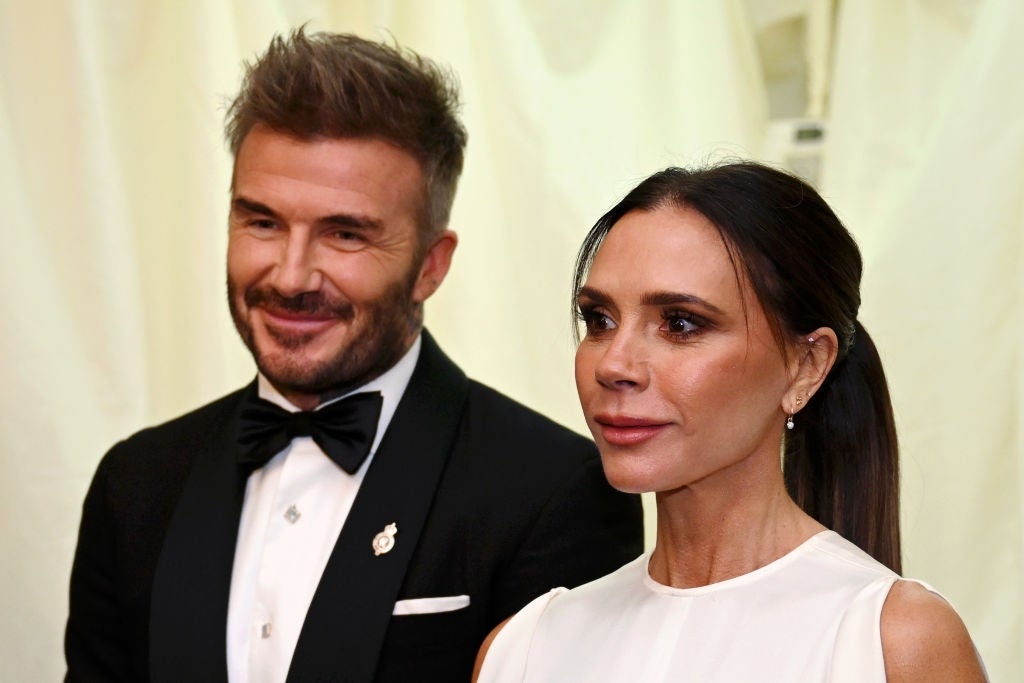
Meanwhile, Victoria Beckham went from being disgustingly branded “Porky Posh” to “Skinny Posh”, and has since opened up about the relentless scrutiny of her weight while battling an eating disorder. In her Netflix documentary, she recalled being weighed on national television when she was six months postpartum with Brooklyn Beckham.

“We laugh about it, we joked about it…But I was really, really young, and that hurts,” she said.

David Beckham recalled how the criticism changed his wife: “My Victoria, that I knew, sits at home in a tracksuit, smiling, laughing, having a glass of wine. That started to go purely because of the criticism she was getting.”

The body-positive movement of the 2010s was a collective rejection of the idea that women should have to shrink themselves to be desirable. We celebrated cellulite and stretch marks, embraced curves, and pushed back against the notion that our worth (and health) could be determined by a number on a scale.

And, crucially, emphasised that women's bodies are quite frankly no one else's business.

After years of pushing back against the idea that women should be forced to conform to narrow, made-up body standards, there are signs that the pendulum seems to be swinging back towards an aesthetic that many millennial women will recognise all too well.

What’s particularly disturbing is the way the internet has responded. The discourse around women including Ariana Grande, Jenna Ortega, Demi Moore, and Emma Stone has become a spectacle, with strangers dissecting their bodies, diagnosing them from afar, and speculating about their health. Chadwick Boseman is a sobering reminder of why that speculation can be dangerous: his weight loss became the subject of public scrutiny before it was known that he was privately battling colon cancer.

However, there is a legitimate conversation to be had about what happens when very thin bodies become increasingly visible and "desirable" again – particularly for young people and those who may already be vulnerable to disordered eating.

Jameela Jamil has been vocal about what she sees as a return to extreme thinness, and the reaction to her comments illustrates just how difficult this conversation has become. Critics argued that discussing women's bodies at all risks dragging us back to the very culture of scrutiny that the body-positive movement fought against.

Carolyn Karoll, MSW, LCSW-C, CEDS-C, a psychotherapist specialising in eating disorders, says we need to be able to hold both ideas at once.

“We should not speculate about whether an individual woman has an eating disorder or make sweeping assumptions about her health based on appearance alone. But we can still talk about what it means when the cultural ideal becomes noticeably thinner again, especially when that shift is happening across celebrity culture, fashion, advertising, and social media," she tells BuzzFeed.

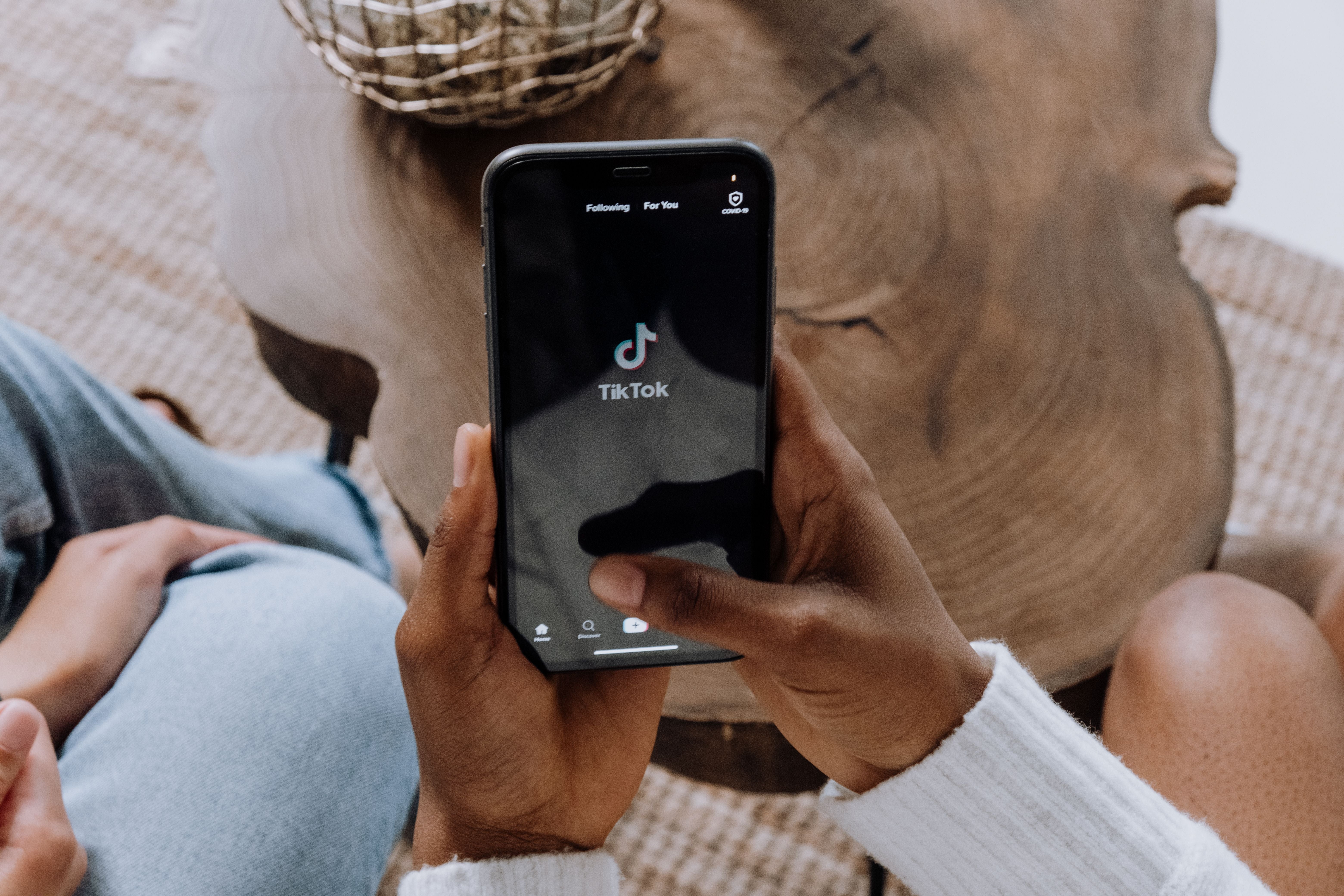
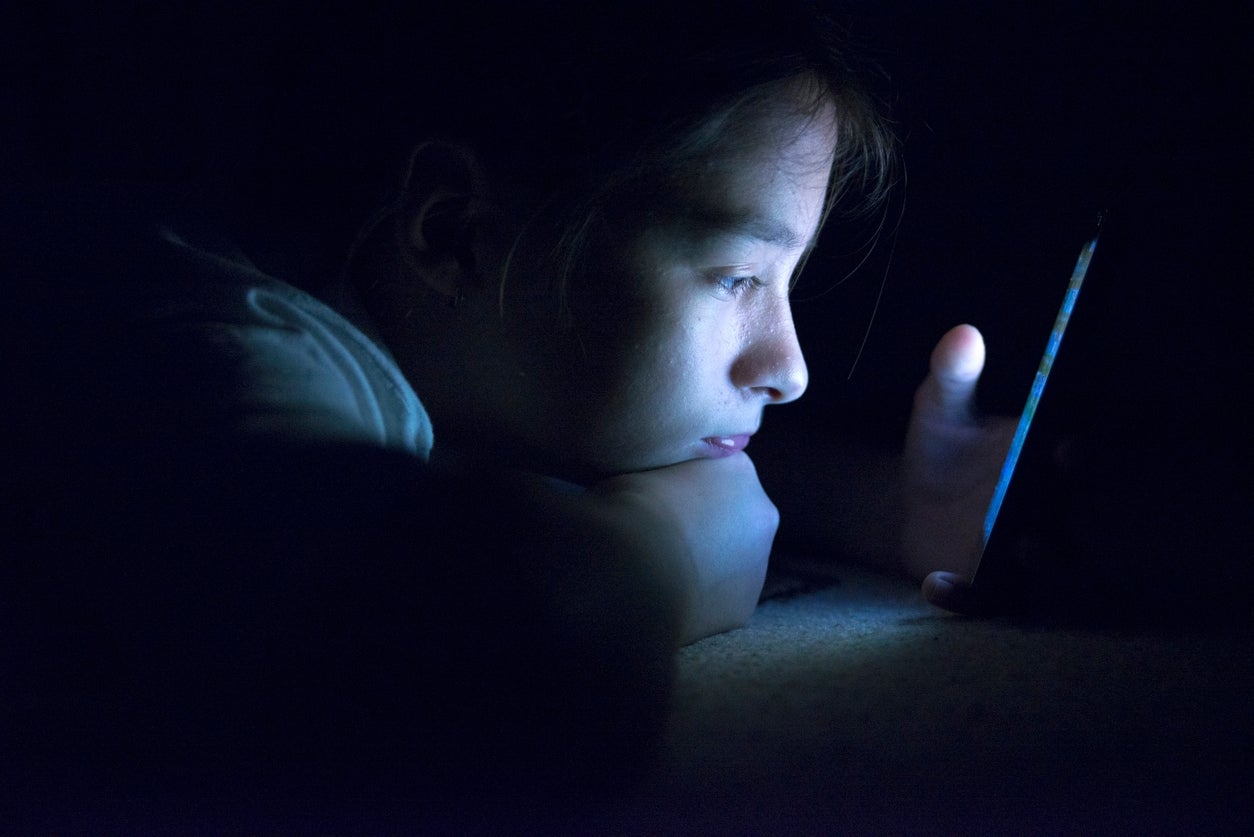
Last year, I explored the rise of ‘SkinnyTok’, where videos promoting restrictive eating, hunger suppression and thinness were being served up alongside comment sections filled with tips for eating less. A 2024 study found that after just seven to eight minutes of watching TikTok content promoting restrictive diets, weight-loss tips, and thin beauty ideals, female-identifying participants reported lower body-image satisfaction and greater internalisation of harmful beauty ideals.

Researchers warned: “Our findings indicate that female-identifying TikTok users may experience psychological harm even when explicit pro-anorexia content is not sought out and even when their TikTok use is time-limited in nature.”

And while TikTok is a different entity to Hollywood, it goes to show how beauty ideals can move from something we see on screen to something we internalise and replicate in our own behaviour.

None of this means we should return to a culture where women's bodies are public property, or turn social media into a diagnostic clinic.

But refusing to speculate about an individual woman doesn't mean we have to ignore the wider shift around her.

“Appearance can be one piece of information. So can someone’s colouring, energy, strength, mood, eating patterns, social withdrawal, exercise habits, or increasing anxiety around food,” Karoll says. “None of those things alone tells us exactly what is happening, but taken together they can absolutely warrant concern.”

“It is also important to remember that eating disorders occur across the weight spectrum. Someone does not have to appear very thin to be seriously ill,” Karoll adds.

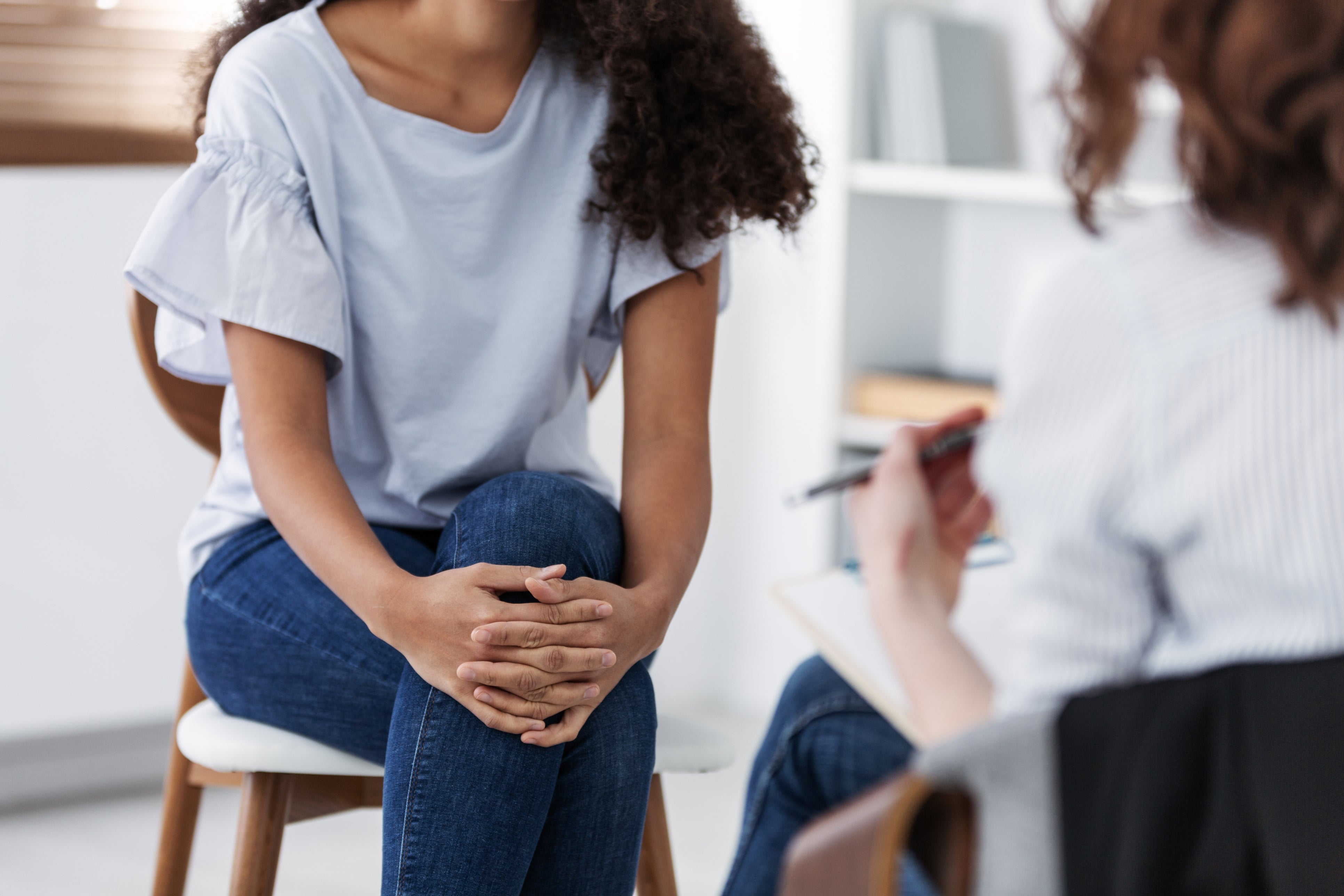
If you're genuinely worried about someone in your own life, Karoll says the conversation should be about what you've noticed, rather than trying to diagnose them.

“I’ve noticed you haven’t seemed like yourself lately. You seem much more anxious around food, you’ve stopped joining us for meals, and I’ve noticed some physical changes too. I care about you, and I’m worried,” she advises.

Because there is a difference between scrutinising someone's body and being concerned about their wellbeing. We just need to learn how to talk about it without turning women into evidence.

If you are in need of urgent help or medical advice for yourself or someone else, please contact 999 or the Samaritans on 116 123 if you or someone else is in immediate danger. If you are looking for medical advice, contact your GP or 111.
Comments
You must be logged in to comment.