buzzfeed Press
AI Has Become The Unexpected Third Wheel In Modern Relationships
Images
1 / 6
2 / 6

3 / 6

4 / 6

5 / 6

6 / 6
“AI to make your shitty boyfriend less shitty.”

Orchid AI is marketed as a handy personal assistant that users can communicate with via text, handling everything from emails and scheduling meetings to handy little “habits” that send you news updates and weather forecasts on the go.

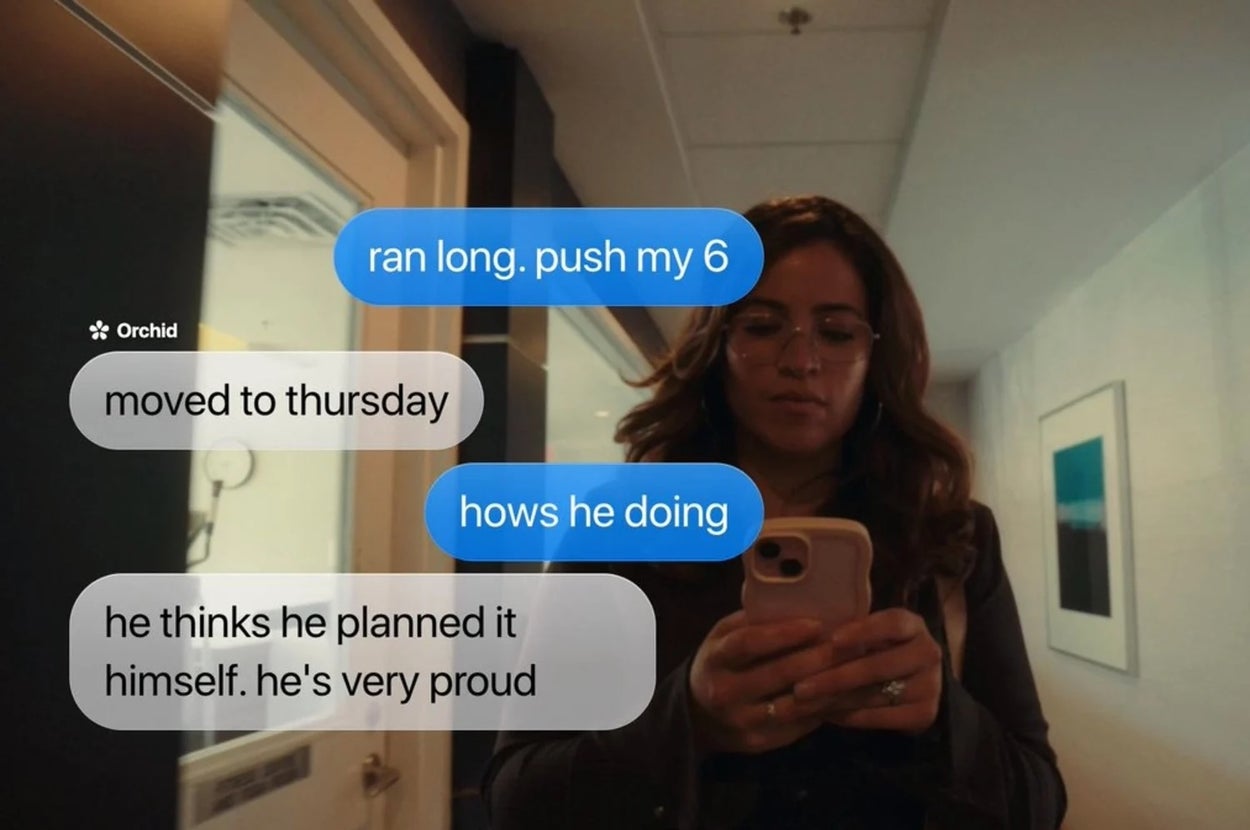
But its recent promo has gone viral, racking up a staggering 27 million views, after showcasing the platform as some sort of dystopian relationship third wheel for when your partner is lacking basic communication and relationship skills – like remembering your anniversary.

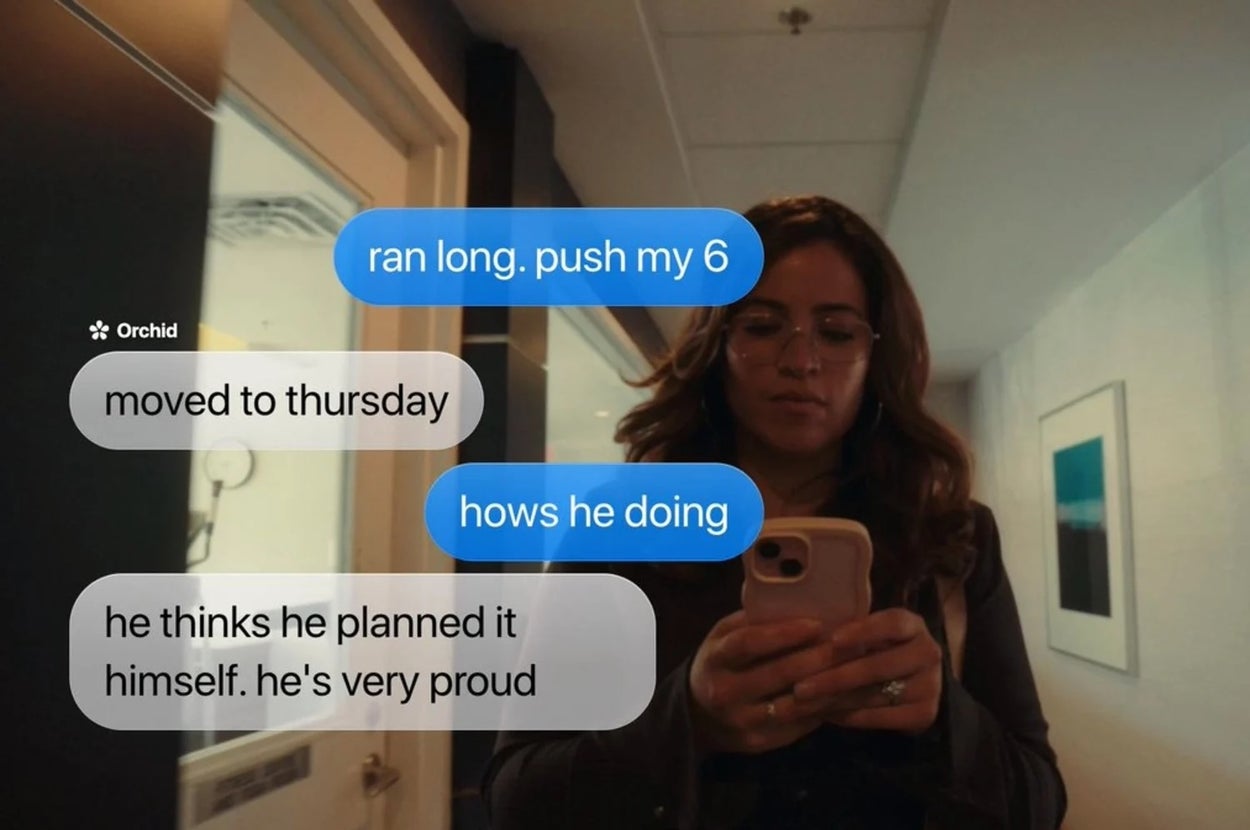
In the footage, when the woman tells Orchid that her boyfriend has forgotten their anniversary, the AI doesn't just offer a few words of robotic wisdom and a suggested text. It transforms into a full-on relationship PA, contacting him, booking dinner, arranging flowers, and keeping her in the loop as it sorts out his mess.

Introducing Orchid, the first assistant that actually gets you 🌸 pic.twitter.com/lZsVzEqd7h

Inevitably, social media was divided. While some hailed it as an ingenious use of AI, others have been left scratching their heads, wondering whether they’ve actually just watched an ad... or a scene pulled straight from Black Mirror.

This is disgusting and a desecration to love and lovers everywhere i hate you

i'd rather have the person leave me to join a throuple with my grandparents than manage our relationship with an AI agent https://t.co/NWS76FGpFH

AI to make your shitty boyfriend less shitty.

According to Clarissa Silva, Behavioural Scientist and Relationship Expert, and Founder of C Silva Solutions, turning to AI as a substitute for professional or personal support can be a form of coping.

“Chances are you know something isn’t right, and you’re seeking some sort of validation about how unhappy you are in the relationship," Clarissa tells BuzzFeed.

And while that validation can be tempting due to AI's accessibility, Clarissa believes something deeper is happening beneath the decision to vent to a bot.

“There’s the hope that you are going to feel empowered enough to finally make changes for your future happiness,” she explains. “Venting to your device allows you to avoid dealing with the issues with the person who is creating the unhappiness.”

That distinction is important. There’s a difference between using AI to help you put your thoughts into words before having a difficult conversation and using it to repeatedly process the relationship without ever actually addressing the person you're having the problem with.

Not to mention, there’s another obvious limitation: AI only knows what you tell it, and rarely challenges or holds users accountable for what they say – because, ultimately, it’s a bot.

“What you tell the AI tool is what it bases its results on,” Clarissa says. “It will be unable to detect changes in your mood, attitude, or personality and won’t be able to create solutions based on seeing these changes.”

“If you depend on an AI tool to guide your relationship outcomes, you may be outsourcing decisions that require honest reflection, direct communication, and shared accountability,” Clarissa shares. “Enhancing your interpersonal skills ideally involves a person."

A chatbot can’t replace genuine human connection – particularly when a relationship has already reached the point of breaking down.

“When communication has eroded to the point that they have withdrawn from the relationship and they no longer have interest in a shared experience, I suggest a therapist first,” Clarissa advises.

In other words, AI (or old-fashioned journaling) might be useful for helping you untangle your thoughts, but when the issue is the relationship itself, there’s still no substitute for having an actual person in the room.

If AI is becoming the easiest person to talk to about your relationship, perhaps the real problem isn't that it's joined the relationship – it's that you're no longer talking to the person you're in it with.

Additional thumbnail photo credit: Orchid AI
Comments
You must be logged in to comment.