yahoo Press
Powerball jackpot climbs to $905 million. What you’d pocket after taxes, and what to do with the rest.
Images

1 / 11
2 / 11

3 / 11

4 / 11

5 / 11
6 / 11

7 / 11

8 / 11

9 / 11

10 / 11

11 / 11
Some offers on this page are from advertisers who pay us, which may affect which products we write about, but not our recommendations. See our Advertiser Disclosure.

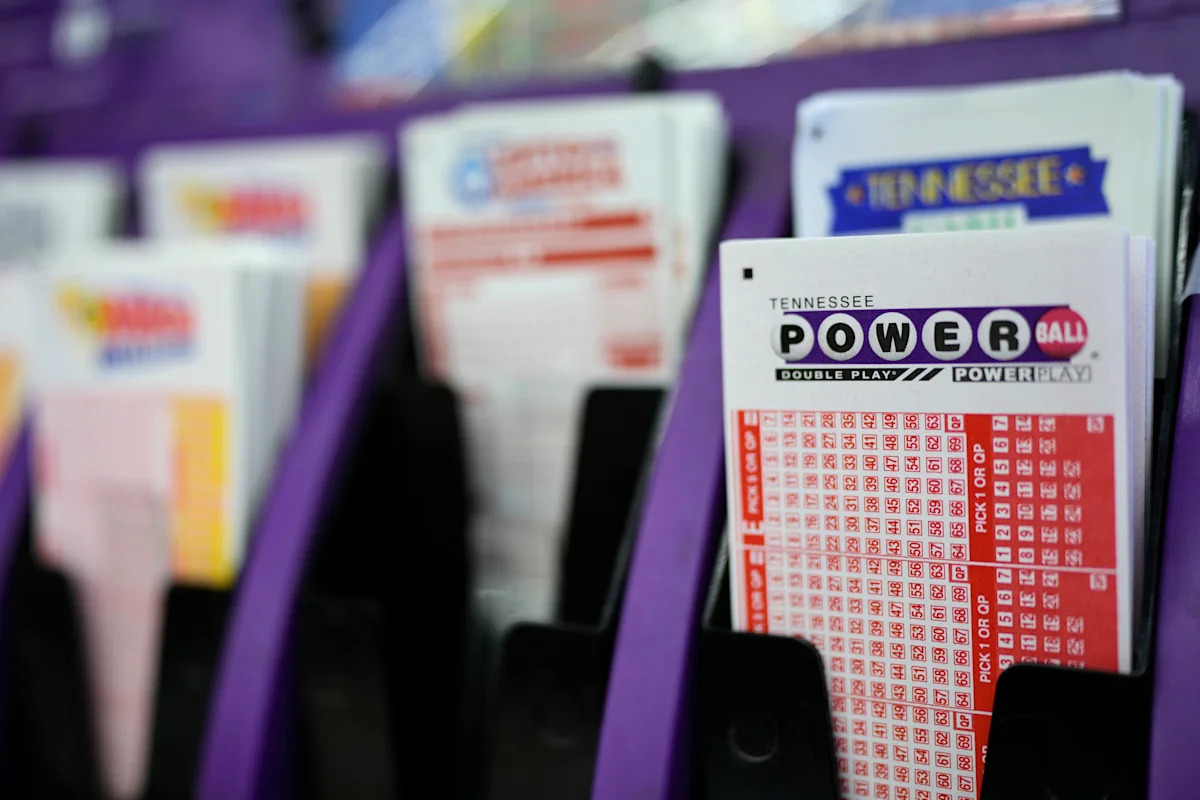
After 42 drawings with no jackpot winner, the Powerball's big prize stands at $905 million in annual payments or a lump sum cash payment of $391.9 million. The next drawing is set for tonight, Aug. 10.

The odds of winning a lottery jackpot are slim — 1 in 292.2 million for Powerball, according to the lottery.

So, imagine for a moment you do win. How much of the prize would you take home after taxes? We'll break it down — and suggest six ways to invest your windfall safely.

The IRS taxes lottery prizes differently depending on how the winner chooses to get paid. You have two choices: lump sum payout or annual payments spread over 30 years. Most lottery winners opt for the cash lump sum up-front, even though it ultimately means fewer dollars in their pocket, but still a whole lot.

What do federal taxes look like on a lump sum payment? The federal tax rate on any prize over $5,000 is 24%, which gets immediately deducted from your winnings. And for a large prize like the Powerball, that lump sum will also catapult you into the highest income tax bracket, so you'll pay the top federal tax rate of 37% the following year.

The annuity option, which serves as protection against high inflation, gives you the full $905 million pot over a longer period. But you'll still see that 24% taken off the top of every payment. You'll also be in the highest federal income bracket and have to pay federal taxes you owe beyond that withholding.

Just when you thought you'd paid the piper, here come state taxes. How much you'll pay in state income taxes depends on where you live. California residents face the highest state tax rate, which tops out at 13.3%, but state tax rates across the country vary, starting at 2.5%.

If you're extra lucky, you might live in one of these states that don't charge state tax on income:

Alaska

Florida

New Hampshire

Nevada

South Dakota

Tennessee

Texas

Washington

Wyoming

Odds aside, let's say you're the lucky winner of that $905 million Powerball grand prize. If you win and choose the lump sum, you'll claim about $391.9 million up-front.

Next comes the 24% tax withholding, which means your cash value declines to $297.8 million. Then, next April, your marginal tax rate will be 37%, and you'll pay another chunk of your riches to the government, bringing your winnings closer to $247 million.

Under the annuity option, the winner will receive their prize divided into 30 payments that increase by 5% every year, for a total of about $570 million after federal taxes.

If you want to run the numbers and see the fine print, you can use the Powerball Taxes Calculator to learn more.

Let's say you hit the jackpot and have joined the millionaires club. Here's what experts say lottery winners should do to maximize their winnings and secure a less stressful financial future.

1. Hire a financial advisor

Before you even roll up to claim the check, it makes sense to hire a financial advisor and a tax attorney or accountant who can help you manage your tax liabilities and invest money wisely.

2. Diversify your banking strategy

You might think you're being responsible for stashing money in the bank, but remember, banks are only insured for deposits up to $250,000. So be intentional about where you're putting your money and how you're splitting it up.

3. Pay off outstanding debts

It's going to be a big relief to live debt-free, potentially for the first time. Paying off outstanding loans, such as mortgages or credit card debt, is a smart idea, as it can save thousands in interest.

4. Invest wisely

Having extra income might tempt you to try new investment strategies, but be careful about jumping into financial products you don't understand. Stick with low-risk investments like bonds and safer stocks or equities for the first few months before branching out — and get educated about the power of compound interest.

5. Grow your winnings

While you work on a plan for how to best use your prize, consider putting a portion of your money in a high-yield savings account or CD. High-yield savings accounts and CDs have the potential to earn upwards of 4% or even 5% interest in some cases. Of course, there are federal insurance limits that cap how much of your money is covered in any one account at $250,000.

However, some or all of your money across several savings accounts can help you earn a significant amount of interest over time.

See next: Calculate your savings growth with a compound interest calculator

6. Consider establishing a charitable foundation

While you might choose to keep the fact that you won the lottery quiet, family and friends will inevitably find out. It's helpful to have a charitable foundation set up to deal with requests or gifting strategies that won't incur an additional tax burden.

If you bet on the Super Bowl, your wins and losses will have tax consequences. Here's what to know about sports betting taxes.

Recent tax law changes are closing the gap between the federal income tax on paychecks versus investments — and in some cases, the paycheck wins out. Here's why.

Sports betting taxes come with the territory if you're wagering on games, either in person or online. Here's what you need to know to file accurately.

Provisions in the One Big Beautiful Bill were expected to juice Americans' refunds this year. But higher gas prices amid the US-Israel war on Iran might eat into those anticipated savings.

Earning a $1 million salary puts you in the 37% tax bracket. Find out why many million-dollar earners pay taxes at a lower rate and how you could use their strategies to lower your tax bill.

The average federal tax refund reached nearly $3,800, an 8.8% jump over the same week last year, according to Internal Revenue Service data.
Comments
You must be logged in to comment.