yahoo Press
Trump urges lawmakers to make daylight saving time permanent
Images
1 / 20

2 / 20

3 / 20

4 / 20
5 / 20

6 / 20

7 / 20

8 / 20

9 / 20

10 / 20

11 / 20

12 / 20

13 / 20

14 / 20

15 / 20

16 / 20

17 / 20

18 / 20

19 / 20

20 / 20
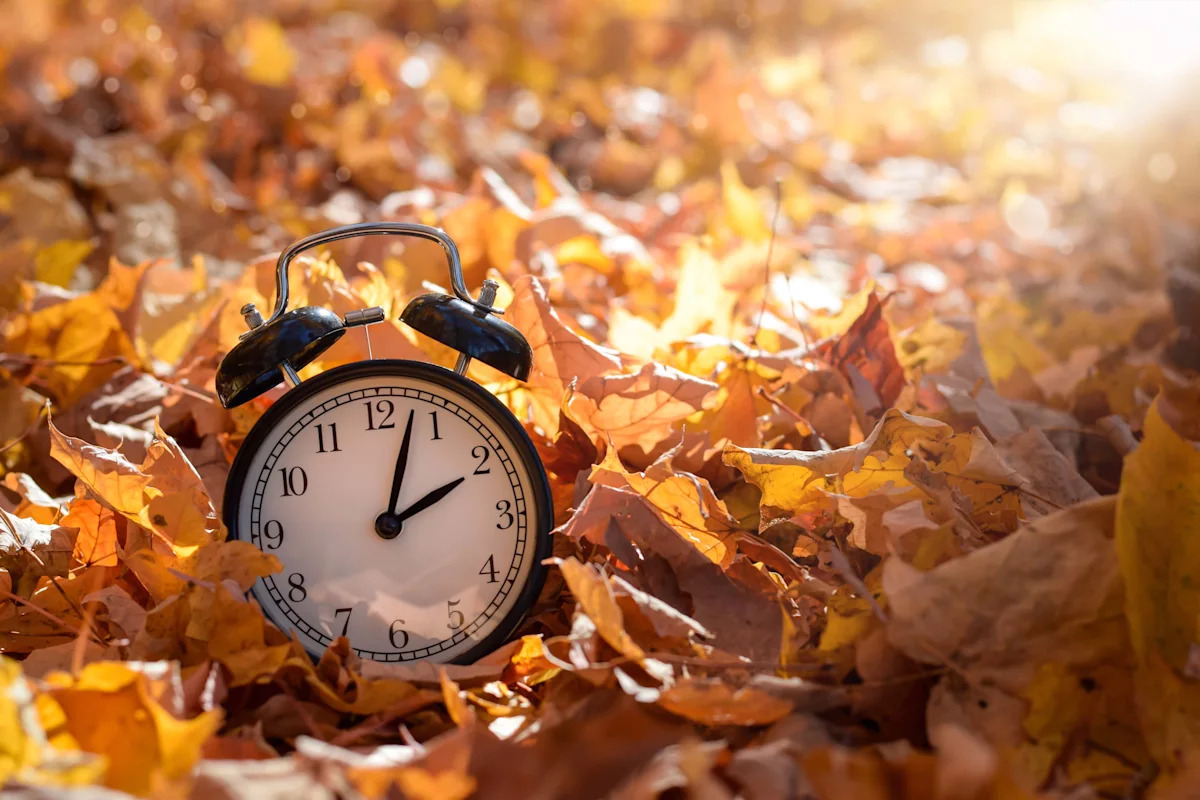
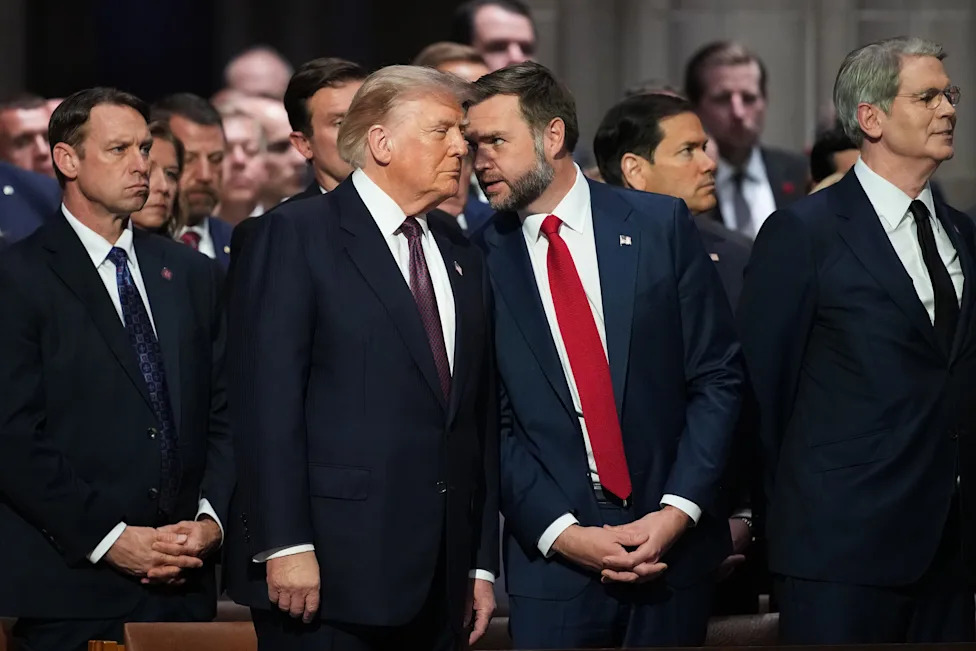
President Donald Trump is once again throwing his weight behind making daylight saving time permanent, urging the Senate to pass legislation ending the twice-yearly clock changes. "People are sick and tired of having to change their clocks twice a year. It is foolish, inconvenient and, in some cases, very costly," Trump wrote on Truth Social Aug. 4. "For Cities and States with Watchtowers, and hard to reach places, it costs Millions of Dollars." Daylight saving time is the period between March and November when most Americans set their clocks ahead by one hour to extend daylight later into the evening. The switch is designed to provide more evening daylight during the warmer months and more morning daylight during the winter. Trump said a "vast Majority of Americans have asked to make Daylight Saving Time permanent" for many years, but "no Administration has been able to get it done, until now." "I am proud to announce that the House of Representatives has passed the Bill, and it has now gone to the Senate for final approval," the president added. The U.S. House of Representatives passed the bill in July to make daylight saving time permanent, but it faces an uphill battle in the Senate. Trump is personally urging politicians to support it. Despite support from Trump and some lawmakers, Senate Majority Leader John Thune, R-South Dakota, has questioned whether the measure has enough votes to pass through the upper chamber. Daylight saving time: Why does it exist in the first place? President Donald Trump and Vice President JD Vance attend the funeral service for the late U.S. Sen. Lindsey Graham (R-SC) at the Washington National Cathedral on July 28, 2026 in Washington, DC. Graham,Êwho was elected to the Senate in 2002, died suddenly on July 11th from an aortic dissection. He was 71 years old. President Donald Trump tosses his TRUMP 2028 hat to an attendee during the re-scheduled White House Correspondents Dinner in the Presidential Ballroom at the Waldorf Astoria on July 24, 2026 in Washington, DC. The annual gala hosted by the White House Correspondents Association was re-scheduled to tonight after the original event in April was cut short when an armed man, later identified as Cole Tomas Allen, attempted to get past a Secret Service checkpoint. President Donald Trump receives a tour of Chateau de Versailles from President of France Emmanuel Macron ahead of a dinner on June 17, 2026 in Versailles, France. The dinner followed the conclusion of this week's Group of 7 (G7) summit in Evian, France. President Donald Trump and Vice President JD Vance attend the funeral service for the late U.S. Sen. Lindsey Graham (R-SC) at the Washington National Cathedral on July 28, 2026 in Washington, DC. Graham,Êwho was elected to the Senate in 2002, died suddenly on July 11th from an aortic dissection. He was 71 years old. Trump, in his post, argued the twice-yearly change in clocks is "also bad for your health in the anxiety it creates." Quoting "Leading Medical, Crime, and Economic Studies," Trump listed the pros of "ceasing the biannual time change," which he said included decreased robbery and murder rates, fewer car accidents, especially for pedestrians, lower health risks and savings on energy bills. Trump added that the extra hour of daylight would make it safer for children to walk home from school, increase family time and boost the sports, fitness, tourism and hospitality industries. Trump iterated that the matter is one that Republicans, Democrats and Independents all "can unite behind," and especially asked GOP senators to "release their holds, and allow the hotline to clear on the Republican side." "In other words, leave it as it is now, and never change again," Trump said. "LET'S PASS THE SUNSHINE PROTECTION ACT, ASAP." However, until the law is passed, daylight saving time is set to end on the first Sunday of November. Some sleep and health experts argue that changing clocks twice a year disrupts the body's natural rhythm. Erik Herzog, a biology and neuroscience professor at Washington University in St. Louis and former president of the Society for Research on Biological Rhythms, previously told USA TODAY that permanent standard time would be the healthiest option. Herzog said clock changes disrupt circadian rhythms, the body's internal clock that regulates sleep and other biological functions. The spring time change, when clocks move forward an hour, is especially tough on the body and has been linked to increases in heart attacks and car crashes. More: Here's what it means if daylight saving time becomes permanent Daylight saving time ends at 2 a.m. local time on Sunday, Nov. 1, when clocks move back one hour to 1 a.m. The shift marks the return to standard time and gives Americans an extra hour of sleep, while also bringing earlier sunsets and more morning daylight through the winter months. Daylight saving time begins on the second Sunday in March and ends on the first Sunday in November. No. Several states and U.S. territories do not observe daylight saving time and stay on standard time year-round: Hawaii Most of Arizona (except the Navajo Nation) American Samoa Guam Northern Mariana Islands Puerto Rico U.S. Virgin Islands Most of the rest of the country continues to switch between daylight saving time and standard time each year. Polls suggest many Americans are tired of adjusting their clocks twice a year. A 2023 YouGov survey found that 62% of Americans favored eliminating the twice-yearly clock changes. Meanwhile, a January 2025 Gallup poll found that 54% wanted to end daylight saving time, with 48% preferring year-round standard time and 24% favoring permanent daylight saving time. Contributing: Reuters; Bart Jensen, Zachary Schermele, Jorge L. Ortiz, Fernando Cervantes Jr., Emily DeLetter, Julia Gomez, Kinsey Crowley, USA TODAY Saman Shafiq is a trending news reporter for USA TODAY. Reach her at sshafiq@gannett.com and follow her on X and Instagram @saman_shafiq7. This article originally appeared on USA TODAY: Trump urges lawmakers to make daylight saving time permanent
Comments
You must be logged in to comment.