yahoo Press
25 states sue Trump over Section 301 forced-labor tariffs
Images
1 / 5
2 / 5

3 / 5
4 / 5

5 / 5
A coalition of 25 states filed a lawsuit Monday against the Trump administration over sweeping new tariffs imposed on 60 trading partners, arguing the duties are an illegal attempt to revive a tariff regime the Supreme Court struck down.

New York Attorney General Letitia James and Governor Kathy Hochul announced the filing in the U.S. Court of International Trade, where the states are asking a judge to declare the tariffs unlawful, halt their collection, and order refunds of duties already paid. The tariffs of 10% or 12.5% cover countries that together account for 99.4% of U.S. imports.

"After losing at the Supreme Court, the administration is once again trying to illegally raise taxes on families and businesses with a new round of tariffs," James said in a statement.

The administration imposed the tariffs on July 23 under Section 301 of the Trade Act of 1974, citing the failure of 59 countries and the European Union to prevent goods produced with forced labor from entering their supply chains. The duties took effect one day before temporary tariffs imposed under Section 122 of the Trade Act expired. The states contend that timing — and statements by U.S. Trade Representative Jamieson Greer and Treasury Secretary Scott Bessent promising continuity at the same rates — shows the forced-labor rationale was a pretext.

The lawsuit argues the administration violated Section 301's procedural requirements by completing investigations into 60 economies in roughly two and a half months, bypassing required country-specific consultations, and setting tariff rates with no explanation of how they would reduce forced-labor practices. It also alleges violations of the Administrative Procedure Act. The states point to internal contradictions in the tariffs themselves: the administration's investigation cited frozen beef from Brazil as one of only three products linked to forced labor, yet exempted it from the new duties.

The White House rejected those arguments. "The United States is using its lawful authority to obtain the elimination of unreasonable acts, policies and practices that burden U.S. commerce," White House spokesperson Kush Desai said in a statement. "Section 301 tariffs have proven to be a legally durable tool since the president's first term, and they remain so now."

The new tariffs replaced expiring Section 122 stopgap duties that had themselves been imposed after the Supreme Court ruled the administration's earlier use of the International Emergency Economic Powers Act did not authorize tariffs. The Court of International Trade also struck down the Section 122 tariffs, though that ruling was paused pending appeal.

At least two other legal challenges to the Section 301 duties preceded this filing, with separate groups of small businesses having taken the administration to the Court of International Trade in July, according to NBC News.

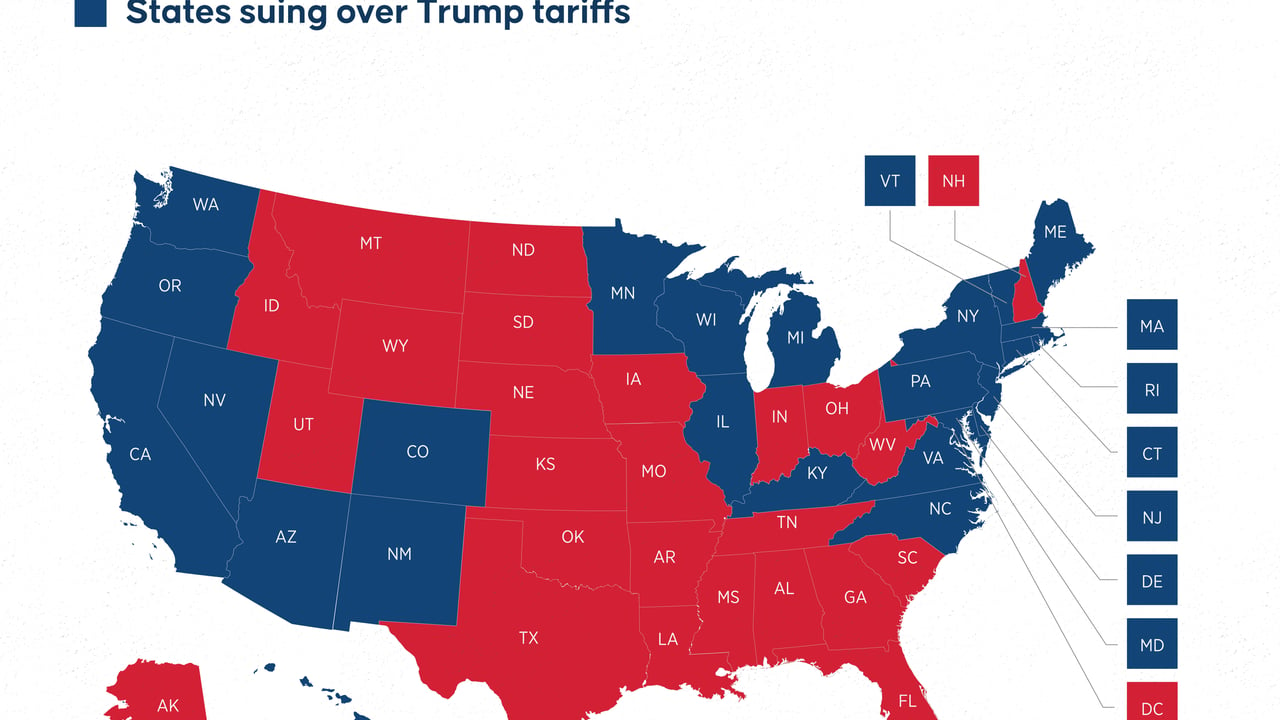
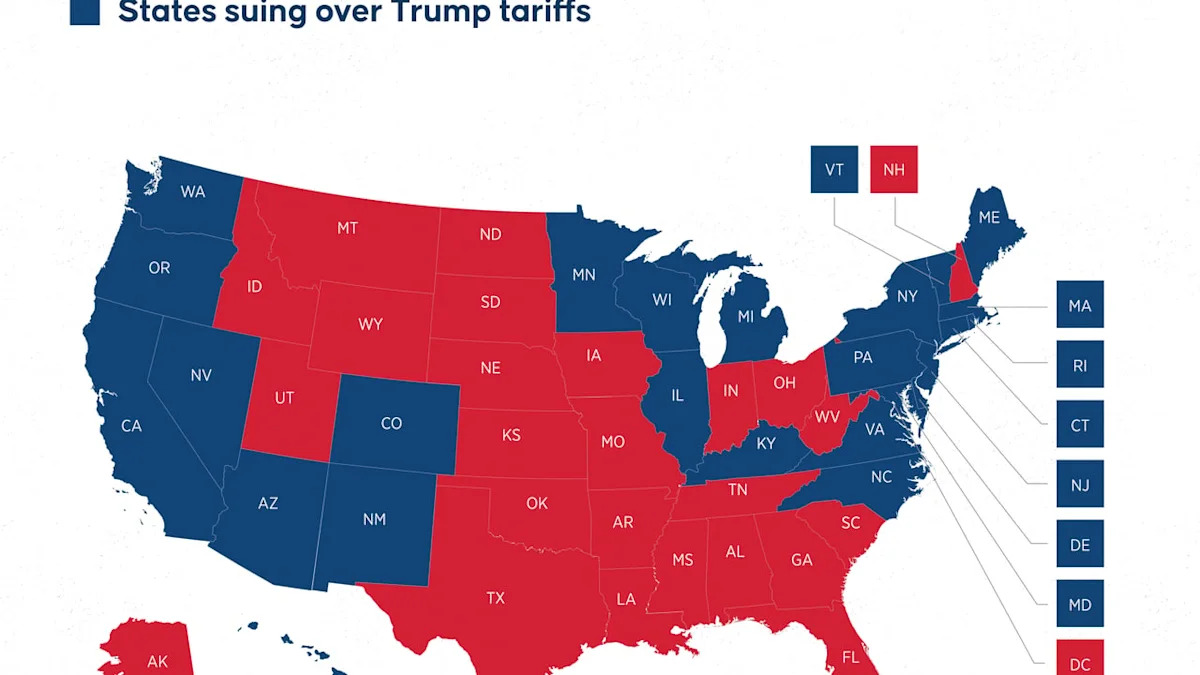
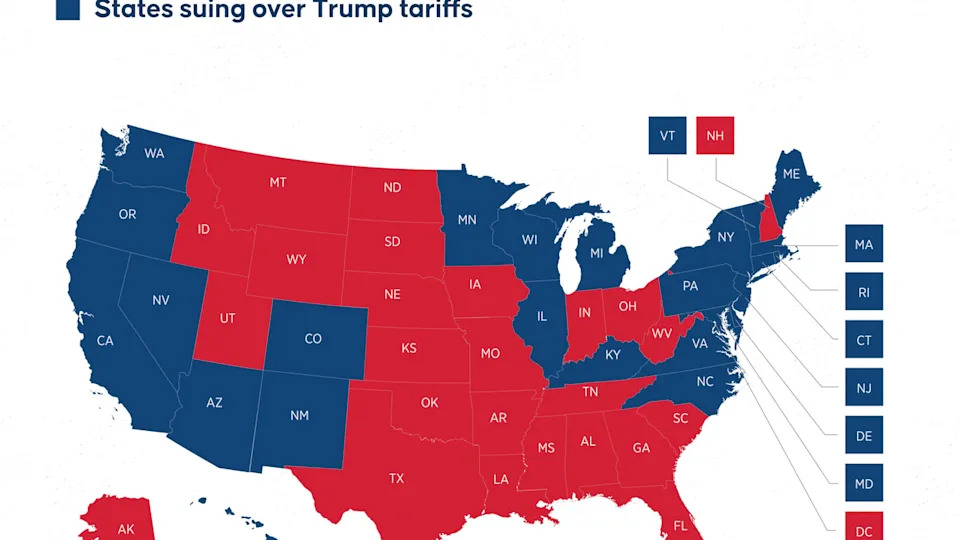
Joining New York in the lawsuit are Arizona, California, Colorado, Connecticut, Delaware, Hawaii, Illinois, Massachusetts, Maryland, Maine, Michigan, Minnesota, Nevada, New Jersey, New Mexico, North Carolina, Oregon, Rhode Island, Virginia, Vermont, Washington, and Wisconsin, along with the governors of Kentucky and Pennsylvania.
Comments
You must be logged in to comment.