huffpost Press
Trump Gets To Keep Tax Immunity Under DOJ Deal With Republican Senators
Images
1 / 7

2 / 7
3 / 7
4 / 7

5 / 7

6 / 7

7 / 7
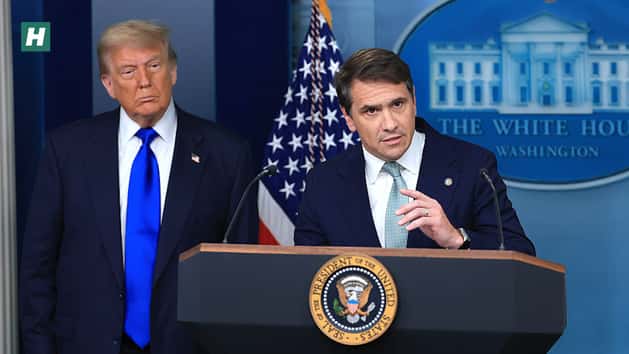
WASHINGTON ― Acting Attorney General Todd Blanche has rescinded the order creating President Donald Trump’s “Anti-Weaponization Fund,” but the president will get to keep the sweeping grant of tax immunity Blanche announced alongside the fund.

Blanche issued a new order Sunday night rescinding the fund so he could win over Republican senators ahead of a committee vote on Tuesday to confirm Blanche as attorney general. But the new order only reaffirmed that Trump wouldn’t have to pay any taxes he might have owed the IRS.

The fund has received more attention than the tax immunity part of the deal. Both were part of a fake “settlement” of a lawsuit Trump filed against his own government earlier this year. Trump and Blanche stressed the president wouldn’t receive any money from the fund, but the tax deal could save him millions by stopping any ongoing IRS enforcement against him or his company.

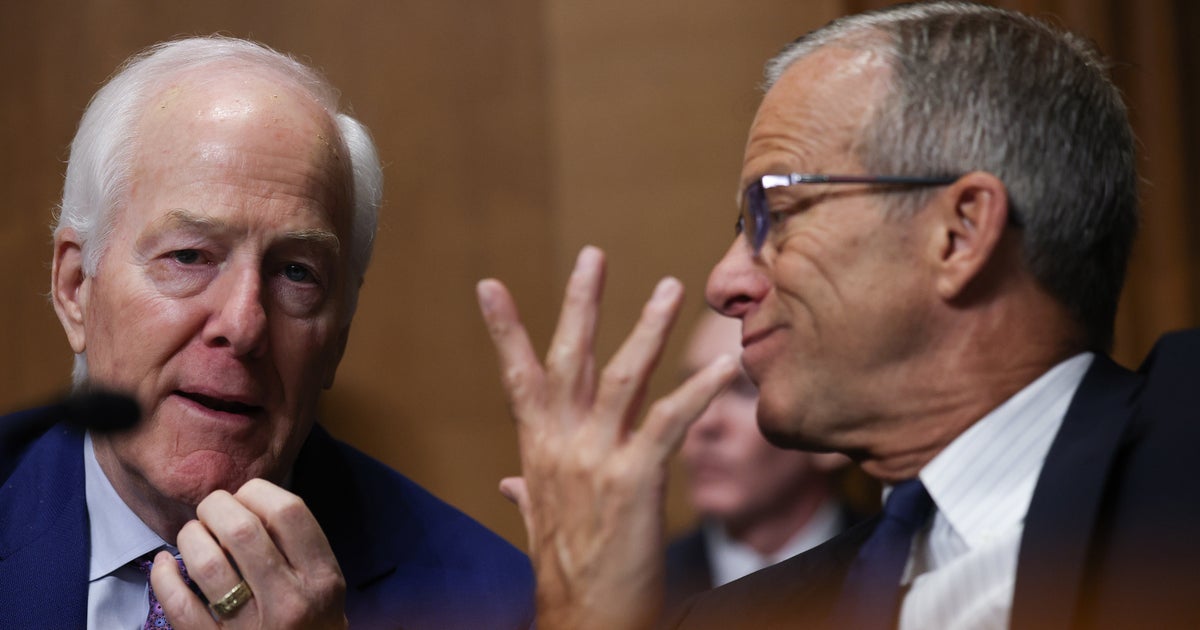
Sunday’s announcement reflected a new deal with Sen. John Cornyn (R-Texas), who said he would prevent Blanche’s nomination from getting through the Senate Judiciary Committee unless Blanche altered the faux settlement in writing. It now appears the committee could approve Blanche on Tuesday after a previous vote had been postponed. Cornyn and Sen. Thom Tillis (R-N.C.), another Blanche skeptic on the judiciary committee, signaled Monday they would support his confirmation.

“My team and I have met with committee members and Senators over the past several weeks and addressed any concerns or outstanding questions,” Blanche said on social media. “We have enjoyed good faith discussions, and as a result issue the following order and update with regard to the May IRS settlement.”

One new order, signed by Blanche, says the earlier order creating the Anti-Weaponization Fund “is rescinded and shall have no force or effect.” But the other new order merely clarifies the earlier directive saying the government is “FOREVER BARRED” from continuing any ongoing tax enforcement against Trump. The clarification is that the order applies only to the “named parties in the lawsuit,” meaning Trump, his sons and the Trump Organization. The document also states Trump is immune only from ongoing audits of past tax returns, not future ones, though that had been obvious from the start.

Cornyn had said the original order was badly written and could be interpreted as applying to Trump affiliates who weren’t parties to his lawsuit and that it could shield Trump from adversary action by government agencies other than the IRS. Cornyn also complained that the text of the Anti-Weaponization Fund settlement stated it could only be modified by an agreement of the parties to Trump’s lawsuit, though no such agreement appears to have been struck.

In a joint statement, Cornyn and Tillis said they would support Blanche going forward. If the judiciary committee advances the nomination on Tuesday, the full Senate could vote to confirm Blanche as soon as this week. It’s not clear if any other Republican senators might oppose the nomination.

“We are pleased that the Department of Justice has issued a formal order terminating the anti-weaponization fund,” the two senators said. “Additionally, the Department has acknowledged in a binding written order that the audit settlement is limited to the plaintiffs and the scope does not extend beyond the defendants in the lawsuit, the IRS and the Treasury, addressing concerns that multiple of our Republican colleagues share.”

Trump sued the IRS in January for $10 billion over a leak of his tax information during his first term. Other victims of the same leaker, who worked for the IRS as an independent contractor, have also sued, but have been rebuffed in courts amid opposition from the IRS ― unlike in Trump’s case.

Blanche announced the settlement in May before a judge could throw out the case because Trump was on both sides of the lawsuit. The judge last month called the case “an attempt to use the Court to provide some legitimacy to an agreement to confer immunity to people and entities affiliated with the President” and referred Justice Department lawyers for sanctions.

Trump could have owed the IRS as much as $100 million in back taxes from an audit that had been ongoing for years.

By entering your email and clicking Sign Up, you're agreeing to let us send you customized marketing messages about us and our advertising partners. You are also agreeing to our Terms of Service and Privacy Policy.
Comments
You must be logged in to comment.