bbc Press
Are the 'luteal uglies' a real thing?
Images
1 / 20
2 / 20

3 / 20
4 / 20
5 / 20
6 / 20

7 / 20

8 / 20

9 / 20

10 / 20
11 / 20

12 / 20

13 / 20

14 / 20
15 / 20

16 / 20

17 / 20

18 / 20

19 / 20

20 / 20
"Is it just me or am I the ugliest person alive?" a woman in her early 30s asks the camera on TikTok, accompanied by the caption "POV: Girls in their luteal phase."

The video has 2.4 million views and hundreds of comments.

"This is literally me," one woman writes. "I'm angry at how accurate this is," another says.

There are thousands of videos like this one on social media, lamenting the "luteal uglies" - the changes in appearance and mood that women say appear during the luteal phase of their menstrual cycle.

During this phase, which occurs in the second half of a woman's cycle and ends when she gets her period, women experience a huge drop in oestrogen. So are the "luteal uglies" a real thing?

According to Dr Louise Newson, a GP and women's hormones specialist, this change in hormone levels means women can experience a shift in their appearance, sleep and mood during this time.

"Our hormones affect our skin, they affect our collagen, so a lot of people find their skin becomes drier, their complexion not so bright, they might have acne and spots," Newson explains. "They might get bloating and breasts can change shape."

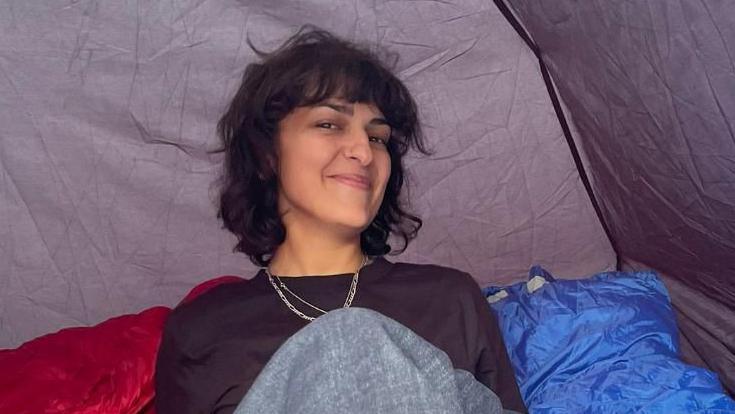
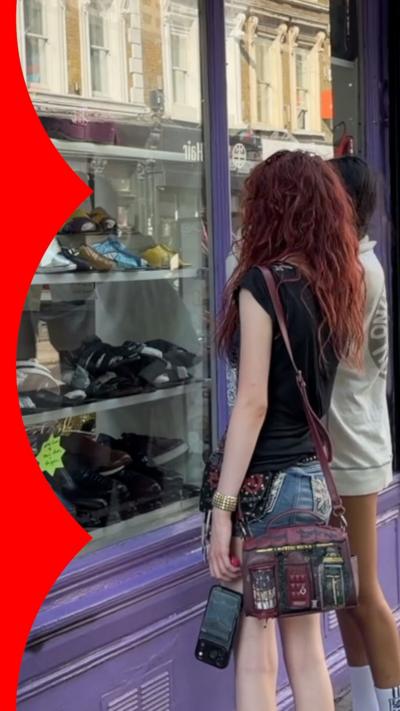
Elena, 25, says her mood can be "all over the place" during the luteal phase of her cycle

Elena Spaven, 25, can relate to the TikTok videos and says she feels "extremely bloated" during the second half of her cycle.

"My skin feels dull and textured and just looks more tired in general, and my chest feels heavier and sore."

That's because when your oestrogen falls in the days before your period, progesterone rises, ramping up oil production in your skin, explains Dr Helen O'Neill, an associate professor in reproductive and molecular genetics at University College London.

During this hormonal shift, your body holds on to more fluids, meaning you may end up with a puffier face, general bloating and tender, swollen breasts.

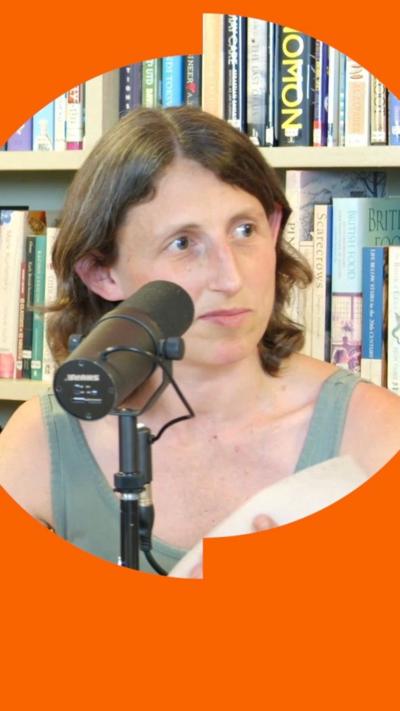
Dr Helen O'Neill says more education on women's cycles is vital

Elena, who works in hospitality and as an actress in London, says she feels lethargic and "completely unmotivated" during her luteal phase.

"I feel like my brain is working in slow motion, I tend to become clumsy and way more forgetful," she says. "I don't want to socialise as much and I feel low."

Newson says that while women are starting to talk more about the impact of their cycles, many still do not know what to do about it.

"These women are genuinely suffering and it's affecting their ability to work, function, socialise and just exist," she says.

The response to women's concerns can also be frustrating, she adds.

"Would you say to a man 'Oh your testosterone is down, just don't go to the gym, have a duvet day?' It's unacceptable that women have to put up with it."

Your relationships may also change during the luteal phase, Newson says - which is something freelance journalist Henrietta experiences.

"If I find myself wanting to get irritated with my wonderful, hilarious, chilled out partner there's an extremely high chance I haven't had my coffee, haven't eaten or that I am in my luteal phase," said the 30-year-old.

It also affects her friendships. "With my friends, I tend to either overshare and regret it, or isolate myself from them and regret it."

Henrietta, 30, says she feels relieved when her period comes and the luteal phase ends

Henrietta can experience a sense of "despair and distress" during her luteal phase, including feeling as though she is useless or having "intense flashbacks to embarrassing or upsetting experiences".

Her symptoms, which include blurry vision, struggling to recall "basic words" in conversation and feeling unfocused, can be embarrassing to deal with at work, she says.

She wishes there was more awareness of the issue. "There are still widespread misconceptions surrounding how and why hormones impact women's health and wellbeing."

When her period arrives, she feels relief.

Newson says that the luteal phase is not something women can just "snap out of", and that women can often be wrongly made to feel that their symptoms are normal, or that they are overly emotional.

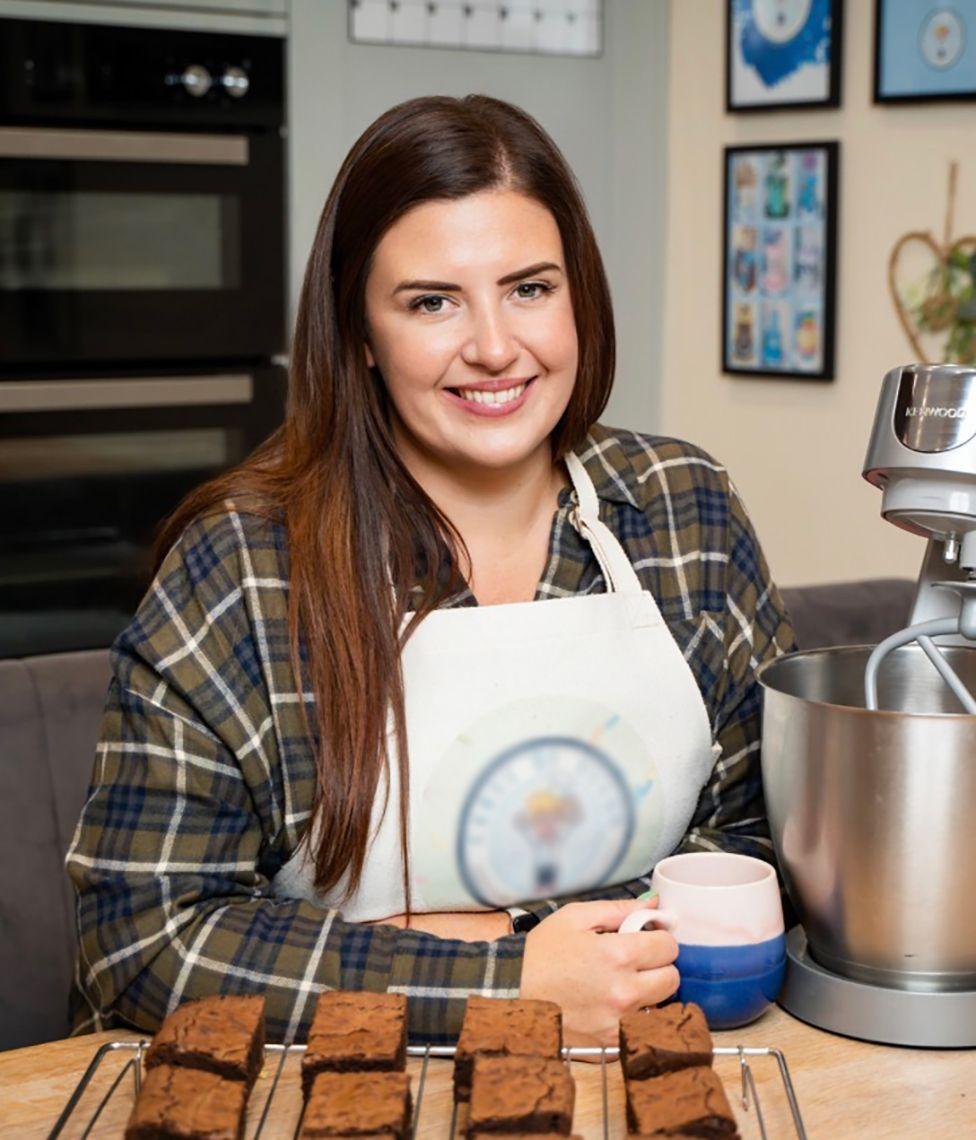
Charlotte, 36, says the luteal phase symptoms affect her confidence

People can dismiss these symptoms as "just PMS", says 36-year-old business owner and mum-of-two Charlotte Dodds, whose symptoms include bloating, spots on her face and a lack of concentration.

These can be a "big knock" to her confidence, particularly when working with clients - she runs a business community called Baking Bosses which helps people build baking businesses from home.

"But when you're self-employed, like I am, your calendar can't just stop because your hormones are changing."

More education and discussion about menstrual cycles are needed, says Elena, who only learned about the luteal phase through social media at the age of 24.

O'Neill says there is "so little education that women receive about the fundamental aspects of how their bodies work".

So much so that many women have turned to TikTok for help.

In one video, which has 2.4 million views, a young woman asks: "Ladies, what do you do during your luteal phase to feel better?! I honestly can't cope any more."

There are thousands of comments, with one follower suggesting to "wear baggy clothes and avoid the mirror", and another saying "eat chocolate".

Another writes that the luteal phase makes her "avoid my husband", while someone else says they cope by watching television "with a bottle of wine".

But this advice may actually be detrimental - so what can help women cope with their luteal phase symptoms?

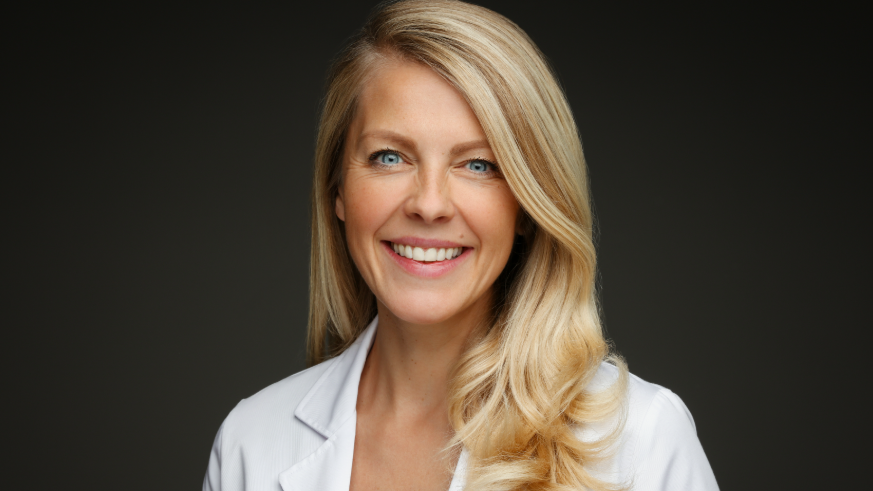
Understanding that it's a "predictable, temporary phase" is important, says O'Neill

Nutrition is key during the luteal phase, she adds - and staying hydrated can help reduce puffiness

Easing off salty foods, reducing alcohol intake, and keeping up movement can all help too

Steering clear of processed foods and alcohol will help you avoid increased inflammation, Newson explains

You should see a health professional if you are particularly struggling during the luteal phase, Newson adds, encouraging women to advocate for themselves

"If people don't get what they think is acceptable in the first, second, third, appointment they should go and see someone else. These symptoms don't usually go on their own," she says.

How my period is supercharging my ADHD

Living with PMDD is like having the Grim Reaper visit every month
Comments
You must be logged in to comment.