huffpost Press
Oops! State Dept. Mislabels Every Country On A Map Of Africa At Global Conference
Images
1 / 8

2 / 8
3 / 8
4 / 8
5 / 8
6 / 8
7 / 8

8 / 8
U.S. diplomacy is a little lost. Quite literally.

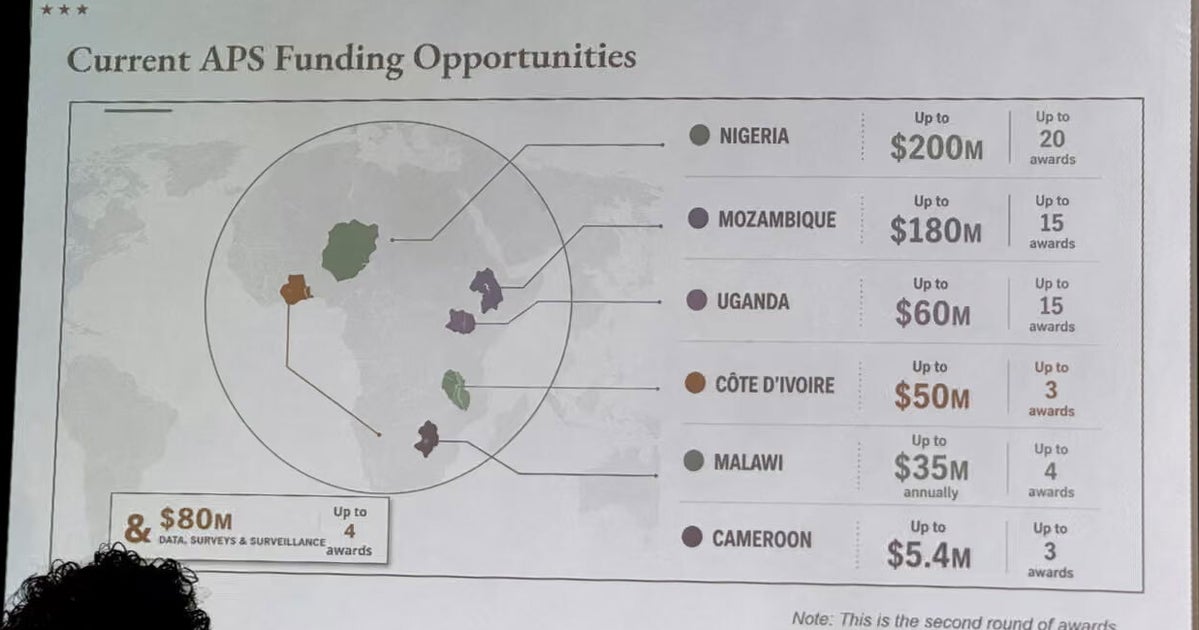
In a presentation this week, a U.S. State Department official used a graphic featuring a wildly inaccurate map of Africa, including mislabeled countries, with high-level African officials in the audience.

The cartographic catastrophe occurred during a pre-conference ahead of the AIDS 2026 conference in Rio de Janeiro this week and was described in detail by Emily Bass, an expert consultant for Physicians for Human Rights, who saw it firsthand.

Bass ran through the litany of errors in a post on “To End A Plague ... Again,” her Substack about the Trump administration’s global health agenda:

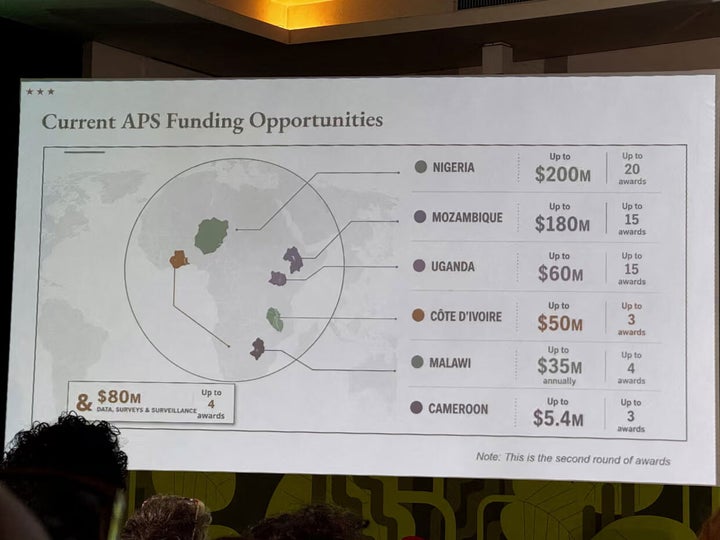
The map mis-identified the locations of Cote d’Ivoire, Mozambique, Nigeria by enormous margins—making Nigeria landlocked, Mozambique an east African nation and Cote d’Ivoire a southern African state. The map put Uganda and Malawi in the right vicinity, but with the wrong borders. And it nope’d out altogether for Cameroon, which doesn’t have a line connecting the name to a country at all. (There is also a country without a name. Alas, they are not a match.)

Without further ado, the map:

The State Department told HuffPost in a statement it took “full responsibility for the confusion and misrepresentation, including our African partners.”

A spokesperson blamed the error on a team member “who hastily altered the slide deck immediately before the presentation.”

But an analysis by Reuters suggests other contributing factors, as the map appears to have been produced using tools made by OpenAI.

Bass, meanwhile, took a slightly more conciliatory tone while lambasting the broader state of U.S. diplomacy.

“Everyone makes mistakes,” Bass told HuffPost, “but the mislabeled map is symbolic of the very real and dangerous ways that the current leadership of the Bureau of Global Health Security and Diplomacy is rewriting history and ignoring evidence about the realities of the HIV response in Africa since the U.S. foreign aid transition began.”

By entering your email and clicking Sign Up, you're agreeing to let us send you customized marketing messages about us and our advertising partners. You are also agreeing to our Terms of Service and Privacy Policy.
Comments
You must be logged in to comment.