yahoo Press
How US unauthorized immigrant population reached ‘new peak’ of 15.8M
Images
1 / 6

2 / 6

3 / 6
4 / 6

5 / 6

6 / 6
(NewsNation) — The number of unauthorized immigrants living in the United States reached a new peak in 2024 when a total of 15.8 million migrants had crossed the country's borders following years of steadiness, according to a newly released report.

The Migration Policy Institute announced its findings Wednesday, reporting the record-high number of unauthorized immigrants living in the U.S. surged after years of hovering around 11 million.

The Trump administration has continually blamed former President Joe Biden's immigration policies for a spike in illegal border crossings and migrant newcomers. However, the surge came from several other factors and did not snowball as quickly as the Department of Homeland Security and other federal agencies often portray, Julia Gelatt, the associate director of MPI's U.S. program, told NewsNation.

 Kids have no lawyers in immigration court, even as feds spend millions

Gelatt acknowledges that the reports of the rate of immigrant population growth were "all over the place", depending on the source. But with the new report based on government data, she hopes it will bring some clarity in a time when political rhetoric and grandstanding are common.

"There was really fast growth in our unauthorized immigrant population, but it wasn't as big as some people were claiming," Gelatt said Thursday. "Whether people see that as good, bad or neutral is a little bit out of our control, but I hope (the study) brings some firm data to policy conversations."

The 15.8 million unauthorized immigrants living in the U.S. by 2024 include those covered by Temporary Protective Status and those who arrived in the country through other legal channels such as humanitarian parole, Gelatt said.

The MPI study found around 40% of immigrants living in the U.S. are or were covered by some Temporary Protective Status or other humanitarian protections.

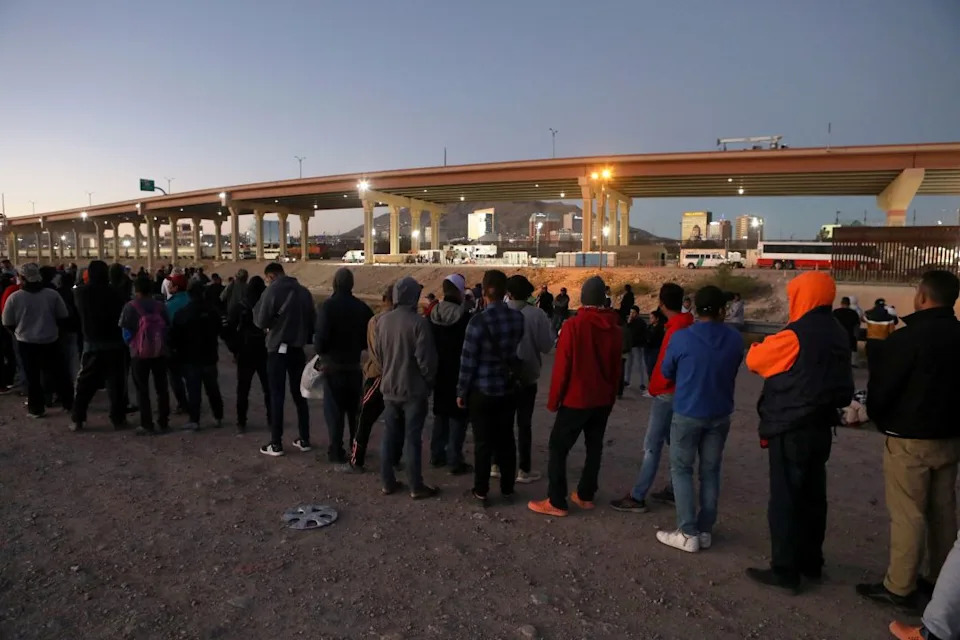
Venezuelan migrants stand in front of the US Border Patrol operations post across the Rio Grande River in Ciudad Juarez, state of Chihuahua, Mexico, on October 25, 2022. (Photo by HERIKA MARTINEZ / AFP) (Photo by HERIKA MARTINEZ/AFP via Getty Images)

To reach its findings, MPI — an independent, nonpartisan think tank — analyzed data from various federal agencies and the U.S. Census, and collaborated with Jennifer Van Hook, a leading demographer at Pennsylvania State University. Researchers also weighed information from other studies to reach more definitive conclusions.

 Asylum rule changes could lead to quick, wrongful removals, advocates warn

The unauthorized immigrant population grew by about 5 million between 2019 and 2024, with an annual growth rate of about 8%, the study showed. The biggest surge came between 2022 and 2023, when about 1.6 million unauthorized migrants crossed the border before that increase slowed to 1.1 million the following year.

Several factors, including the end of the COVID-19 pandemic and surges in the U.S. economy and political upheaval in South and Central America, all added to a significant increase in migrants entering the country.

Central America (2.25 million) and South America (1.2 million) provided the largest influx of immigrants into the United States over the five years, MPI indicates, with Honduras (843,000) and Guatemala (827,000) sending the most immigrants to the U.S.

The shift comes 14 years after Mexico represented the largest influx of migration into the United States but dropped to just 266,000 between 2019 and 2024.

Other realities, including growing political and economic upheaval in countries like Venezuela and Cuba, gang violence, natural disasters and the overthrowing of the government in Haiti, led to surges in migration to the U.S. Biden's immigration policies, however, played a key role in the migrant population surge.

"I think he was just perceived as being friendlier to immigrants," Gelatt told NewsNation, adding that the Biden administration did not want to put families into ICE detention centers or separate parents from their children once they reached the border.

"It felt like people could come and stay and I think word got out that this was a good time to come to the United States."

President Donald Trump's crackdown on illegal immigration has led to significant changes. In addition to essentially closing the U.S.-Mexico border, the Department of Homeland Security and other related agencies have ended TPS for a host of countries, including Syria and Haiti this week.

ICE officers are reportedly prepared to surge into communities in several states boasting large Haitian populations amid a push for federal immigration agents and officers to make more arrests and continue the administration's mass deporation mission.

ICE has ramped up its efforts amid pressure from the White House to increase the number of migrants being taken into federal custody. The agency made a record number of arrests in June when 43,000 migrants were detained in ICE facilities alone.

 Deadly Texas smuggling operation left victims gasping for air: Feds

How long that will take to diminish the now more than 15 million unauthorized immigrants living in the United States, however, remains uncertain. Gelatt expects to see a stagnation and eventual slow decline in immigrant population between the massive drops in illegal border crossings and the greater focus on removing immigrants without legal status from the country.

DHS officials said this week that protective status for immigrants was never meant to be permanent and that TPS has "been allowed to function as a de facto amnesty program." Trump administration officials have promised free plane tickets and $2,600 checks for those willing to leave voluntarily, which could eventually lead to a drop in immigrant population, Gelatt said.

But that drop could take time, as a share of immigrants maintain legal status through work or student visas, or remain authorized to remain in the country as they await immigration court hearings. Gelatt said the uncertainty that many migrants living in the U.S. experience is among the reasons for needed reform in immigration policies, which could shape future growth.

"If we could get timely and fair decisions to people, I think that would send messages back to the sending countries …of who can and cannot come to the United States," Gelatt said.

Jeff Arnold is a national immigration enterprise reporter for NewsNation Digital, covering immigration-related issues from the border to cities across the country. Send him story ideas at tips.newsnationdigital@gmail.com.

Copyright 2026 Nexstar Media, Inc. All rights reserved. This material may not be published, broadcast, rewritten, or redistributed.

 For the latest news, weather, sports, and streaming video, head to NewsNation.
Comments
You must be logged in to comment.