yahoo Press
Author wins $6,200 from Anthropic for stealing his books — but years of fighting have made him 'much poorer'
Images
1 / 4
2 / 4

3 / 4

4 / 4
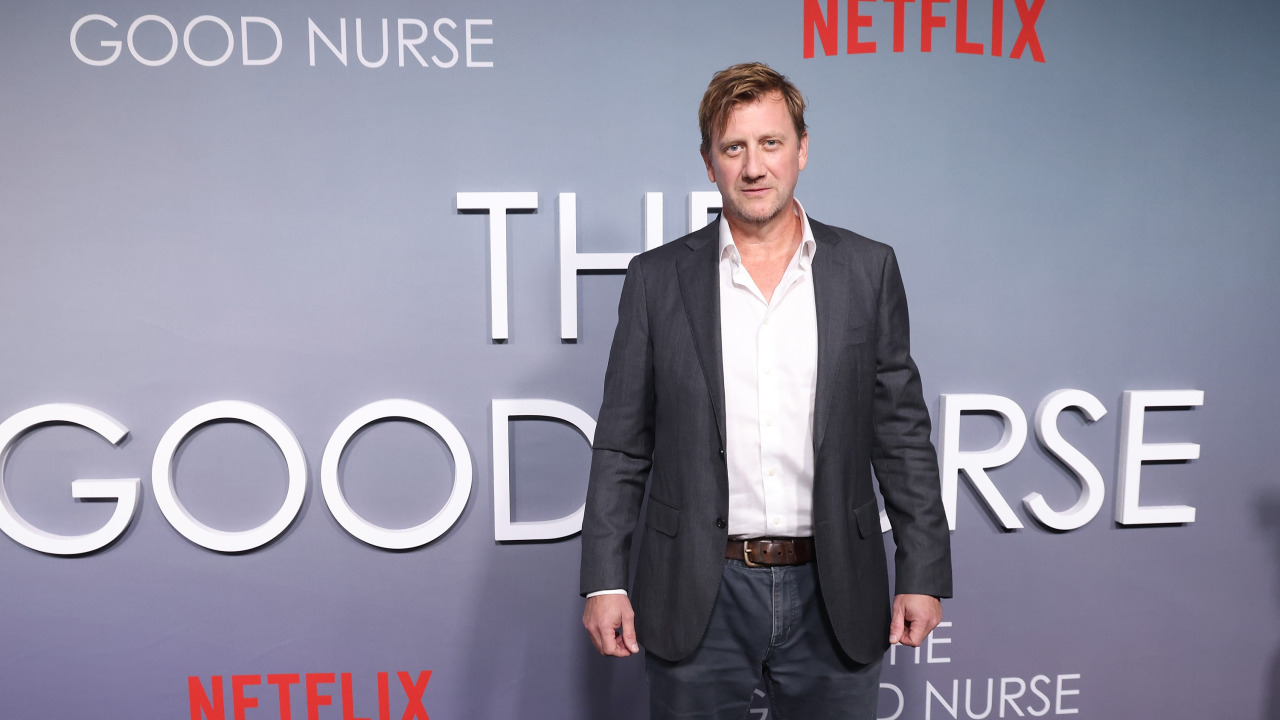
Charles Graeber knows that what he and a group of other authors accomplished was epic.

Together, they took on AI giant Anthropic in a class-action lawsuit that resulted in one of the largest copyright infringement settlements of all time. But he's still not ready to claim victory.

Jeff Bezos backs a platform that lets anyone invest in rental homes for as little as $100 — 6 ways to build wealth like a landlord without actually being one

Dave Ramsey warns nearly 50% of Americans are making 1 big Social Security mistake — here's what it is and 3 simple steps to fix it ASAP

The tax breaks in Trump's 'big beautiful bill' expire after 2028 — and experts say most people won't act in time. What to do before the window closes

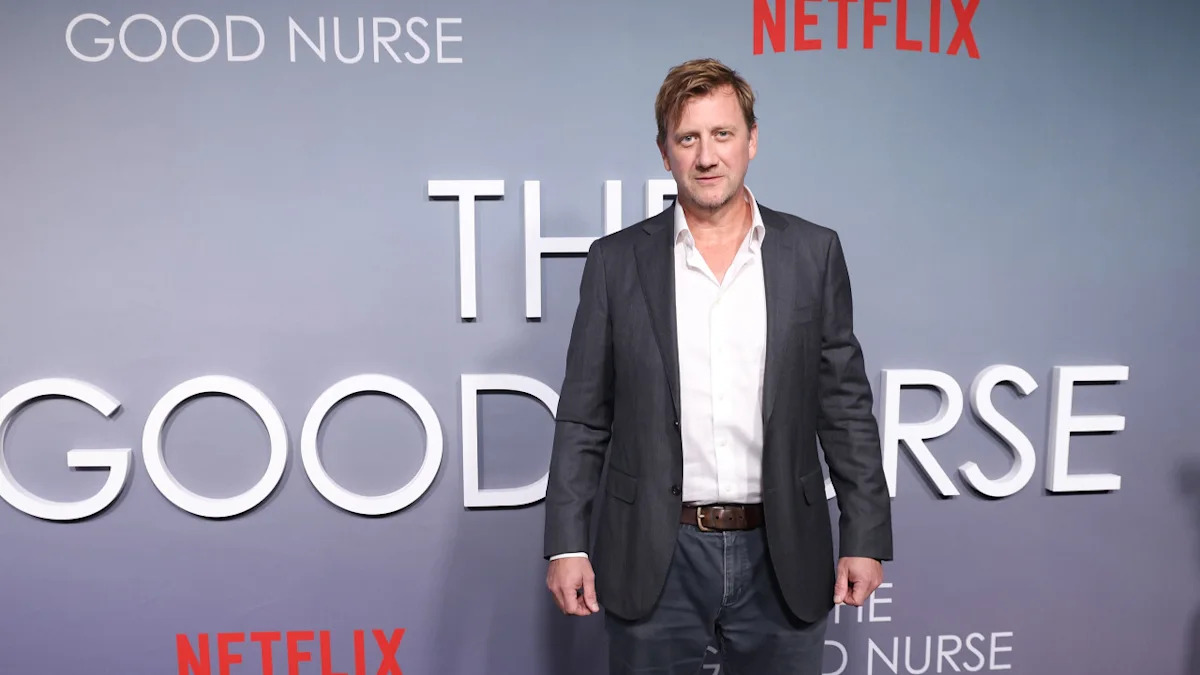
The author of the bestselling true crime book The Good Nurse — along with fellow writers Andrea Bartz and Kirk Wallace Johnson — were among those whose lawsuit led Claude maker Anthropic to agree to a $1.5 billion settlement in July, roughly two years after the authors sued the company.

But the agreement was only a partial victory. On a personal level, Graeber said it came at a steep cost.

Lawyers will get a portion of the settlement while thousands of authors will split what's left.

Graeber said he'll receive $3,100 for each of the two books Anthropic used without authorization to train the large language model behind the Claude chatbot. In the end, though, that's not as much as it sounds.

"A lot of travel, a lot of discussion about what to do and how to proceed and a lot of jobs passed up," Graeber told NPR. "I'm much poorer for this settlement, ironically."

While the AI company agreed to pay a near-record amount, the case was hardly a win for authors.

The court ruled that Anthropic did not violate copyright law simply by training its AI models on copyrighted books. Instead, the company was held liable for using unauthorized copies of those works.

AI companies, including Anthropic, have argued that the fair use doctrine allows them to use copyrighted material without permission in certain circumstances. Authors have countered that fair use doesn't apply because AI systems are trained on their work to generate new writing that could compete with the originals.

A machine that can produce a book in minutes or hours has an inherent advantage over human authors, they argue. Graeber, for example, spent a decade researching and writing The Good Nurse, which Netflix has since adapted into a film.

"I felt very small," he told People in 2025. "I'm one person and this is a huge tech company that didn't feel the need to even notify me that they wanted or were using several books."

Read More: Forget Florida — this is why these two unexpected states are the new retirement hot spots

The legal dispute with Anthropic, which has confidentially filed with the SEC for an initial public offering later this year, may be over for now. But Graeber, Bartz and Johnson say they'll continue advocating for authors as AI technology evolves.

Their focus has shifted to talking with fellow authors and publishers about what the lawsuit means while helping the public better understand its implications.

"The genie's out of the bottle with AI. None of us are trying to put it back in," Graeber said. "But creators should be treated as partners, as co-creators, an essential part of what comes next, as opposed to mined as free raw material and then thrown away."

Millionaires under 43 hold only 25% of their wealth in stocks. Here's where their money is actually going

Here are the 7 top habits of 'quietly wealthy' Americans. How many do you follow?

Is your cash earning enough? This fund has paid up to 8.4% in historical returns — that's 22x the average savings account interest rate

Here's the average income of Americans by age in 2026. Are you keeping up or falling behind?

Join 250,000+ readers and get Moneywise's best stories and exclusive interviews first — clear insights curated and delivered weekly. Subscribe now.

This article originally appeared on Moneywise.com under the title: Author wins $6,200 from Anthropic for stealing his books — but years of fighting have made him 'much poorer'

This article provides information only and should not be construed as advice. It is provided without warranty of any kind.
Comments
You must be logged in to comment.