yahoo Press
Is LA County prepared for the 'big one'? One official wants to know
Images
1 / 20

2 / 20

3 / 20
4 / 20
5 / 20
6 / 20
7 / 20
8 / 20
9 / 20
10 / 20
11 / 20
12 / 20
13 / 20
14 / 20
15 / 20
16 / 20

17 / 20
18 / 20
19 / 20
20 / 20
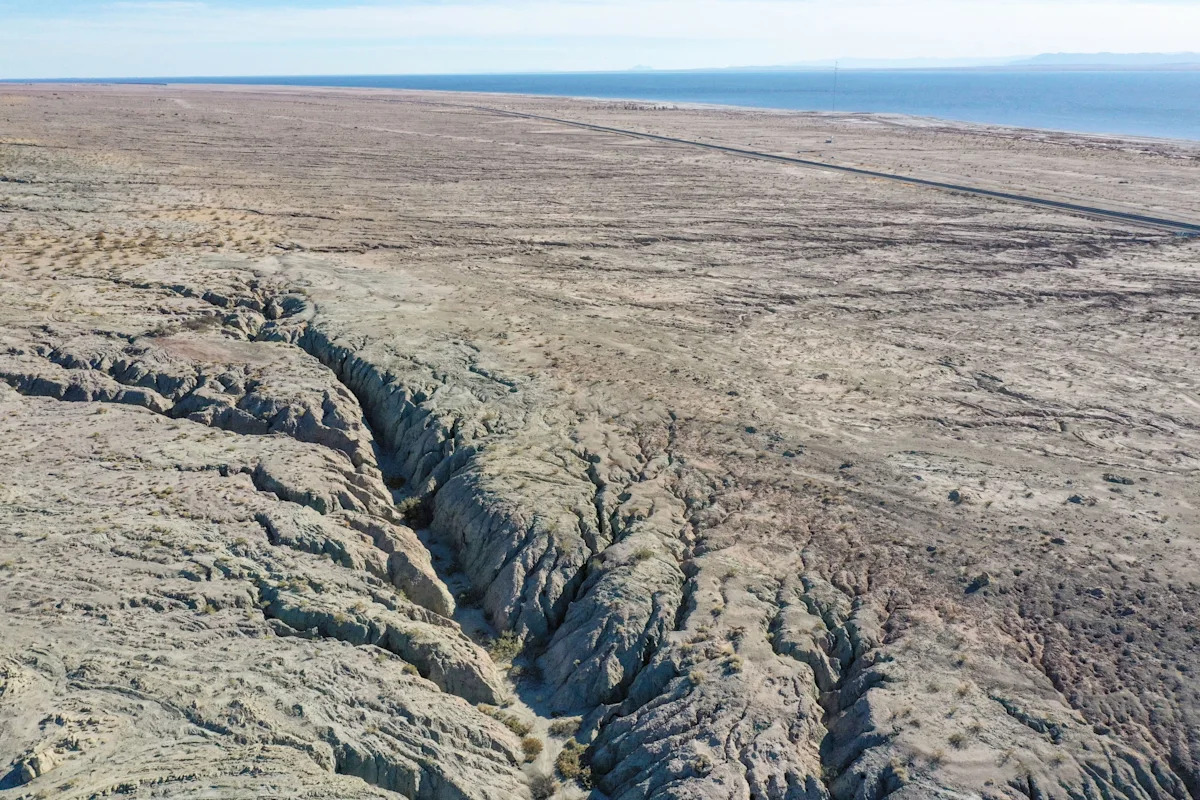
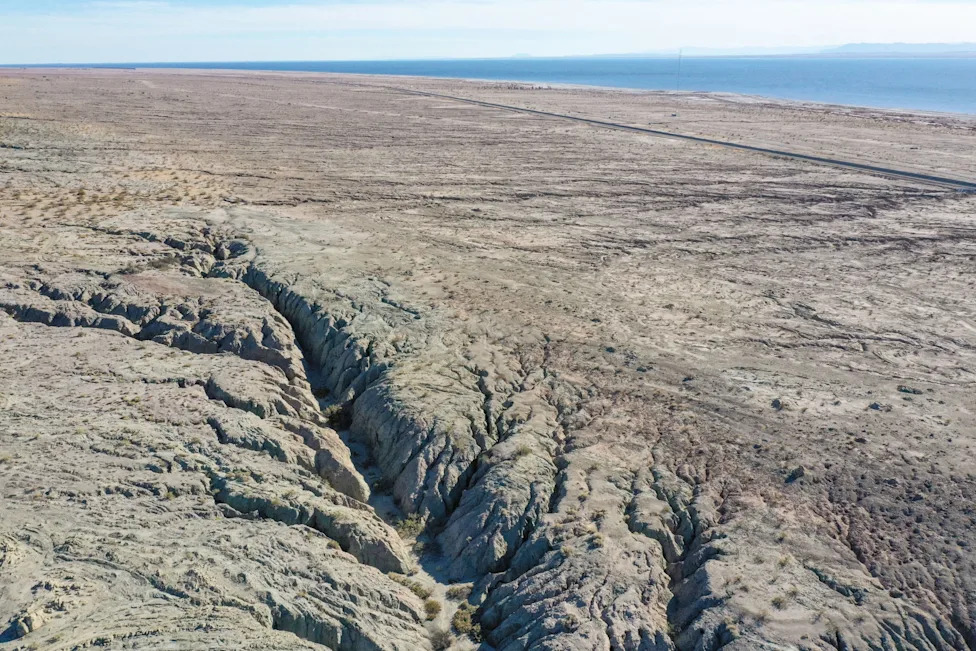
An elected official is calling for a comprehensive review of Los Angeles County's earthquake preparedness, acknowledging that while we can't predict the next major tremor, we know one will happen.

It comes after earthquakes left thousands of people dead in Venezuela in June, and more recently, an earthquake that killed reportedly over a dozen people in Japan.

Los Angeles County Supervisor Kathryn Barger introduced a motion tasking the Los Angeles County Office of Emergency Management to provide a presentation to the board that includes several elements, including "the current readiness of county staff and facilities" and "a plan for how the county will ensure continued service to residents and business" in the event of a major earthquake and while ensuring the safety of the community.

The presentation should include all county departments that have a role in emergency preparedness and response, including the fire department, the sheriff's department and public works, according to the motion. It also directs officials to tap renowned seismologist Lucy Jones and representatives from places like Caltech and UCLA.

"No one can predict when the next major earthquake will occur, but we know with certainty that one will happen," Barger said in a statement, adding that the county must engage the best scientific expertise available, like Jones so that they're preparing "before lives, homes, and critical infrastructure are impacted."

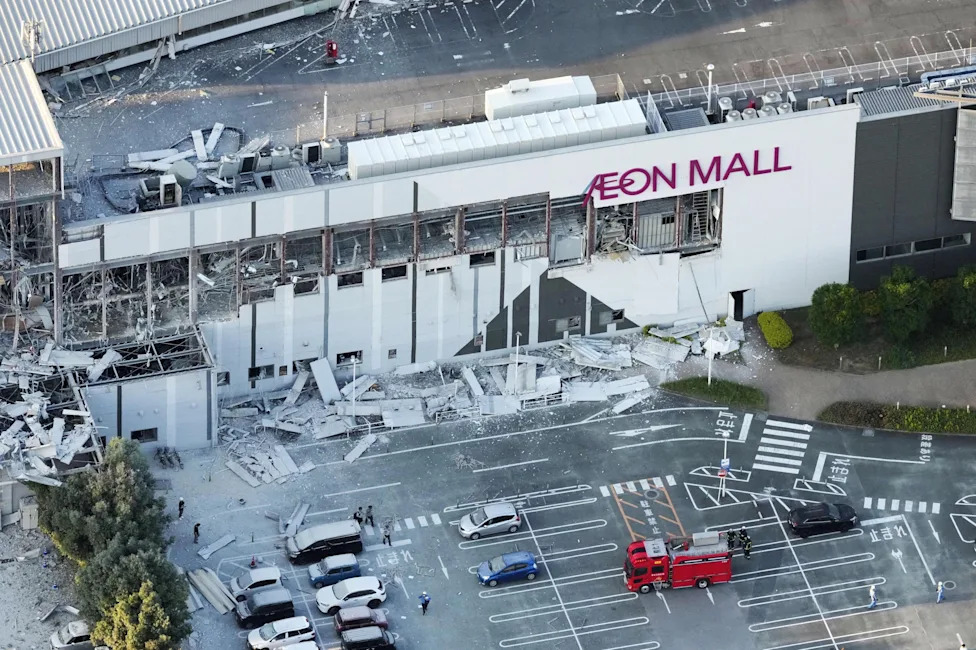
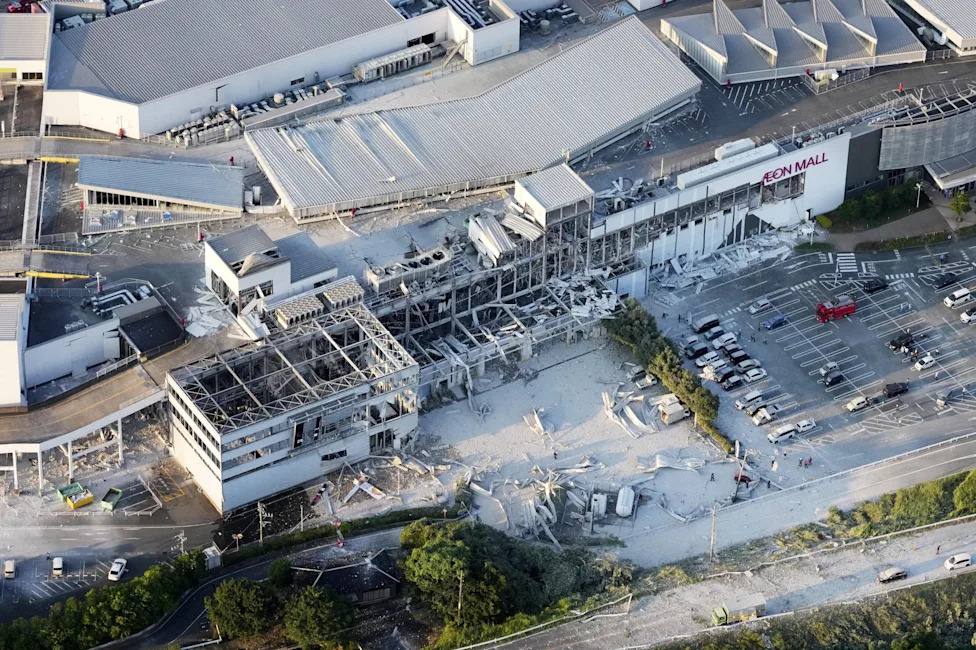
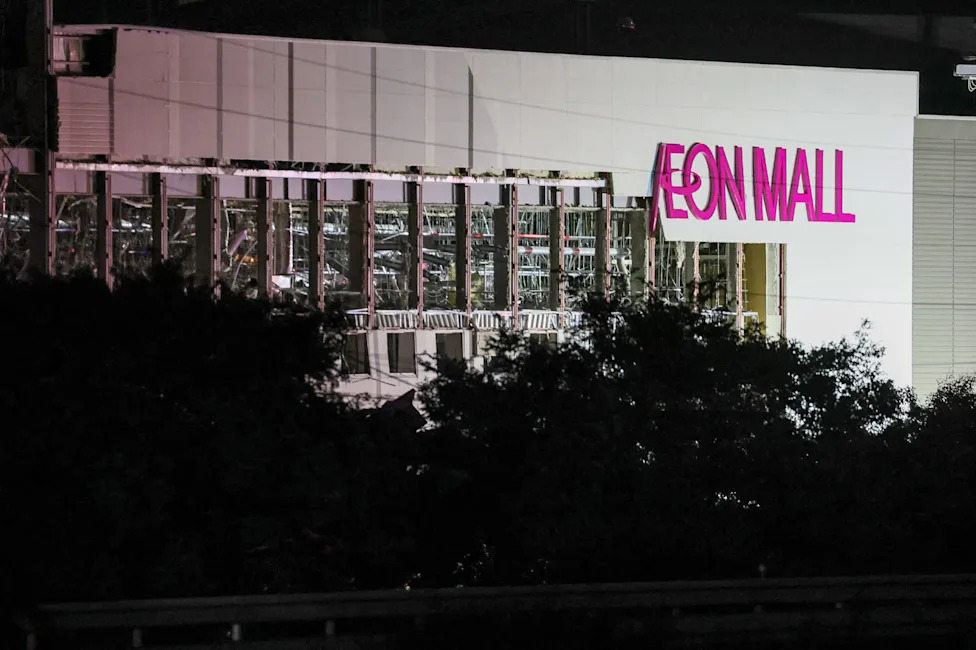
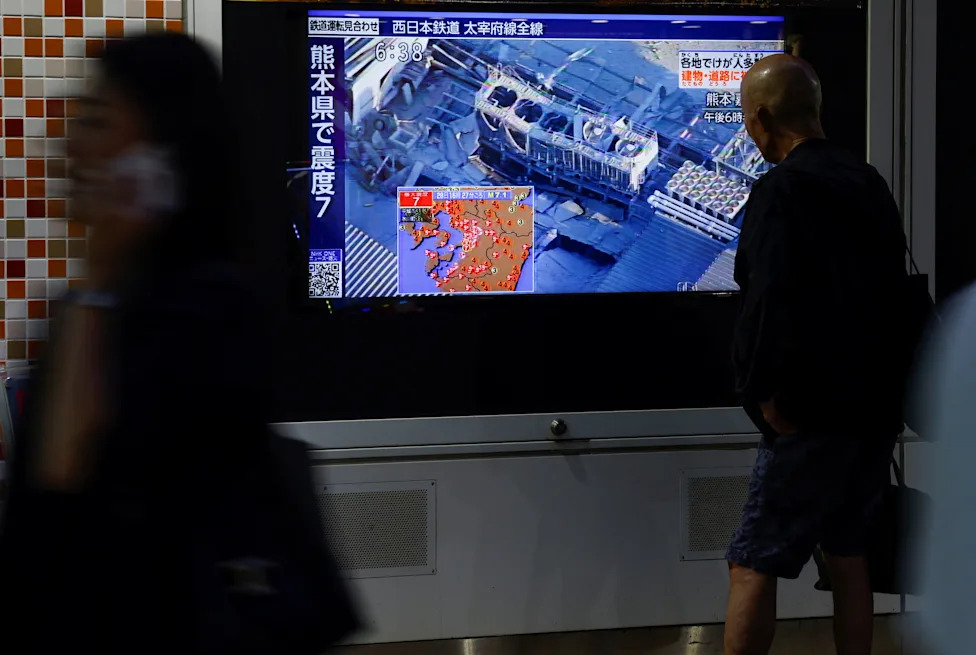
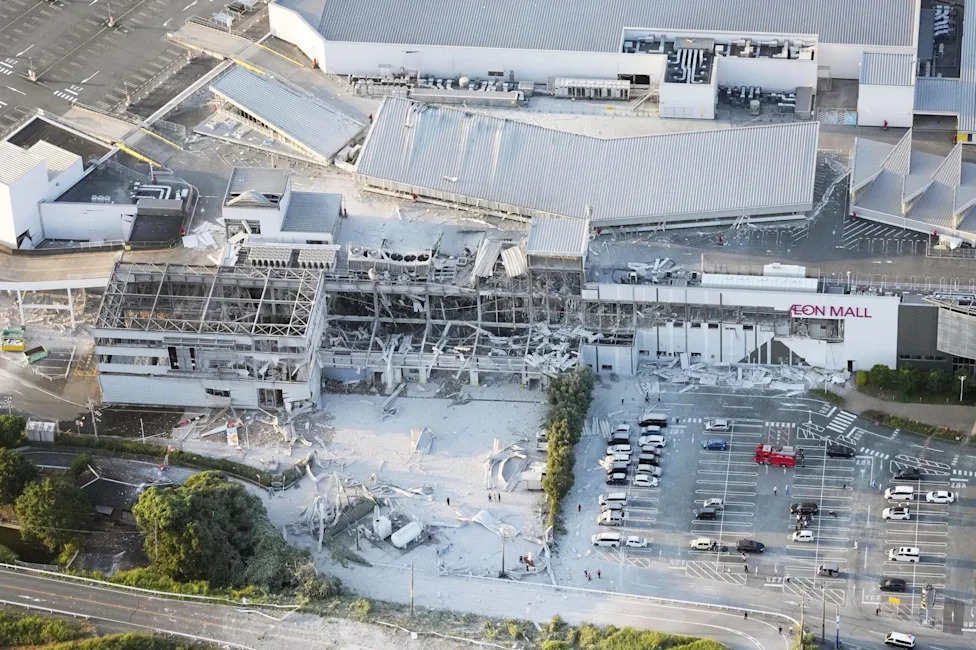
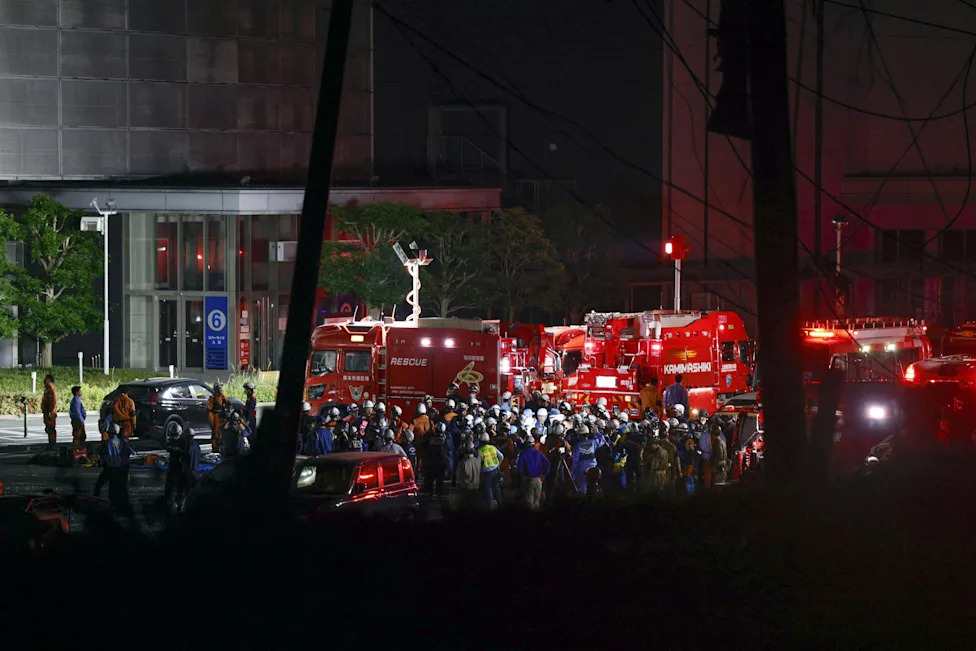
A major earthquake struck Japan on July 28, injuring at least 50 people, collapsing buildings and damaging roads, according to authorities and local news reports. The Japanese Meteorological Agency reported the magnitude at 7.1. People were trapped after an explosion, according to fire officials. Images from outside the Aeon mall in Kashima Town show a badly damaged building among debris.An aerial view shows the damaged Aeon Mall shopping centre, where, according to local media, an explosion occurred after an earthquake struck Japan's southern Kumamoto prefecture, in Kashima Town, Kumamoto Prefecture, Japan, on July 28, 2026.

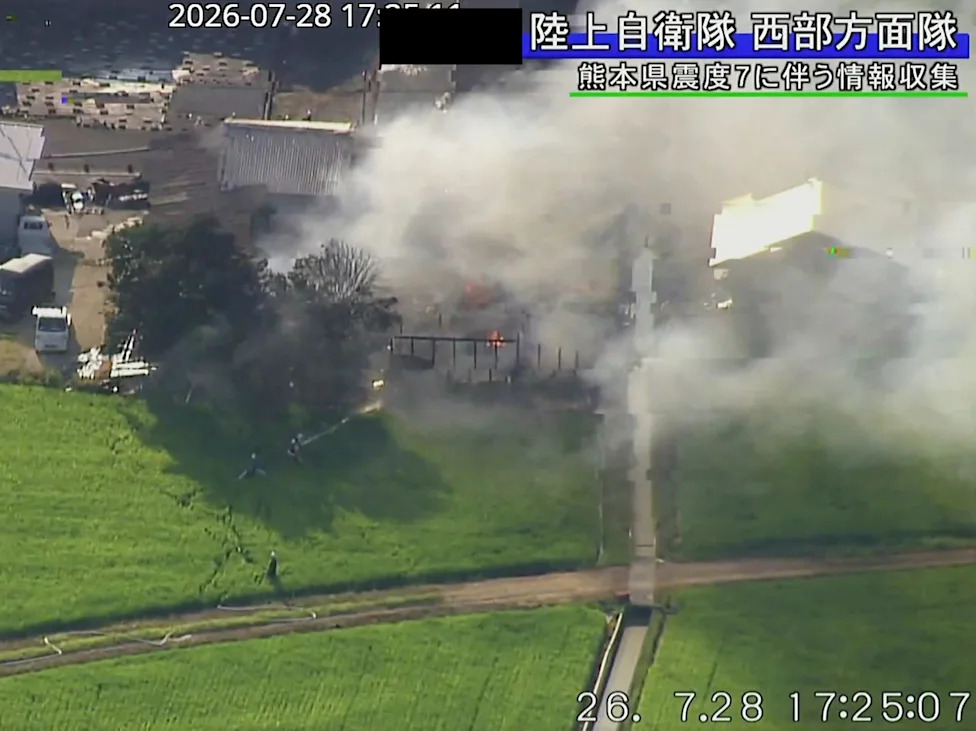
This screengrab handout from the Ministry of Defence provided by Japan's Jiji Press news agency on July 28, 2026, shows a building with smoke rising from it after an earthquake in Uki City, Kumamoto Prefecture. A major earthquake collapsed buildings and sparked fires in Japan's southwest, Prime Minister Sanae Takaichi said, with broadcaster NHK saying that at least 50 people were taken to hospital.

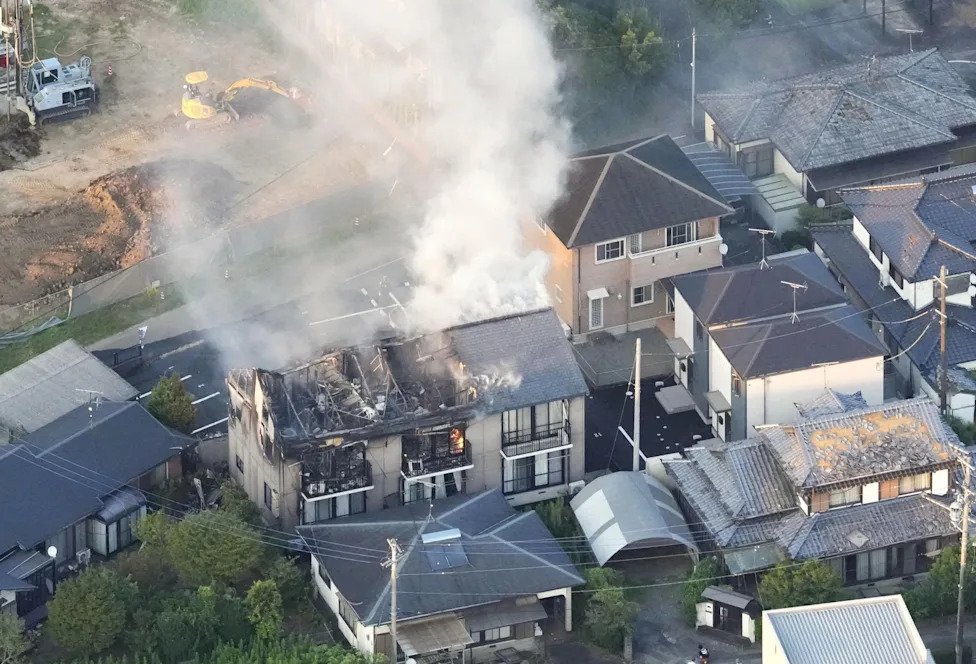
An aerial view shows a residential building on fire after an earthquake.  The quake hit at 4:27 p.m. local time about 3 miles east of the coastal city of Uto in the Kumamoto Prefecture.

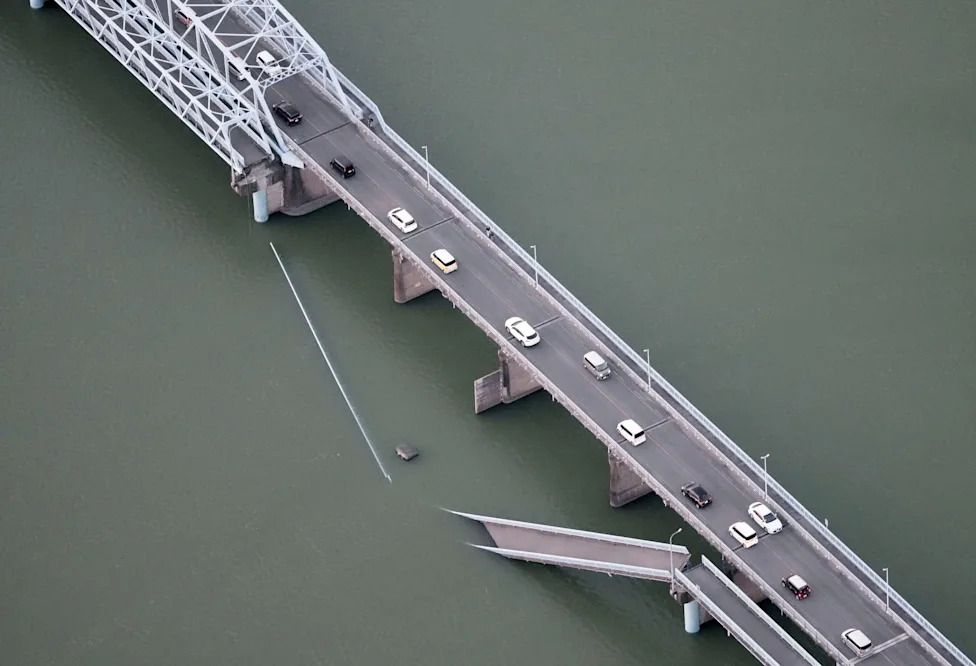
An aerial view shows a collapsed bridge due to an earthquake.

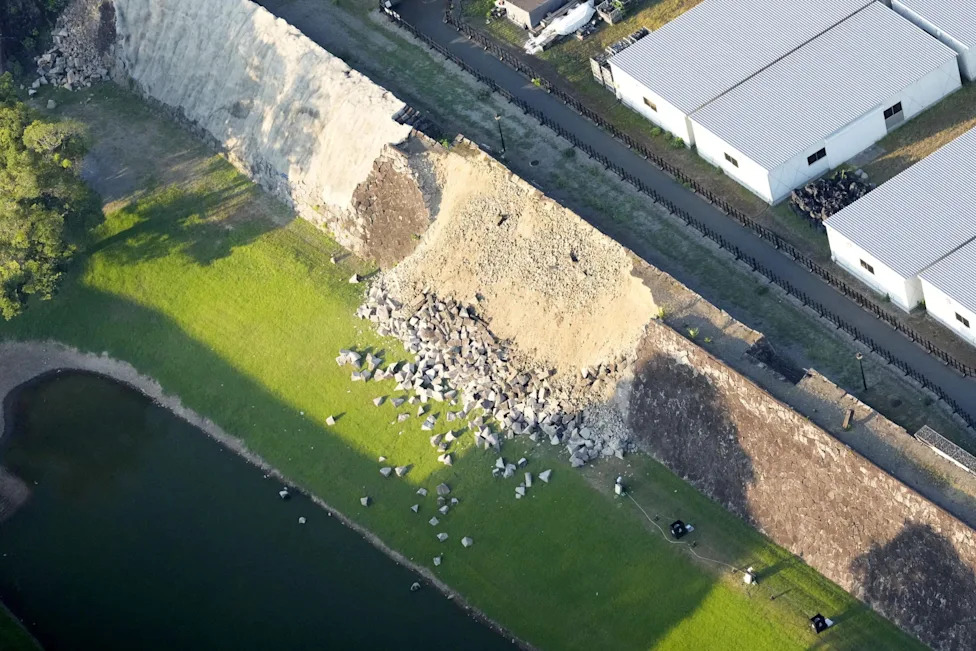
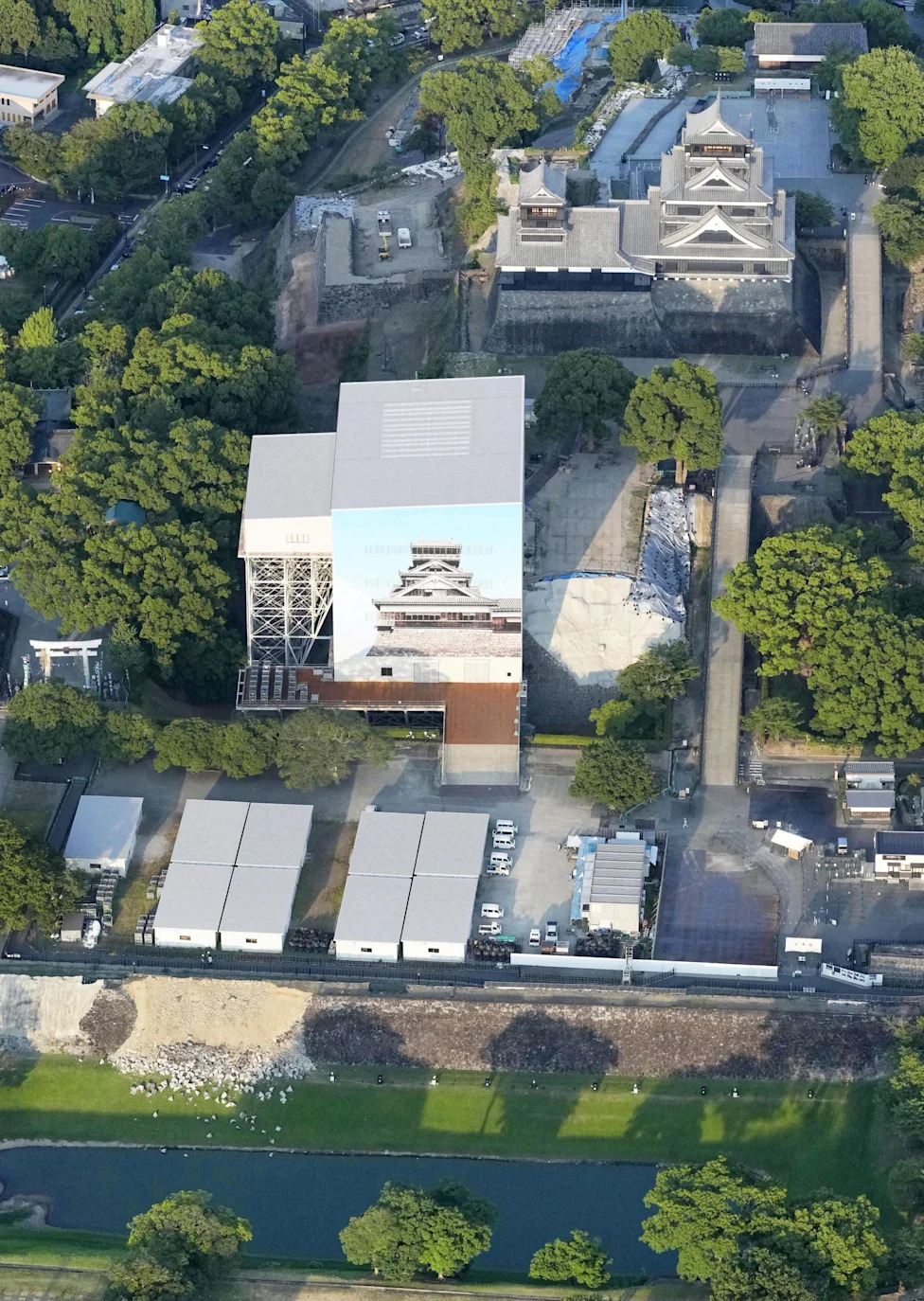
An aerial view shows a collapsed part of Kumamoto Castle's stone walls after an earthquake in Kumamoto, Japan, July 28, 2026.

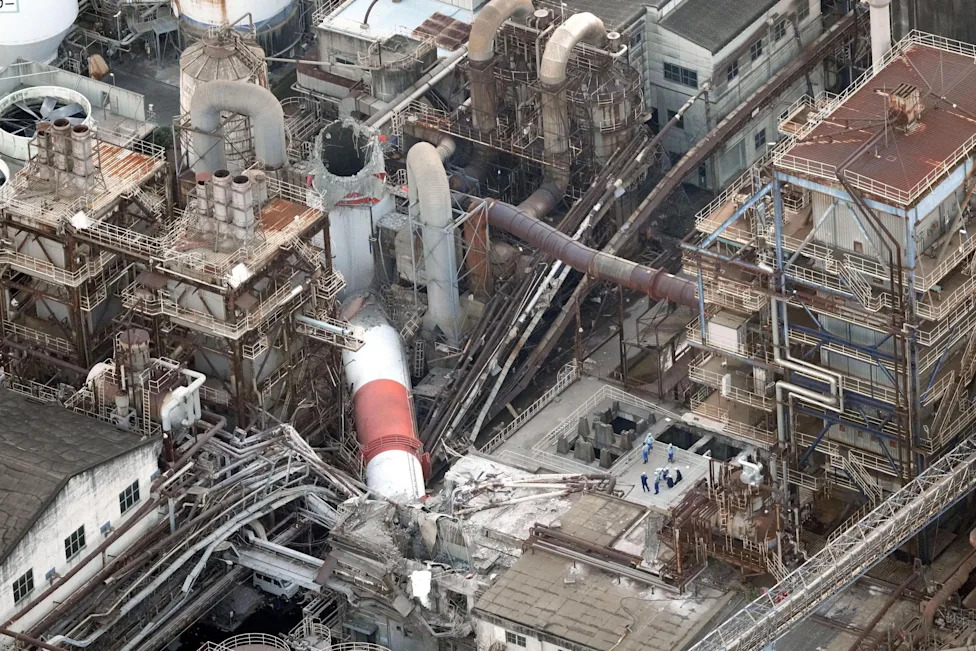
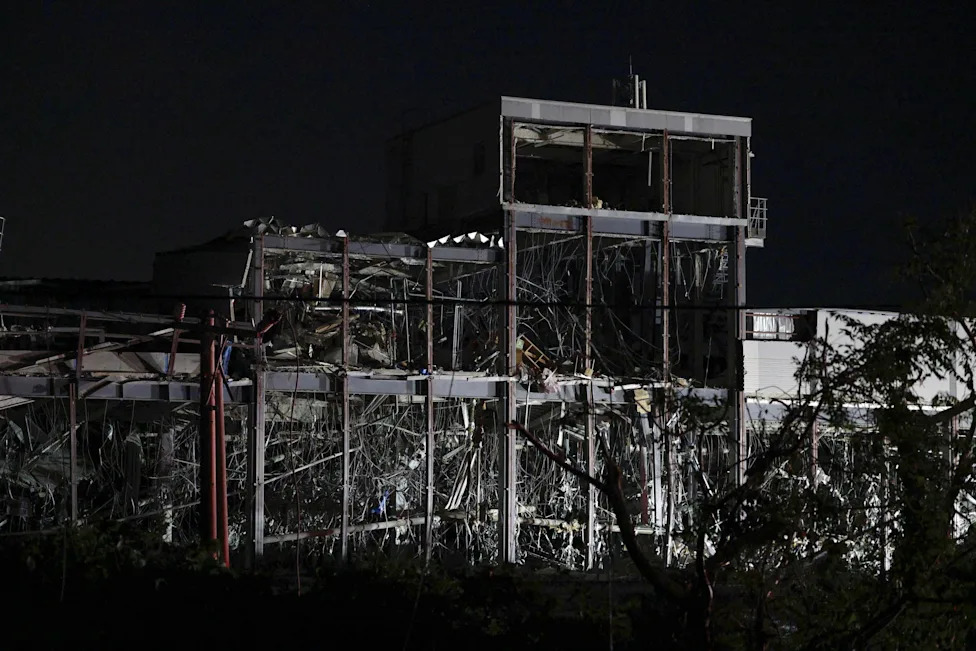
An aerial view shows a collapsed chimney at Nippon Paper Industries' Yatsushiro Mill after an earthquake.

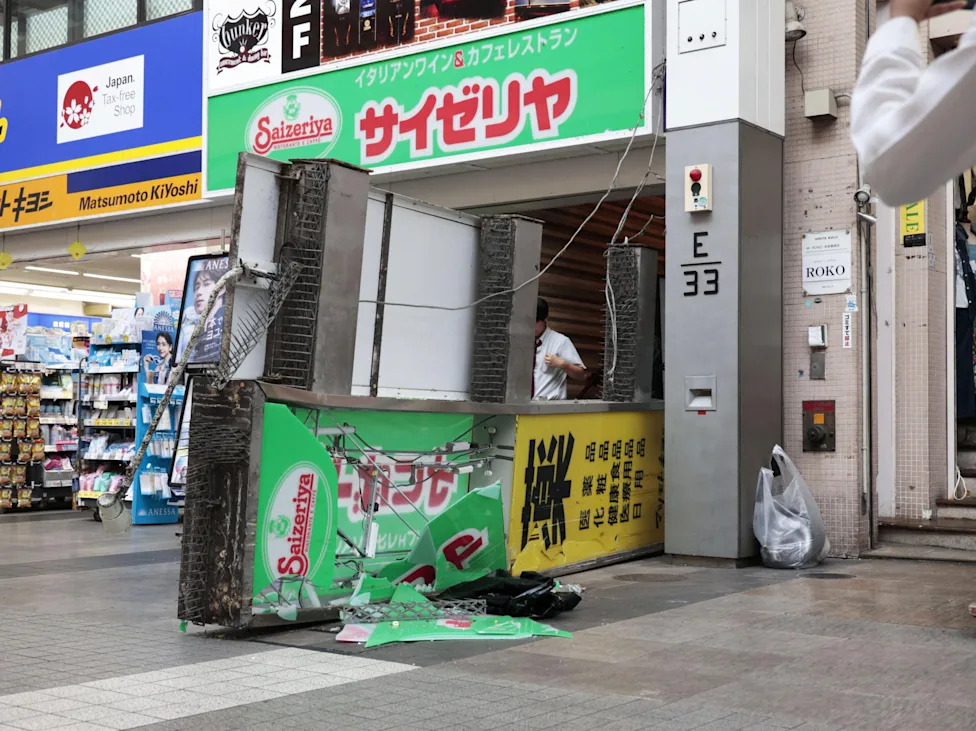
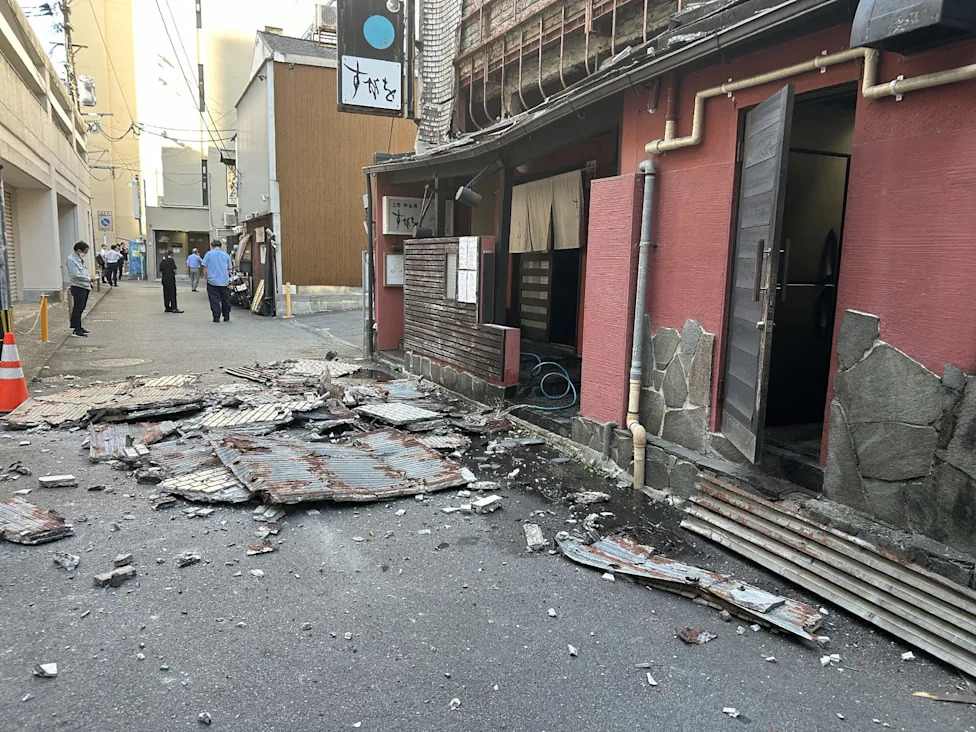
A damaged fallen signboard outside a Saizeriya restaurant in Kumamoto, July 28, 2026. In the initial aftermath of the earthquake, Japanese authorities issued a tsunami warning that was later lifted. The country's meteorological agency warned residents that additional strong earthquakes could happen over the next week. Landslides are also a major risk in areas with weakened ground, the agency said.

An aerial view shows the damaged Aeon Mall shopping centre after an earthquake in Kashima Town, Kumamoto Prefecture, Japan, July 28, 2026.

Toppled shelving after an earthquake in Kumamoto, July 28, 2026.

A major earthquake struck Japan on July 28, injuring at least 50 people, collapsing buildings and damaging roads, according to authorities and local news reports. The Japanese Meteorological Agency reported the magnitude at 7.1. People were trapped after an explosion, according to fire officials. Images from outside the Aeon mall in Kashima Town show a badly damaged building among debris.An aerial view shows the damaged Aeon Mall shopping centre, where, according to local media, an explosion occurred after an earthquake struck Japan's southern Kumamoto prefecture, in Kashima Town, Kumamoto Prefecture, Japan, on July 28, 2026.

Los Angeles County is a sprawling region home to an estimated 9.6 million, according to the U.S. Census Bureau. In 1994, the county suffered the Northridge earthquake that left dozens of people dead and billions of dollars in damage.

The motion pointed to recent research: Tectonic stress along Southern California's San Andreas and San Jacinto fault systems has reached — and in some areas exceeded — the highest levels seen in the past 1,000 years, according to research led by Earth scientists at the University of Hawaiʻi at Mānoa. The study suggests the region is in a "critically loaded state," with stress building across multiple fault segments; One key area of focus is the Cajon Pass.

Barger's motion also pointed to several other pieces of research:

The probability that a magnitude-6.7 earthquake will occur in the Los Angeles region within the next 30 years is 60%, according to a 2015 forecast

Researchers modeled a magnitude 7.8 earthquake on the southern San Andreas Fault that caused about 1,800 deaths and $213 billion in economic losses, according to research published in 2008

USA TODAY Network reporter Brandi D. Addison contributed to this story.

Paris Barraza is a reporter covering Los Angeles and Southern California for the USA TODAY Network. Reach her at pbarraza@usatodayco.com.

This article originally appeared on USA TODAY: Is LA County prepared for the 'big one'? One official wants to know
Comments
You must be logged in to comment.