yahoo Press
Farmland real estate values jumped nearly 40% since 2020 — these 2 publicly traded REITs let everyday investors buy in
Images
1 / 4
2 / 4

3 / 4

4 / 4
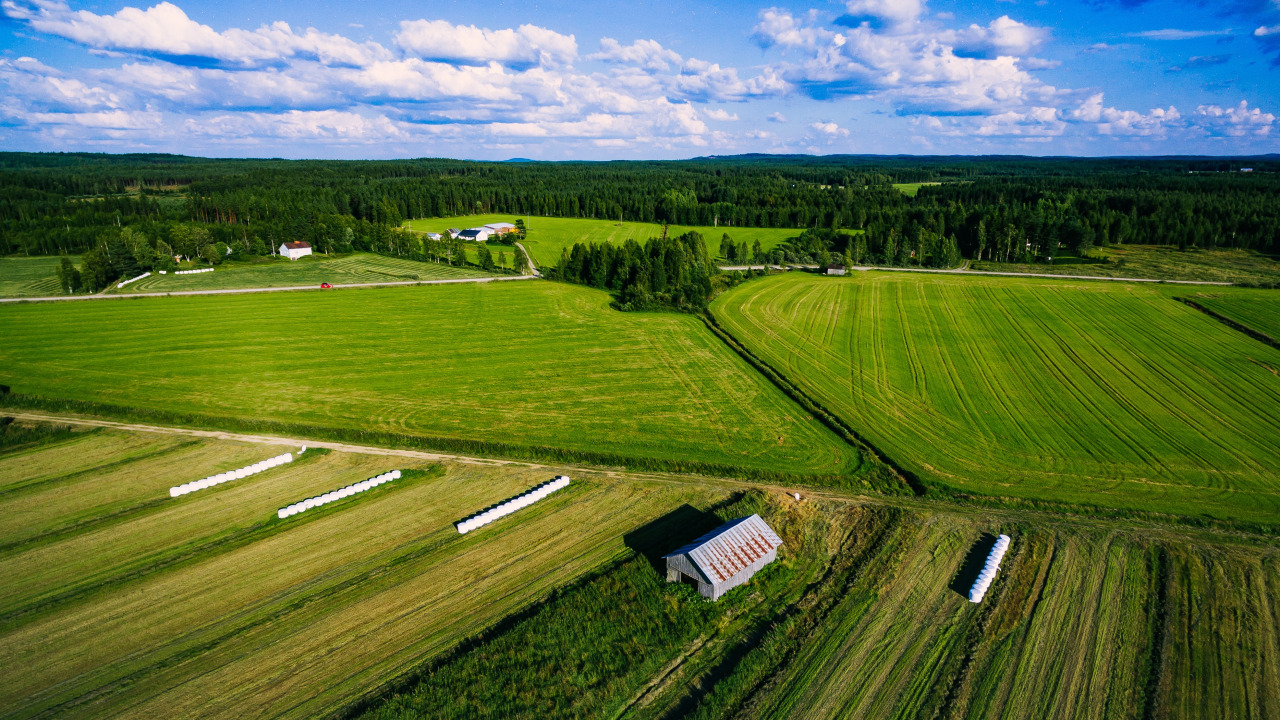
Becoming a landowner without actually buying farmland isn't as far-fetched as many might think.

The average value of farmland reached $4,350 per acre in 2025, up 4.3% from the prior year, according to data from the Department of Agriculture. Since 2020, the value of farmland has leapt nearly 40%.

Jeff Bezos backs a platform that lets anyone invest in rental homes for as little as $100 — 6 ways to build wealth like a landlord without actually being one

Dave Ramsey warns nearly 50% of Americans are making 1 big Social Security mistake — here's what it is and 3 simple steps to fix it ASAP

Millionaires under 43 hold only 25% of their wealth in stocks. Here's where their money is actually going

One of farmland's distinct benefits is its steady growth in value, even after adjusting for inflation. For everyday investors, these are conditions for buying into a resilient investment that can provide a decent payout over many years.

Enter the real estate investment trusts, or REITs.

REITs are firms that own and operate real estate and related assets that generate a flow of income. In this instance, REITs offer investors a cheaper path into agriculture investing without having to directly buy a farm. They typically generate alluring long-term returns with a dual combination of appreciating land values and crop-driven rental income.

In addition, economists have pointed out that there isn't a strong correlation between returns on REITs and the stock market. So the characteristic fluctuations in equity prices typically have little bearing on the value of farmland. Adding farmland into an investment portfolio helps to fortify against other asset classes like stocks, crypto and bonds that are more exposed to financial swings.

According to FarmTogether, there are only two publicly-traded farmland REITs as of summer 2026: Farmland Partners and Gladstone Land. The former trades on the New York Stock Exchange (NYSE), while the latter trades on the NASDAQ exchange. But both companies own and lease farmland. It's possible to purchase shares for both these firms through a broker.

The bulk of Farmland Partners' portfolio — or 60% — rests on farms prioritizing commodity crops like corn, rice and cotton. In the case of Gladstone, most of its farms grow fresh produce like fruit and vegetables, viewing them as a less-risky alternative to commodity crops that can fall prey to price volatility.

Read More: Vanguard reveals what's coming for U.S. stocks — and it could be bad news for this group of investors

Farmland Partners CEO Luca Fabbri projected confidence in the future of REITs.

"Looking ahead, we remain confident in the long-term fundamentals of the farmland REIT asset class and its ability to generate durable, attractive returns, despite ongoing disruptions and near-term volatility impacting the broader agriculture industry," he said in a first quarter earnings release in late April.

Though these REITs don't come without a little risk.

"Publicly traded REITs add another risk," Chris Morris, president of LandFund Partners, an investment group, wrote in Forbes. "In broad equity selloffs, they can trade at steep discounts to net asset value, creating price swings disconnected from farmland fundamentals."

Here are the 7 top habits of 'quietly wealthy' Americans. How many do you follow?

The tax breaks in Trump's 'big beautiful bill' expire after 2028 — and experts say most people won't act in time. What to do before the window closes

Here's the average income of Americans by age in 2026. Are you keeping up or falling behind?

When he dies, Warren Buffett said 90% of his wife's inheritance will go into a single investment. Here's why (and how you can do it too)

Join 250,000+ readers and get Moneywise's best stories and exclusive interviews first — clear insights curated and delivered weekly. Subscribe now.

This article originally appeared on Moneywise.com under the title: Farmland real estate values jumped nearly 40% since 2020 — these 2 publicly traded REITs let everyday investors buy in

This article provides information only and should not be construed as advice. It is provided without warranty of any kind.
Comments
You must be logged in to comment.