yahoo Press
Canadian wildfire map shows dangerous air quality levels in US
Images
1 / 19
2 / 19

3 / 19

4 / 19

5 / 19
6 / 19
7 / 19

8 / 19
9 / 19
10 / 19

11 / 19
12 / 19
13 / 19
14 / 19
15 / 19
16 / 19
17 / 19

18 / 19

19 / 19
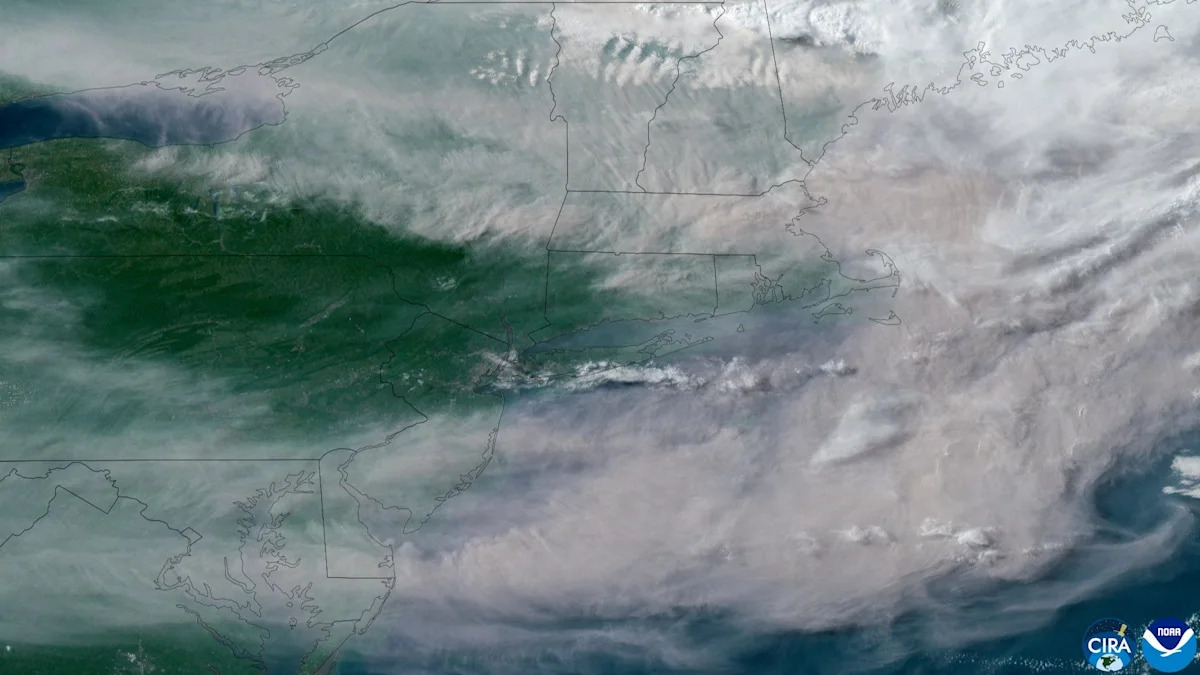
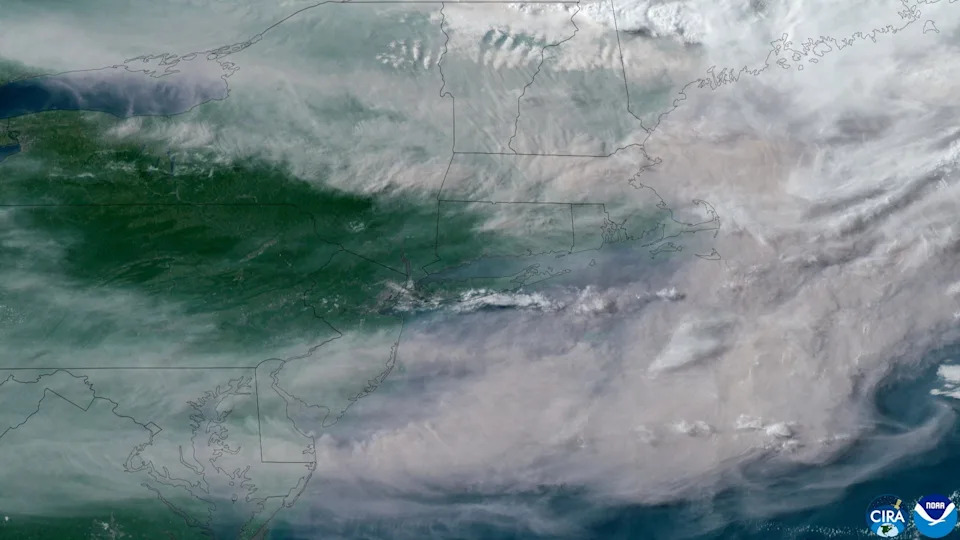
Hazardous smoke from Canada's wildfires is spreading across the Northeast and Midwest, triggering air quality alerts, health warnings and concerns that conditions could worsen in the days ahead.

Some of the country's worst air conditions were reported Wednesday, July 15, in Michigan, Minnesota and Wisconsin, while New York Governor Kathy Hochul said on social media that smoke and haze from Canadian wildfires were creating unhealthy air conditions across the state.

New York City is already feeling the impact ahead of Sunday's World Cup final in neighboring New Jersey, with wildfire smoke pushing air quality into unhealthy territory. Officials urged residents to reduce strenuous outdoor activity and take extra breaks outside as forecasters warned smoky conditions could persist through the end of the week.

Here's what to know.

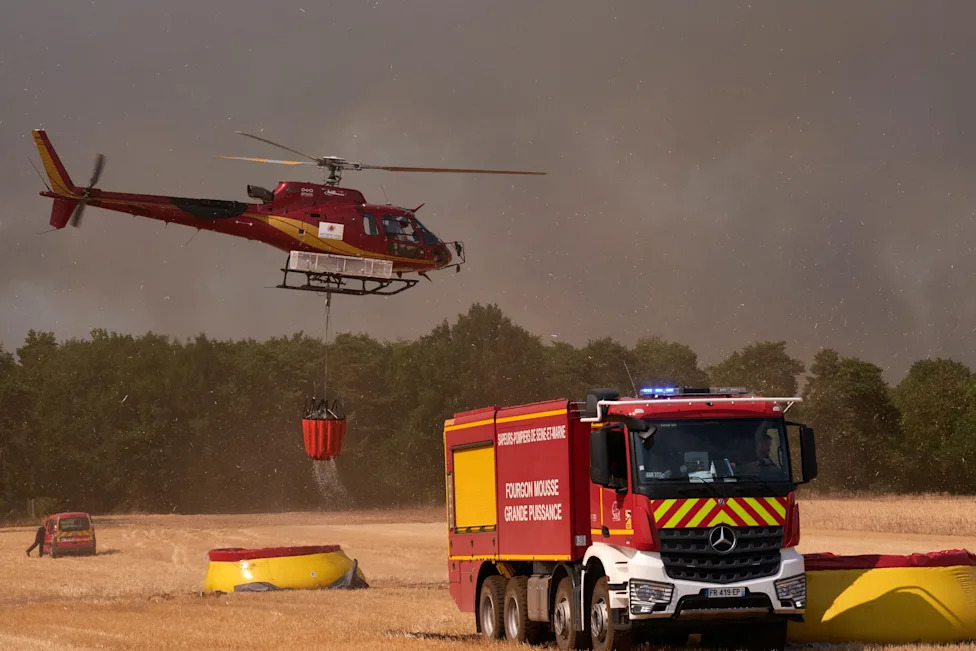
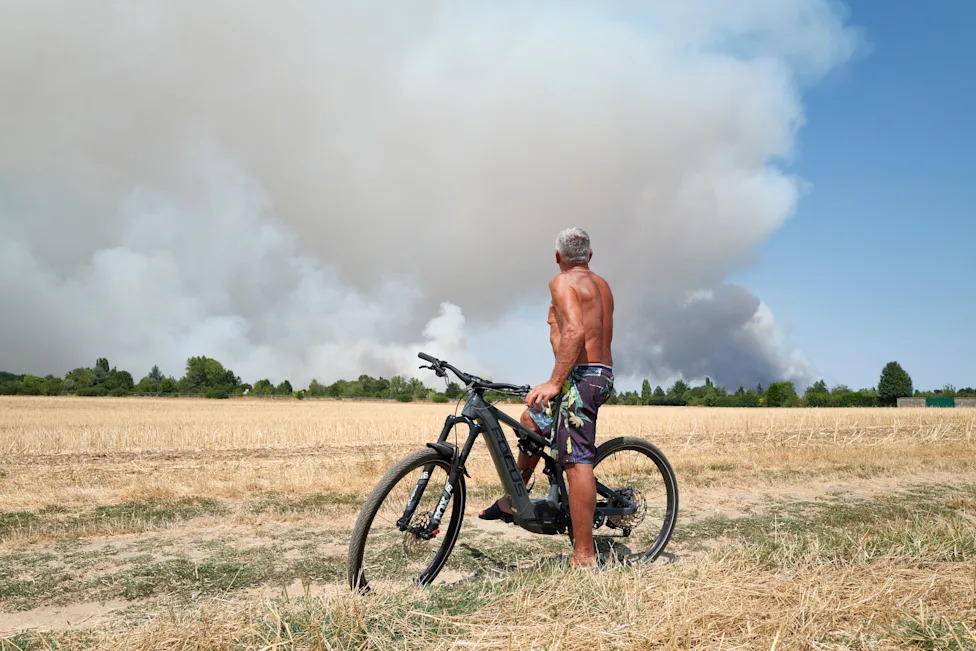
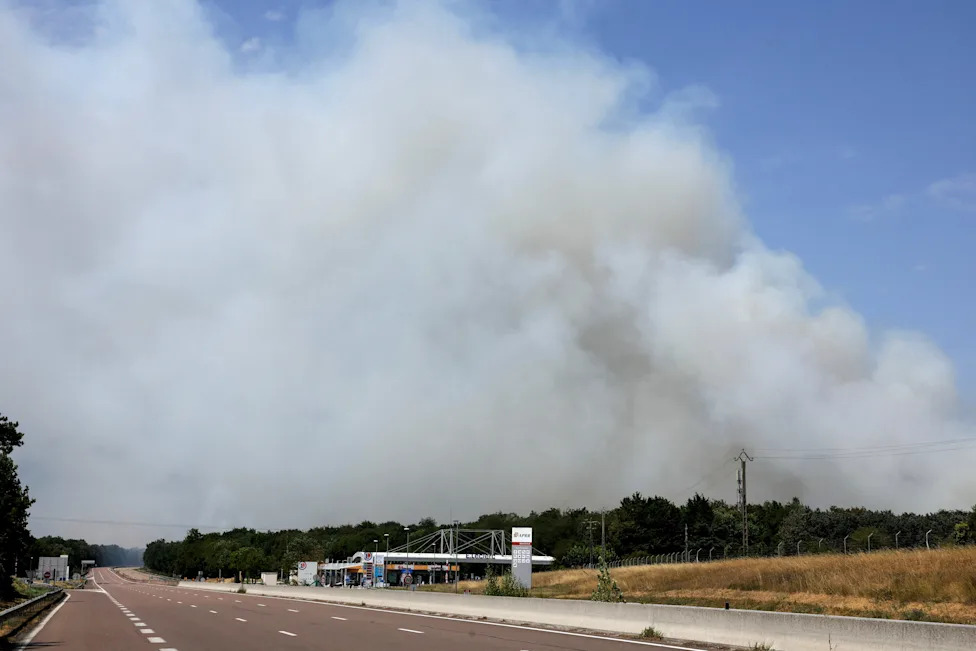
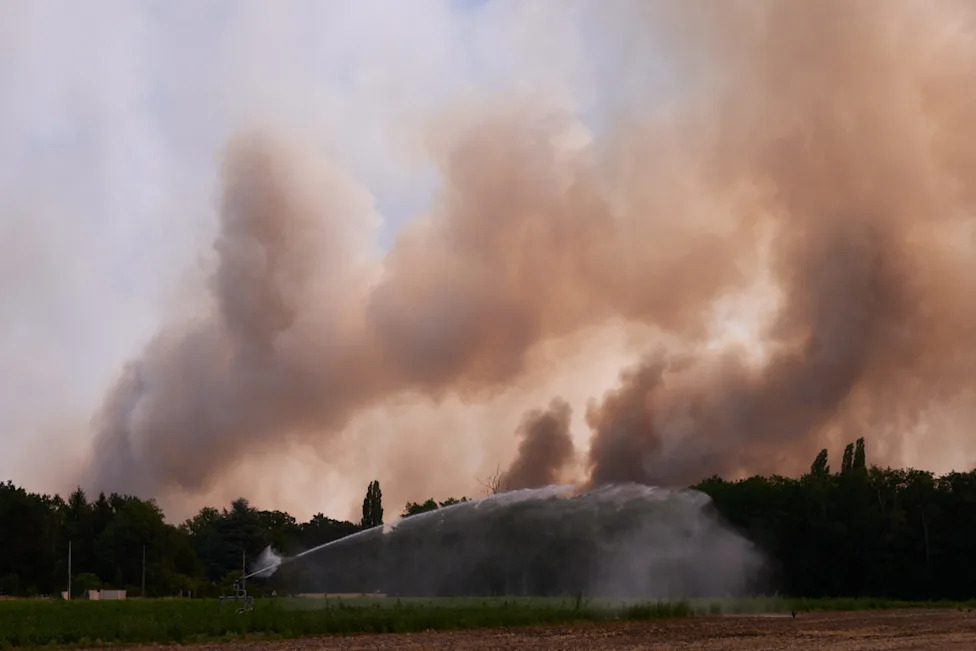
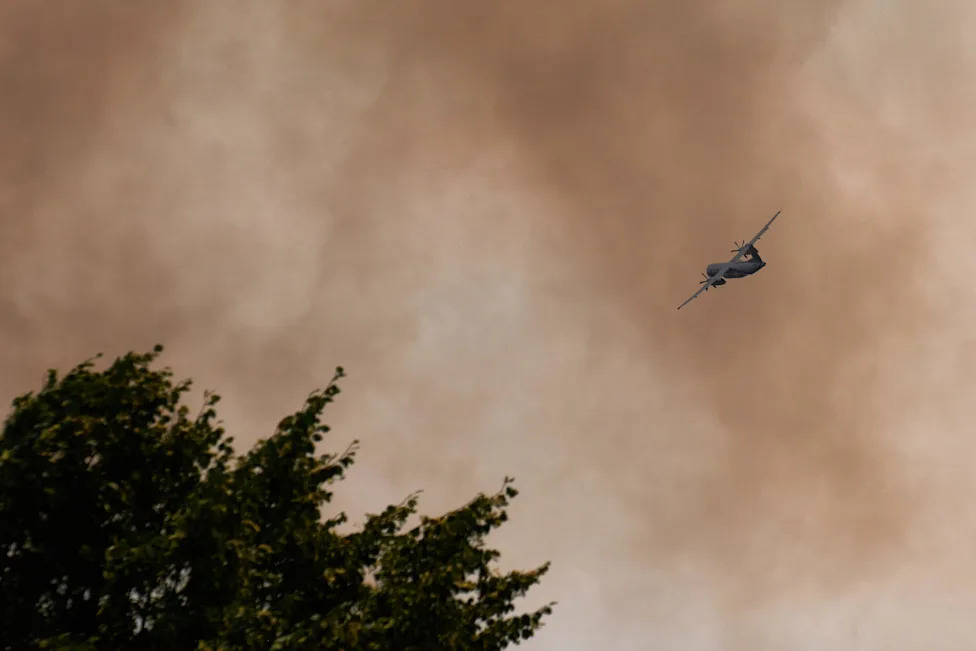
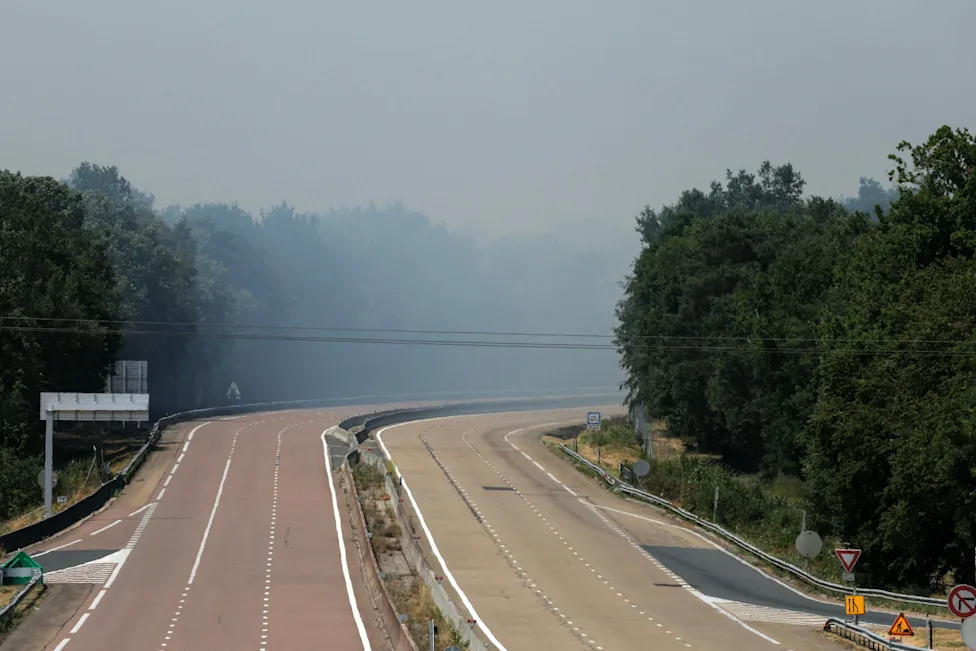
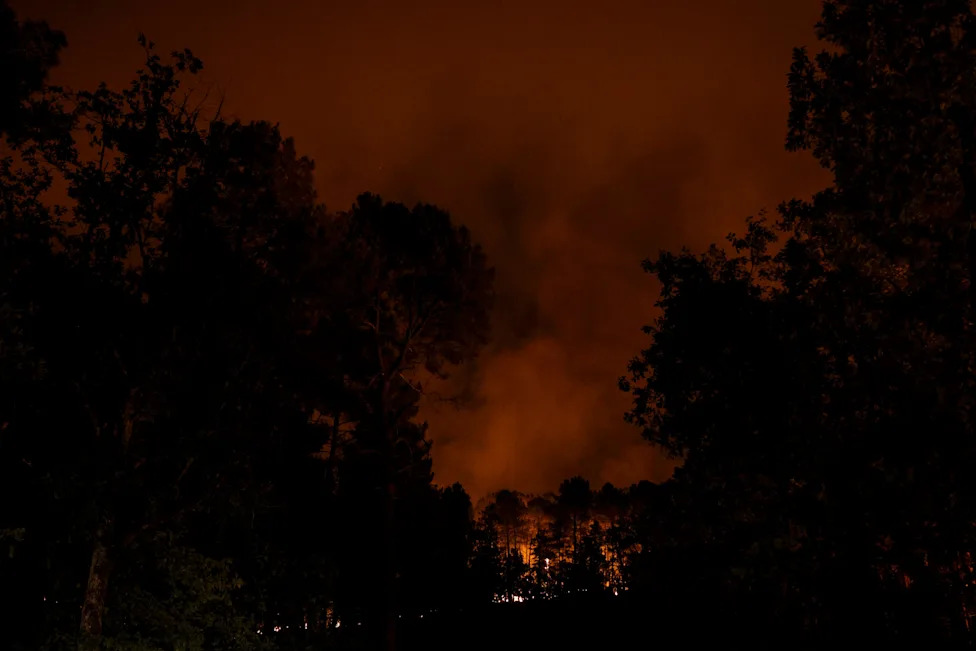
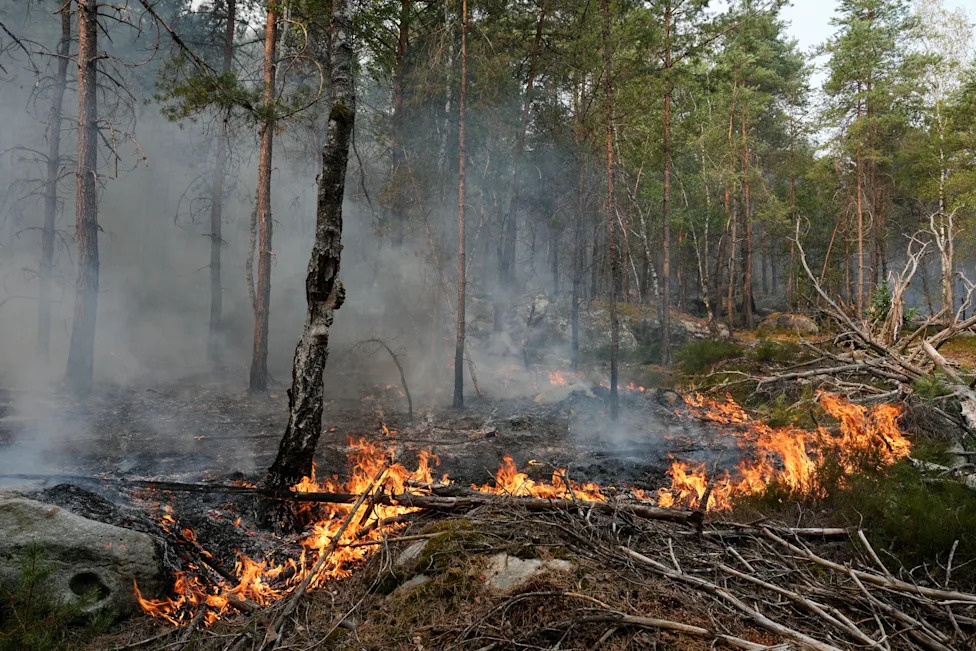
Pascal, a local resident, watches as the wildfire spreads, describing it as the first major wildfire he has witnessed in 60 years, after a wildfire broke out in the Fontainebleau Forest on July 13, 2026 in Fontainebleau, France. The fire began yesterday in the former royal hunting preserve, which is about 40 miles outside Paris.

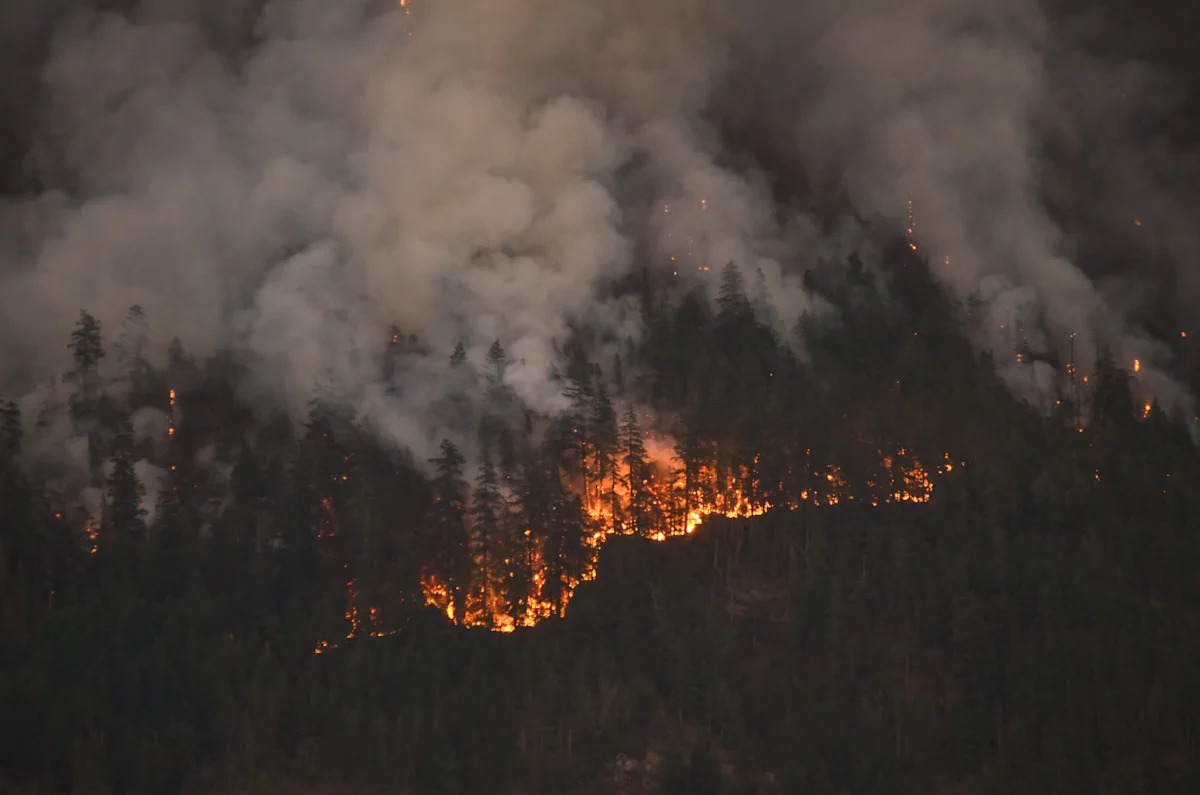
The Government of Canada has said that wildfire season began more slowly in 2026 than in 2023 or 2025, the two worst seasons for wildfires, but warned that fires were likely due to warmer than usual temperatures across the country.

Some 835 active fires were burning in the country on Wednesday, and 112 according were considered out of control, according to the government. So far, 4.7 million acres have burned, according to Reuters. Most of the fires were in the central provinces of Manitoba, Saskatchewan, and Ontario.

AQI stands for Air Quality Index which ranks the air into six different categories: Good (Green), Moderate (Yellow), Unhealthy for Sensitive Groups (Orange), Unhealthy (Red), Very Unhealthy (Purple) and Hazardous (Maroon) .

Particulate matter, a type of air pollutant made of small particles of solids or liquids that are suspended in the air, is one of the main components of wildfire smoke, according to the National Weather Service. The particles are smaller than a strand of human hair and can enter one's respiratory system, leading to a slew of symptoms.

Wildfire smoke can irritate the eyes, nose, and throat and cause the following symptoms, according to the Centers for Disease Control and Prevention (CDC):

Fatigue

Coughing

Wheezing

Chest tightness

Shortness of breath

Dizziness

Some of the particles in wildfire smoke are so tiny they can easily pass people's usual defense mechanisms and dive deep into their lungs. Not only can they damage lung function, but they can also pass into the bloodstream and travel to other organs, According to Yale Medicine.

The following is linked to exposure to these particles:

Heart attack

Stroke

Lung cancer

Decline in cognitive function

The following people should be cautious and try to avoid breathing wildfire smoke:

Children

People who are pregnant

People with lung diseases, such as asthma and COPD

Anyone with heart disease, diabetes or chronic kidney disease

Anyone facing poor air quality that may not be safe for them or their family members should do the following, according to the CDC:

Check the air quality in your area through local weather apps

Stay inside if authorities say to do so

Keep windows and doors closed

Avoid burning anything indoors, like candles, gas, propane, incense or wood

Avoid strenuous activity while outdoors

Wear a tightly fitted, NIOSH-approved respirator while outdoors

This story has been updated with new information.

Julia Gomez is a Trending reporter for USA TODAY and covers invasive species, space phenomena, scientific studies, natural disasters and trending news. Connect with her on LinkedIn, X, Instagram, and TikTok: @juliamariegz, or email her at jgomez@gannett.com.

This article originally appeared on USA TODAY: Canadian wildfire map shows dangerous air quality levels in US
Comments
You must be logged in to comment.