buzzfeed Press
"Sometimes I Cried In The Locker Room": How I Used The Gym To Help Them Through My Grief
Images
1 / 13

2 / 13

3 / 13

4 / 13

5 / 13

6 / 13

7 / 13

8 / 13

9 / 13

10 / 13

11 / 13

12 / 13

13 / 13
“The two hardest things in my life have been changing my health lifestyle and living in grief. Both are processes that fundamentally alter your everyday life and who you are as a person.”

I'm Sara, and I cover the fitness and health sphere on BuzzFeed — from finding the best snacks to sharing the easiest hacks on staying fit.

In my early days of grief, I felt like the rug was pulled out from under me. I mourned my former parent and everything she would never be — a mother-in-law, grandparent, and retiree. I spent hours awake in bed overthinking everything, like it was a puzzle that, if I could arrange it just right, there would be a level of reasoning that would reassure me. In actuality, it made me feel worse, and I spent about 16 hours a day in a mental hole.

It wasn't weeks later, when I felt my body losing some tone, that I decided to walk with my grief — literally. I took a small notebook and a pen to my local park and decided to write down my favorite memories of her and us as I walked for an hour. Sometimes it ended with me feeling upset; sometimes I felt soothed, but I always ended the hour with something to show — both on paper and in my mood.

I fell back into bad habits of eating out of comfort, trying to fill a void that was emotional with something physical like food. Whether I felt guilty, sad, or hopeless that day, I mindlessly ate. What I once took the time and pride in, which was nurturing myself with whole foods, turned into grabbing excessive amounts of fast food and convenience foods that drove up my already high sodium and sugar levels.

I can't explain why I ate so much takeout in those early weeks, because, truthfully, I didn't even enjoy the way it tasted. But it wasn't until I made myself physically sick that I decided the time had come to start taking care of myself on the nutrition side again. I started making my favorite lunch for the week and knew that if I lay down afterward, I probably wouldn't get back up, so I ended up making lunches for the rest of the week.

Eventually, this turned into me making simple dinners and snacks again and storing them in containers for when this rare and sudden burst of energy wore out.

After about a month of grieving and forcing myself out of the house for walks, I thought I was ready to get back into the gym. In my head, something was motivating about going somewhere and forcing it all out. But every time I walked into my gym, I felt tired, like I'd just run a couple of miles.

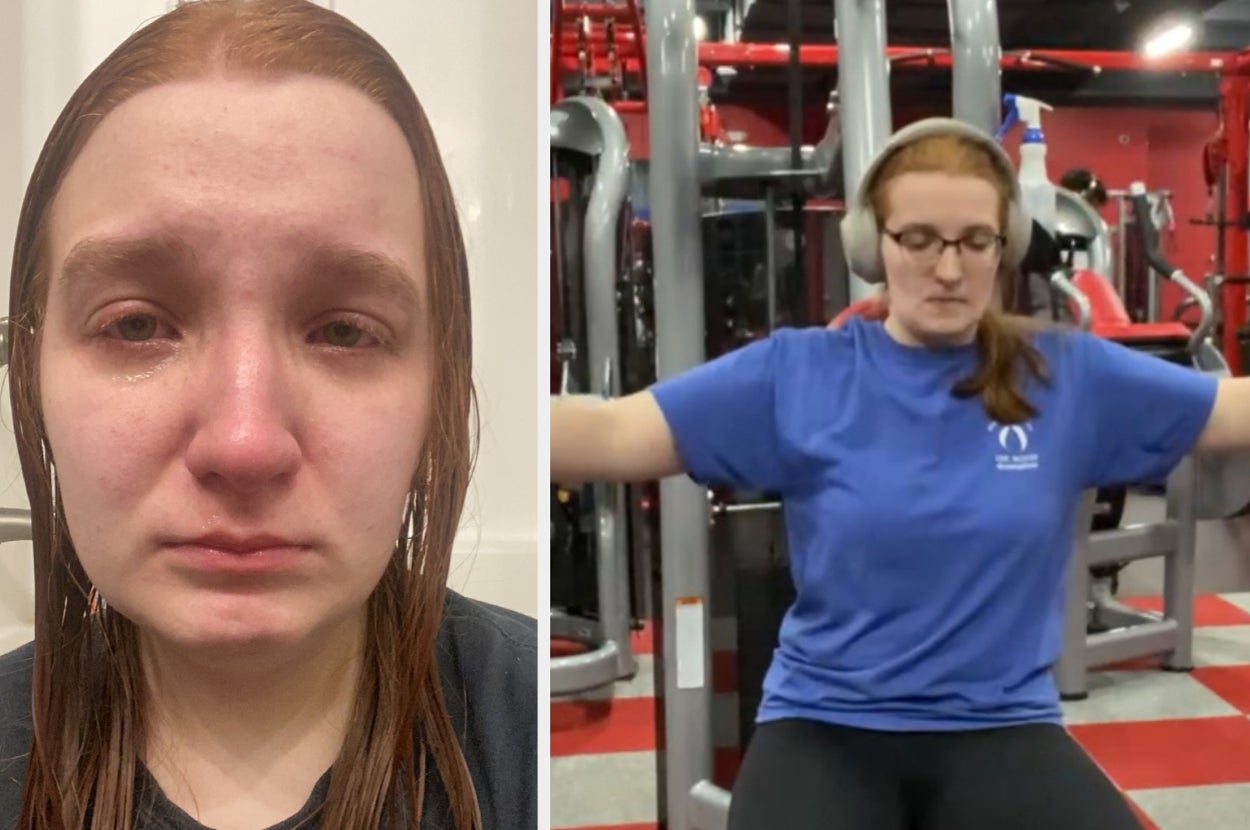
So, I sat in the locker room. I told everyone I was going to the gym, which I was, but I sat there with my thoughts for about half an hour and then packed up and went home. Sometimes I cried. Sometimes I took that time to talk my thoughts out loud to her. Sometimes I just stared at the wall. But for about a week or two, I occupied the same locker room bench, without moving a single weight.

I, like most people, am harder on myself than I am on anyone else. I could feel myself slowly losing progress, so I decided that tough self-love was an outlet to explore. I had already been getting out of the house for daily walks, so I outlined my week with an additional daily exercise.

I'm not sure if it was seeing it on paper and having it pre-planned for me or having a box to check physically, but the list started to help me feel better about at least taking care of myself. That was where the mental tide began to shift, and I felt capable of forging a new future.

When I started going to the gym more regularly, I felt like I had to go all in. If I was lifting 40 pounds before, now I have to lift 50. If I ran three miles, now it had to be five. This left me with some burnout, and honestly, in a worse mental state than not going at all.

So, I took it day by day. I would sometimes leave the house with a whole list of arm exercises, only to decide when I got there that I wanted to work on my lower body instead. Sometimes I planned a short, intense workout but changed mid-session to slow down and take my time with less intense exercises.

I don't remember how long it took; it felt like a long time, but it could've been about two weeks. It started to feel more and more like a sustainable future routine. I felt like, since it was on my own terms and aligned with my goals, I had no pressure to achieve any concrete goals beyond just being there.

Ever since I could remember, I had a hard time making friends. And adulthood has only made that harder. While I primarily preferred working out alone, I forced myself out of my comfort zone and started going to the gym with others.

We didn't talk about my grief, something I actually appreciated at the time — we just exercised alongside each other. It gave me more pride in my movement than working out alone would have, but mostly it held me accountable. Since someone else was waiting for me to arrive, I felt more responsible for showing up.

I'm sure that talking out your grief while working out with a friend or family member, especially one who knew your deceased loved one, is helpful, but not talking about the grief made it feel more "business as normal" for me (something that I was still trying to get back to, even months later).

I remember once hearing that if you're tired, drink some water. If you're annoyed at the world, drink some water. If you feel mad at everyone, drink some more water. It sounds silly, and it is, but I applied that to my grief process.

If I felt sad, I sipped on some water. If I felt tired, I drank water. If I felt guilty, I drank water. I spent a good portion of the first six months after her death crying, so if only for hydration, this seemed to be a small, but crucial step for me.

She's not here anymore, but my parent was my biggest cheerleader and support system in my health journey. Every time I thought about quitting my habits or leaving my gym, she gently pushed me to keep going. So, I logically know that she would be disappointed in me leaving that behind after her death.

I kept her in mind with every workout, every meal I prepped, and every step I took along the way. I didn't keep up the progress for her, or because of her, but rather in her honor, because at the end of the day, I know that's the legacy most former loved ones would want.

Now, after a year of living in my grief, I achieve new milestones in my health journey and feel even more pride, knowing that it was done in honor of my parent. I don't obsess over or let it consume me; it's more like it's an emotional bonus on top of already achieving something.

POST NOTE: While the gym helped me *physically* in my grief, I also sought professional help, something I suggest to anyone struggling in grief. The gym and exercise are great tools, but not a cure-all without professional help.
Comments
You must be logged in to comment.