yahoo Press
‘Super’ El Niño now predicted to be even stronger and longer. How will it impact you?
Images
1 / 6

2 / 6

3 / 6
4 / 6

5 / 6

6 / 6
(NEXSTAR) – El Niño is gaining steam. National forecasters released an update on the climate phenomenon this week, saying it's now predicted to last longer and grow stronger than previously thought.

There's a 97% chance this year's El Niño will spill over into next year, lasting until spring 2027, the Climate Prediction Center said Thursday. There's an 81% chance it will grow to be "very strong" by its peak in the early winter.

Very strong El Niños, also called "super" El Niños, are rare. If things pan out as they're predicted to, this year's "would rank among the largest El Niño events in the historical record going back to 1950," according to the Climate Prediction Center.

"I think it's fair to say that, depending on [the] model, the forecasts are close to unprecedented," Michael Tippett, a Columbia University atmospheric scientist, told CNN.

A "super" El Niño doesn't necessarily mean super-strong weather impacts.

"Even the strongest El Niño events do not lead to the typical impact everywhere, but stronger events can more significantly tilt the odds in favor of expected outcomes," the Climate Prediction Center said.

What does that mean in plain English? A "super" El Niño means we're more likely to see the classic El Niño patterns (more on those below), but nothing is guaranteed and some areas may be hit harder than others.

For summer weather, the United Nations issued a warning telling people to brace for an extra-hot season thanks to El Niño — and for some parts of the country, that has transpired already.

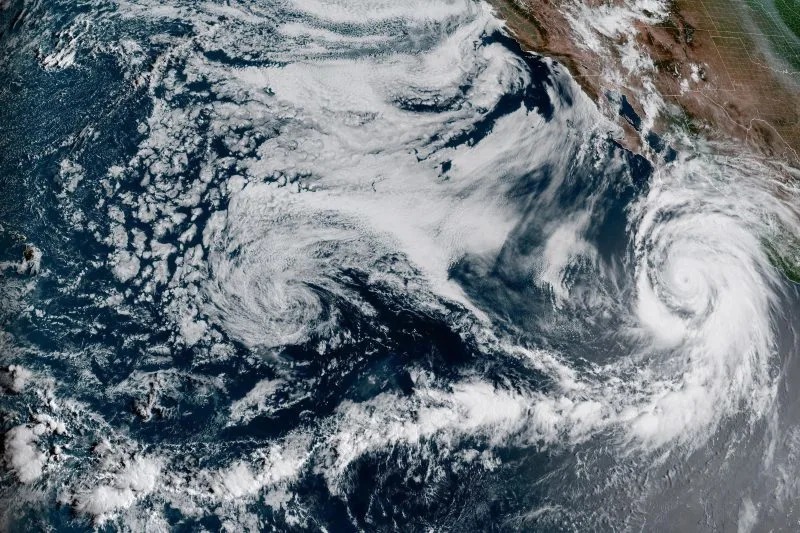
In summer and fall, El Niño also tends to suppress storms and hurricanes in the Atlantic, but fuel tropical storms in the eastern and central Pacific.

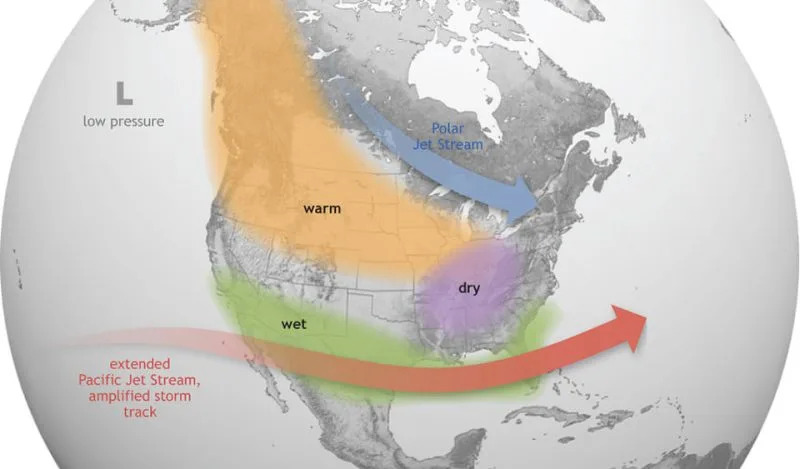
However, El Niño tends to make its biggest mark on winter weather. It usually brings warmer, dry weather up north and to the Ohio Valley. Meanwhile, the southern half of the country can expect a wetter winter, with more rain and snow. The exact dividing line moves year to year, depending on the position of the jet stream.

High-tide flooding may be a bigger problem during El Niño years as well, according to the National Weather Service, and especially on the West Coast. Harmful algae have also thrived in West Coast waters during past El Niño events.

Copyright 2026 Nexstar Media, Inc. All rights reserved. This material may not be published, broadcast, rewritten, or redistributed.

 For the latest news, weather, sports, and streaming video, head to The Hill.
Comments
You must be logged in to comment.