yahoo Press
OpenAI and Anthropic warn China is using tens of thousands of fake accounts to copy their AI models
Images
1 / 6
2 / 6

3 / 6
4 / 6

5 / 6

6 / 6
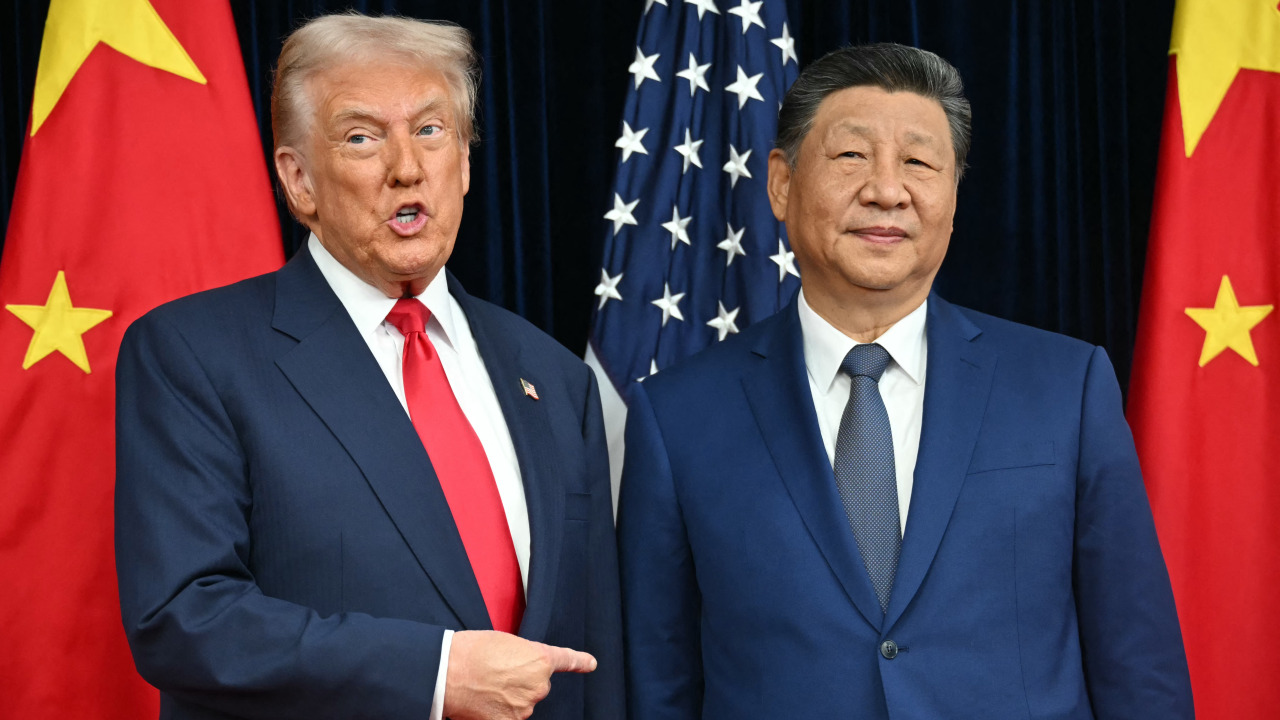
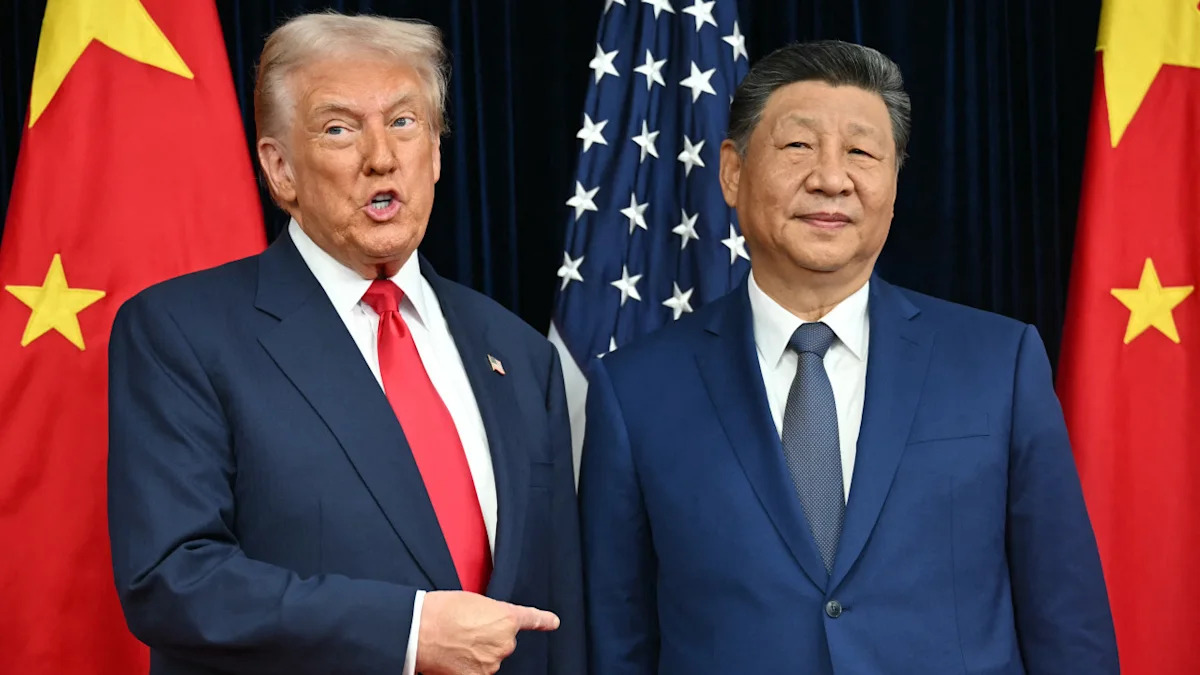
As much as U.S. President Donald Trump and Chinese Paramount Leader Xi Jinping work to ease historical tensions (1), our two nations remain locked in a perpetual neck-and-neck power struggle in a number of arenas (2), AI being chief among them.

But, to some, it seems like China may be playing dirty when it comes to achieving global tech domination.

Jeff Bezos backs a platform that lets anyone invest in rental homes for as little as $100 — 6 ways to build wealth like a landlord without actually being one

Dave Ramsey warns nearly 50% of Americans are making 1 big Social Security mistake — here's what it is and 3 simple steps to fix it ASAP

Millionaires under 43 hold only 25% of their wealth in stocks. Here's where their money is actually going

The White House asserts it has evidence that entities from the Asian superpower have been embarking on "industrial-level" initiatives to copy American chatbot models through a technique called distillation, which, used maliciously, enables them to reproduce our sector's innovation for a fraction of the cost (and the work).

While the federal government has underscored such intellectual property risks before (3), the magnitude of the alleged conspiracy — and how it plans to address it — was really outlined this spring (4) in a memo from the U.S. Office of Science and Technology, which condemned how these unnamed groups were attempting to "expose proprietary information… systematically extract capabilities from American AI [and] exploit American expertise."

The key next steps listed at the time (5) were to brief domestic tech giants on the details of the situation, establish best practices to identify and mitigate the threat, fortify companies with the resources to better defend against these campaigns, and "explore a range of measures to hold foreign actors accountable for industrial-scale distillation campaigns."

But, as the months have progressed, it seems that the problem is worsening, if anything.

In recent letters (6) to officials, leaders from two U.S. behemoths in the space, OpenAI (creator of ChatGPT) and Anthropic (known for Claude), raised alarm bells (7) about tens of thousands of phony accounts they believed were being employed by at least one Chinese competitor to "illicitly" and "brazenly" steal their programs to mimic their products and "repackage them as their own."

Like in April's missive from the White House, the communications emphasized the systemic and industrial nature of these foreign efforts, and how much farther ahead they've put China in the AI race.

Industry players believe (6) that the gap between U.S. and Chinese development is now "very slim," with startups like Alibaba (8), Z.ai and DeepSeek (9) gaining ground and matching homegrown makers with virtually as capable models that are cheaper to make and, critically, to use.

Much of the world already seems to view (10) China as leading the sector, while it has also gained somewhat of a soft power edge as anti-American rhetoric festers on U.S. soil (11). Another interesting factor is an apparently growing trend among Chinese tech professionals who trained, whether through education or work, in America: returning home (12) afterward to use their skills there.

Read More: Are you paying too much for car insurance? Here are 3 clever ways to slash your monthly bill

There are a number of factors that make the allegations in question here somewhat murky — and that make taking action against them difficult.

For one, distillation itself is part and parcel of the AI landscape (13), with multiple companies amicably using one another's data to advance their own projects over the years. This is especially acceptable with open source software, but frowned upon when it is used inappropriately or without permission, like to copy and emulate complex, exclusive systems.

Still, there are conflicting views (13) on whether something like copyright law could apply in these cases, and lawyers who have spoken with the New York Times (13) say it would be "very challenging" to address any of this in U.S. court.

Some experts also asser (6)t that no one can construct competitive AI solely through distillation.

"This narrative that all of the capabilities of these models are coming from Anthropic is not as true as people say it is," one lawyer told the Times in June.

Though Anthropic and others do not permit distillation of its proprietary technology, most of its major Chinese peers are open source, which has actually served as an edge (14), allowing more growth in the country's tech sector and making some Chinese components foundational (15) in other, potentially even U.S., models.

'Gold still crashing!': Robert Kiyosaki admits he was wrong — but doubles down on his $35K prediction

The tax breaks in Trump's 'big beautiful bill' expire after 2028 — and experts say most people won't act in time. What to do before the window closes

Here's the average income of Americans by age in 2026. Are you keeping up or falling behind?

When he dies, Warren Buffett said 90% of his wife's inheritance will go into a single investment. Here's why (and how you can do it too)

Join 250,000+ readers and get Moneywise's best stories and exclusive interviews first — clear insights curated and delivered weekly. Subscribe now.

We rely only on vetted sources and credible third-party reporting. For details, see our ethics and guidelines.

Yahoo Finance (1); YouTube (2); CNBC (3), (4); The White House (5); The New York Times (6), (8), (9), (13), (15); Reuters (7), (14); Politico (10); USA Today (11); Business Times (12)

This article originally appeared on Moneywise.com under the title: OpenAI and Anthropic warn China is using tens of thousands of fake accounts to copy their AI models

This article provides information only and should not be construed as advice. It is provided without warranty of any kind.
Comments
You must be logged in to comment.