yahoo Press
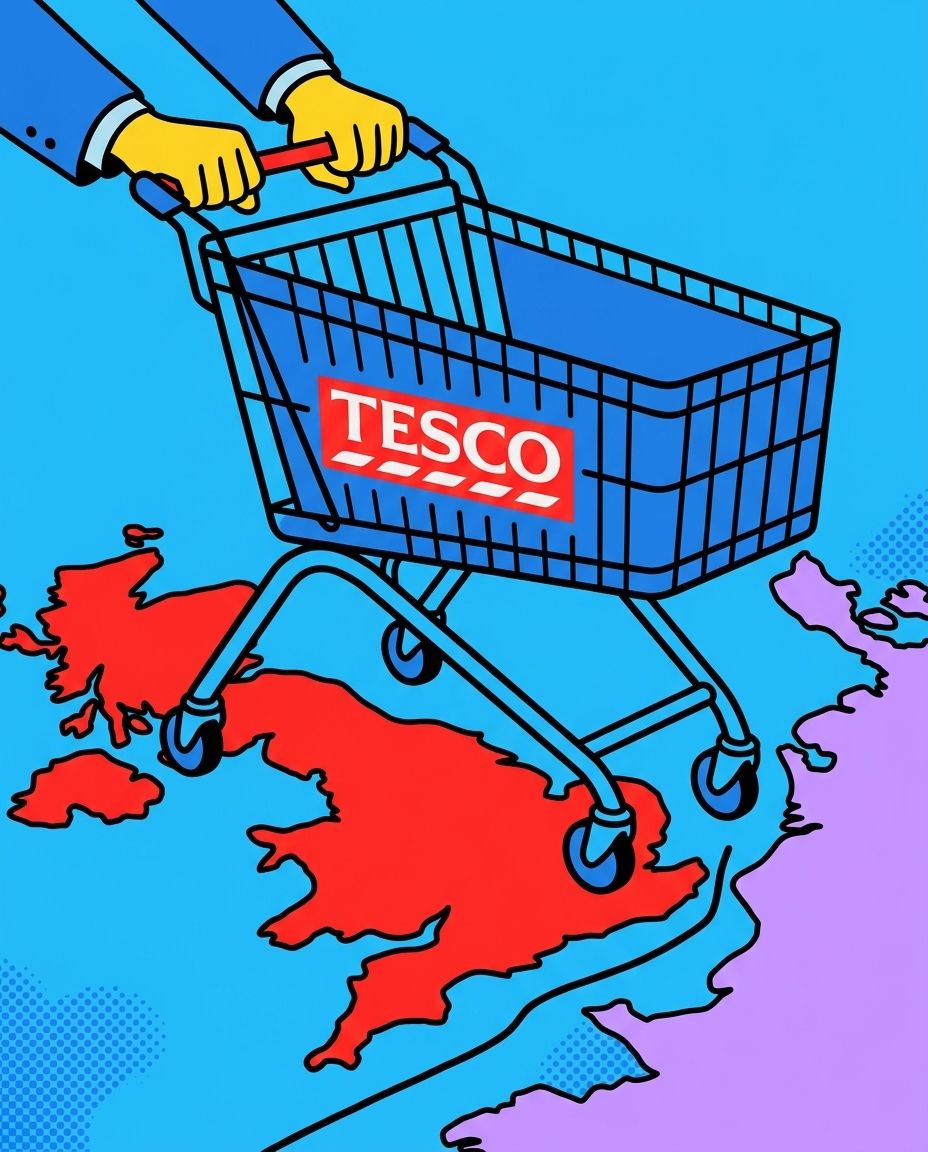
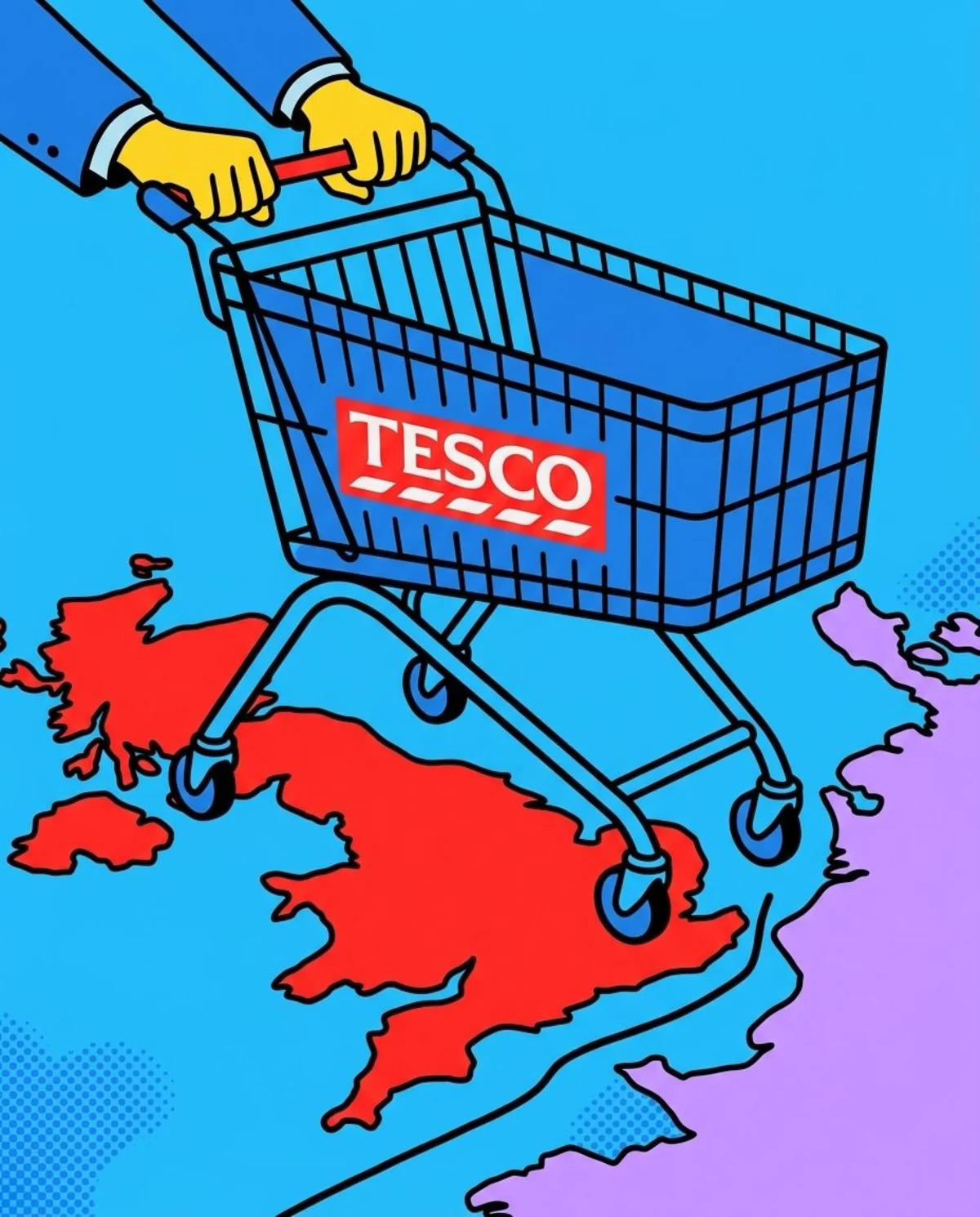
Tesco May Finally Leave the Continent Behind
Images
1 / 4
2 / 4

3 / 4

4 / 4
The above button links to Coinbase. Yahoo Finance is not a broker-dealer or investment adviser and does not offer securities or cryptocurrencies for sale or facilitate trading. Coinbase pays us for certain activity generated through this link. Prices displayed are informational.

Our analysts just identified a stock with the potential to be the next Nvidia. Tell us how you invest and we'll show you why it's our #1 pick. Tap here.

Tesco is reportedly weighing a sale of its Central Europe operations, covering stores in Hungary, the Czech Republic and Slovakia. The business is profitable, but small inside the group, contributing around 4% of Tesco's profit last year.

A sale would mark another step away from Tesco's old dream of becoming a global retail giant. The new strategy is simpler. Win at home, protect margins and stop pretending every overseas supermarket aisle needs a Union Jack near the checkout.

Tesco is exploring options for its Central Europe business, including a possible sale, according to reports.

The division covers Tesco's operations in the Czech Republic, Hungary and Slovakia. It's the company's only sizable business outside the United Kingdom and Ireland, after years of international exits.

Tesco has not confirmed the talks. A spokesperson said the company does not comment on rumor or speculation.

The Central Europe arm runs more than 560 stores and generated sales of about £4.5 billion (about $6 billion) in the 2025 to 2026 financial year. Adjusted operating profit was £115 million, down slightly at constant exchange rates. That compares with group sales of £66.6 billion and profit of £3.15 billion.

The business contributed about 4% of group profit last year, which explains why analysts have long seen it as an odd fit inside a company now focused on its core markets.

Tesco first entered Hungary in 1995 during an era of aggressive international expansion. It later built operations across multiple regions, including Asia and the US. But much of that empire has already been dismantled. Tesco exited the US after Fresh & Easy failed, sold its South Korea business, left China and sold its Thailand and Malaysia operations for around £8 billion in 2020.

CEO Ken Murphy previously called Central Europe an integral part of Tesco, saying it did not distract management much from the core UK business. A sale would suggest the group now sees focus as more valuable than footprint.

Tesco spent years learning a lesson that sounds obvious only after you lose a lot of money. Being very good at selling groceries in Britain does not automatically make you a global retail conqueror.

The company's overseas expansion once looked like ambition. It had stores, formats and bets spread across the world. But supermarkets are brutally local businesses. Shoppers behave differently. Planning rules differ. Labor markets differ. Supply chains differ. Competition differs. The tomatoes may look similar. The economics do not.

One stock. Nvidia-level potential. 30M+ investors trust Moby to find it first. Get the pick. Tap here.

Tesco's international retreat has been going on for years, and for good reason. The UK business is the machine that matters. Tesco has roughly 28% of Britain's grocery market, a powerful loyalty engine in Clubcard and enough scale to pressure suppliers while fighting discounters. That is where management attention is most valuable.

Central Europe is not a disaster. This is not Tesco dumping a burning asset into the nearest bargain bin. The business generates billions in sales and remains profitable. But it is small relative to the group, exposed to regulatory pressure and operating in competitive markets where Tesco does not have the same strategic dominance it enjoys at home.

That makes the question less "is it good" and more "is it necessary."

For investors, the answer may increasingly be no. A sale could simplify Tesco's story, free up capital and sharpen management focus. Tesco as the dominant UK and Ireland grocery group is clean. Tesco as a UK powerhouse plus a small Central Europe attachment is less clean.

It also fits the broader mood in European retail. Supermarkets are not chasing global empires the way they once did. They are chasing pricing discipline, supply chain efficiency, loyalty data, store productivity and online profitability. In an environment of food inflation, wage costs and cautious consumers, boring focus is a feature, not a flaw.

The timing also makes sense because Tesco is investing heavily at home. UK sales growth has slowed, competition remains intense and discounters are always lurking like someone's cheaper cousin at a family barbecue. Management has to keep defending market share without sacrificing margins.

Selling Central Europe would not transform Tesco overnight. A business generating 4% of profit is not the difference between glory and disaster. But it would remove a strategic question mark and reinforce the idea that Tesco is done with global grocery adventures.

There is also potential buyer logic. Regional retailers, private equity or food groups looking for scale in Hungary, the Czech Republic and Slovakia may see value in a profitable store base with an established brand.

The bigger story is discipline. Tesco is not trying to be everywhere anymore. It is trying to be very hard to beat where it already wins.

That is less glamorous than global expansion. It is also usually how supermarkets make money.

Tesco has not confirmed a sale process, so the first question is whether talks produce a serious buyer. Investors will watch price, timing and whether any proceeds are returned to shareholders or reinvested in the UK and Ireland business.

Tesco's empire phase has been over for years. A Central Europe sale would just make the retreat official.
Comments
You must be logged in to comment.