yahoo Press
‘You have to be careful’: Personal finance expert warns travelers about the major mistake they're making at the airport
Images
1 / 4
2 / 4

3 / 4

4 / 4
The countdown to vacation is on. Your bags are packed, your passport is ready and you've made it through airport security.

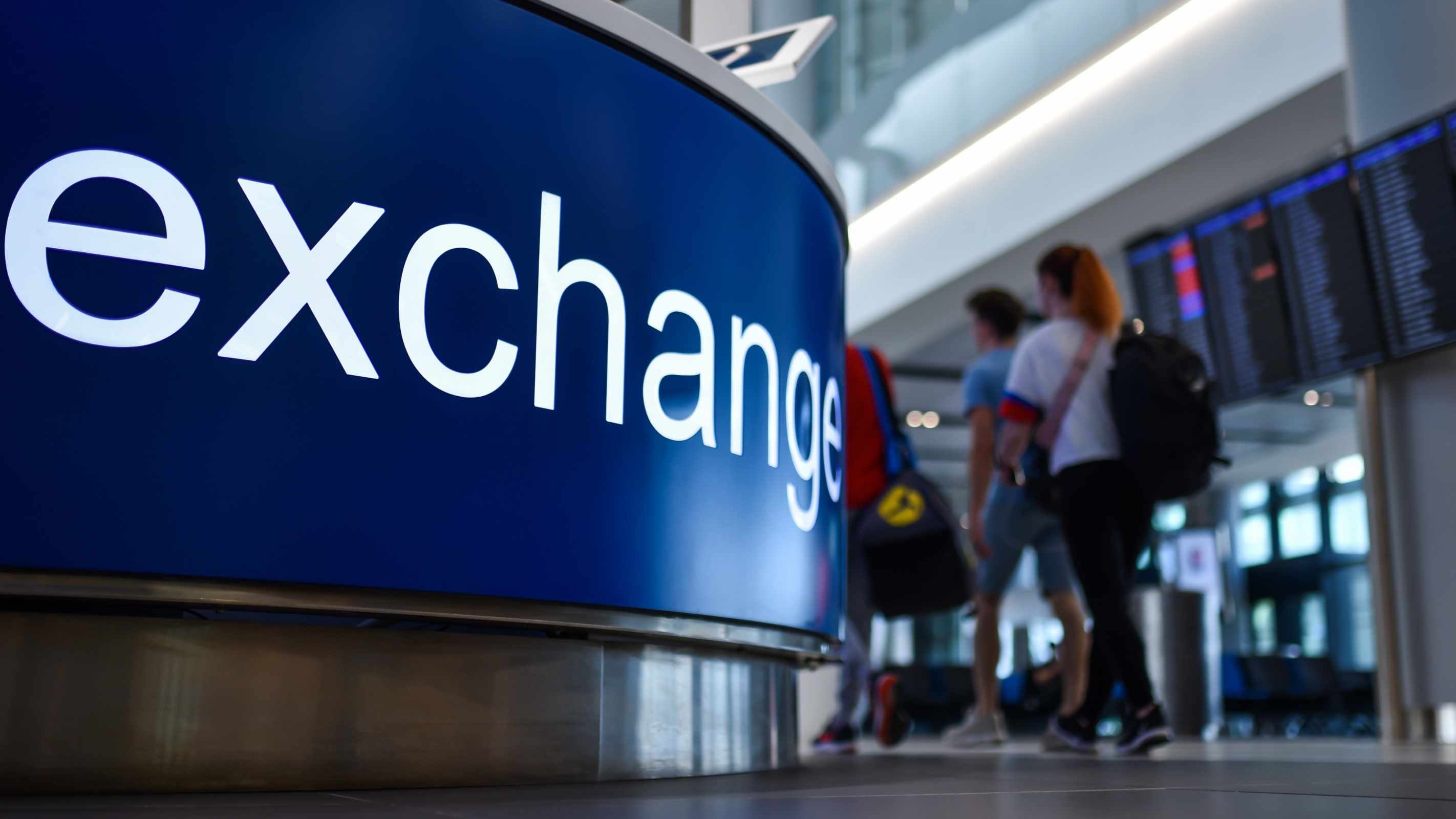
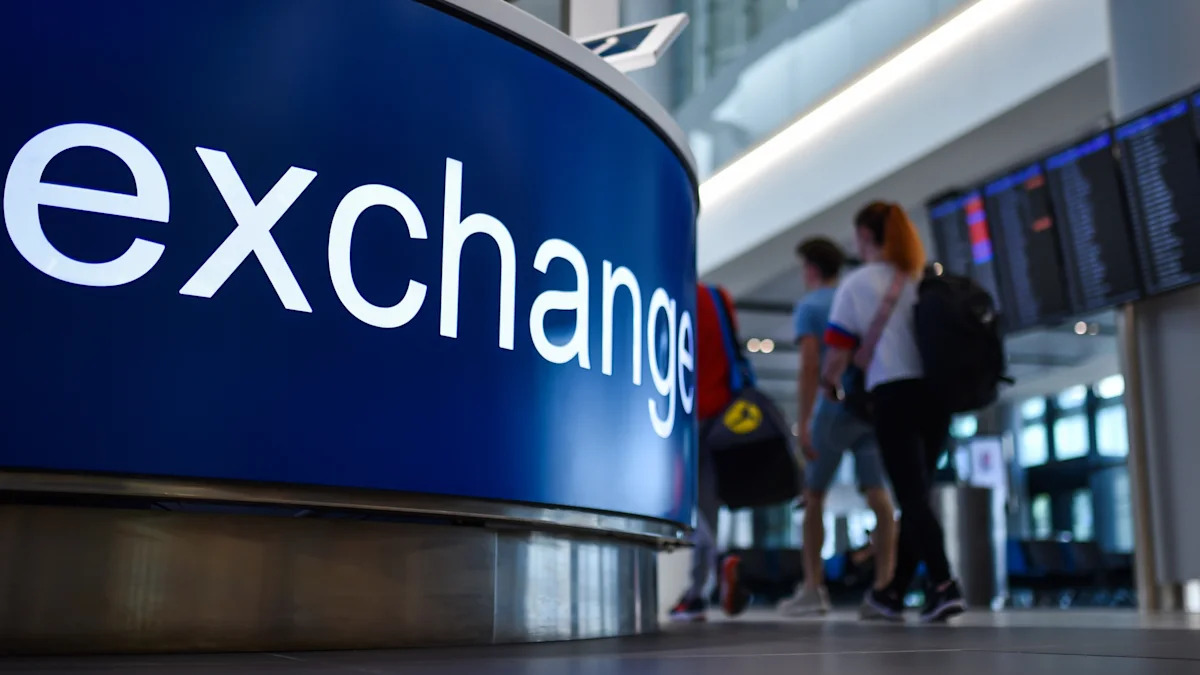
You have one last thing to check off your list that seems harmless enough: exchanging a few hundred dollars into foreign cash at the airport.

Jeff Bezos backs a platform that lets anyone invest in rental homes for as little as $100 — 6 ways to build wealth like a landlord without actually being one

Dave Ramsey warns nearly 50% of Americans are making 1 big Social Security mistake — here's what it is and 3 simple steps to fix it ASAP

Millionaires under 43 hold only 25% of their wealth in stocks. Here's where their money is actually going

But according to U.K. consumer finance expert, Martin Lewis, that's exactly when travelers are most likely to overpay, as shared by the Mirror. (1)

Lewis had a warning for vacationers that airport currency exchange counters thrive because they have a "captive audience" because it's when travelers who are about to board think they don't have any other choice.

Even though Lewis is based in the U.K., the same advice can apply to Americans heading overseas for a getaway: Exchanging money at the airport means you could start your trip with less spending money than you expected.

It's not necessarily that airport currency exchange booths are charging outrageous service fees, but the biggest hit often comes from the exchange rate itself.

Because travelers are in a rush and have fewer options once they're through security, airport providers can offer less competitive rates than banks or services that you may arrange before leaving home.

That's why organizations like AAA recommend (2) avoiding airport currency exchanges whenever possible, noting that they're typically among the most expensive places to convert money. Forbes Advisor similarly advises (3) to get your money at a bank rather than at the airport.

Planning ahead can help you avoid last minute scrambles at the airport, so be sure to consider when you might need cash, like for taxis, tips or small purchases.

Some U.S. banks allow customers to order foreign currency before departure, and the rates can be more competitive rates than airport kiosks. AAA also offers advance currency ordering for dozens of currencies, allowing travelers to have cash before they even leave home.

Lewis also recommends comparing exchange rates before buying, since the "best deal" isn't always the one advertising zero fees. A slightly higher fee combined with a stronger exchange rate can still leave you with more foreign currency overall.

Read More: 7 essential money moves to make once you've saved $10,000

Appearing on ITV's This Morning, Lewis told the hosts, "The best thing to do is to use a couple of travel exchange comparison sites online. Now, the thing is, you have to be careful. It's a combination of the exchange rate and the fee. So what exchange rate are they giving you? What fee are they giving you? You want that all combined. And that's what the comparison sites will do." (1)

Lewis also warned travelers about another common money trap that catches people after they arrive.

When paying with a credit card or withdrawing cash abroad, many payment terminals ask whether you'd like to be charged in U.S. dollars or the local currency.

Seeing the total in dollars can feel reassuring, but it's often the more expensive option.

The practice is known as dynamic currency conversion (DCC). Instead of letting your bank or card network convert the purchase, the overseas merchant or ATM operator does the conversion using its own exchange rate.

Lewis's advice is simple: if you're in France, pay in euros. In Japan, pay in yen. In Mexico, pay in pesos.

Choosing the local currency generally allows your card issuer to handle the conversion, which is often more favorable than accepting the merchant's rate. Even travelers using standard credit cards may come out ahead by deciding to opt out of the dollar conversion.

If you have a credit card with no foreign transaction fees, the savings can be even greater.

When it comes to traveling, being prepared before takeoff, and even before you get to the airport, could mean more money in your pocket for the experiences that actually matter. Skipping the airport exchange counter and paying in the local currency overseas may not sound exciting, but together they could be two of the easiest travel savings you'll make on vacation.

'I was wrong': Robert Kiyosaki makes rare confession as gold crashes — but doubles down on his $35K prediction. Why he says the rich are buying now

Here's the average income of Americans by age in 2026. Are you keeping up or falling behind?

Millions of Americans renew their car insurance without shopping around. Your insurer loves that. This 2-minute check could save you 15% or more

The tax breaks in Trump's 'big beautiful bill' expire after 2028 — and experts say most people won't act in time. What to do before the window closes

Join 250,000+ readers and get Moneywise's best stories and exclusive interviews first — clear insights curated and delivered weekly. Subscribe now.

We rely only on vetted sources and credible third-party reporting. For details, see our ethics and guidelines.

The Mirror (1); Club Alliance AAA (2); Forbes (3)

This article originally appeared on Moneywise.com under the title: 'You have to be careful': Personal finance expert warns travelers about the major mistake they're making at the airport

This article provides information only and should not be construed as advice. It is provided without warranty of any kind.
Comments
You must be logged in to comment.