yahoo Press
South East house prices suffer weakest growth in Britain
Images
1 / 4
2 / 4

3 / 4

4 / 4
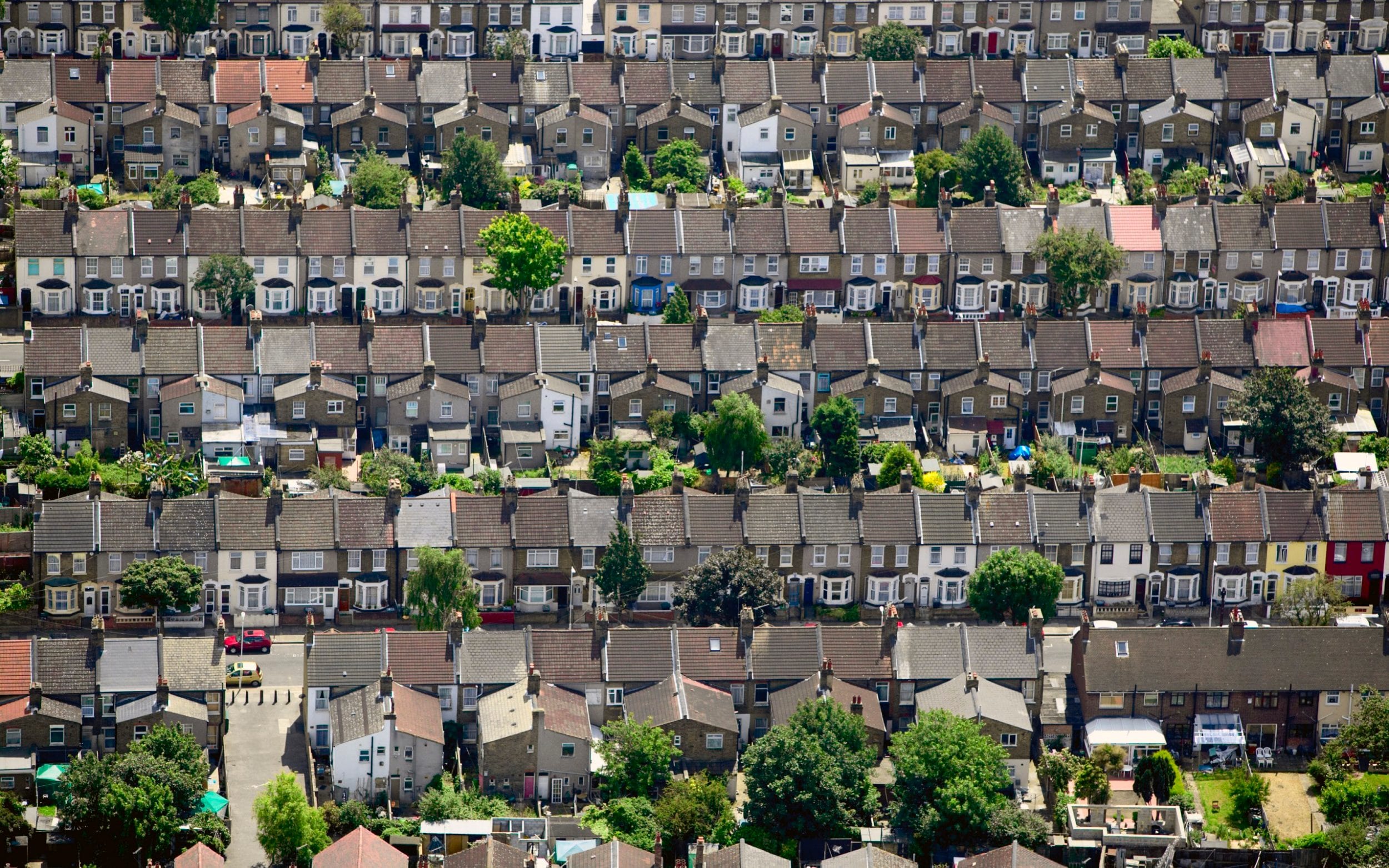
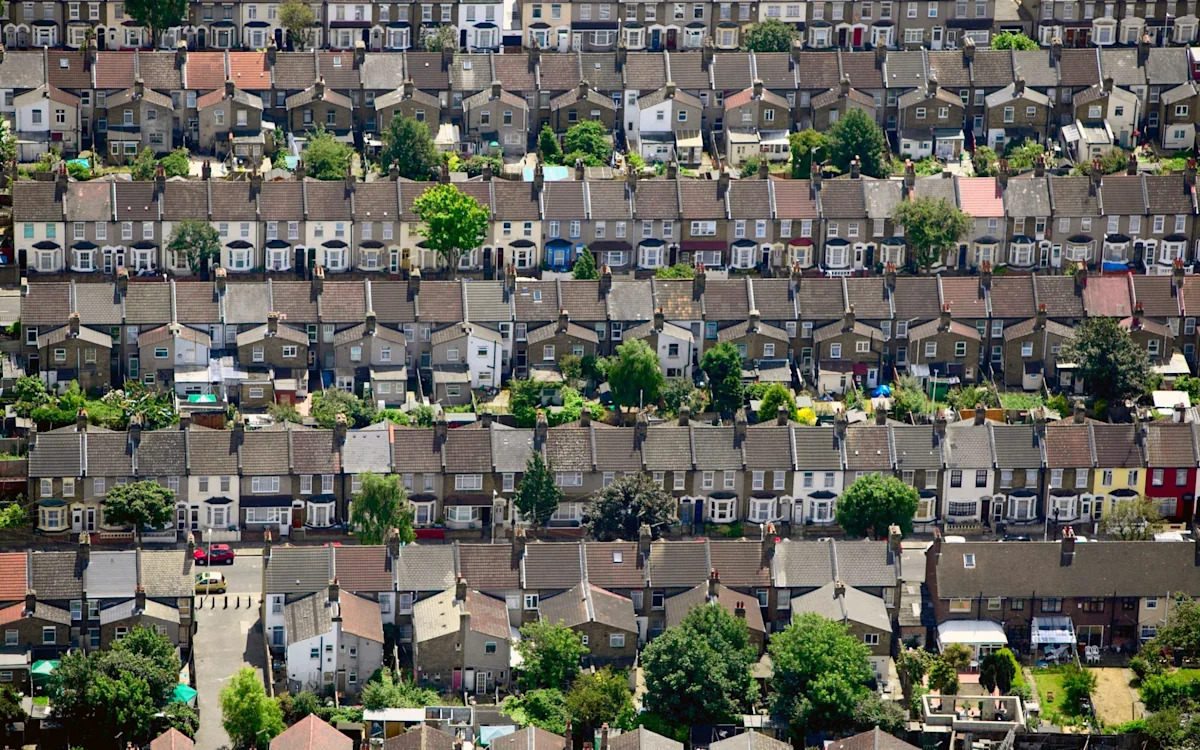
House prices in the South East are rising at the slowest pace in Britain amid warnings Andy Burnham risks creating a North-South divide in the property market.

Property values in the region, excluding London, rose by just 0.1pc in the second quarter of the year, according to the Nationwide house price index.

By contrast, the rate of growth in the North and North West of England was 3.9pc.

It has raised concerns that Andy Burnham could "turbocharge" a North-South divide in house price growth under his plans to boost regional economic activity.

The man expected to be Britain's next prime minister could create a bounce in Northern house prices, according to Garrington Property Finders, the UK's largest property buying agency.

Jonathan Hopper, chief executive of the company which researches and sources properties for investors, said: "The North-South divide continues to grow and could be turbocharged by a Prime Minister Burnham.

"A huge injection of government spending into the North could create a Burnham bounce that accelerates northern price growth further."

Mr Burnham set out his political aspirations in a speech in Manchester this week, pledging to create "growth in every postcode".

Prices in the South East remained higher than all other areas of Britain apart from London, with the average home worth £341,175. In London, house prices rose 1.6pc to £540,903 in the second quarter.

House prices in Northern Ireland rose at the fastest pace in the UK at 8.6pc – nearly quadruple the national pace over the last year. The average home there was worth £226,699.

Nationally, property values were up 2.2pc to £278,784 in June compared with the same month last year.

However, prices flatlined between May and June after the Iran war pushed up mortgage rates.

Robert Gardner, chief economist at Nationwide, said: "It is not surprising that the market has softened a little in recent months, given the uncertainty caused by developments in the Middle East and the subsequent rise in energy prices and market interest rates.

"Indeed, consumer confidence and measures of housing sentiment have weakened, and mortgage approvals fell noticeably in May."

Ashley Webb, an economist at Capital Economics, said: "The stagnation in the Nationwide measure of house prices in June shows that the rise in mortgage rates triggered by the Iran war continues to weigh on the housing market."

12:44pm

Thanks for following our updates on the latest house price data and their impact on markets.

UK stocks have had a mixed day, with the FTSE 100 down 0.3pc but the FTSE 250 up 0.4pc.

Money markets indicate there is an 83pc chance that the Bank of England will raise interest rates by the end of the year. The pound is down 0.1pc against the dollar.

The yield on 10-year gilts, a benchmark for the cost of government borrowing, has risen from 4.76pc to 4.8pc.

We will have all the latest here.

12:08pm

As well as slowing house price growth, British consumers are also seeing the pound in their pocket losing its value against the dollar.

Sterling has fallen again on Wednesday after suffering its weakest first half of a year since 2022 amid Britain's political turmoil.

The pound edged down 0.1pc against the dollar to $1.324 after dropping 1.6pc in the first six months of 2026.

It has come under pressure from another change of leadership, with Andy Burnham expected to become Britain's sixth prime minister in seven years.

Meanwhile, traders are also reducing their bets on the Bank of England raising interest rates this year following the recent falls in oil prices.

At the same time, the dollar has climbed thanks to the strength of the US economy and its stock market.

Against the euro the pound rallied throughout the second quarter, posting a rise of 1.4pc to trade around its strongest since last August. It was last up 0.1pc to €1.162.

11:42am

Rupert Collingwood, founder of The London Broker, said the property market in the South East has realistically suffered a fall in house prices after taking inflation into account.

He said: "While it's positive to see some growth, the devil is in the detail, as house price values will vary from street to street, house to house.

"The growth is likely concentrated in particular market segments, most likely the more affordable end of the property ladder, where activity and transactions are also concentrated, with mid and upper segments likely losing ground.

"The anaemic growth in the South East is likely a real time fall taking into account inflation, which would align with what we are seeing on the ground.

"My message to Andy Burnham: nothing helps cool the market faster than politicians floating kites aimed at tax changes on the biggest asset most people buy and sell."

11:38am

House prices in the South East rose at the slowest pace in Britain amid warnings Andy Burnham could create a North-South divide in house price growth.

Property values in the region, excluding London, rose by just 0.1pc in the second quarter of the year, according to the Nationwide house price index.

By contrast, the rate of growth in the North and North West of England was 3.9pc.

Prices in the South East remained higher than all other areas of Britain apart from London, with the average home worth £341,175. In London, house prices rose 1.6pc to £540,903 in the second quarter.

In the North, the average home was worth £173,756, while typical prices reached £231,415 in the North West.

11:11am

In today's To Business newsletter, James Titcomb, our Technology Editor, said the Bank of England is considering introducing a "kill switch" to stop AI bots from causing a market meltdown.

While trading algorithms are relatively primitive at present, as the technology develops and more powerful systems are released, what impact could this have on financial markets?

Imagine a scenario in which a swarm of AI systems all make the same decision, or drift from their instructions and cause a market crash. Could a "kill switch" be the answer?

For daily analysis of the business trends you should care about, sign up to receive To Business in your inbox here.

10:51am

British families have suffered the biggest fall in wealth in the rich world since the pandemic.

The average Briton's wealth has fallen by more than a fifth over the last five years, according to UBS. The slump is the worst seen across the 37 countries it surveyed.

Typical individual wealth has fallen by around £28,500 since 2020 after accounting for inflation. It left the median adult with assets of just over £95,500 last year, making the British a touch richer than the French but poorer than the Dutch and the Italians.

A slowdown in the housing market has also fuelled the wealth slump.

10:32am

Most housebuilders fell on the UK's main stock markets after property prices stalled in June.

Developers were collectively down 0.6pc across the FTSE 100 and FTSE 250, with Berkeley falling 1.9pc and Barratt Redrow down 1.2pc.

Ian Futcher of wealth manager Quilter said: "Many prospective buyers are continuing to delay making any major financial commitments.

"Confidence remains fragile and, after a lengthy period of fluctuating mortgage rates, households are understandably reluctant to make a move until there is greater certainty over borrowing costs and the wider economic outlook."

The FTSE 100 was last down 0.2pc, while the FTSE 250 was up 0.3pc.

10:12am

Andy Burnham will be "gone by Christmas" if he promotes a North vs South agenda, Telegraph readers have said.

Here is a selection of views from the comments section below, and you can join the debate here.

09:51am

Money markets showed the odds have fallen on the Bank of England raising interest rates later this year.

Traders have wagered there is an 82pc chance of a rise in rates from 3.75pc to 4pc in 2026, down from an 89pc probability on Monday.

It comes as the price of oil continues to fall. It is down 0.9pc today to around $72 a barrel, having fallen back below its level immediately before the start of the Iran war.

Traders also reduced bets on rate rises after closely watched figures showed factory activity grew at a weaker pace than expected last month.

The S&P Global UK Manufacturing purchasing managers' index hit 52.5 in June, down from an initial estimate of 53.

It indicates that output is growing but at a slower pace than originally thought. It is still the fastest increase in activity since September 2024.

09:21am

Falling oil prices have given house buyers reasons to be optimistic about mortgage rates, an estate agent has said.

Brent crude, the international benchmark, fell at its steepest pace since the pandemic in the second quarter as the US and Iran engaged in peace talks. Oil has edged below $73 a barrel today.

Nicky Stevenson, managing director at Fine & Country, said: "Buyers are still active, but they are making decisions carefully and with a clear eye on affordability.

"The past month has been shaped by a mixed backdrop. Higher energy prices and political uncertainty have tested consumer confidence, while mortgage approvals softened in May.

"That has inevitably made some households more cautious and explains why monthly price momentum has been more subdued.

"However, there are reasons to be optimistic. Oil prices have eased back from recent highs, inflation has been lower than expected in recent months, and market expectations around interest rates have shifted.

"If that continues to feed through into more competitive fixed-rate mortgage pricing, it should give buyers more confidence heading into the second half of the year.

"Buyers remain value-led, but improving mortgage expectations and steadier pricing could help unlock more activity over the coming months, provided wider economic uncertainty does not weigh too heavily on sentiment."

08:51am

Britain faces only "small gains" in house prices for the rest of the year after the Iran war led to a jump in mortgage costs, economists said.

Pantheon Macroeconomics said the market was stable in the face of higher borrowing costs triggered by the Middle East conflict.

The war in Iran led to a spike in oil prices, which raised expectations in money markets that the Bank of England would increase interest rates to combat an inflationary shock.

While a preliminary peace deal has been agreed, traders are still betting that there will be one rate rise this year, keeping borrowing costs elevated.

Rob Wood, chief UK economist at Pantheon Macroeconomics, said homebuyers "continued to take a wait-and-see approach ahead of potential rate hikes".

He added: "Our big picture take is that the market remains stable, so house prices should carve out small gains over the rest of the year to leave official house price inflation at 1pc year-over-year in the fourth quarter."

08:30am

Andy Burnham could "turbocharge" a North-South divide in house price growth under his plans to ignite growth in the regions, the UK's largest house buying agency has warned.

The man expected to be Britain's next prime minister could create a bounce in Northern house prices as industry data shows a widening gap in growth of property values across the country.

House prices in the North and North West grew at the fastest pace in England, rising by 3.9pc, compared to a meagre 0.1pc growth in the South East.

Jonathan Hopper, chief executive of Garrington Property Finders, said: "The North-South divide continues to grow and could be turbocharged by a Prime Minister Burnham.

"A huge injection of government spending into the North could create a Burnham bounce that accelerates Northern price growth further."

08:14am

The FTSE 100 fell at the open as industry figures showed house prices flatlined in the UK last month.

The UK's flagship stock index fell 0.4pc at the open to 10,454.49, with housebuilders falling.

Barratt Redrow dropped 1.6pc and Persimmon fell 0.5pc.

The FTSE 250 declined 0.1pc, with developer Berkeley down 1.4pc.

07:57am

House prices in Northern Ireland rose at nearly quadruple the national pace over the last year, Nationwide said, amid a growing divide in the property market.

Northern Ireland prices rose 8.6pc, compared to the UK's annual change of 2.2pc.

The next best performing regions were the North West and the North, each up 3.9pc, while prices rose 3pc in Scotland.

The South East was the worst performing area, with prices rising just 0.1pc.

Anthony Codling, an analyst at RBC Capital Markets, said that overall housebuilders faced a market that "remains more tortoise than hare".

He said: "The headline number tells one story, but the regional picture tells a more interesting one: Northern Ireland is doing its own thing entirely, running nearly four times hotter than the national average, while much of southern England is essentially flatlining.

"Mortgage rates remain the stubborn gatekeeper to a more meaningful recovery, with affordability still stretched by historical standards, and the Bank of England's cautious approach to rate cuts keeping buyers in a holding pattern.

"The good news is that all thirteen regions are now in positive annual growth territory, which is no small feat. The bad news is that for housebuilders hoping for a demand surge to justify a bullish volume outlook, this is a market that remains more tortoise than hare."

07:39am

House prices will flatline for the next few months under pressure from higher mortgage rates, economists have warned.

Ashley Webb of Capital Economics said: "The stagnation in the Nationwide measure of house prices in June shows that the rise in mortgage rates triggered by the Iran war continues to weigh on the housing market.

"But if the recent fall back in swap rates, and therefore mortgage rates, is sustained, we expect house price growth to pick up again later this year.

"We suspect house prices will do little more than flatline over the next few months, or perhaps even fall a bit, as the drag on housing demand from the previous jump in mortgage rates triggered by the Iran war continues to be felt.

"But house prices will probably start to rise again later this year as mortgage rates continue to fall back."

07:29am

Nationwide said confidence could be restored to Britain's housing market if peace is secured in the Middle East.

While prices flatlined in June, it was an improvement on the 0.6pc drop in prices between April and May, the lender said.

Compared to the same month last year, prices rose by 2.2pc in June, compared to 1.7pc in May.

Nationwide chief economist Robert Gardiner said: "While geopolitical tensions remain high, the signing of a memorandum of understanding between Iran and the US helped push oil prices back towards the levels prevailing before the conflict began.

"If the energy shock continues to subside, the Bank of England may not need to raise interest rates, or at least by less than had previously been anticipated – a view reinforced by the fact that UK inflation has also been lower than expected in recent months.

"In recent weeks a shift in market expectations for the future path of Bank Rate has helped to bring down the market interest rates which underpin fixed-rate mortgage pricing.

"If maintained, these trends will help to restore household confidence and ease affordability constraints, paving the way for a recovery in housing market activity in the coming quarters, providing that domestic political uncertainty does not adversely impact sentiment."

07:18am

Thanks for joining me. House prices flatlined last month after the Iran war pushed up mortgage rates.

Property values were unchanged between May and June, according to the Nationwide house price index, leaving the average home worth £277,484.

Prices were hampered by the conflict in the Middle East, which raised expectations for the Bank of England to push up interest rates this year.

This led to a rise in costs for borrowers. The average two-year fixed mortgage rate stood at 5.53pc on Monday, still up from 5.4pc before the war started.

Peace talks between the US and Iran remain fragile, denting consumer confidence and maintaining the risk of an inflationary energy shock.

Net mortgage approvals for house purchases decreased to 56,200 in May, down from  65,900 in April, according to the Bank of England

Robert Gardner, chief economist at Nationwide, said: "It is not surprising that the market has softened a little in recent months, given the uncertainty caused by developments in the Middle East and the subsequent rise in energy prices and market interest rates.

"Indeed, consumer confidence and measures of housing sentiment have weakened, and mortgage approvals fell noticeably in May."

Here is what you need to know.

Axel Springer completes Telegraph takeover | Europe's largest news publisher confirmed it had won all the necessary regulatory approvals and had completed the £575m takeover.

BBC in row with journalists over 1pc pay rises | Union bosses said the offer failed to recognise pressures on staff, who they said are being asked to produce more with less while facing increasing job insecurity.

Asda sheds 7,500 roles as debt costs top £730m | The job losses are thought to have occurred across the struggling supermarket chain's sprawling operations as under-pressure bosses sought to offset the mounting costs of private equity ownership.

French and Chinese invest in British bike maker Brompton | The British city-bike business confirmed it had sold a 10pc stake to French sports kit retailer Decathlon, while Shanghai-based investment group BA Capital had taken a 5pc share in the business, for a reported total investment of £18m.

BP's deputy chief exits in latest shock resignation | Carol Howle had "elected to retire" just three months into her role and following a 26‑year career with the company.

Asian share markets started the new quarter in a cautious mood as talks between the United States and Iran hit new hurdles.

Tehran said on Tuesday it would not meet with US negotiators who had flown to the Middle East, with the two sides still far apart on a framework that would fully open the Strait of Hormuz.

Bond markets were also under pressure after US Treasury yields - a benchmark for global borrowing costs - spiked overnight over expectations the Federal Reserve will raise interest rates.

New chair Kevin Warsh later appears at the European Central Bank conference in Sintra, Portugal.

Stock investors are betting the coming earnings season will be bright enough to offset the risk of interest rate rises. Japan's Nikkei climbed another 0.8pc, having surged 37pc last quarter.

South Korea's main index slipped 0.9pc, having risen an eye-watering 68pc in the second quarter thanks to soaring AI-related demand for semiconductors.

The boom delivered the fastest export growth in nearly 50 years in June as shipments of semiconductors surged almost 200pc. As a result, South Korea became the fourth country in the world to reach a monthly export value of $100 billion, after Germany, China and the United States.

MSCI's broadest index of Asia-Pacific shares outside Japan edged up 0.2pc, while Chinese blue chips rose 0.3pc.

US stocks rose on Tuesday. The S&P 500 gained 0.8pc, the Dow Jones Industrial Average added 0.3pc and the Nasdaq Composite climbed 1.5pc.

Try full access to The Telegraph free today. Unlock their award-winning website and essential news app, plus useful tools and expert guides for your money, health and holidays.
Comments
You must be logged in to comment.