bbc Press
From Truman's pension to Trump's billions - a White House windfall unmatched by any president
Images
1 / 20
2 / 20
3 / 20
4 / 20

5 / 20
6 / 20
7 / 20

8 / 20

9 / 20
10 / 20
11 / 20

12 / 20

13 / 20

14 / 20
15 / 20
16 / 20
17 / 20

18 / 20
19 / 20
20 / 20
This video can not be played

Trump's $1.4bn crypto earnings revealed

Harry Truman left the White House without any income other than his Army pension of $113 (£85) per month. The 33rd US president later wrote that it was wrong to "commercialize on the prestige and dignity of the office of the presidency".

George W Bush put his investments in a blind trust before running for president, and said in his last week in office that he had no idea how the 2008 economic crisis affected his net worth.

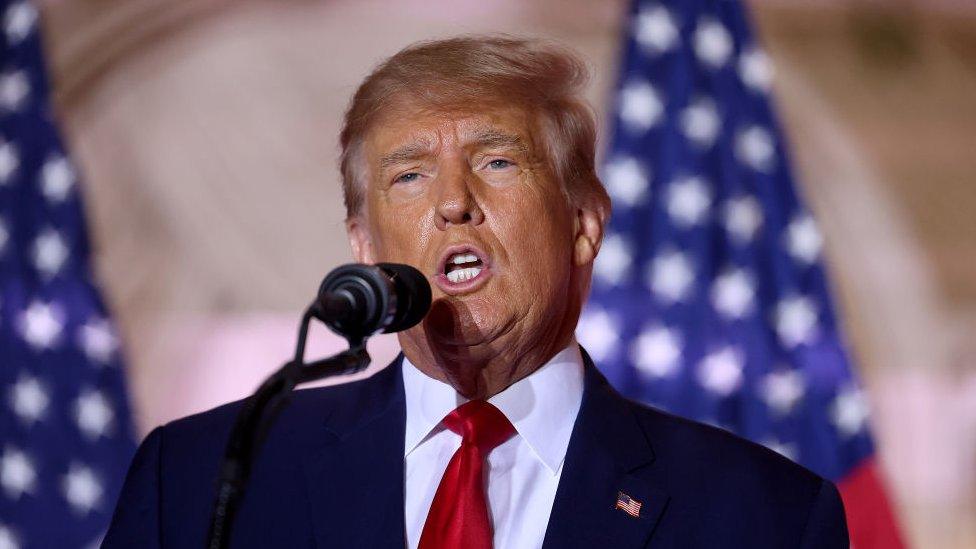
Donald Trump, in contrast, made at least $2.2bn (£1.7bn) in his first year back in office, according to a new financial disclosure report - a sum historians said was unprecedented and shattered the norm of US presidents avoiding financial conflicts of interest in the White House.

"There's just no precedent for this," said Barbara Perry, a presidential historian at the University of Virginia's Miller Center. "It's beyond anything we've ever seen in the presidency."

Trump's massive 2025 earnings laid bare just how much he has benefited from his return to office, through money-making ventures that often blurred the line between official government policymaking and private business dealings by the president, his family and close advisers.

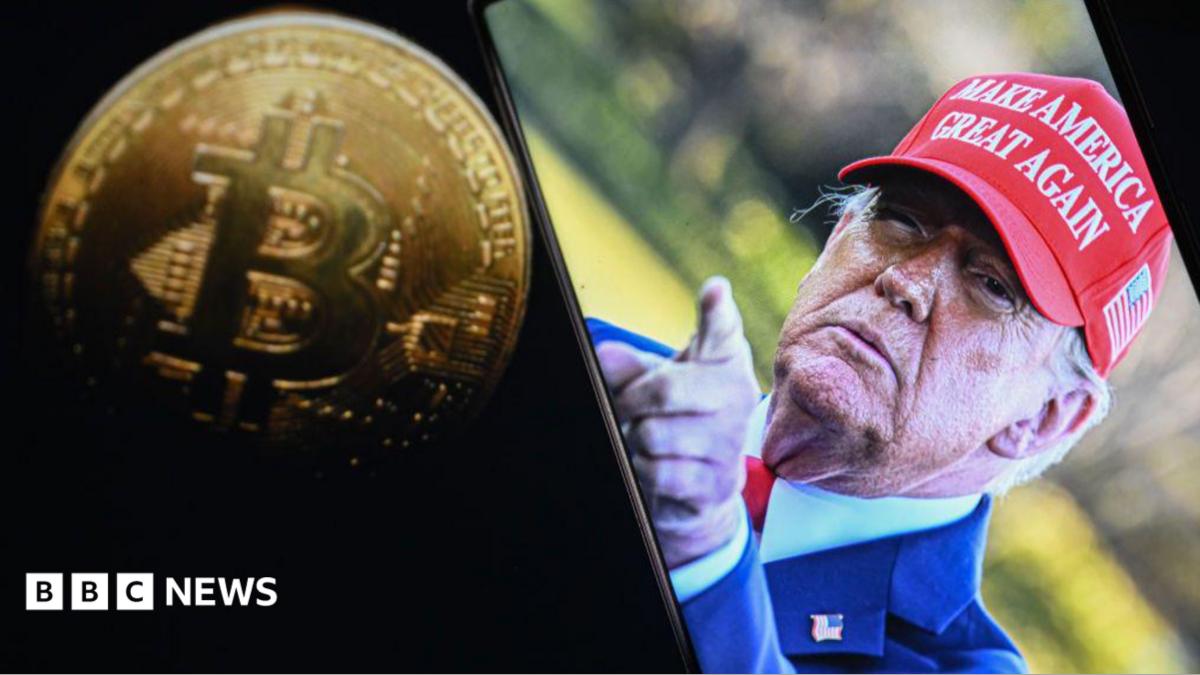
Trump made $1.4bn in the cryptocurrency industry alone, according to the mandatory financial disclosure that was made public on Tuesday.

Trump reported $635m in royalties from Celebration Coins, the entity thought to be behind the $TRUMP meme coin he launched just before starting his second term.

Bibles, Home Alone and perfume: Six things about how Trump made money in 2025

Trump made more than $1bn from crypto in first year back in office

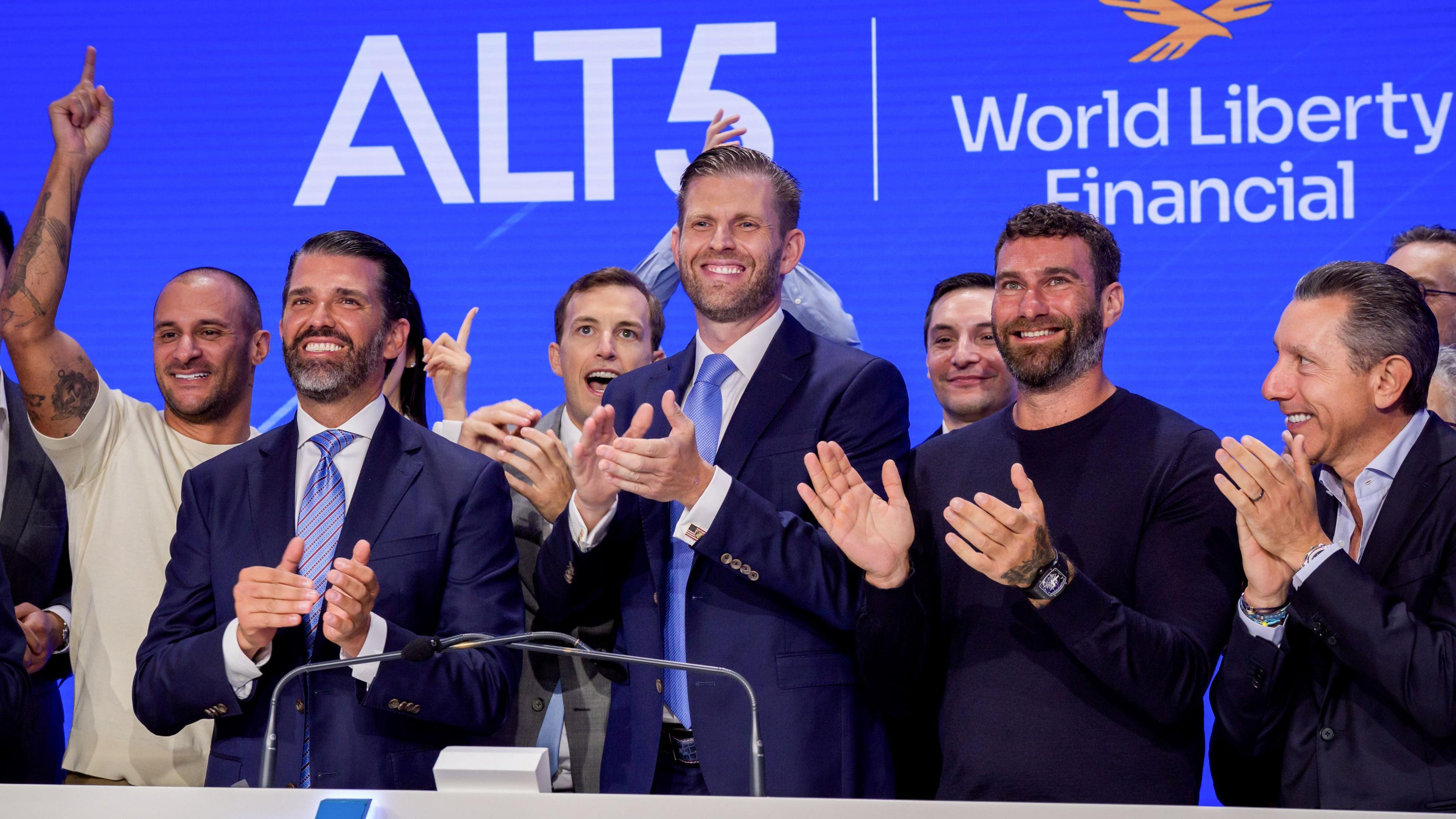
The president also reported more than $500m from the cryptocurrency business World Liberty Financial. The firm was founded by his sons, Donald Trump Jr and Eric Trump, and the sons of Steve Witkoff, Trump's special envoy to the Middle East and Ukraine.

Trump's 2025 income was nearly four times higher than the $622m he reported in 2024, the year before he returned to office.

The White House has denied that Trump and his family were profiting from the presidency.

"Neither the President nor his family has ever engaged - or will ever engage - in conflicts of interest," White House deputy press secretary Anna Kelly said in a statement.

She added: "All actions by President Trump and his administration are taken in the best interest of the American people – and any so-called 'reporters' pushing otherwise are recycling the same, tired, false narrative that Democrats and the legacy media have been pushing for a decade."

Past presidents have been involved in financial scandals that raised questions of corruption.

Historians point to the period after the Civil War, when officials in the treasury department under President Ulysses Grant were involved in scandals around gold sales and customs collection, among other controversies.

The interior department secretary accepted bribes in exchange for awarding oil leases during Warren Harding's presidency in the 1920s, an episode known as the Teapot Dome scandal.

But in those cases, the president was not directly involved or accused of personally enriching himself while in office.

In the modern era starting with Franklin D Roosevelt's presidency in 1933, several presidents have had relatives who sought to profit from their ties to White House.

Jimmy Carter's brother promoted a beer brand. While

While Joe Biden served as vice-president, his son Hunter Biden made money from a Ukrainian energy company.

But historians said those past examples pale in comparison to the profits made by Trump and his family business since he returned to office.

"This is the big distinction between Trump and his family and other presidents," said Perry, the presidential historian.

"Making money hand over fist in office, it's not illegal but it is unethical. Most [past] presidents didn't want to do that."

Before starting his first term in 2017, Trump handed control of his family business, the Trump Organization, to his adult sons. But the move broke with the precedent set by past presidents because Trump did not place his business interests in a traditional blind trust or divest from his real estate holdings and other investments.

Trump took similar steps ahead of his second term.

The Trump Organization said before his second inauguration that he would not be involved in the company's day-to-day dealings while serving as president.

Eric Trump said at the time that the Trump Organization would follow "robust ethical standards" during the president's second term.

Still, Trump has made a number of moves in the White House that have benefited his business as well as businesses tied to other senior administration officials.

Last July, Trump signed legislation supporting stablecoins, a form of cryptocurrency, just four months after World Liberty Financial launched its own digital currency venture. The firm made Trump at least $500m in 2025, according to his financial disclosure report.

Last October, Trump pardoned Changpeng Zhao, the billionaire founder of the cryptocurrency firm Binance.

The move came as Trump praised the crypto industry in his first months back in office, after having dismissed it in the past as a "disaster waiting to happen".

Trump's family business and some close associates have profited in other industries beyond cryptocurrency since he returned to the White House.

Last year Trump struck a deal with the president of Kazakhstan giving an American company access to a major critical minerals project in the country, according to a New York Times report.

Eric Trump and Donald Trump Jr later took a minority stake in a company involved in the mining project. The investment firm Cantor Fitzgerald - which is run by Commerce Secretary Howard Lutnick's sons - also worked on the deal.

On Wednesday, Trump attributed his profits in office to stock market gains and claimed he was not involved in his family's business dealings.

"I don't get involved in my personal [finances], we have funds that run my money," Trump told reporters. "I've made a lot of money before I became president, and they invest my money, and I don't talk to them."

Ethics watchdogs argued Trump's profits from cryptocurrency in particular were problematic.

"Of course it's a conflict of interest," Richard Painter, the former chief White House ethics lawyer under George W Bush, told the BBC.

"This is a very, very troubling situation for the American people to see their president making so much money."

Trump and sons' stake in crypto firm worth $5bn

Tax records reveal Trump's foreign bank accounts
Comments
You must be logged in to comment.