yahoo Press
US drives rise in global emissions as utilities turn back to coal, report shows
Images
1 / 7
2 / 7

3 / 7

4 / 7
5 / 7

6 / 7

7 / 7
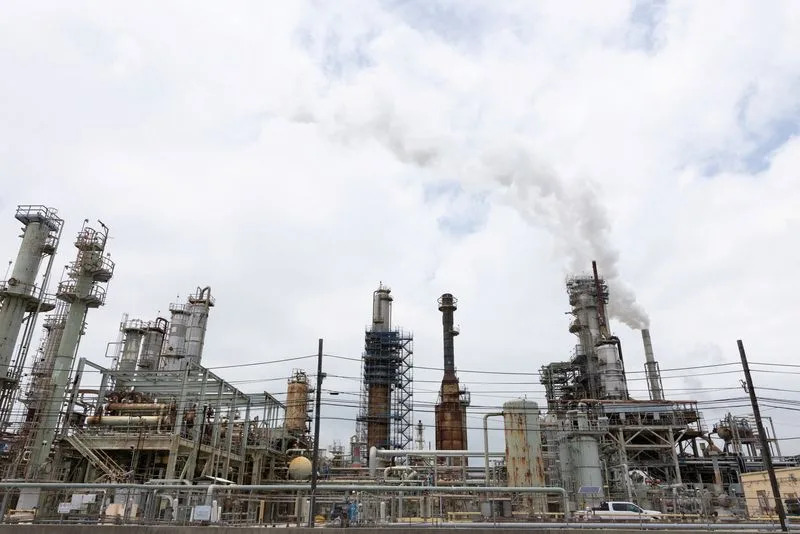
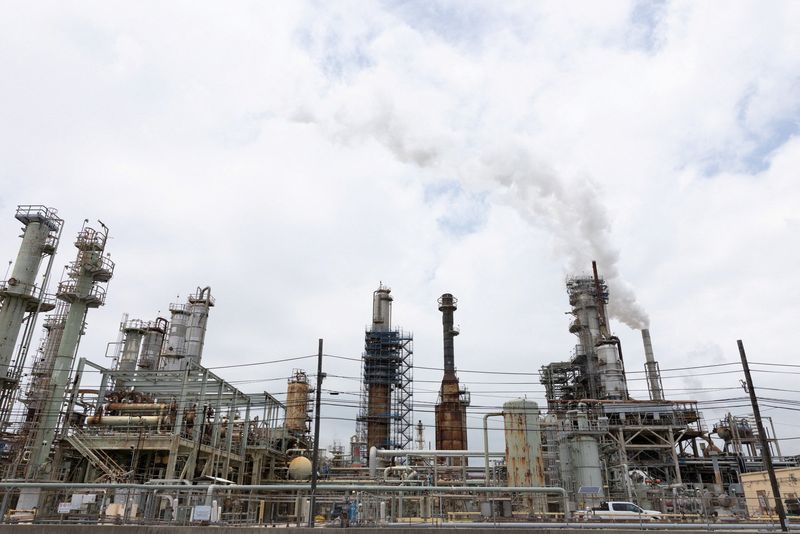
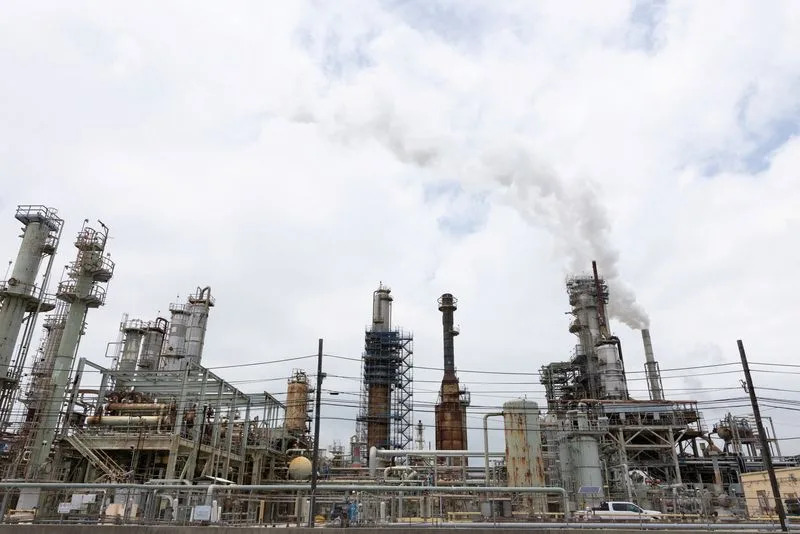
LONDON, June 30 (Reuters) - The United States accounted for about a third of the rise in global carbon dioxide emissions in 2025, as higher gas prices pushed power producers back to coal, an Energy Institute report showed on Tuesday. Here are highlights from the report, produced in partnership with Ember, Kearney Institute and KPMG: • Global energy-related carbon emissions from the production and use of energy, rose 1.1% to 35,806 million tonnes of CO2 in 2025. About 13.3% of that increase came from the United States. • Including emissions from the energy sector and from gas flaring and methane, global emissions rose by 1.1% to 41 billion tonnes of CO2 equivalent. The U.S. accounted for 36% of that increase, with total emissions growth of 3.2% year-on-year, compared with 0.3% in China. • U.S. coal consumption jumped 10% last year, reversing a shift towards cleaner fuels and helping to lift overall emissions. • China remained the largest emitter, accounting for 31.3% of global energy-sector emissions, but its increase from 2024 was modest at 0.7%. Europe’s emissions rose by 0.5%. • North America recorded the largest absolute increase, with emissions rising by nearly 3% from 2024 to 152.3 million tonnes, bucking a 10-year trend of falling emissions. • On a per capita basis, U.S. emissions were nearly double those of China at 15.36 tonnes of CO2 per person, versus 8.92 tonnes in China, based on Reuters calculations taking the latest population data for 2025 from the U.S. Census Bureau and National Bureau of Statistics of China. • Global energy demand continued to rise. Total energy supply increased 1.7% in 2025, with renewables making the biggest contribution. Renewable power generation climbed 9.1%, led by a 30% surge in solar. • Electricity demand rose faster than supply, increasing 3% year-on-year, driven by electric vehicles, data centres and artificial intelligence. • Global oil consumption rose 1.3% in 2025 to 103 million barrels per day, compared with a 1.1% increase in 2024, while production grew 3.5%. • In China, gasoline and diesel use declined last year, extending a trend seen in 2024. • Gas demand growth was concentrated in Europe, the Middle East and North America, with Europe and India relying on imports for nearly half of their supply. (Reporting by Seher Dareen. Editing by Nina Chestney, Mark Potter and Susan Fenton)
Comments
You must be logged in to comment.