yahoo Press
Stocks surge in stellar quarter; dollar hits gold and yen
Images
1 / 4
2 / 4

3 / 4

4 / 4
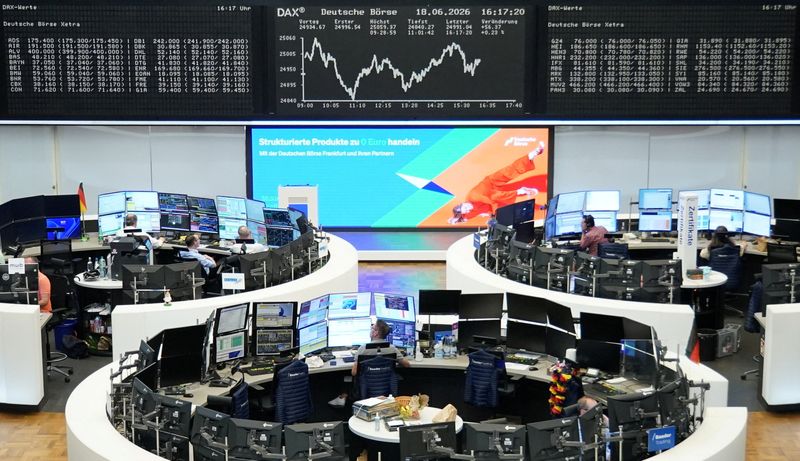
By Amanda Cooper LONDON, June 30 (Reuters) - Global stocks were headed for their best second-quarter performance in six years on Tuesday, while a resurgent dollar pushed the yen to a four-decade low and was headed for a fourth straight quarterly rise. Within the past three months, the Strait of Hormuz has re-opened gradually and haphazardly as hostilities between the U.S. and Iran receded into a fragile ceasefire, knocking 20% off the price of oil. In addition, a dramatic shift in expectations for U.S. interest rates has occurred, against a backdrop of a seemingly unstoppable boom in artificial intelligence stocks. The MSCI All-World index has risen almost 14% to record highs in the last three months, marking its best second-quarter performance since 2020. Most of the gains have been powered by a scorching rally in anything AI-related, particularly in Asian markets, where indexes in Japan, South Korea and Taiwan have logged double-digit percentage gains. The S&P 500 is also up 14% and the Nasdaq, which welcomed $2 trillion SpaceX to its ranks in June, has gained 20%. "The one theme that's disappeared largely is monetary policy support," said Guy Miller, chief market strategist at Zurich Insurance Group. "At the beginning of the year, the futures market was pricing further rate cuts. Now, that's changed. And that's been a function largely of the situation with Iran and the higher commodity prices." "The take-away for us, however, is that while we're not expecting further cuts from the central banks, we're not expecting a start of a hiking cycle as such." Europe's STOXX 600, which does not have nearly as many AI beneficiaries as many Asian or U.S. indexes, was up 1.1%, heading for a quarterly gain of 10%, having risen every month since March. U.S. stock futures were up between 0.1% and 0.2%, suggesting a modest increase at the opening bell later. THE WINNING DOLLAR The dollar has been the standout winner this quarter in the foreign exchange market, gaining 1.4% against a basket of major currencies. Investors are amassing bullish positions at a record pace thanks to a remarkable re-pricing of the U.S. interest rate outlook, which has flipped from cuts to hikes, due to the surprising strength of the U.S. economy and persistent inflationary pressures beyond energy prices. The dollar's rise has driven gold to its largest quarterly fall in more than a decade, while the yen has been driven to its weakest point in 40 years to trade around 162.38 per dollar on Tuesday. Traders were already on edge about possible Japanese intervention, with Finance Minister Satsuki Katayama issuing another warning. The world's most influential central bankers are in the Portuguese town of Sintra this week for the European Central Bank's annual meeting and no one will be more in the spotlight than new Federal Reserve Chair Kevin Warsh, who is scheduled to address the gathering on Wednesday. Warsh's focus on inflation at his first meeting as head of the Fed earlier this month prompted traders to almost fully price in the prospect of a rate hike by October, but some economists believe the economy is strong enough, and inflation evident enough, to mean an increase could come as soon as July. "Of all the major central banks, (Fed policymakers) are probably the only ones where there's a plausible case that they could go in July, that they could hike to get it out of the way, in a way," said Isabelle Mateos y Lago, BNP Paribas group chief economist. "That's not our base case, but there's a very meaningful probability that they might want to do that and really kind of get it out of the way and move on." But before Warsh's appearance, there is an array on Tuesday of European inflation reports, as well as U.S. consumer confidence data for June and the monthly hirings and firings JOLTS report, as the clock ticks down to Thursday's U.S. monthly jobs report. (Additional reporting by Dhara Ranasinghe in London and Tom Westbrook in Singapore; Editing by Muralikumar Anantharaman, Stephen Coates, Thomas Derpinghaus and Alexander Smith )
Comments
You must be logged in to comment.