aljazeera Press
Millions in India’s Bengal risk losing welfare benefits over voter deletion
Images
1 / 8
2 / 8
3 / 8
4 / 8

5 / 8

6 / 8

7 / 8

8 / 8
A controversial revision of electoral rolls removed millions of names. Now, the new BJP government in West Bengal state says they are not eligible for government aid.

Save

Share

For weeks now, Antu Sheikh has been going through a pile of documents stacked in a soiled plastic bag.

Ever since his name was deleted from the electoral rolls in India’s West Bengal state, the 40-year-old railway construction worker fears he could lose more than just his right to vote.

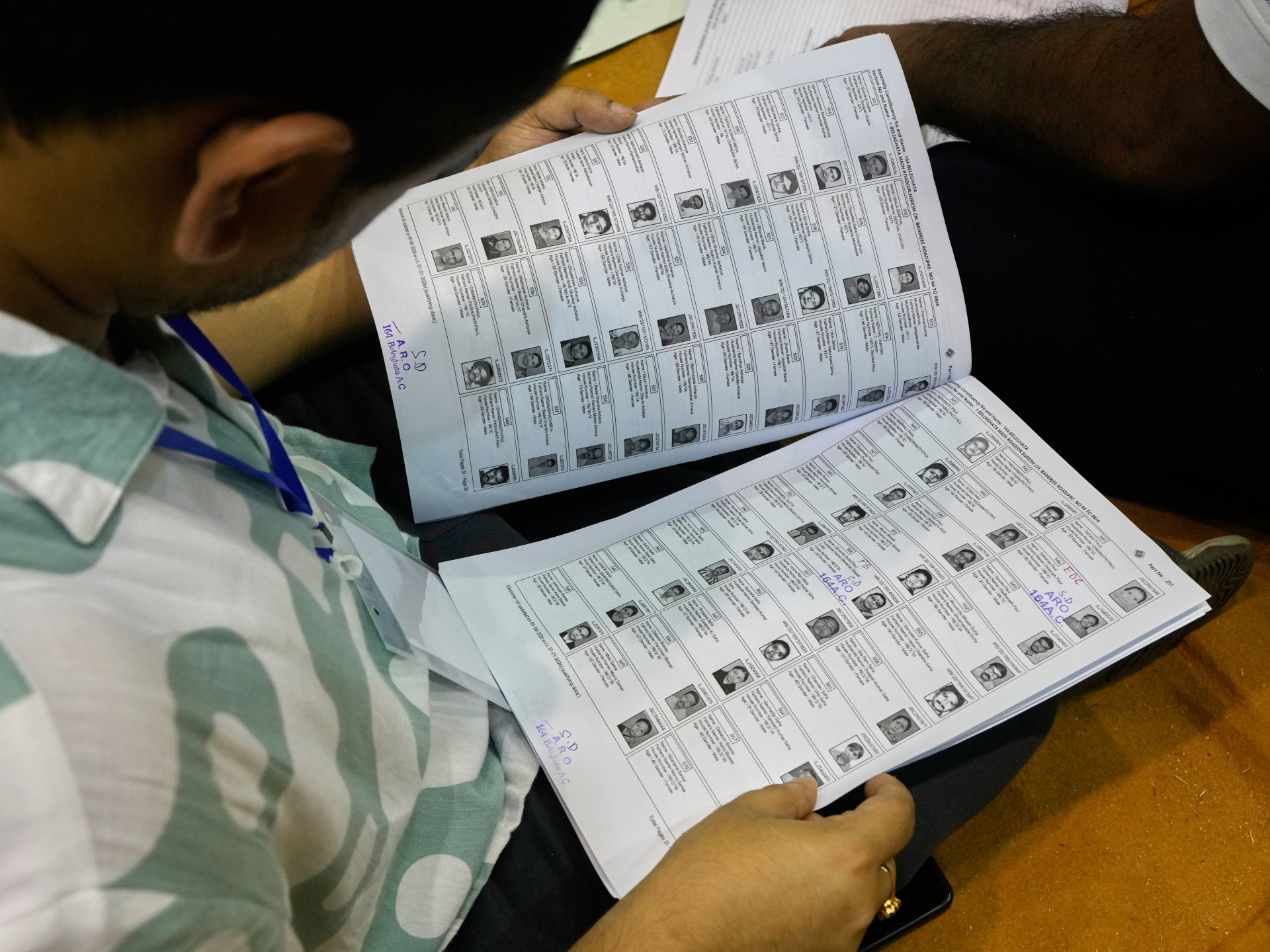
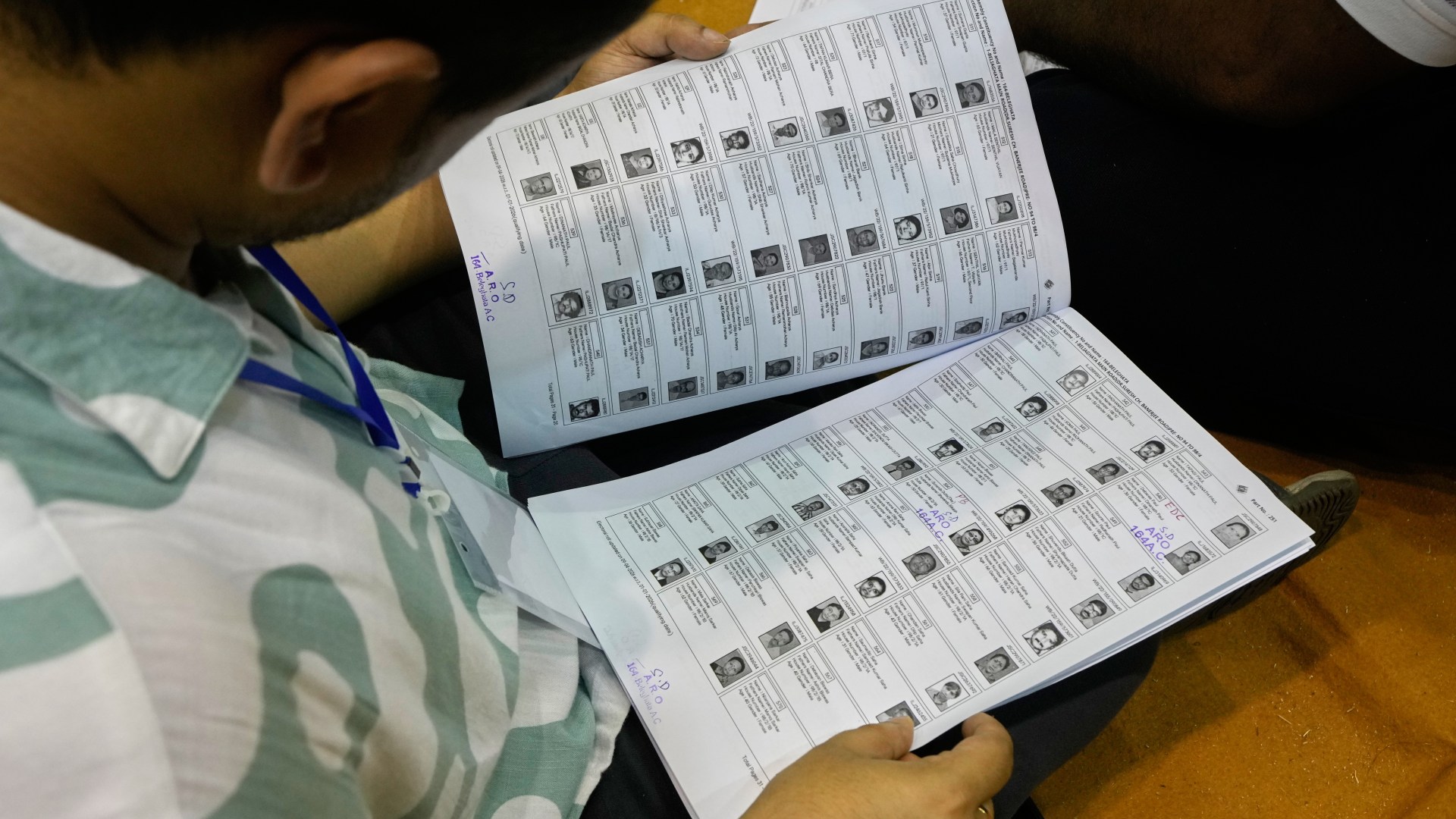
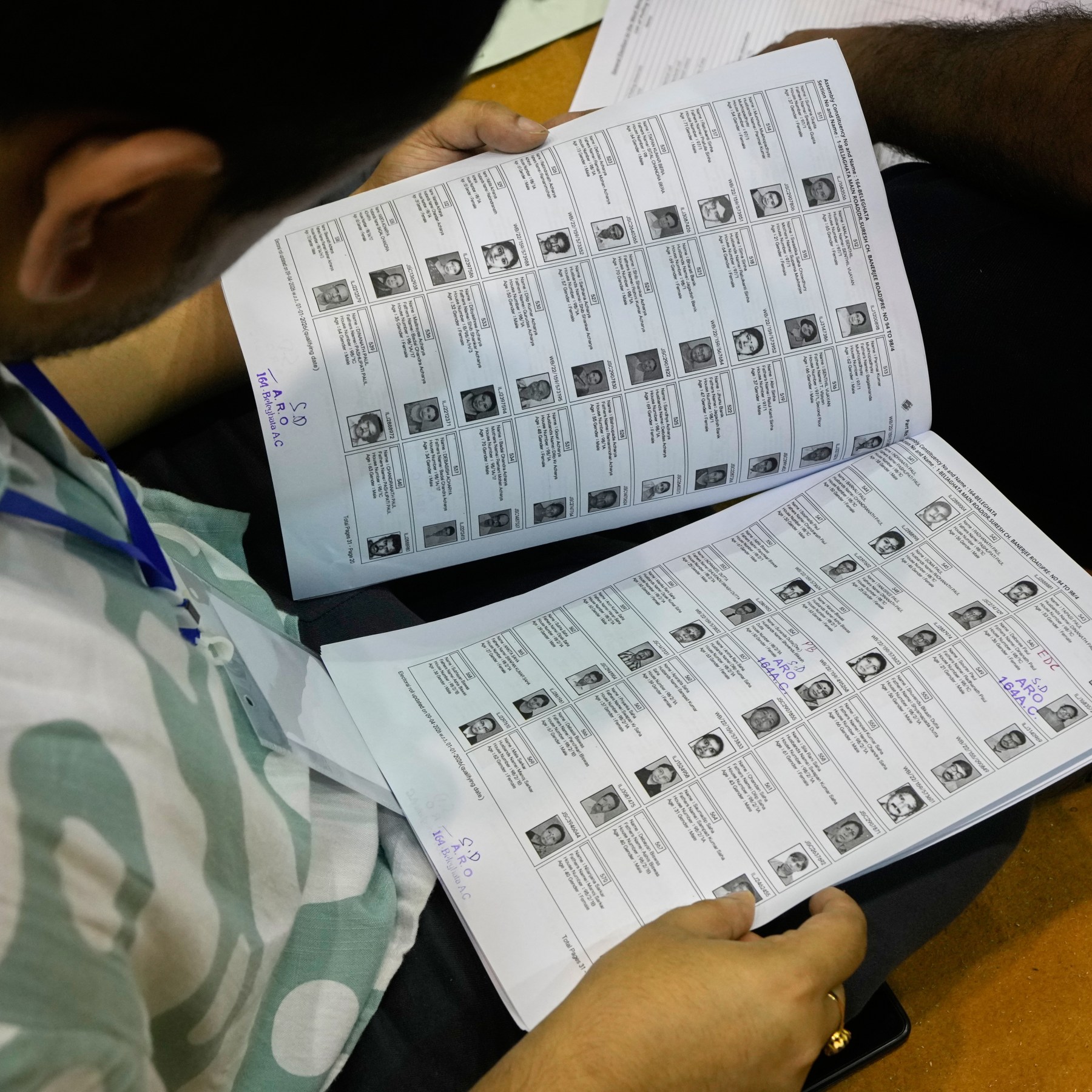
Sheikh is among 9 million West Bengal residents removed from the electoral rolls days before the state elections were held in April and May. Prime Minister Narendra Modi’s Hindu majoritarian Bharatiya Janata Party (BJP) came to power for the first time in the politically critical state that is home to more than 100 million people, 27 percent of them Muslim.

The controversial Special Intensive Revision (SIR), an exercise being conducted by India’s election commission across the country, was launched to identify deceased, duplicate or dubious voters. In West Bengal, a state that borders Muslim-majority Bangladesh, the SIR was defended by Modi’s government as a means to remove “infiltrators” or “illegal” Bangladeshi migrants.

But an analysis of the deletions by experts showed that Muslims were disproportionately affected by the SIR, especially in districts where they constituted a high percentage of the population and could sway the vote, including Murshidabad, where Sheikh lives.

Now, he fears that losing the vote was only the start of his SIR-related struggles.

Shortly after coming to power, the BJP government in West Bengal announced that those excluded from the voter list would no longer be eligible for subsidised food rations and other state-run welfare schemes.

An order issued by West Bengal’s Food and Supplies Department on June 4, and accessed by Al Jazeera, said the ration cards of people removed under the SIR will be marked inactive, as authorities began a verification drive of the beneficiaries of the Public Distribution System (PDS), a government food security scheme that serves nearly 90 million people in West Bengal.

The government later clarified that nearly 2.3 million people, who have challenged the removal of their names from the electoral rolls in special tribunals set for the purpose, will continue to receive the welfare benefits until their appeals are heard.

Sheikh is one of them. While his case is pending before a tribunal, he has been asked by the authorities to submit more documents in order to receive his PDS benefits.

But as a daily-wage labourer on railway construction projects, his work needs him to move wherever contractors assign projects. His latest assignment is in the neighbouring state of Assam, and he will soon need to travel there.

“I can’t stay here indefinitely waiting for paperwork and hearings,” Sheikh said. “If I don’t leave for work, I won’t earn anything.”

Sheikh, who is unmarried, lives in his village in West Bengal’s Murshidabad district with his sister. And while he received subsidised rations on June 1, he fears the family may no longer get the subsidy in subsequent months. “We are still living in uncertainty.”

So is Sakeena Bano*, a resident of Ramchandrapur town in West Bengal’s South 24 Parganas district.

Bano, also 40, told Al Jazeera she had challenged the removal of her name from the voter list, but the tribunal rejected her application.

“After applying in the tribunal and providing all the necessary documents, my name was deleted without a hearing. Now they are denying us access to food and welfare,” she said.

It is not just food security that is under threat. A direct cash transfer scheme for women, which Bano – a mother of three children aged 16, 13 and 10 – benefitted from, has also been linked to the SIR deletions.

Introduced in 2021 by the previous state government led by the All India Trinamool Congress (AITC), the Lakshmir Bhandar scheme helped nearly 24 million people by giving them 1,400 rupees ($15) every month to empower them financially.

The BJP, after assuming power, renamed the scheme to Annapurna Yojana, increased the benefits to 3,000 rupees ($32), but ordered a verification of the scheme’s beneficiaries, declaring those named in the SIR ineligible for the cash transfer.

Bano’s husband, an imam at a local mosque, has a cardiac defibrillator to regulate his heartbeat, implanted after doctors diagnosed an enlarged heart some years ago.

“A few years ago, the government paid for a cardiac device and treatment that cost about 700,000 to 800,000 rupees [$7,400-8,500],” Bano told Al Jazeera. “That treatment saved his life.”

But her husband’s heart condition means he can’t work much. “We relied on rations and assistance provided by the government. We don’t know what to do now. I feel anxious and exhausted,” she said.

Imtiyaz Ahmed, a resident of West Bengal’s Hooghly district, said he and his brother Munsi Sideeq Ahmed – both working in government-run schools – were removed from the electoral rolls, despite decades of their involvement in conducting local elections. In India, government staff, such as school or college teachers, are frequently deployed to work as election officers.

Imtiyaz said their appeals were rejected by a tribunal without any explanation or hearing, and the state authorities have now asked the excluded individuals to surrender their ration-related documents and submit a 13-page form with their personal and family information by Tuesday.

But Imtiyaz said he fears that even if they submit all the documents asked of them, they might still lose welfare benefits.

“After the SIR deletion, our main concern is that our ration will be blocked. We are not even eating properly because of this stress,” he told Al Jazeera.

“First they removed our names from the voter list. Now ration cards. Slowly, they will take everything away from us,” he added. “We [Muslims] are being targeted and becoming the victims of a political conspiracy.”

Legal experts say linking government welfare schemes to electoral roll status raises serious constitutional concerns.

Last week, the Paschim Banga Khet Majoor Samity, an agricultural workers’ union in West Bengal, approached the Supreme Court, challenging the state government’s orders linking welfare benefits to SIR and arguing that the move risked deactivating the ration cards of 3.5 to six million people.

The Supreme Court declined an urgent hearing on the matter and asked the union to approach the Kolkata High Court instead.

But lawyer and rights activist Sanjay Hegde told Al Jazeera there was no legal basis for linking voter rolls to state welfare.

“Under Article 14 [of the Indian Constitution], the state cannot deny equality before the law. Welfare benefits have no nexus with electoral rolls,” he said. “There will be many legal residents of India who are not on electoral rolls, for instance, children below the age of 18. Can you deny them welfare benefits? How can you say that if you don’t exist as a voter, you don’t exist for the state?”

Hegde warned that using electoral status as a basis for welfare eligibility could create a dangerous precedent.

“The implications of using electoral status for welfare simply means governments are responsible for voters only. The greater danger is governments threatening voters and communities who vote against them,” he said.

Al Jazeera wrote to the West Bengal Food and Supplies Department for its comments, but received no response.

Kolkata-based advocate Asif Reza, who is representing people who have appealed before different tribunals for the reinstatement of their names on voter rolls, said many of them are losing faith in the appeals process itself.

“People approached the tribunals saying they were eligible voters, but many cases were disposed of without proper evaluation or hearings,” he told Al Jazeera, adding that the “slow pace of hearings makes justice uncertain”.

“Only five or six cases are heard every day. When 200,000-300,000 voters are deleted in a single district, it will take centuries to hear all the cases. By then, many of the applicants will be dead, and their great-grandchildren will be fighting for their voting rights.”

Prominent Indian welfare economist Jean Dreze described the SIR as a “clumsy, unreliable and authoritarian exercise”.

“We know for a fact that it has led to the unfair exclusion of millions of people from voters’ lists. Transferring these exclusion errors to the public distribution system [PDS] would be rubbing salt on their wounds,” Dreze told Al Jazeera.

Sagarika Ghose, a member of parliament from the All India Trinamool Congress (AITC), the party that lost to the BJP in West Bengal, told Al Jazeera that denying government benefits to people excluded through SIR is “highly inhuman and shocking”.

She said such a move would unfairly punish people and was not just a denial of basic rights, but also the constitutional and legal protections guaranteed to a citizen.

“The entire SIR process has been shoddy, rushed and full of discrepancies and loopholes. It is hardly an accurate or foolproof exercise,” she said. “You cannot take away people’s access to food and welfare on the basis of such a flawed process.”

Back in Murshidabad, 33-year-old Abdul Bari, who has challenged his SIR deletion before a tribunal, wonders if his name would be added back to the list if he wins his case.

“Despite having the documents, millions of voters, including me, were deleted without any proper verification. Now what guarantee do we have that our names will be added back to the list?” he asked.

“Just because my name was cut once doesn’t mean I’m not a citizen. It doesn’t mean we should stay hungry because we can’t vote.”
Comments
You must be logged in to comment.